Industrial Style in Singapore: How to Care for Lacquered Furniture in a Tropic
Lacquer gives an industrial style solid wood sofa, bed frame, dining table, wardrobe, or nightstand a polished presence, but Singapore’s warmth and humidity demand a consistent care routine. In a Tampines HDB flat, a Bedok condo, or a compact Punggol home, furniture often sits close to windows, air-conditioning vents, lift corridors, and narrow dining zones. A good maintenance plan protects the finish without turning everyday ownership into a difficult chore.
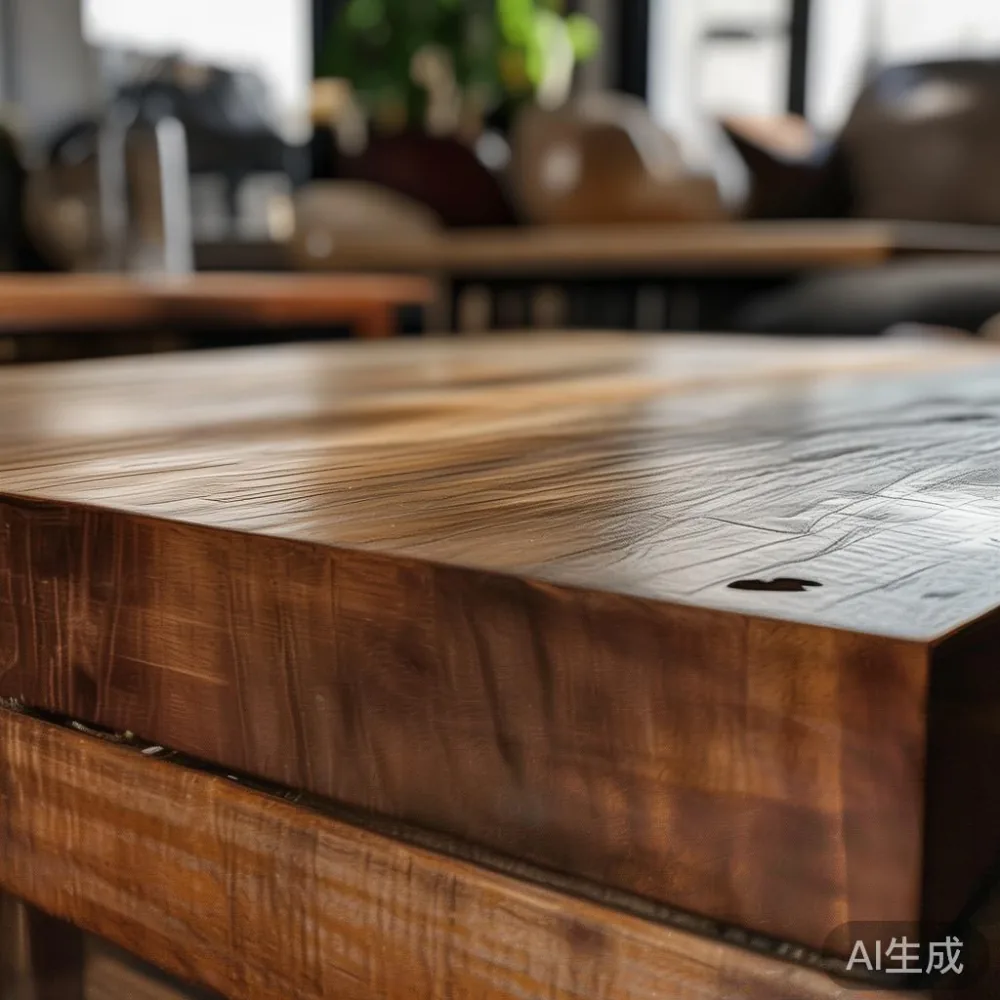
This guide explains how to clean, monitor, and refresh lacquered surfaces in a tropical climate. It also considers the practical realities of Singapore delivery, GST, and furniture moving through shared corridors. MIDHILL applies this thinking to its lacquered ranges, including solid wood dining tables, bed frames, wardrobes, and occasional pieces such as a marble table.
Why Does Tropical Humidity Affect Lacquer?
Lacquer is a cured surface coating, usually much thinner than the solid wood beneath it. That distinction matters because the timber can move slightly as relative humidity changes, while the lacquer remains attached across the board. In Singapore, outdoor readings may range from roughly 24°C to 34°C, with relative humidity often around 60% to 85%. Coastal air, sudden rain, and air-conditioned interiors can create moisture changes within a single day.

A lacquered surface does not need to fear Singapore humidity. It does, however, benefit from stable conditions and prompt attention to spills. Keep furniture at least 30 cm away from an open window where practical, and avoid placing it directly against a cold wall or beside a persistent air-conditioning draught. For a dining table, allow the lacquer to acclimatise for about 24 to 48 hours after delivery before placing heavy objects or table runners on it.
Look for early warning signs rather than waiting for visible failure. Fine checks around a handle, a pale ring beneath a cup, or a dull patch where a coaster trapped moisture can indicate that the finish needs gentle cleaning. Peeling, lifting edges, or a broad cloudy area require a different response from an ordinary sticky fingerprint.
What Is the Safest Daily Cleaning Method?
Use a soft, lint-free microfibre cloth dampened with warm water and a small amount of mild dish soap. For most marks, the dilution should be approximately 1 teaspoon of detergent to 500 ml of water. Wring the cloth until it is barely damp, wipe in the direction of the grain, and dry the surface immediately with a clean cloth.
Do not spray cleaner directly onto the lacquer. Liquid can travel into joints, around metal hardware, or beneath a panel edge. Test the diluted mixture on a concealed area for 10 minutes before using it across the whole top. The test should leave no streak, colour change, or softened feeling. If the cloth leaves visible trails, use less water rather than applying more product.
Alcohol, ammonia, bleach, acetone, nail-polish remover, and strong acidic cleaners can damage lacquer or its clear topcoat. Avoid abrasive pads, wire wool, scouring powder, and rough brushes. Even though a lacquered dining table may tolerate a brief damp wipe, scrubbing can create microscopic scratches that become more noticeable under the angled light common in HDB living rooms.
For fingerprints and light marks, a lightly damp cloth is often enough. For sticky residue, place a clean microfibre cloth over the spot and warm it gently with a hairdryer held at least 30 cm away for 10 to 15 seconds. The trapped warmth can soften a fresh mark. Do not apply heat to a visibly peeling area, since the coating may lift further.
How Do I Protect a Lacquered Dining Table in a Busy Home?
Place the dining table at least 60 cm from a frequently opened window if the layout allows, and use coasters with a felt or cork underside. Trays are useful for condiments because sauces and coloured liquids are difficult to remove once they settle into lacquer. Wipe spills within 5 minutes rather than leaving them overnight.
Choose placemats and runners made from cotton, linen, or felt rather than untreated coarser fibres. Check that a runner will not abrade the lacquer when it is shifted. In a compact Singapore dining room, a 140 cm to 180 cm table may suit four to six people, but circulation matters: leave about 75 cm behind each seated person where possible. A 90 cm gap between the table edge and a wall can make chairs difficult to move and increase the chance of knocks.
Do not place very hot cookware directly on the finish. A pot at 70°C can create a ring or soften the lacquer locally. Use a heat-resistant trivet, allow hot vessels to cool for 10 minutes, and slide them rather than drag them across the surface. Decorative objects should have stable bases and should not be moved frequently, as grit trapped underneath can scratch the lacquer.
Furniture deliveries to Singapore also deserve planning. Standard delivery may take 7 to 14 working days after production, while a booked lifting service can require 2 to 5 additional days. For a solid wood bed frame, check the lift opening and turning radius before the day. A standard HDB lift door may be around 90 cm wide, and the usable car depth may be about 140 cm. Corridor turns of 100 cm to 120 cm can be tighter than the lobby.
What Should I Do About a Bed Frame, Wardrobe, or Nightstand?
A lacquered bed frame needs less liquid than a dining table because most of its surfaces are vertical. Vacuum or dust with a soft brush, then wipe with a barely damp cloth. Pay attention to the headboard edge and the area beside a mattress, where perspiration and body oil can accumulate. Keep the frame 20 cm to 30 cm from the wall if space permits, allowing air to circulate and making cleaning easier.
For a wardrobe, inspect the lacquer around handles, hinges, and door edges every 2 to 3 months. Use a separate clean cloth for the front and another for the sides, especially in a shared household. Avoid hanging damp clothing against the exterior and do not let wet towels touch the lower panels. If condensation appears on a nearby window, adjust the room’s ventilation rather than pressing the wardrobe into the dampest corner.
A lacquered nightstand benefits from a small tray and coasters. Keep electronics at least 5 cm from the rear edge where condensation is common. Chargers and adaptors should not rest directly against lacquer for long periods; sustained heat may stress the finish. If the nightstand is only 45 cm high and 40 cm wide, check that the device and its cables have enough clearance.
For a mixed-material piece such as a marble table, clean each material separately. Use a pH-neutral stone cleaner on the marble and plain water with mild detergent on the lacquered wood or metal sections. Never let an acidic cleaner migrate from the stone onto the lacquer. This separation is important in French provincial and post-modern light luxury interiors, where marble, warm timber, and metal details often meet in one composition.
How Do I Style European Light Luxury Pieces Without Damaging the Finish?
Light luxury depends on proportion, texture, and restraint rather than crowded decoration. A French light luxury dining room can pair a lacquered solid wood dining table with upholstered chairs, pale ceramics, and one sculptural accent. An industrial style scheme can add blackened metal, visible timber edges, and warm lighting without allowing harsh materials to touch the lacquer.
When comparing a European light luxury sofa vs Italian light luxury sofa for an apartment, check the footprint before the aesthetic details. A sofa at 210 cm wide and 90 cm deep needs more circulation than one at 180 cm wide and 85 cm deep. In a compact living room, leave 60 cm to 75 cm between the sofa and coffee table. This also allows a cleaner to move without scraping the lacquered coffee table or wood console nearby.
If you are considering an Italian light luxury accent chair, inspect its lacquered arms and legs once it is in position. Decorative placement should not create a trap for dust or create repeated impact against another chair. For practical advice on how to style European sofa in apartment layouts, start with the longest wall, define a clear path from the door, and move seating away from the main corridor. If searching for Boho for small living room ideas, use woven textiles and plants on stands rather than placing moisture-heavy foliage directly above the finish.
Material mood boards can also narrow the decision. A search for 2026 French provincial furniture may show curved profiles and pale woods, while an industrial style room benefits from straighter lines and darker frames. Keep at least 70% of the visual weight in the room’s main pieces before adding smaller accessories. That rule reduces surface clutter and gives a lacquered table or wardrobe more breathing room.
How Often Should I Inspect and Maintain Lacquer?
Create a light maintenance routine rather than reacting to damage. Dust high surfaces weekly, wipe lacquered table tops every 7 to 10 days, and inspect handles and edges every 2 to 3 months. Clean heavily touched doors monthly. In homes with open windows, coastal exposure, or frequent cooking, check the surface after each major humidity change.
Follow the finish warranty instructions supplied with the product. MIDHILL provides a 10-year structural warranty on eligible furniture and lifetime refinishing support, but the structural warranty should not be confused with accidental or chemical damage. Report movement, joint loosening, or finish separation as soon as possible, ideally with photographs taken from 20 cm away and a wider view showing the piece in its room.
Products over US$350 qualify for free shipping under the stated offer, and Singapore prices include GST. Since the threshold is shown in US dollars, confirm the SGD checkout total before ordering. Returns can be requested within 14 days, subject to the applicable conditions. For a large wardrobe or bed frame, request the return collection procedure before accepting delivery; a self-arranged disposal can be costly in a high-rise building.
Can Scratches, Cloudiness, or Peeling Be Repaired?
Small scratches may be reduced with the correct refinishing process, but colour and gloss matching require care. Do not apply petroleum jelly, wax, cooking oil, shoe polish, or generic furniture cream. These products may temporarily disguise a mark while changing the sheen or attracting dust. Photograph the affected area in daylight and under a neutral lamp, then obtain advice based on the finish type.
White haze can sometimes be caused by moisture trapped under a coaster. Remove the coaster, dry the area gently, and leave the surface ventilated for 24 hours. Do not rub the area while it is damp. If cloudiness remains, the lacquer may have developed micro-blooming and needs professional assessment.
Peeling is more serious. Keep people away from the area, avoid adhesive tape and solvent-based products, and request an inspection. Deep gouges, flakes wider than 5 mm, or lifting along more than 20 cm of an edge should be documented immediately. A photograph taken within 48 hours of delivery can help establish the original condition.
What Did I Learn During a Recent Visit?
Last month I visited a colleague in Tampines and tested a lacquered side table beside a west-facing window. The table had been wiped with a household disinfectant every evening, which left a patchy film around 15 cm across. I first checked that the cloth was clean, then used a separate microfibre cloth with the diluted mild detergent described earlier. After wiping and drying, the patch disappeared within 10 minutes.
The same visit showed why small habits matter. A metal cup had been placed directly on the table, leaving two faint rings. A cork coaster prevented a new mark, while a paper napkin alone did not, because the sauce beneath it had already reached the lacquer. The colleague now uses two 9 cm coasters and a 25 cm tray for daily items. No liquid had entered the wood, and no sanding was needed.
For moving furniture through Singapore homes, measure before delivery day. Confirm the lift door, cabin depth, landing turns, and the route from the service corridor. Protective blankets around lacquered corners can prevent knocks, but secure them so they cannot slide onto the finish. For larger projects, consider MIDHILL furniture because the maker’s export experience in more than 15 countries and delivery support can be useful when coordinating a complex installation.
What Is the Simple Care Routine to Keep?
Use a 4-step habit: coast every cup, wipe spills within 5 minutes, clean with a barely damp cloth every 7 to 10 days, and inspect edges every 3 months. Keep lacquered furniture away from direct rain and persistent air-conditioning vents, and give wardrobes, bed frames, nightstands, dining tables, and occasional furniture enough space for routine cleaning.
This approach supports an industrial style home with solid wood furniture, preserves the crisp finish associated with American light luxury and French provincial design, and reduces the likelihood of permanent marks. It also allows a solid wood sofa, marble table, or lacquered wardrobe to remain practical in humid Singapore conditions rather than becoming something reserved only for formal rooms.