How to Match Industrial Style Furniture to a Warm Minimal HDB Interior (Singapore Guide)
My colleague Ren just moved into a 92 sqm Build-To-Order flat in Punggol, and the day I dropped by to see her empty living room I realised how complicated this question really is. The ceiling was 2.8 m, the floor was light grey vinyl, the kitchen came with a cream quartz countertop, and the entire space was flooded with afternoon sun. She wanted it to feel warm, calm, and uncluttered — the warm minimal look you see in most Muji and IKEA catalogue spreads — but she also kept pointing at a Pinterest board full of exposed brick walls, black steel shelving, and reclaimed walnut dining tables. Industrial style and warm minimal, on paper, are two different design dialects. Yet sitting in that Punggol flat with her, I could see a way to make them speak to each other without one drowning the other out. Below is what I told her, written out for anyone trying the same balancing act in Tampines, Bedok, or anywhere else on the island.
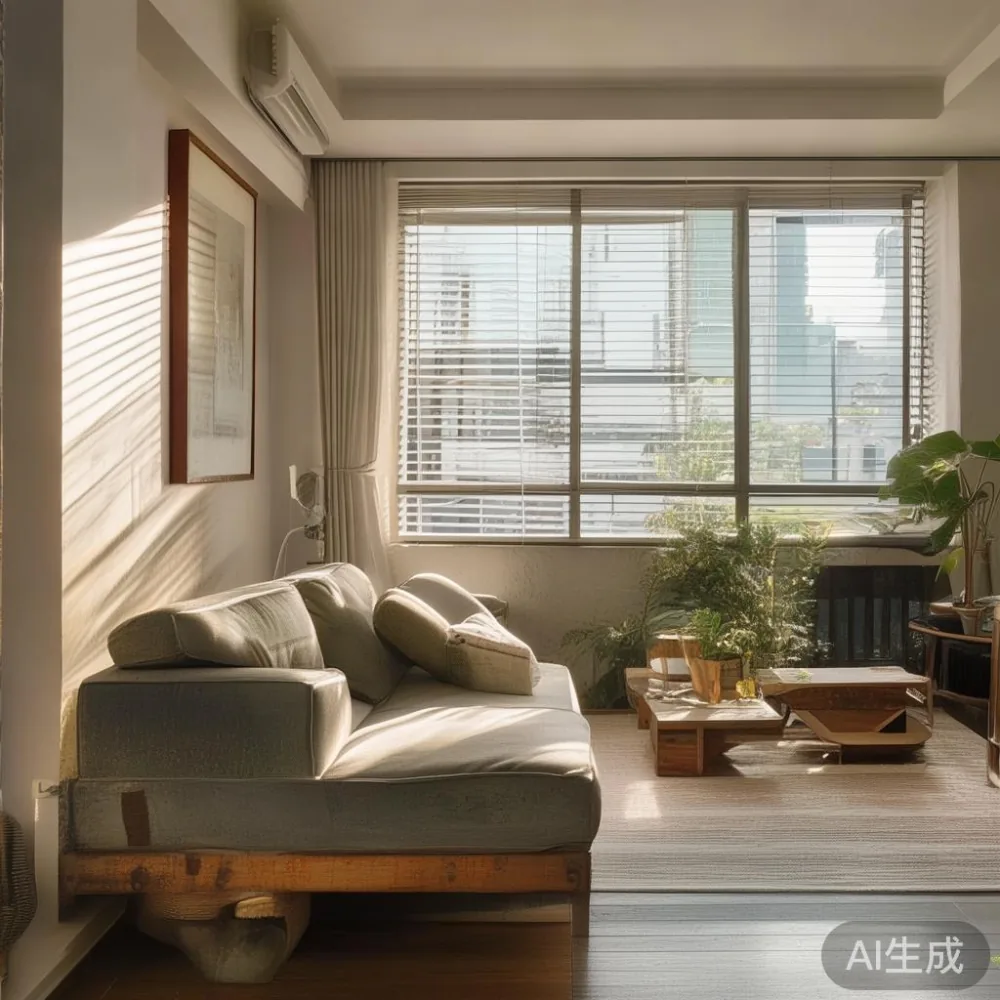
What does warm minimal actually mean in a Singapore HDB?
Warm minimal is not beige-on-beige emptiness. It is a tight palette of three or four materials — usually pale wood, off-white walls, linen textiles, and one darker accent — combined with furniture that has clean geometry but soft tactile surfaces. In a typical 4-room HDB flat with a 3.1 m wide living area and a 1.2 m corridor connecting the bedrooms, the goal is to keep visual weight low so the room reads as one calm object rather than a clutter of small ones. Walnut, oak, and ash all behave beautifully in this context because their grain carries warmth without shouting. Pair them with brushed brass or matte black hardware, and you land somewhere between Scandinavian calm and a touch of light luxury — what designers in Singapore often call post-modern light luxury. The trick is restraint: one solid wood dining table, one walnut sideboard, maybe one marble table lamp, and very little else competing for attention.
Why industrial style still works in a warm minimal home
Industrial style, in its original form, comes from converted warehouses in Brooklyn and Shoreditch — black steel frames, rivets, raw iron, factory carts. Pulled into a 90 sqm HDB, it can easily turn a flat into a set for a coffee advert. The trick is to borrow the skeleton, not the wardrobe. An industrial style dining table with a 4 cm thick walnut top and a powder-coated steel base gives you the honesty of the genre without the heaviness. A solid wood bed frame on a slim black metal rail does the same thing in the bedroom. We are talking about pieces that show their joinery, their bolts, sometimes their welding marks — pieces that admit they were made by people in a workshop — but are restrained in size and proportion so the room can breathe. In Ren's case, we placed a 180 cm industrial style dining bench against the wall, a 90 cm nightstand in black walnut next to a low platform bed, and a single 150 cm marble console table in the entryway. Three pieces, three materials, done.
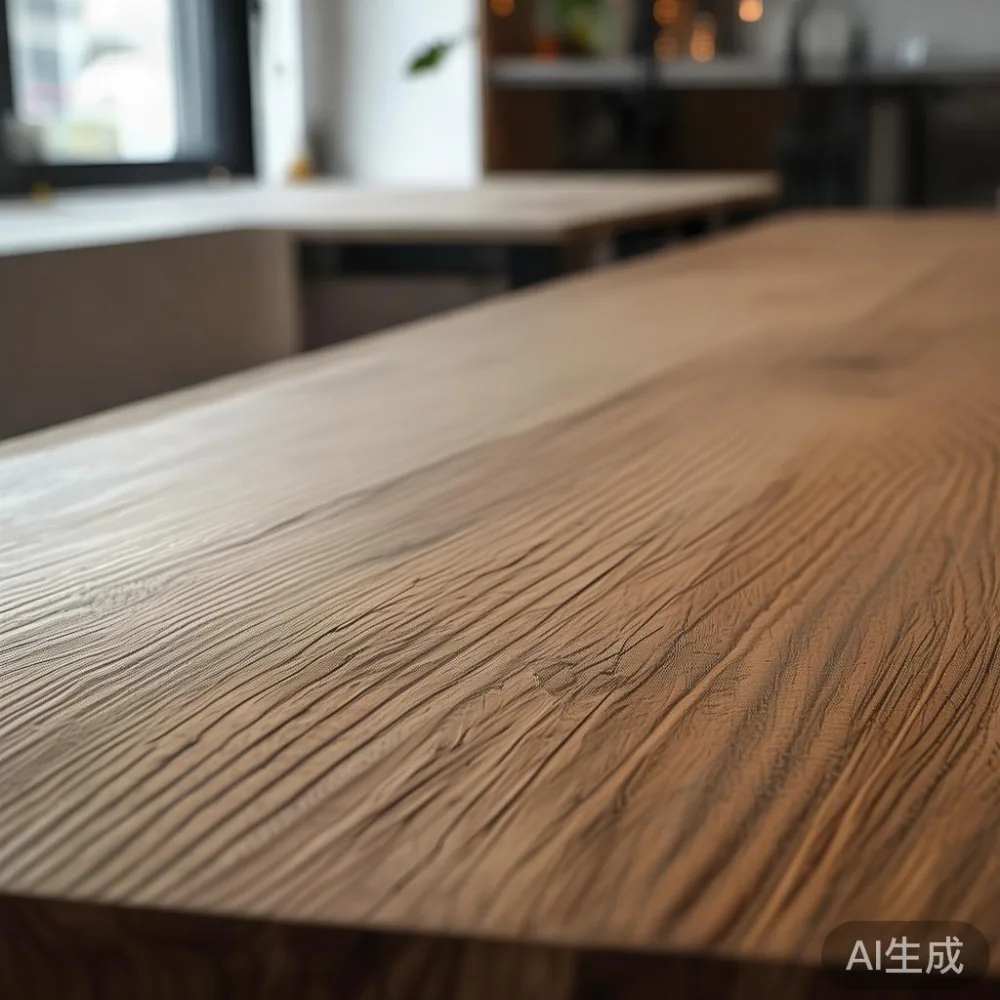
How do I choose a rattan furniture for a home office?
Pick a rattan piece with a tight, even weave, a kiln-dried hardwood inner frame, and armrests that sit between 63 cm and 68 cm from the floor so your forearms rest at a 90° angle when your feet are flat. For a 9 sqm HDB study or a 12 sqm condo spare room in Tampines or Bedok, a rattan chair around 60 cm wide and 55 cm deep slides under a 120 cm desk without crowding the doorway, which in most resale flats is only 80 cm to 90 cm wide. Skip the glossy honey finishes that yell "tropical resort" and look for natural, unbleached cane or a matte walnut stain that nods to the same warm minimal palette as the rest of the flat.
The lift, the corridor, the 14-day window — Singapore-specific constraints that shape your furniture list
Last month I visited a client in a Bedok 5-room flat on the 12th floor. The lift cabin was 1.1 m deep and 1.4 m wide, and the corridor outside the unit narrowed to about 1.2 m where it turned toward her door. That corridor width is the silent gatekeeper of every furniture purchase in Singapore. A 200 cm wardrobe will not make the turn; a 220 cm wardrobe definitely will not. A solid wood bed frame in king size (180 cm x 200 cm) usually ships in two cartons, each under 90 cm wide, so it climbs the lift cleanly. A dining table longer than 200 cm almost always has to be flat-packed with detachable legs, which is also the only way it fits through a fire-rated door that is typically 90 cm wide. When I specify furniture for HDB clients, I keep a ruler mentally taped to my wrist: anything deeper than 60 cm, wider than 90 cm, or longer than 200 cm needs a delivery conversation, not a casual online order. The same client ended up with a 180 cm walnut dining table that seats four comfortably and a 150 cm x 60 cm sideboard that doubles as a TV stand — both pieces fit the lift, the corridor, and the door on the first try.
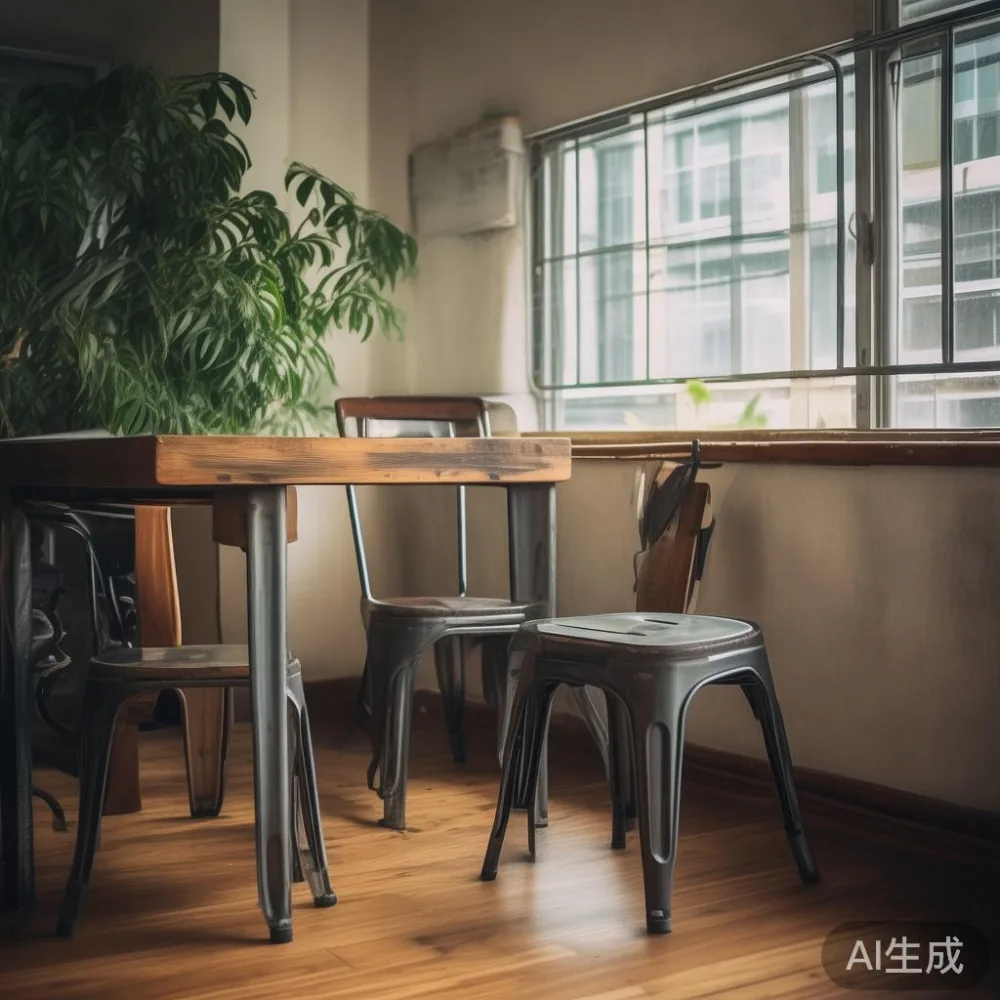
A concrete checklist: what to buy, in what size, and in what order
If you are starting from an empty flat, work room by room and buy from the biggest piece down to the smallest.
Living room. One sofa 200 cm to 230 cm wide for a 4-room flat, 240 cm to 280 cm for a 5-room or executive HDB. A solid wood sofa frame — meaning the internal structure is kiln-dried hardwood, not plywood — will outlast a fabric-only frame by a decade. Seat depth around 60 cm; seat height around 45 cm. In linen or boucle in oat, sand, or stone. Coffee table around 120 cm x 60 cm, walnut or oak with a black steel base, kept 35 cm to 45 cm away from the sofa edge so you can walk past without turning sideways.
Dining area. For a family of four in Tampines or Punggol, a 150 cm to 180 cm table seats four without an extension leaf; a 200 cm table seats six comfortably. Top thickness between 3.5 cm and 4.5 cm reads as substantial without feeling like a slab. Allow 90 cm of clearance from table edge to wall on every side, which means a 180 cm table needs a minimum 360 cm x 270 cm footprint. Add a bench on one side and chairs on the other if your dining zone is narrow — benches tuck under the table when not in use and reclaim 45 cm of walking space.
Bedroom. A queen (150 cm x 200 cm) bed frame suits most HDB master bedrooms, which run around 3.2 m x 3.4 m. Leave 60 cm to 70 cm on both sides and at the foot for wardrobe doors to swing open and for you to make the bed without bumping the nightstand. A king (180 cm x 200 cm) only fits if the room is at least 3.5 m x 3.6 m and you use a wardrobe with sliding doors rather than hinged ones. Two nightstands, each 45 cm to 55 cm wide and 50 cm to 60 cm tall, keep the bed visually anchored. One 3-door wardrobe 180 cm wide x 60 cm deep x 220 cm tall, in the same walnut tone as the bed frame, finishes the room.
Entry and balcony. A 100 cm to 120 cm console table against the longest wall gives you a surface for keys and a small ceramic bowl. For the balcony, something narrow and weather-aware — 60 cm to 75 cm deep — such as Japandi walnut balcony furniture, which blends pale wood lines with black metal accents and is narrow enough to clear the typical 80 cm sliding door track in newer Punggol and Sengkang BTOs.
The numbers that protect your wallet in Singapore
Budget honestly. A solid wood dining table in walnut from a Foshan workshop that has been exporting for 15+ years will land in Singapore between SGD 1,400 and SGD 2,800 for a 180 cm piece. A queen-size solid wood bed frame runs SGD 900 to SGD 1,800. A two- or three-seat solid wood sofa starts around SGD 2,200 and climbs past SGD 4,500 with performance fabric and down-blend cushions. A nightstand pair is usually SGD 350 to SGD 700. A marble table for the entry — small, 100 cm x 35 cm, sintered stone top on a steel base — sits between SGD 600 and SGD 1,200. Add GST at 9% on every line item, plus delivery fees of SGD 60 to SGD 120 per trip for door-to-door service. Free shipping above US$350 — about SGD 470 — usually clears that bar with one dining table or one bed frame order, which is why I tend to bundle. A 10-year structural warranty on frames and joinery is the floor I refuse to negotiate below; lifetime refinishing on solid wood tops is the sweetener that makes a piece worth keeping for 20 years instead of replacing it after five.
Mixing materials without losing the warm minimal thread
The whole project falls apart if the materials fight each other. Pick one warm wood (walnut is the easiest because it reads warm and a little luxurious against off-white walls) and one cool material (black powder-coated steel, brushed brass, or honed marble). Then let linen, boucle, or cotton carry the soft surfaces. Avoid more than three wood tones in one room — for Ren's flat, we used walnut on the dining table, the bed frame, and the sideboard, and oak on the floor, and stopped there. Adding teak on a chair or rosewood on a small cabinet would have introduced a third brown and the room would have started to look like a timber warehouse. One marble table, used sparingly — a lamp base, a small tray, or a console top — gives the eye a place to rest and reflects the afternoon light that Ren's Punggol flat gets from 2 pm to 5 pm. Steel frames should be matte, not glossy; matte steel reads as quiet architecture, glossy steel reads as gym equipment.
When to break your own rules
I told Ren one last thing before I left her flat. The warm minimal rule book is a starting point, not a contract. If she finds a French light luxury side chair in bouclé cream that she wants to keep for thirty years, she should buy it and let the rest of the room adapt. If she falls for a heavier industrial style bookcase in raw steel and reclaimed pine, she should measure the corridor twice and order it. The 9% GST, the lift cabin, the corridor turn, the 14-day return window — those are real constraints. The colour palette, the material count, the rule of three — those are suggestions. A home you actually live in will always beat a home that looks correct in photographs. MIDHILL's pieces, with their kiln-dried solid wood frames and quiet hardware, slip into this kind of interior without forcing you to redesign around them, which is the only reason I keep recommending them to friends who are renovating in Tampines and Bedok. And if a piece does not fit the lift, the corridor, or the door, no amount of style will save the delivery day.
Frequently asked questions from Singapore buyers
How long does delivery from a Foshan workshop to a Singapore HDB take? Standard sea freight with door-to-door clearing runs 25 to 40 days from order confirmation. Air-freight upgrade on smaller pieces cuts that to 10 to 14 days but roughly doubles the freight cost.
Will a king-size bed frame fit through an HDB door? Most king frames ship in two cartons under 95 cm wide and 30 cm deep, which clears a standard 90 cm HDB door and the 1.1 m lift cabin comfortably. Always confirm carton dimensions with the supplier before paying.
Is solid wood worth the price premium over plywood or MDF? For frames, bed rails, and dining table tops, yes — a kiln-dried hardwood frame can be refinished two or three times over 20 years. For wardrobe interiors and drawer boxes, plywood with a hardwood veneer is the more practical choice.
Can I refinish a walnut table if my toddler scratches it? A light sanding with 220-grit paper, followed by a coat of hardwax oil, usually restores a walnut surface in an afternoon. Most established Foshan workshops offer this as a paid service or, in some cases, a complimentary lifetime refinishing programme.
What is the safest wood finish for Singapore's humidity? Hardwax oil and matte polyurethane both handle 80% relative humidity well if the wood was kiln-dried to 8% to 10% moisture content before construction. Avoid high-gloss lacquers, which trap moisture and cloud within the first two monsoon seasons.