Humidity in Southeast Asia: How It Affects Industrial Style Solid Wood Furniture in Singapore Homes
I still remember the morning I walked into a 4-room HDB flat in Tampines with my tape measure, a small hygrometer, and a client who wanted an industrial style solid wood sofa and dining table set. The relative humidity inside the living room read 78%. Outside, it was 84%. That single number changed the entire conversation. Southeast Asian humidity rarely drops below 60% in coastal cities like Singapore, and indoor readings between 65% and 85% are routine from October to March. Furniture made from solid wood behaves very differently in those conditions than it does in a Beijing apartment or a London terrace. This article walks through what humidity actually does to industrial style pieces, how to plan around it for HDB and condo deliveries, and what questions to ask before you spend SGD 2,000 to SGD 12,000 on a piece that will live with you for the next ten to fifteen years.
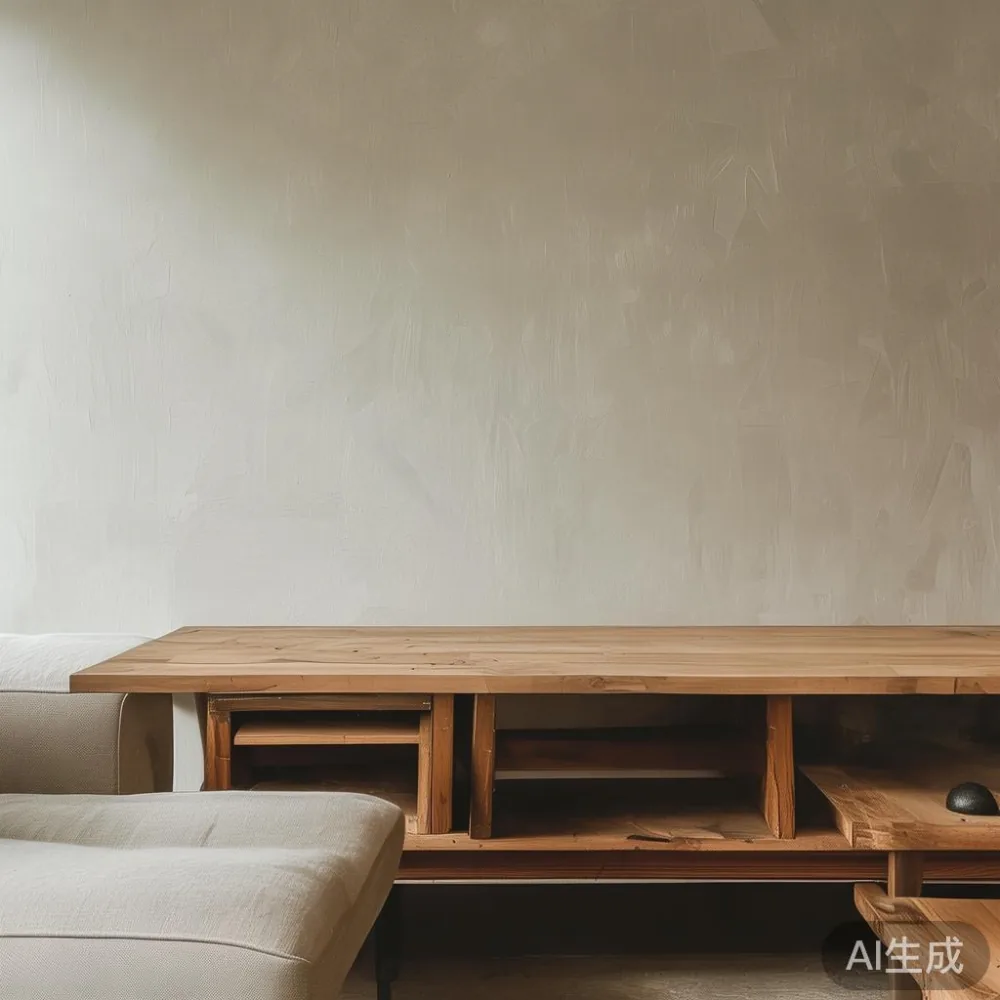
Why Singapore's Climate Is a Stress Test for Solid Wood
Singapore sits roughly one degree north of the equator. Average annual relative humidity hovers around 80%, and daily readings swing between 65% at 3pm on a sunny day and 90% during a thunderstorm at 11pm. For wood, that swing matters more than the average. Solid wood is hygroscopic: it absorbs and releases moisture until it reaches equilibrium with the surrounding air. When humidity rises, the cells swell; when it falls, they shrink. A 30cm wide oak plank can move 1.5 to 2.5mm across its width between dry and humid weeks. Multiply that across a 240cm dining table top and you have movement of 3 to 5mm at the seams.
Industrial style furniture leans heavily on oak, ash, and walnut, often paired with blackened steel frames and matte hardware. These open-grain hardwoods are stable compared to beech or rubberwood, but they still respond to moisture. The thicker the piece, the longer it takes to respond. A 4cm thick dining table top needs six to ten weeks to acclimatize to a new room. A 2cm thick nightstand top needs two to three weeks. That timeline matters when you are scheduling a delivery into a Punggol condo on the 28th floor, because the lift door is often only 90cm wide and the elevator car is 140cm deep, which forces a flat-pack delivery for most large tables.
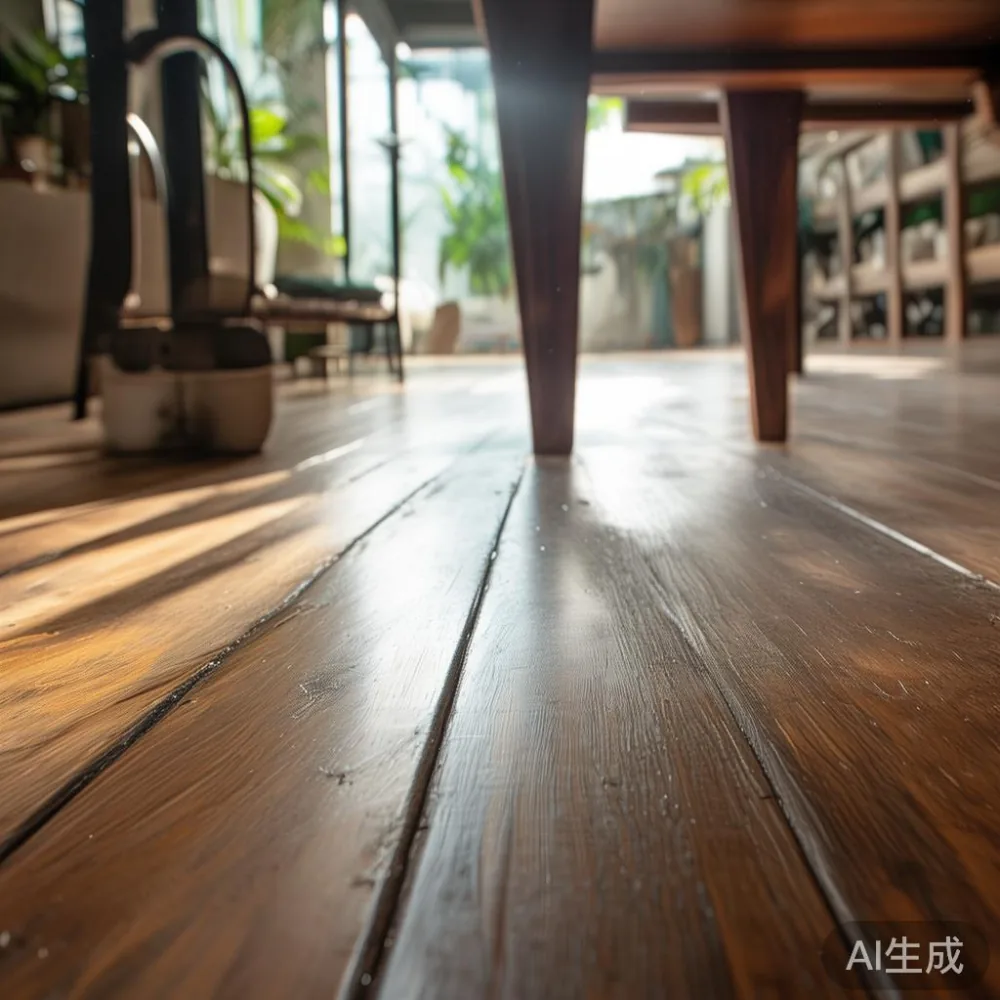
What Humidity Does to a Solid Wood Sofa, Bed Frame, and Dining Table
Last month I visited a Bedok resale flat where the owners had bought an industrial style solid wood sofa from a regional brand eight months earlier. The arms had bowed outward by about 4mm, and one of the armrest panels had developed a 2mm gap along the top rail. The frame was fine; the wood had simply found a new moisture balance after moving from a 60% factory floor to an 82% living room. That is normal behavior, not a defect. The fix was a 30-minute visit with a humidity meter, a dehumidifier recommendation, and a small wax fill on the visible gap.
Here is what to expect across the main categories in your home. A solid wood sofa with a 5cm thick oak base and arm panels will move seasonally, with micro-cracks appearing at joints during the dry weeks of February and July. A bed frame made from 4cm thick ash or walnut posts will stay flat if the slats are kiln-dried to 8 to 10% moisture content at the factory, but the headboard panel can cup slightly on the side facing your air-conditioner. A dining table top will show the most visible movement, especially if it is built from planks wider than 18cm. Wardrobes are the least sensitive because their panels are usually 1.8 to 2.2cm thick and are framed on all four sides, which holds movement in check. Nightstands, being small, acclimatize fast and rarely crack. The marble table pieces, often paired with industrial style black steel bases, are not affected by humidity at all, which is one reason designers in Singapore like to mix a stone surface into an all-wood room.
Is an American Bed Worth It in a Humid Climate?
This is a question I hear every week in our Tampines showroom. The short answer: an American-style bed frame built from kiln-dried ash or walnut, with mortise-and-tenon joinery and a slatted base, handles Singapore humidity very well. American light luxury bed frames typically use 4 to 5cm thick posts and a 2.5cm thick headboard panel, all dried to 8 to 10% moisture content. They are designed for variable climates across the US, from Florida to Minnesota, so they tolerate a 65% to 85% indoor humidity range without complaint. The thicker the post, the less visible the movement, because the moisture gradient inside the wood is gentler. The trade-off is weight: a queen-size frame weighs 55 to 75kg, which means you need two people for assembly and a clear corridor of at least 80cm to move it from the lift lobby into the bedroom. In most HDB and condo corridors, that is fine. In a narrow Bedok walk-up, it can be tight.
If you are comparing an American bed to a French bed, the difference shows up in proportion and timber choice. French provincial frames use more carved detail and often a softer wood like beech, which moves more in humid air. If you are weighing an American bed against an Italian light luxury frame, the Italian option usually features thinner panels, lacquered finishes, and a more post-modern light luxury silhouette, with movement controlled by the lacquer rather than by the wood itself. A lacquered finish slows moisture exchange by 40 to 60%, which reduces seasonal cupping but can trap moisture if the piece is delivered into a damp room before it has dried. For Singapore, the sweet spot is an American-style frame in kiln-dried ash, finished with a matte hardwax oil that breathes.
How Should You Acclimatize Furniture After Delivery?
The single biggest mistake I see is unboxing a flat-packed dining table in the living room and assembling it within twenty minutes. The cardboard has held the wood at factory moisture for days. The moment you open it, the wood starts exchanging with your room air. Let it sit for 72 hours in its packaging in the room where it will live. For larger pieces like a 240cm dining table or a queen bed frame, give it a full seven days if the piece was shipped from a warehouse where humidity was below 50%. Run the air-conditioner or a dehumidifier set to 55% relative humidity for those seven days. The factory target for kiln-dried furniture is 8 to 10% wood moisture content, which corresponds to roughly 50 to 55% indoor relative humidity. Singapore ambient air is 15 to 20 points wetter than that, so the wood will always want to gain a little moisture. Your job is to slow that gain, not stop it.
Keep pieces 20cm away from exterior walls during the first month. Tampines and Punggol flats with north-facing walls can run 3 to 5% higher in humidity than the room average, especially during the December monsoon surge. Keep pieces 30cm away from windows you open daily. Wipe up spills within 15 minutes; a puddle left overnight on an oak surface will raise the surface moisture by 4 to 6% and can lift the grain. Use coasters under anything wet or cold. Rotate accessories on dining tables every two weeks during the first three months so the wood tones evenly.
How Do You Pick a Wardrobe That Handles Singapore Air?
People often ask me how to choose Japandi wardrobe construction that survives a tropical climate, and the answer is simpler than the marketing suggests. Look for solid wood panels between 1.8 and 2.2cm thick, not 1.2cm. Look for kiln-drying stated at 8 to 10% moisture content, and ask the supplier for the measurement method. A pinless meter reading on the finished face is standard. Look for frames that use mortise-and-tenon or dowel joinery, not just glue and staples. Look for backs that are 0.8cm plywood panels set into a rabbet, not thin hardboard nailed on. For hardware, soft-close hinges rated for 100,000 cycles will outlast cheaper zinc hinges by five to seven years in humid air, where corrosion is constant.
For an industrial style Japandi wardrobe, blackened steel handles are popular. Ask whether they are powder-coated or oil-rubbed. Powder coating lasts 10+ years in coastal air; oil-rubbed bronze may patina faster. Inside the wardrobe, request cedar linings on the top shelf and on the back panel. Cedar is naturally resistant to humidity swings and absorbs odors. A 180cm wide, 220cm tall, 60cm deep wardrobe will weigh 110 to 140kg, so plan the delivery route. Measure your lift door (standard HDB is 90cm wide, 210cm tall) and your corridor turning radius (minimum 120cm for most HDB corridors). If the wardrobe arrives flat-packed in cartons no larger than 90 x 60 x 30cm, it will fit through any lift in Singapore. If it arrives fully assembled, you will need a 1.2m wide cargo lift, available in most newer Punggol and Bedok condos.
Will a French Provincial TV Console Cup in the Living Room?
French provincial TV consoles are usually built from beech or poplar, both of which move more in humid air than oak or ash. The curved aprons and cabriole legs of a French provincial style are gorgeous, but they are also the parts most likely to distort. If you love the look, the practical move is to choose a console with a marble top, which removes the biggest horizontal surface from the humidity equation entirely. A French provincial TV console paired with a 2cm Carrara or Volakas marble top weighs 60 to 80kg, so it is stable, but the marble top should be sealed on all six sides before delivery, because stone is porous and will pick up stains from humid air carrying dust and cooking aerosols. Expect to spend SGD 2,400 to SGD 4,200 for a 180cm French provincial TV console in solid beech with marble top, and SGD 1,200 to SGD 1,800 for the engineered-wood alternative, which moves less but does not age the same way.
Is a French Sofa Worth It in Singapore?
A French sofa in solid beech or walnut, with linen or boucle upholstery, handles Singapore about as well as any upholstered piece, because the frame is hidden. The risk is in the legs and the exposed arms. Beech legs will cup and check if the indoor humidity stays above 75% for months, which is exactly what happens in many HDB flats without daily air-conditioning. Walnut legs handle the humidity better, but they darken over time, which is part of the patina. If you want the French silhouette and Singapore-tough construction, ask for walnut legs finished with a marine-grade varnish, or for stainless steel legs in a brushed black finish. The cost runs SGD 3,800 to SGD 7,500 for a three-seater French sofa in solid walnut with performance linen, depending on fill (down-wrapped foam vs. all-foam) and frame thickness (5cm vs. 4cm). A 5cm frame adds about SGD 600 to SGD 900 to the price but lasts 12 to 15 years instead of 7 to 9.
Industrial style sofas in solid oak, by comparison, are heavier, more rectilinear, and often paired with full-aniline leather. The oak frame handles humidity well if kiln-dried, and the leather breathes with the room, which actually reduces moisture buildup inside the cushion foam. MIDHILL ships industrial style sofas with kiln-dried oak frames and full-grain leather upholstery, and they have seen very few humidity-related warranty claims over the past three years in Singapore, partly because the slats are 2.2cm thick and the joinery is double-doweled.
What About Delivery Costs, GST, and Warranty?
Most industrial style solid wood pieces made in Foshan ship by sea from Shenzhen or Guangzhou to Singapore in 14 to 21 days. Landed costs include 9% GST on the declared value, plus a SGD 80 to SGD 220 delivery fee for HDB ground-floor access, or SGD 180 to SGD 380 for condo deliveries requiring a booking system and a specific time slot. Lift access is included in most quotes; stair carry is an additional SGD 20 per floor after the second floor. A queen bed frame delivered to a Punggol condo on the 14th floor typically runs SGD 240 total, including GST and a 30-minute assembly by a two-person crew. A 240cm dining table in solid oak delivered flat-packed to a Tampines HDB runs SGD 180 to SGD 260, including GST. Free shipping thresholds vary by supplier, but for solid wood pieces they usually start at around SGD 480 and go up from there.
Warranty matters in humid air. Look for a minimum 5-year structural warranty on frames and joints, and a 2-year warranty on finishes and hardware. Ask whether refinishing is offered and what it costs. A full sand-and-refinish of a 240cm dining table top runs SGD 280 to SGD 450 in Singapore. MIDHILL offers a 10-year structural warranty on its solid wood pieces and lifetime refinishing for a small materials fee, which is unusual in this price tier and worth factoring into your decision. Returns within 14 days are standard for unopened flat-pack pieces, but assembled pieces usually carry a 15 to 25% restocking fee.
Five Quick Checks Before You Buy
First, ask for the factory kiln-dried moisture content reading, in writing, measured with a pinless meter on the finished face. The target is 8 to 10%. Second, ask what timber species is used in the structural frame, not just the visible panels. A beech frame under an oak veneer is a different product than a solid oak frame. Third, measure your lift door, your corridor width, and your bedroom doorway. Allow 10cm clearance on every side for safe maneuvering. Fourth, ask how the piece is finished. Matte hardwax oil breathes; polyurethane does not. For industrial style collections, hardwax oil is the more common choice because it preserves the open-grain texture. Fifth, run a dehumidifier set to 55% in the room where the piece will live for the first 30 days. The piece will thank you with a quieter first year and a longer life.
How Long Will Industrial Style Solid Wood Furniture Last in Singapore?
With reasonable care, a kiln-dried oak or ash industrial style dining table lasts 18 to 25 years in Singapore. A solid wood bed frame lasts 20 to 30 years, longer than most mattresses. A wardrobe lasts 25 to 35 years if the hinges are upgraded every 8 to 10 years. A solid wood sofa frame lasts 15 to 20 years; the upholstery usually gives out first, at 8 to 12 years. Marble tables last decades with minimal fuss. The pieces that fail early are the ones bought without checking the moisture content, delivered into a damp room, and placed against an exterior wall with no airflow. The pieces that thrive are the ones the buyer thought about for a week before clicking buy, measured their lift, ran a dehumidifier, and let the wood settle. The difference between the two outcomes is rarely the brand. It is the first 30 days.