Balancing Warmth and Simplicity: A Guide to Industrial Style Interiors
The Singapore home is a study in contrasts. We live in dense urban environments, from the narrow corridors of older HDB flats in Tampines to the more open-plan layouts of modern condos in Punggol. Yet, we crave a sanctuary that feels calm, uncluttered, and deeply personal. This desire has given rise to the warm minimal interior, a style that embraces clean lines and a neutral palette while incorporating natural textures and inviting materials. A key element of achieving this look is furniture, and for many, the industrial style provides the perfect foundation. It’s a language of raw honesty, celebrating materials like solid wood and metal, but it can feel cold if not approached correctly. This guide will show you how to master the industrial style, creating a home that is both sophisticated and soulfully warm.
Understanding the Core Principles of Warm Minimalism
Before selecting a single piece of furniture, it's important to understand the philosophy behind warm minimalism. This style is not about creating a sterile, empty space. Instead, it’s a thoughtful curation of items where every piece has a purpose and a story. The colour palette is typically grounded in soft neutrals—think warm greys, off-whites, and creamy beiges. These colours act as a canvas, allowing the textures and forms of the furniture to take centre stage. The warmth comes from the introduction of natural elements: the grain of a solid wood dining table, the soft pile of a wool rug, or the tactile feel of linen cushions. The goal is a space that feels open and airy, yet also grounded and welcoming. It’s a delicate balance, but one that is incredibly rewarding to achieve.
What is Industrial Style and How Does It Fit?
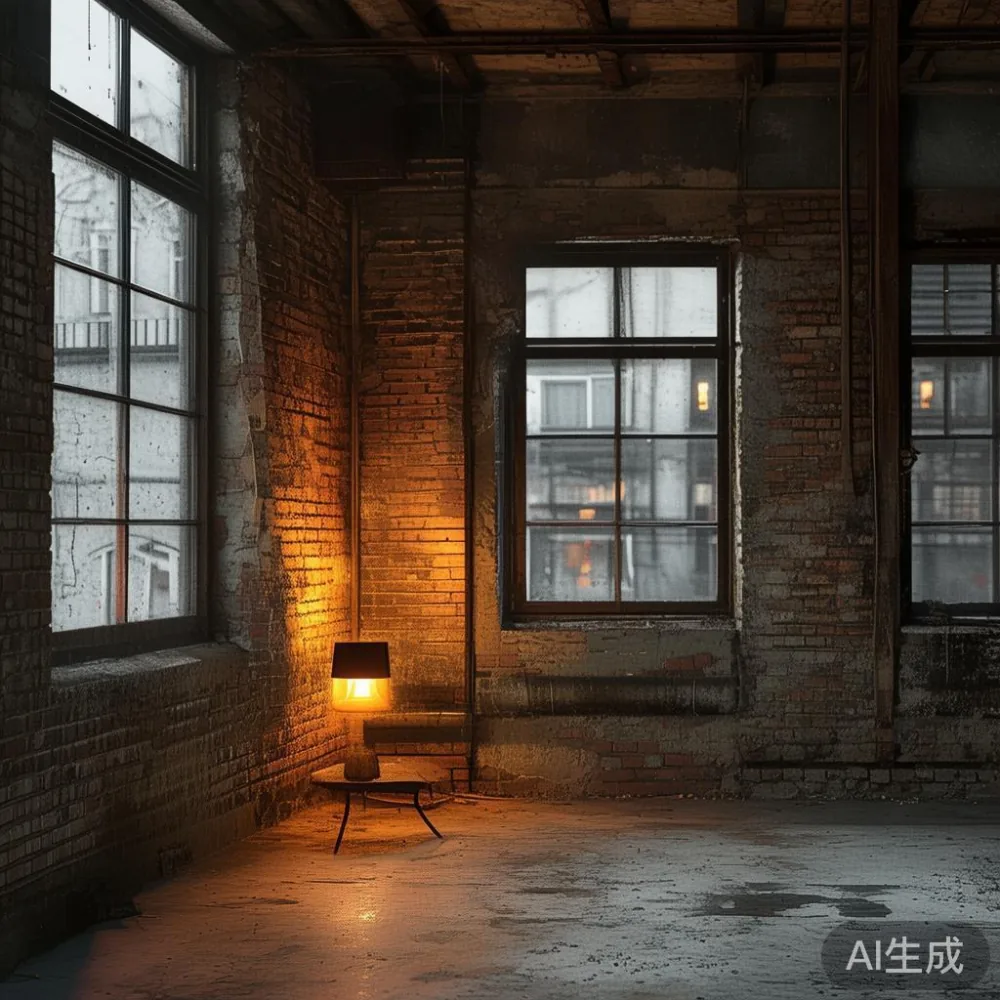
Industrial style draws inspiration from the lofts and warehouses of the early 20th century. It’s characterised by a raw, unfinished aesthetic that celebrates materials in their natural state. Think exposed brick walls, visible ductwork, and furniture made from reclaimed wood and iron. The key is honesty; the materials are not hidden but are celebrated for their inherent beauty and history. When applied to a warm minimalist interior, industrial style provides the structure and edginess that prevents the space from feeling too soft or saccharine. A solid wood sofa with a metal base, for example, can introduce an element of raw texture that grounds a room filled with soft fabrics and light colours. The industrial style is not the entire look, but rather a powerful accent that adds depth and character to a minimalist foundation.
Choosing the Right Industrial Furniture for Your Space
Selecting furniture for an industrial-style, warm minimalist home requires a careful eye for proportion, material, and finish. The scale of your furniture is paramount, especially in Singapore's living spaces. A standard HDB living room in an area like Bedok might measure around 3.6m x 4.8m, which is approximately 17.28 square metres. In a room of this size, a large, imposing sectional sofa would overwhelm the space. Instead, consider a more streamlined solid wood sofa measuring around 220cm in length. This provides ample seating without dominating the room. The same principle applies to the bedroom. A queen-size bed frame with a low, metal profile will make the room feel larger and more open than a tall, bulky wooden bed. Always measure your space, including the width of your lift or corridor, before making a purchase. For example, a wardrobe that is 240cm wide will not fit through a standard HDB lift which is typically 110cm wide. You must consider access from the moment of delivery.
How to Match a French Provincial Bed in a Modern Industrial Bedroom?
This is a question I get often from clients looking to blend styles. The key is to find common ground and use the industrial style as the unifying element. A French provincial bed, with its elegant curves, soft upholstery, and often light wood finish, can feel at odds with the rawness of industrial design. The solution is to anchor it within the room's industrial framework. Start with the bed frame itself. Instead of a traditional French frame, consider a platform bed made from dark, solid wood with clean, straight lines. This provides the warmth and texture of wood but in a more modern, minimalist form. Then, introduce a headboard that bridges the two styles. A simple, rectangular upholstered headboard in a warm linen or bouclé fabric adds the softness of French provincial style without the ornate details. The bedding is another opportunity to blend. Use crisp, white cotton sheets for a minimalist feel, but layer them with a chunky knit throw in a neutral oatmeal colour to add warmth and texture. The rest of the bedroom furniture should lean into the industrial style. A nightstand made from a slab of live-edge solid wood with a metal base would complement the bed frame perfectly. The effect is a bedroom that feels sophisticated and balanced, where the soft romance of the French provincial influence is harmoniously supported by the grounded, honest nature of industrial style.
Creating a Cohesive Living Room
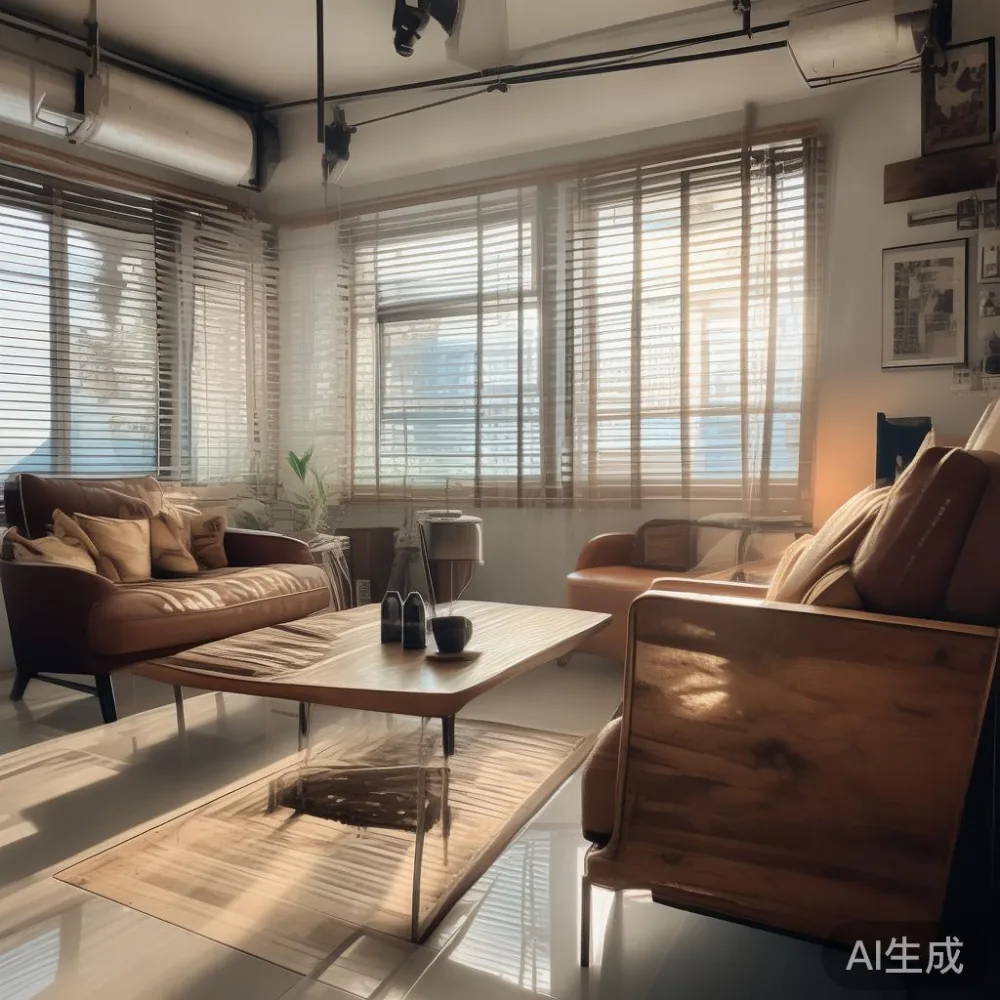
The living room is the heart of the home, and in a warm minimalist, industrial-style space, it needs to be both functional and inviting. The sofa is the anchor. A solid wood sofa with low, angled arms and a dark walnut finish provides a strong, architectural presence. Its clean lines align with the minimalist ethos, while the natural material adds warmth. To soften the look, surround it with plush cushions in a mix of textures—linen, velvet, and wool—in a palette of cream, charcoal, and terracotta. The coffee table is another key piece. A marble table top resting on a forged iron base is a classic industrial combination. The cool, smooth surface of the marble contrasts beautifully with the warmth of the sofa and the roughness of a nearby jute rug. For seating, consider a single, high-quality accent chair. A mid-century modern accent chair, with its organic curves and tapered legs, can add a touch of retro flair without disrupting the industrial-minimalist harmony. Choose one in a rich leather or a durable fabric in a deep, saturated colour like olive green or burnt orange to create a focal point. Lighting is important. A floor lamp with an exposed Edison bulb and a metal tripod base can cast a warm, ambient glow, perfect for reading or relaxing in the evening.
The Dining Room: Where Function Meets Form
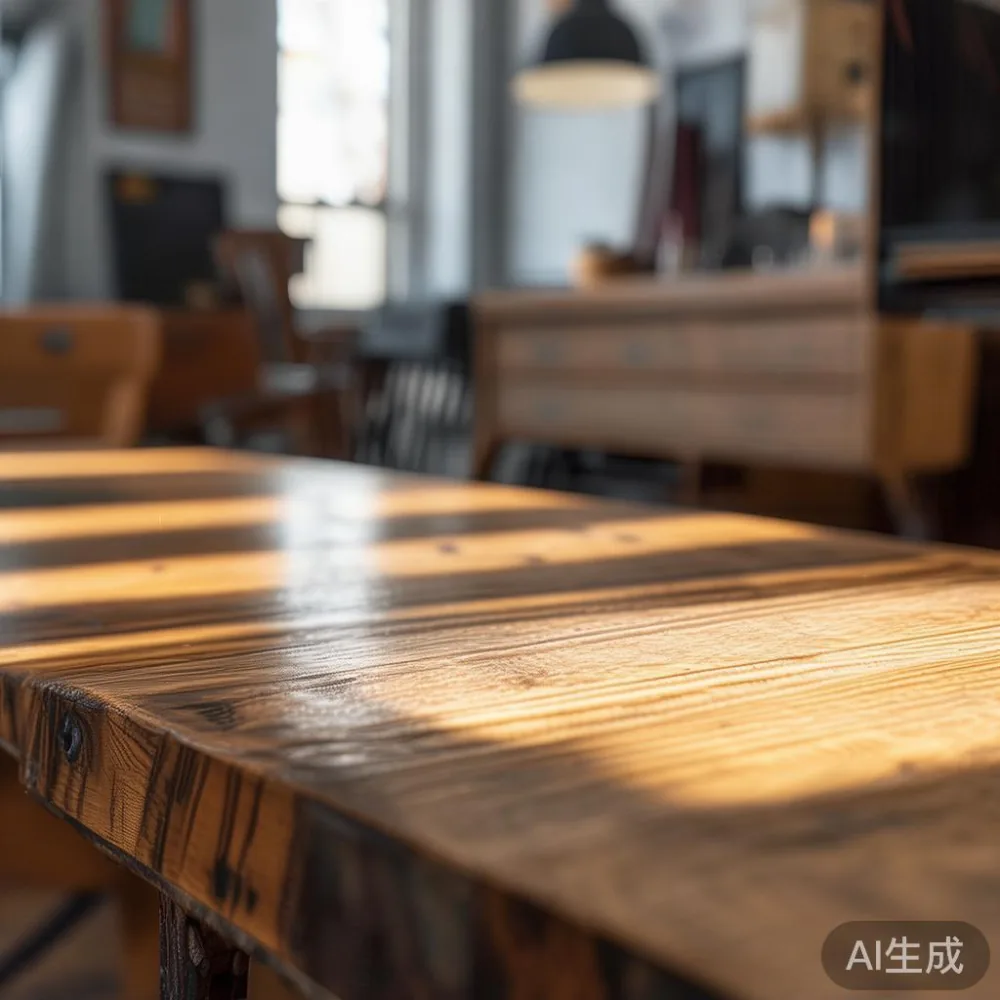
The dining room is a space for gathering, and its furniture should reflect both its social function and your design aesthetic. A solid wood dining table is the star of the show. For a family of four in a Singapore condo, a table measuring 180cm in length is a practical and comfortable size. Look for a table made from a single slab of wood, like oak or teak, to showcase the natural grain and knots. This raw, organic element is a perfect embodiment of the industrial style. The chairs should complement the table without matching it exactly. A mix of styles can work well. For instance, pair the solid wood table with chairs featuring metal frames and woven seats. The metal echoes the industrial theme, while the woven seats add a touch of natural texture and comfort. Alternatively, consider a set of chairs with simple, clean lines in a matte black finish. This creates a strong, graphic silhouette against the warmth of the table. Lighting is important here too. A pendant light with a cylindrical metal shade and a warm, dimmable bulb suspended directly over the table will create a welcoming and intimate atmosphere for family dinners or entertaining guests.
Storage Solutions: Beyond the Basics
In a minimalist home, storage is not an afterthought; it is an integral part of the design. Clutter is the enemy of minimalism, so your storage solutions must be both beautiful and highly functional. This is where the industrial style truly shines. A wardrobe is a significant piece of furniture, and choosing the right one is key. The best Nordic wardrobe for 2026, for example, often features a design that prioritises clean lines and natural materials, which aligns perfectly with our theme. Look for a wardrobe made from solid wood with a simple, straightforward silhouette. Instead of ornate handles, opt for minimalist push-to-open mechanisms or thin, linear metal pulls. The finish can be a natural wood tone to add warmth or a matte black to add a modern industrial edge. For smaller items, a chest of drawers made from reclaimed wood with visible metal hardware can add character to a bedroom or hallway. A nightstand with a single drawer provides a place to keep necessities out of sight while maintaining a clean surface. The key is to choose storage that you love, so you are motivated to keep it organised, thereby maintaining the calm, uncluttered feel of your minimalist home.
Integrating Light Luxury Elements
To move beyond a purely utilitarian industrial look and into a more refined, light luxury space, you need to introduce pieces with a higher level of craftsmanship and detail. This is about adding subtle touches of opulence, not overwhelming the space. American light luxury, for instance, often incorporates richer materials and more tailored silhouettes. Imagine a solid wood sofa with deep, button-tufted upholstery in a premium fabric like chenille or top-grain leather. The texture and quality of the material improves the piece from simple furniture to a statement of comfort and style. French light luxury is another avenue to explore. This style is characterised by elegant proportions and a focus on fine materials. A marble table in the living room, with its unique veining and cool, luxurious feel, is a perfect example. It introduces a sense of grandeur and permanence. Post-modern light luxury, on the other hand, plays with form and geometry. A side table with a sculptural base in brushed brass or a bookshelf with an asymmetrical design can add an element of artistic flair. The key is to use these pieces sparingly. One or two light luxury furniture items are enough to create a sense of curated luxury without compromising the minimalist principles of your space.
Practical Considerations for Singapore Homes
Living in Singapore means working through specific logistical and financial realities. When purchasing furniture, especially larger items like a wardrobe or a solid wood dining table, it's wise to factor in the Goods and Services Tax (GST), which is currently 9%. This is added to the final price, so ensure your budget accounts for it. Delivery is another critical factor. Many reputable brands offer free shipping over a certain purchase amount, for example, over SGD 1,500. This can be a significant saving. However, always confirm the delivery details. How many days will it take? Will the delivery team bring the item into your home and help with assembly? For a wardrobe that weighs over 80kg, this is a non-trivial task. Finally, consider the return policy. A 14-day return period gives you peace of mind. If a piece of furniture doesn't look right in your space or doesn't meet your expectations, you have a window to return it. Last month, I visited a client in a new Punggol condo. She had ordered a large online without seeing it in person. When it arrived, the scale was completely off for her open-plan living area. Fortunately, her retailer had a clear return policy, and she was able to exchange it for a more appropriately sized piece. This experience highlighted the importance of considering the practicalities of online furniture shopping in our local context.
Final Thoughts on Curating Your Industrial-Style Home
Creating a warm minimalist interior with an industrial style is a journey of personal expression. It’s about finding the perfect balance between raw and refined, simple and sophisticated. Start with a neutral base, then introduce furniture that tells a story through its materials and form. A solid wood sofa, a marble table, a well-crafted wardrobe—each piece contributes to the atmosphere. Remember to consider the scale of your furniture to your Singapore home, and don't shy away from mixing styles, like a European sofa vs a modern sofa, to create a unique look that is entirely your own. The industrial style provides a fantastic framework, but it is the thoughtful details and personal touches that will ultimately make your house a home. It’s about creating a space that is not only beautiful to look at but also a true reflection of who you are.