Industrial Style: Veneer vs Solid Wood: A 5-Year Cost Comparison for Singapore
Choosing furniture for a Singapore home involves more than comparing the purchase prices displayed in a showroom. A 160 cm dining table may fit neatly inside a lift at Tampines, but its weight can make installation difficult. A 210 cm wardrobe may suit the bedroom plan of a Punggol condo, yet the delivery route through a narrow corridor can affect the final bill. Material choice also changes maintenance, repair, and resale decisions across a 5-year ownership period.
This comparison examines veneer and solid wood using realistic Singapore use cases, including HDB flats and private condos in Tampines, Bedok, and Punggol. Prices are stated in SGD, with GST at 9% shown separately where relevant. The aim is not to label one material universally suitable. It is to calculate how a particular piece performs over 60 months.
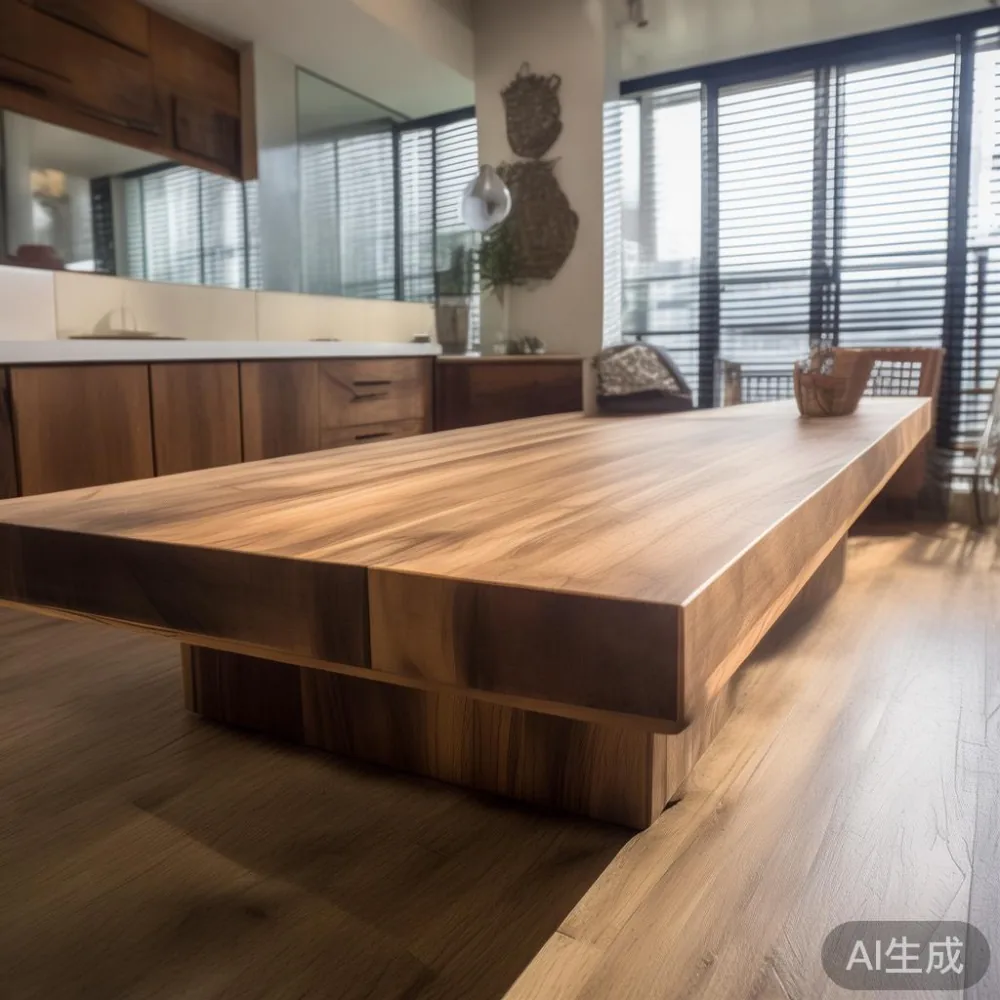
For industrial style homes, the structural differences matter. An industrial style solid wood dining table with exposed joints, a 45 cm deep metal frame, and visible timber grain creates a deliberate material story. A well-matched veneer table can also suit the same interior, provided the substrate, edges, and finish are specified clearly.

What is the difference between veneer and solid wood?
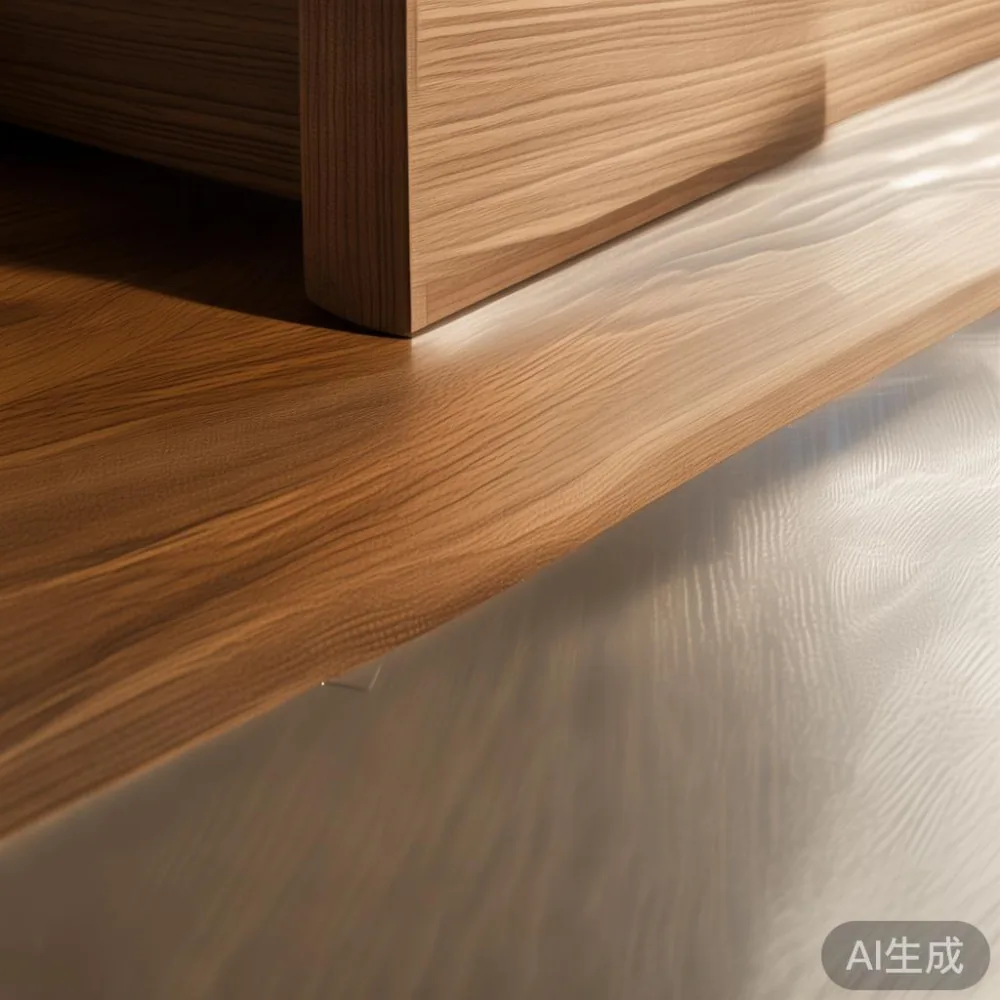
Veneer is a thin layer of real timber, commonly 0.6 mm to 1.2 mm thick, bonded to a manufactured core such as MDF or plywood. The visible surface is genuine wood, but most of the panel is not solid timber. Solid wood refers to structural and decorative timber used through the component, although a frame may include engineered elements for stability.
The distinction affects several measurable factors. A 200 cm by 90 cm solid oak dining table may weigh 68 kg, while a visually similar veneered table may weigh 42 kg. The latter can be easier for two delivery workers to guide through a 90 cm corridor and a lift measuring 110 cm by 140 cm. Weight alone does not determine quality, but it affects handling, installation, and replacement.
Finishes also behave differently. Solid wood expands and contracts as humidity changes, so a dining table may need re-oiling every 12 to 24 months. Veneer remains more dimensionally stable, though its edges and surface can chip if the furniture is dragged or struck. A 200 cm solid wood sofa may also require more attention around armrest wear than a high-grade plywood-and-veneer solid wood sofa with reinforced frames.
For wardrobes, the real question is what happens to the moving and storage parts. A 180 cm wide wardrobe in a 3.6 m wide Bedok bedroom might use 2 mm veneer over plywood in selected zones, but the drawer bases, hanging rails, hinges, and back panels still determine daily performance. A lightweight carcass can be easier to secure against a wall, while a heavier unit may have more resistance to movement.
What will a veneer dining table cost over 5 years?
A representative mid-range industrial style dining table measures 180 cm by 90 cm and seats six people. A veneered oak-look table with a metal frame may cost SGD 1,280 before GST, or SGD 1,395.20 after 9% GST. A comparable solid oak table may cost SGD 2,480 before GST, or SGD 2,703.20 with GST.
Over five years, the calculation includes maintenance, repair, and likely incident costs. Assume one household uses the table four nights per week, with 12 guests over the year, and that the dining room receives indirect daylight rather than direct afternoon sun.
For the veneer example, budget SGD 120 for one careful respray or veneer-edge repair in year 3, SGD 70 for hinge and hardware alignment in year 4, and SGD 45 for a protective felt-and-plastic floor pad replacement in year 5. Total maintenance and repair is SGD 235. The acquisition and ownership cost becomes SGD 1,630.20 after GST.
For the solid oak table, allow an annual oiling kit at SGD 35, plus SGD 90 in year 2 for a loose joint, SGD 65 in year 4 for drawer or extension alignment, and SGD 80 in year 5 for moving scratches. Total maintenance and repair is SGD 330. The five-year cost becomes SGD 3,033.20 after GST.
The difference is SGD 1,403. That is the point at which a solid wood dining table may justify its premium for a buyer who values repairability, deeper grain variation, and the ability to refinish the surface. A marble table follows another cost profile because the stone slab has separate weight, installation, and sealing considerations.
How much does a solid wood bed frame cost over 5 years?
A queen bed frame measuring 160 cm by 200 cm is a useful comparison for Bedok and Tampines HDB bedrooms. A veneered plywood bed frame with a slatted base may retail for SGD 980 before GST, or SGD 1,068.20 after GST. A solid wood version with a similar finish may retail for SGD 1,760 before GST, or SGD 1,918.40 with GST.
For the veneer bed frame, assume SGD 80 in year 2 for tightening or replacing centre support legs, SGD 65 in year 4 for adjusting a squeaking slat, and SGD 70 in year 5 for replacing one damaged slat. Its five-year maintenance and repair budget is SGD 215, giving a total cost of SGD 1,283.20.
For the solid wood bed frame, allocate SGD 50 for wax or oil in year 1, SGD 40 in year 3, and SGD 45 in year 5, adding SGD 135. Add SGD 100 in year 2 for a repair to one scuffed rail and SGD 60 in year 4 for stabilising a joint. The five-year expense is SGD 295, and total cost is SGD 2,213.40.
The solid option costs SGD 930.20 more across five years in this example. However, if the frame is moved twice, compare the actual effort rather than assuming the larger purchase price always produces a larger lifetime bill. For an HDB flat, a flat-pack or partly assembled veneer frame may reduce access charges. For a condo, a freight lift booking could remove an estimated SGD 120 handling charge from either quote.
Mattress compatibility can alter these figures. A rigid platform bed may suit a foam mattress, while a slatted base may require 3 cm clearance beneath the mattress. Check the frame dimensions against the lift opening, staircase turns, and bedroom door before ordering.
Is a solid wood wardrobe worth the extra cost?
A 200 cm wide wardrobe with a 60 cm depth and 220 cm height is common in Singapore bedrooms. A two-door oak veneer wardrobe on an engineered frame may cost SGD 1,480 before GST, or SGD 1,613.20 after GST. A solid wood version with similar storage may cost SGD 2,780 before GST, or SGD 3,030.20 with GST.
Budget for moving parts rather than treating the wardrobe as a passive object. In the veneer scenario, allow SGD 180 over five years for roller replacement, SGD 120 for hinge adjustment, and SGD 70 for edge repair. Total maintenance is SGD 370, producing a five-year cost of SGD 1,983.20.
For the solid wood wardrobe, allow SGD 220 for hinge and drawer maintenance, SGD 130 for refinishing a rubbed edge, and SGD 90 for a rail repair. Total maintenance is SGD 440, giving a five-year cost of SGD 3,470.20. The difference is SGD 1,487.
Space planning can change the result. HDB bedrooms often include built-in fixtures or sliding-room configurations, while a freestanding 200 cm wardrobe can block circulation. A 180 cm model may leave an extra 20 cm beside the bed, making it more usable even if its purchase price is lower. If there is no wardrobe later, a modular unit with replaceable panels may offer a better practical outcome.
When comparing European-inspired storage, the query “how to style European wardrobe in room” leads to useful checks: panel rhythm, handles, cornice profiles, and whether the proportions suit the bedroom. For a local condo, searching “how to choose American wardrobe” helps focus on hardware, internal divisions, and load ratings. A French light luxury wardrobe may use moulded details and brass-toned handles, while American light luxury tends toward wider profiles and cleaner utility.
One natural reference point is the MIDHILL light luxury wardrobe, whose material and finish decisions can be assessed against the same 60-month budget. A light-luxury label does not remove the need to inspect the core, drawers, rails, back panel, and delivery route.
How do veneer and solid wood nightstands perform?
A 50 cm wide by 40 cm deep industrial style nightstand with one drawer is a manageable comparison. The veneered version may cost SGD 320 before GST, or SGD 348.80 after GST. The solid wood version may cost SGD 520 before GST, or SGD 566.80 with GST.
For the veneer nightstand, assume a replacement runner in year 2 at SGD 30, edge touch-up in year 3 at SGD 25, and a wall restraint in year 5 at SGD 12. Total repair cost is SGD 67, making the five-year total SGD 415.80.
For the solid wood nightstand, assume one oiling session at SGD 18 in year 2, another at SGD 18 in year 4, and SGD 20 for fixing a drawer runner. Total maintenance is SGD 56, giving a five-year total of SGD 622.80. The difference is SGD 207.
These are small absolute numbers, but a nightstand sits beside the bed where knocks and spills occur. The solid wood version can tolerate localised sanding and refinishing if the finish is compatible. Veneer repairs require matching the grain direction, colour, and sheen. Neither repair should be assumed to be invisible.
For shoppers studying top 10 Japandi furniture lists, the relevant issue is often the wood finish. Japandi rooms use pale oak, walnut, and restrained hardware, which can reveal veneer repetition if a large surface uses mirrored sheets. Ask the supplier to show the full door or tabletop layout, including book-matched panels. For a poster-style Mid-century modern for apartment layout, pair a 50 cm nightstand with a 120 cm sofa without crowding a 300 cm living-room wall.
What about a solid wood sofa and marble table?
A 210 cm three-seat solid wood sofa can combine a timber frame, upholstered cushions, and a finished timber surround. A comparable design may cost SGD 3,280 before GST, or SGD 3,575.20 after GST. Over five years, budget for 2 upholstered cushion replacements at SGD 220 each, SGD 90 for joint inspection, and SGD 65 for floor-protector changes. The estimated total is SGD 4,170.20.
A fabric sofa on an engineered frame may cost SGD 2,080 before GST, or SGD 2,267.20 after GST. Add SGD 280 for one cushion replacement, SGD 70 for frame adjustment, and SGD 50 for floor-protector changes. Its five-year total is SGD 2,667.20. The difference is SGD 1,503, although the timber surround may limit how much of the frame can actually be refinished.
A 120 cm marble table with a metal base introduces a separate issue. A 25 kg marble slab may need two installers, a lift reservation, and protection during movement. Allow SGD 180 for delivery and installation in a standard Singapore building, plus SGD 120 for sealing every 24 months. By year 5, maintenance could reach SGD 360, excluding chipping, which is not a routine maintenance item.
This is why a marble table should not be compared only with a wood table by timber volume. Its five-year cost may include specialist handling, while a solid wood piece can be refinished. The stone also brings a distinct post-modern light luxury presence often used with industrial style steel frames.
How much should you budget for delivery in Singapore?
Delivery can narrow or widen the veneer-solid wood gap. For a Tampines HDB flat with stairs and no convenient lift, a 68 kg solid oak dining table may attract an additional SGD 150 stair-handling charge. A 42 kg veneer table may attract SGD 90. Confirm whether the quoted price includes carrying to the lift only or delivery into the bedroom.
Condo freight lifts may require a 3-day advance booking and a SGD 80 to SGD 150 service charge. Protect common-area floors with cardboard, foam, and a protective mat. Measure the lift car, corridor turns, and door openings. A table that fits diagonally in the lift still needs at least 10 cm clearance for the workers’ hands and lifting straps.
For a Punggol home with a wide passenger lift, a 210 cm table top may fit vertically, but a 230 cm solid wood dining table may not. Ask MIDHILL for the packed dimensions rather than relying on assembled dimensions. Delivery normally takes 7 to 14 production days after confirmation, followed by 2 to 5 days for stock Singapore delivery. Remote areas may take 4 to 7 days. Delivery over US$350 is stated as free, but the final Singapore quotation should still state whether lift, stairs, and assembly are included.
MIDHILL was established in 2008 and exports to more than 15 countries. Its 10-year structural warranty and lifetime refinishing policy can reduce uncertainty around a solid wood purchase, although the warranty scope should be checked for moving components, upholstery, marble, and finish exclusions. A 14-day return window is useful for checking colour and fit, but return freight, assembly, and certain made-to-order items may carry conditions.
Which material has the lower 5-year cost for Singapore homes?
The examples show that veneer generally has the lower purchase and five-year cost. A veneered dining table reached SGD 1,630.20 over five years, compared with SGD 3,033.20 for solid oak. A veneered bed frame reached SGD 1,283.20, compared with SGD 2,213.40. The wardrobe gap was SGD 1,983.20 against SGD 3,470.20, and the nightstand gap was SGD 415.80 against SGD 622.80.
Solid wood becomes easier to justify when the piece is central to the room, visible from several angles, expected to remain for more than five years, or likely to be moved and repaired. It can also be refinished when a veneer edge is exposed. The saving from refinishing one solid wood dining table might be SGD 350, compared with SGD 220 for veneer-edge work, but repair quality and colour matching still affect results.
Last month I visited my colleague’s 3-room Bedok HDB flat after she had replaced a water-marked veneer dining top. The replacement had taken 9 working days from approval and cost SGD 185, including delivery within the flat. The new panel was close enough in colour for daily use, although the grain did not continue perfectly through the joint. Her solid wood side table had two small scars from a moving trolley; an oil-and-wax treatment made them far less visible. That visit reinforced a practical point: veneer is often the economical choice, while solid wood offers more freedom when local damage needs to be handled.
For an industrial style interior, specify the construction before focusing on the label. For solid wood, ask about timber species, moisture treatment, joint method, finish thickness, and the expected movement range. For veneer, ask for the veneer thickness, core material, back-panel construction, edge treatment, and whether the pattern repeats. On every large panel, request a photograph under daylight.
A sensible Singapore plan is to reserve solid wood for the main dining table, bed frame, or wardrobe when the budget allows, and use properly specified veneer for secondary pieces such as a nightstand. Add 10% to the five-year maintenance figures for a busy household with children or frequent moving. GST should be calculated at 9%, delivery access should be measured before purchase, and any warranty should be read alongside the finish and component definitions.
Over 60 months, veneer usually produces the lower total cost. Solid wood costs more but can offer a different repair and refinishing pathway. For many HDB flats and condos, the right decision depends less on abstract material purity and more on dimensions, daily use, access constraints, and the number of visible edges in the room.