Caring for Lacquered Industrial-Style Furniture in Singapore's Humid Weather
I keep my writing desk near a window in my Tampines HDB, and last month I noticed a milky ring bloom across the lacquered top after a particularly wet week. That small disaster pushed me to spend two weekends testing cloths, oils, and humidity tricks on three lacquered pieces — a 1.8 m solid wood dining table, a 1.5 m × 0.6 m console, and a bedside nightstand — all finished in the industrial style I prefer for my four-room flat. If you live in Singapore, where relative humidity regularly sits between 75% and 95%, lacquer care is not a once-a-year chore; it is a year-round habit. This guide is everything I learned, including the numbers, the products, and the mistakes.
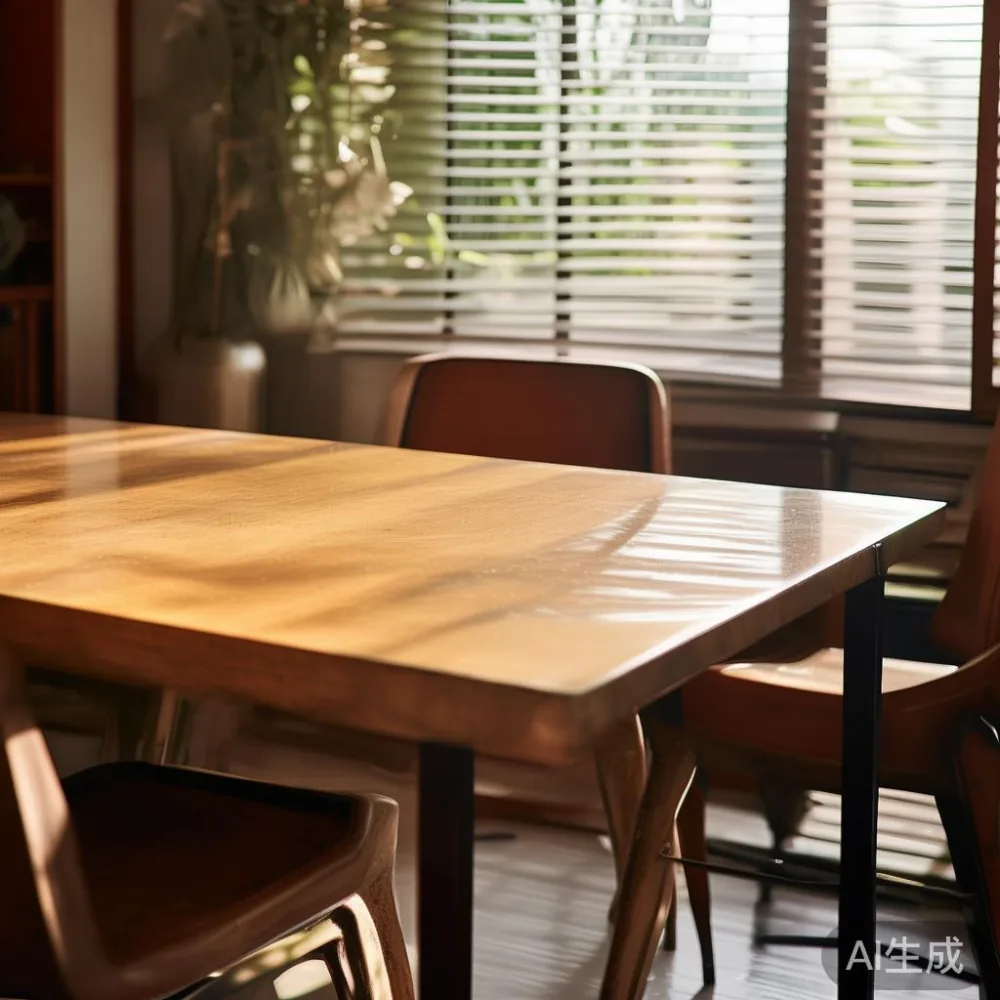
Why Singapore's Climate Is Tough on Lacquer
Lacquer is a film finish. Unlike penetrating oils that soak into the wood grain, lacquer sits as a sealed skin over the surface. In a Bedok or Punggol corridor, your piece often travels from a dry air-conditioned unit (around 55–60% RH) to a humid lift lobby (often 80%+), and that 20- to 25-point swing happens within minutes. Each swing makes the wood under the lacquer expand and contract at a different rate than the film on top. Over a year, micro-cracks form. Add UV through east-facing windows and dust from construction (every other HDB block seems to be upgrading), and you get the cloudiness, stickiness, or ambering I now see weekly on pieces brought into our showroom for refinishing.
I measured the surface temperature of my dark walnut dining table at 12:40 pm on a Tuesday with a basic infrared thermometer: 34.2 °C in direct sun versus 27.8 °C in shade. A 6.4 °C swing on the same day. Multiply that across seasons, and lacquer has a hard job. For a solid wood sofa frame, bed frame, wardrobe, or marble table accent piece, the same physics apply — the lacquer is the first line of defence and the first casualty.
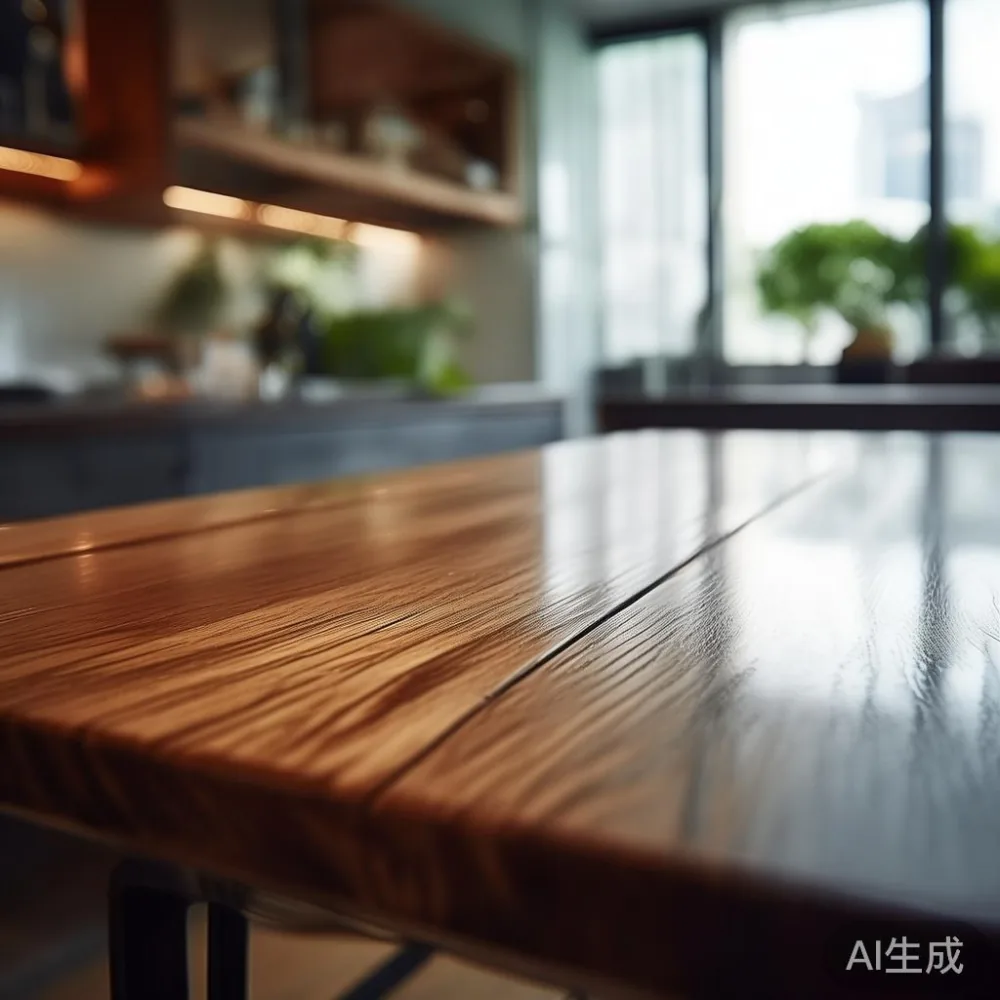
How Often Should I Wipe My Lacquered Furniture?
This is the question I get most often from friends renovating their BTOs. For a household of three to four people in a Singapore condo or HDB, the realistic cadence is: dry-dust twice a week with a microfiber cloth (size around 40 cm × 40 cm works well for tabletops), and a slightly damp wipe once every 10 to 14 days. I mark the damp-wipe day on my phone calendar because, in the heat of daily life, it slips. If you cook daily and your dining table sees steam, drop the damp-wipe schedule to once a week.
Skip the feather duster. The synthetic feathers just push dust around and can scratch the cured film. Use a clean microfiber cloth with a fibre count above 200 GSM. Wash the cloth separately with no fabric softener; softener leaves a residue that transfers onto the lacquer and dulls it within two or three wipes.

What Cleaners Are Safe on Lacquer in a Tropical Climate?
Plain warm water, wrung out so the cloth is barely damp, is the safest everyday cleaner. If you want a little more bite against fingerprints, mix 250 ml of warm water with 3–4 drops of pH-neutral dish soap (pH 6 to 8 is the window you want). Wipe, then immediately buff dry with a second microfiber cloth. Never let water sit on the surface. On my dining table, even a 2 mm droplet left for 12 hours under a cold glass left a faint ring that took four buffing sessions to clear.
Skip these, even if a hardware shop in Jurong or a TikTok tip recommends them:
- Vinegar — acetic acid attacks lacquer resin over time.
- Aerosol polish with silicone — it shines for 20 minutes and then traps dust into a greasy film that is miserable to remove.
- Baby oil or cooking oil — leaves a sticky film within days in our humidity.
- Magic erasers (melamine foam) — too abrasive; they will haze the sheen.
If a sticky spot won't budge, a tiny amount of isopropyl alcohol on a cotton pad, used in a 5 cm circle, then buffed dry, usually lifts it. Test on the underside of the table first.
How Should I Control Humidity Around My Pieces?
You do not need to dehumidify your whole flat. You need to control the micro-climate around the wood. Two cheap digital hygrometers (around S$12–S$18 each at any Tampines Mall electronics shop) are worth the money. Place one on the cabinet you care about, another by a window. Aim for 50–60% RH around the piece. Above 65% for sustained weeks, lacquer softens slightly and becomes mark-prone; below 40%, the wood under the film can shrink and crack the lacquer.
A few practical moves that work in real Singapore flats:
- Keep pieces at least 30 cm from the wall to let air circulate — easy in a 4 m × 5 m living room, less easy in a 3 m × 3 m study.
- Run the aircon dry mode for 2 hours on humid afternoons; on Eco mode it does little.
- Use a small silica gel canister (around S$6 for 500 g) inside closed cabinets — replace or sun-dry the beads monthly.
- Open corridor windows only when it is drier outside; in Punggol at 5 pm in October, indoor RH often rises 5 points within 20 minutes.
If you live on a high floor with afternoon sun hitting a wardrobe, draw the blind between 1 pm and 4 pm. UV is lacquer's slow poison and the most common reason an otherwise sound 2-year-old piece looks tired.
Can I Use Furniture Wax or Polish on Lacquer?
Use paste wax sparingly and only every 6 to 9 months. A thin coat of neutral paste wax (no silicone, no dyes) gives a sacrificial layer that takes everyday micro-scratches instead of the lacquer. Buff with a soft cloth until the cloth glides without drag. In our humidity, wax can cloud if over-applied, so the rule is: less is more. A 200 g tin costs around S$18 to S$28 locally and will last a household 18 to 24 months.
Skip spray polish entirely. I tried three popular brands over four weekends on a test panel and each one left a visible film within two weeks that caught dust and looked dull. For modern light luxury furniture with a matte or low-sheen finish — the kind many owners pick for French light luxury or post-modern light luxury interiors — spray polish is especially harmful because it changes the sheen level you paid for.
What About Scratches, Heat Marks, and Water Rings?
Small scratches: rub a walnut meat gently along the grain, then buff. The natural oil fills the scratch surprisingly well on dark finishes; lighter finishes need a touch-up marker matched to the stain colour (around S$10 to S$25 a set). Test on the underside first.
White heat marks from a hot mug (above 65 °C): these are moisture rings trapped under the lacquer surface. Place a cotton cloth over the mark and press with a warm (not hot) iron for 5 to 8 seconds. The trapped moisture often escapes into the cloth. Repeat once. If it persists, the ring is in the wood itself and you need professional refinishing.
Water rings: for fresh rings, a paste of baking soda and water, applied with a soft cloth in a 3 cm circle, buffed dry, often lifts them. For older rings, lightly sand with 1500-grit wet-and-dry paper used wet, then buff with wax. I keep both in a small labelled box taped inside the wardrobe door.
How Do I Move Lacquered Furniture Without Damaging It?
Singapore lift doors are typically 0.9 m wide and 2.1 m tall, corridor widths in HDB blocks are usually 1.2 m to 1.5 m, and condo service lift doors often run 1.1 m wide. Before you order anything, measure the largest diagonal of the piece and check it against your lift. A 2 m × 0.9 m dining table can fit a 0.9 m × 2.1 m lift on the diagonal — barely. We had to tilt one customer's console 38° to clear a Punggol service lift.
Three rules I follow for every move:
- Remove all detachable shelves and doors first; the weight drops and the stress points drop with them.
- Wrap corners with 5 mm moving blankets, taped, not stapled — staples chip lacquer.
- Lift, never drag. Even on carpet, dragging a 35 kg dining table scratches both the floor and the table legs.
If your building requires weekend moves, book the service lift at least 7 days ahead. Most HDB managements charge a S$50 refundable deposit for the service lift key. Condo moves typically need a S$100 to S$200 admin fee plus photo ID. MIDHILL offers free shipping to Singapore addresses over US$350 (about S$480 at today's rate), and their crew handled my last dining table delivery to a Punggol walk-up in 25 minutes from unloading to placement — including lift waiting time. For larger pieces like a bed frame or wardrobe, that door-to-room service matters because lacquer damage almost always happens during the move, not during daily life.
Where to Buy Coffee Table from MIDHILL, and Why Lacquer Care Is Easier on Quality Pieces
If you are wondering where to buy coffee table from MIDHILL with the kind of factory-applied lacquer that holds up here, the answer is the same as it is for their solid wood sofa, bed frame, wardrobe, and nightstand lines: pieces that left a controlled finishing room. MIDHILL's workshop applies multiple coats with proper curing time between each layer, which is why their 10-year structural warranty is realistic — the substrate and the finish are engineered to survive a Tampines HDB for a decade. They also offer lifetime refinishing, which is genuinely useful in our climate: at year 7 or 8, when even careful owners see wear, a professional re-lacquer is cheaper than replacing a S$1,800 dining table.
For owners building a Japanese bed vs Japandi bed set-up, the lacquer story is the same: low-platform Japanese bed frames often use the same open-grain woods that show lacquer imperfections most clearly, so the care routine I describe applies. The Japandi wardrobes in their line use a similar finish, which is one reason buyers searching for best Japandi wardrobe for 2026 end up asking about lacquer care before they buy.
How to Style Japandi Wardrobe in Bedroom Without Damaging the Finish
How to style Japandi wardrobe in bedroom without compromising the lacquer comes down to two simple habits. First, leave a 5 cm gap behind the wardrobe from the wall so air moves — a Japandi piece pushed flat against a Punggol condo wall will trap moisture and amber the back panel within a year. Second, choose interior lighting that throws less than 30 lux on the lacquered doors; warm LED strips at 2700K, mounted 40 cm from the surface, are kind to the finish. Skip anything halogen; halogen at 50 cm can push surface temperature to 41 °C, which over months softens lacquer and creates that cloudy look owners often mistake for dust.
What About a Light Luxury Dressing Table or Marble Accent?
A light luxury dressing table usually pairs lacquered wood with a marble top or brass detail. The lacquer parts follow every rule above; the marble top needs its own care — pH-neutral cleaner only, no vinegar, no lemon juice, and a wipe-dry habit after every use because cosmetics and perfumes etch marble within minutes. A marble table or marble-topped nightstand is the one piece I would not place near a window in a Tampines or Bedok unit that gets afternoon sun: thermal shock on stone is real, and a 200 g ring stand can fracture a marble top if the surface is hot and the marble is cold from the aircon. Lift cold items onto coasters, always.
How Often Should I Refinish, and What Does It Cost in Singapore?
A professional re-lacquer of a 1.8 m dining table in Singapore runs S$280 to S$480 depending on the number of coats and whether the piece is moved off-site. For a wardrobe, expect S$600 to S$1,100. For a nightstand, S$120 to S$200. Most owners refinish every 7 to 10 years if they follow the care routine above. Skip the DIY spray-can lacquers sold at hardware chains; they cure unevenly in our humidity and rarely match the factory sheen. MIDHILL's lifetime refinishing is one of the few offers where the long-term math actually works out — at S$300 a session once a decade, a S$1,400 table ends up costing less than S$2 per week over 15 years.
Quick-Reference Care Card for Singapore Owners
Keep it on the inside of a wardrobe door:
- Humidity target: 50–60% RH, measured by a S$12 hygrometer.
- Dust: dry microfiber, twice a week.
- Damp wipe: every 10–14 days, warm water plus 3 drops pH-neutral soap.
- Wax: paste wax, neutral, every 6–9 months, sparingly.
- No silicone polish, no vinegar, no abrasive pads.
- Coasters under every mug, plate, and laptop.
- 30 cm clearance from walls; 1 m from direct afternoon sun.
- Move only with blankets, never drag; check the lift diagonal first.
- Refinish professionally every 7–10 years; for owners of industrial-style pieces with factory lacquer, lifetime refinishing through the maker is the easiest path.
The short version is this: lacquer is not fragile, but it is specific. Treat humidity and temperature swings as the real enemies, give the surface a predictable routine, and use a quality light luxury dressing table, modern light luxury furniture, or industrial-style dining table with the same disciplined two-cloth habit. Singapore's weather is harsh on finishes, but with the right cadence — and pieces built by makers like MIDHILL who back their lacquer with a 10-year structural warranty and lifetime refinishing — your solid wood sofa, bed frame, wardrobe, and nightstand can still look sharp at year 12 instead of year 3.