Industrial Sofa Selection: Key Factors to Consider
Sometimes a sofa arrives looking perfect in a showroom, yet nobody can comfortably sit on it. The seat may be too high, the cushions may slide, the armrests may occupy too much room, or the frame may not suit the proportions of your home. In Singapore, where many residents live in HDB flats and condos around Tampines, Bedok and Punggol, a sofa must be measured, tried and planned for before it enters the building.
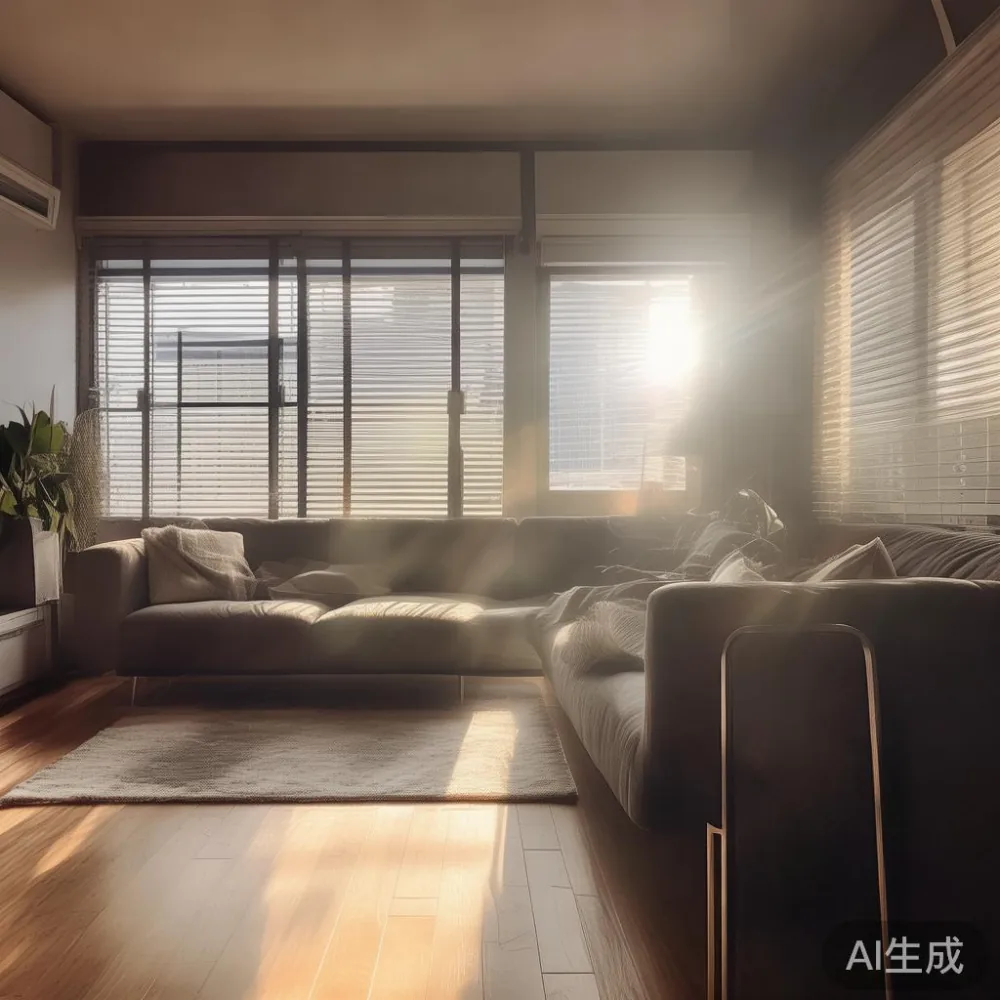
This guide explains what to check before buying a sofa you cannot sit on, with particular attention to lift access, corridor turns, stairwells, room layouts and the practical differences between styles and functions. It also considers how an industrial style solid wood sofa can work in a compact urban home, how French or American light luxury influences affect comfort, and why measurements are more useful than a photograph.
Remember that furniture sizes are often shown without the context of a real room. A 220 cm sofa may look generous in a showroom, while a 198 cm corridor can make delivery impossible without a turning procedure. Likewise, a low seat may appear sculptural but become uncomfortable for taller users. Confirming the details before payment protects both your comfort and your delivery budget.

What should you check before buying a sofa you cannot sit on?
The first check is simple: can everyone who will use the sofa sit comfortably? Start with seat height, depth and angle. A usable seat height for adults is generally 40–45 cm, although personal preference matters. A very low design at 36–39 cm may suit someone who likes a relaxed, reclined posture but can be difficult for older adults to rise from.
Measure the internal seat depth, not the total sofa depth. A usable depth of 52–58 cm allows an adult to sit without pressing against the front edge. Back cushions should support the lower back, and the seat should not sag after several minutes of use. Before ordering, sit on the sofa for at least 10 minutes in the position you normally use. Check whether your knees remain at roughly 90 degrees, whether your shoulders feel supported and whether you can stand up without using the armrests.

Check the armrest height as well. An armrest at 58–64 cm can support the forearm, while an unusually broad arm can reduce usable seating width. Also test the gap between cushions. A narrow gap of 2–4 cm is practical; a large gap may make a two-seat sofa feel like two separate chairs.
How do you measure a sofa before it reaches your Singapore home?
Measure the sofa at its widest points, including armrests and feet. Record the width, depth and height, plus the diagonal if it must turn in a tight corridor. A common mistake is to measure only the lift door. You also need the lift car dimensions, the landing area and the distance from the lift to your front door.
In many HDB blocks, a service lift opening may be around 90–110 cm wide, with an internal car around 140–160 cm deep. Condo lifts can be larger, but access routes may include glass doors, narrow corridors or security-gated sections. Ask the building management for the actual lift dimensions and whether reservations or protective floor coverings are required.
Do not assume a sofa will fit if it is slightly narrower than the opening. Diagonal geometry matters. A 210 cm wide sofa can sometimes pass through a 95 cm opening when turned on its side, but thick seat cushions, wooden feet and fixed arms can prevent that manoeuvre. Photograph the route, measure turns and compare the packaged dimensions with the delivery company’s policy.
For solid wood sofas, also record the weight. A frame with a combined shipping weight of 65–110 kg may need two delivery workers and a lift booking. MIDHILL can discuss delivery planning before dispatch, but the receiving team should still know about stairs, corners and parking restrictions.
Will an industrial style sofa fit an HDB flat or condo?
An industrial style sofa can be an excellent choice for an urban home when its scale is controlled. Exposed solid wood frames, dark metal accents, restrained upholstery and strong horizontal lines create a recognisable industrial style without requiring a large loft-like room. Avoid oversized versions with deep seats above 60 cm or wide arms above 25 cm each.
For a Tampines HDB living room, allow approximately 90 cm of circulation behind the sofa and 70–80 cm in front of it. In a compact Punggol or Bedok condo, a modular arrangement may make more sense than one very large unit. A 180–210 cm sofa can seat 2–3 adults, while a 220–240 cm sofa may suit 3 people but needs more wall space. The room, not the product photograph, should determine the size.
Check whether the industrial style comes from materials or merely from dark colours. A solid wood sofa with a kiln-dried frame and visible joinery is easier to maintain than an imitation made from thin board with a printed wood surface. Likewise, confirm that the upholstery is attached to the frame in a repairable way and ask about cushion replacement.
The post-modern light luxury approach often combines an architectural frame with softer upholstery. That can make an industrial style solid wood sofa feel less severe and more appropriate for light-luxury interiors. The objective is not to fill every wall; it is to create comfortable circulation.
Can a sofa be comfortable without looking soft or traditional?
Yes. Structure and comfort are not opposites. A firm, layered seat can retain its shape while a deep foam-and-fiber wrap feels comfortable during long sitting periods. Ask the supplier for the seat construction, foam density and cushion fill rather than relying on terms such as “premium” or “luxury”.
Solid wood is often used for the frame, but the comfort depends on the suspension, webbing, foam and stitching. Check that the front edge is not hard against your shins. For a French light luxury direction, loose back cushions and a gently upholstered seat can soften an exposed frame. For an American light luxury direction, broader proportions, deeper seating and substantial arms can create a relaxed family-room character.
Comparisons can help you define what you need. When considering European sofa vs Nordic sofa, do not focus only on labels. European forms may use carved wood, shaped arms and tailored cushions, while Nordic forms often favour simpler lines and lighter visual proportions. Compare actual seat height, depth and firmness. Likewise, an american sofa set design may prioritise generous width and relaxed comfort, so inspect whether each seat is independently usable.
Other furniture should follow the same measurement discipline. A European bed vs Mid-century modern bed comparison depends on mattress clearance, walking space and door access. A European light luxury bed may have a tall headboard that needs 20–30 cm of wall clearance. A bed frame, dining table, wardrobe, nightstand or marble table should each be checked against the room and delivery route before purchase.
Is a sofa showroom test more reliable than an online specification?
A showroom test is more reliable when you can spend time on the sofa, but it still needs context. A seat that feels firm after 2 minutes may soften after 2 hours, particularly with low-density foam or loose fillings. Ask whether the cushions can be turned, whether they are reversible and how often they should be replaced.
Online specifications are useful if they are detailed. Look for internal width, seat height, seat depth, arm height, frame material, suspension type, foam density, cushion dimensions and assembled weight. A vague listing with only “W220 x D90 x H82 cm” does not reveal whether the seat itself is 42 cm high or 50 cm deep.
Request a fabric sample and sit with it for at least 15 minutes. Check colour against your floor and wall under daylight and evening lighting. If you are comparing a solid wood sofa, inspect the grain, joints, finish and underside. Also read the care instructions. A matte finish may show marks differently from gloss, while very light upholstery may show colour transfer in the first few weeks.
Last month, I visited a client’s three-bedroom condo in Punggol to review a newly delivered sofa. The living room looked spacious, but the intended 230 cm sofa would have blocked the balcony door and forced a tight squeeze around a 38 cm wide coffee table. We compared a 196 cm three-seat version and a 168 cm two-seat version. The smaller sofa left an extra 32 cm of circulation and felt more comfortable for the client’s 172 cm father, who preferred a slightly higher seat. That visit reinforced a simple rule: measure people, room and route together.
What should you ask about the frame, cushions and warranty?
For a solid wood sofa, ask which timber is used, whether it is kiln-dried, how the frame is joined and whether the visible parts are solid wood rather than veneer or printed board. Check the moisture expectations for Singapore’s humid environment and confirm the finish used on legs, arms and frame surfaces.
Ask how the seat is built. A practical configuration may combine elastic webbing or springs with high-density foam and a fibre or feather wrap. Request the nominal foam density, because it gives a clearer indication of expected durability than vague cushion language. The warranty should distinguish structural problems from surface wear and normal cushion compression.
MIDHILL provides a 10-year structural warranty, and lifetime refinishing is available for qualifying solid wood products. Read the coverage with care, including exclusions, claim procedures and shipping responsibilities. The company has operated since 2008 and exports to more than 15 countries, which can be useful evidence of manufacturing experience, though the terms of each local purchase should still be checked directly.
For any sofa order, confirm the delivery lead time in writing. Allow approximately 7–14 delivery days for ready-stock items, but production schedules, peak periods and custom sizes can extend this to 30–45 days. A custom order may need another 45–60 days. These ranges prevent a rushed purchase and give you time to arrange lift access.
How should you prepare for delivery and returns?
Before delivery day, reserve the service lift, remove fragile items from the route and protect floors near the entrance. Confirm the delivery date, delivery window, number of movers, assembly needs and whether stair carry is charged separately. Keep the sofa in its protective packaging until the team has checked it for damage.
Compare the delivered dimensions with your measurements, including packaging. Inspect corners, joints, cushions and upholstery under good light. Photograph any issues before assembly. For a marble table or other heavy accessory, this is especially important because transit damage should be reported promptly.
Returns are easier when the policy is understood before ordering. MIDHILL offers a 14-day return window and free shipping for orders over US$350, although international shipping terms differ from Singapore delivery conditions. For a local purchase, ask about restocking fees, assembly charges, reverse-logistics costs and the condition required for return. A made-to-measure sofa may have different return terms because its dimensions cannot easily be resold.
What should you compare before paying for a light-luxury sofa?
Compare the complete offer, not one dramatic feature. Check frame, suspension, cushion construction, dimensions, weight, finish, upholstery, delivery lead time, warranty, refinishing service and return terms. For a French provincial with storage concept, storage can improve a compact living room, but confirm that the compartment opens without hitting the sofa, the floor or nearby furniture.
Style is the final layer. In luxury French provincial furniture, carved details, warm timber and decorative hardware may create a formal atmosphere. French light luxury tends toward a calmer interpretation. American light luxury often emphasises generous comfort, while post-modern light luxury can balance clean geometry with a small number of expressive materials. Industrial style remains a useful choice when you want visible timber, disciplined lines and durable construction.
Do not let terms replace inspection. Ask for the complete specification, sit on the seat, inspect the underside, check the delivery route and compare the written warranty. A sofa you cannot sit on is not made better by a fashionable label; it is simply the wrong fit. Select the dimensions, seat construction and access plan that make the sofa usable every day, and the design will then enhance the room rather than dominate it.