Industrial Style: Price Insights for Solid Wood Furniture in Singapore
Solid wood furniture is often priced by appearance alone: a broad oak top, a dramatic walnut bed frame, or a substantial industrial style dining table can make two pieces seem equally expensive. In practice, price comes from a chain of measurable decisions—timber species, grade, thickness, construction, hardware, finishing, dimensions, packaging, and delivery. Understanding those variables helps Singapore buyers compare quotations without assuming that a higher price always means better timber.
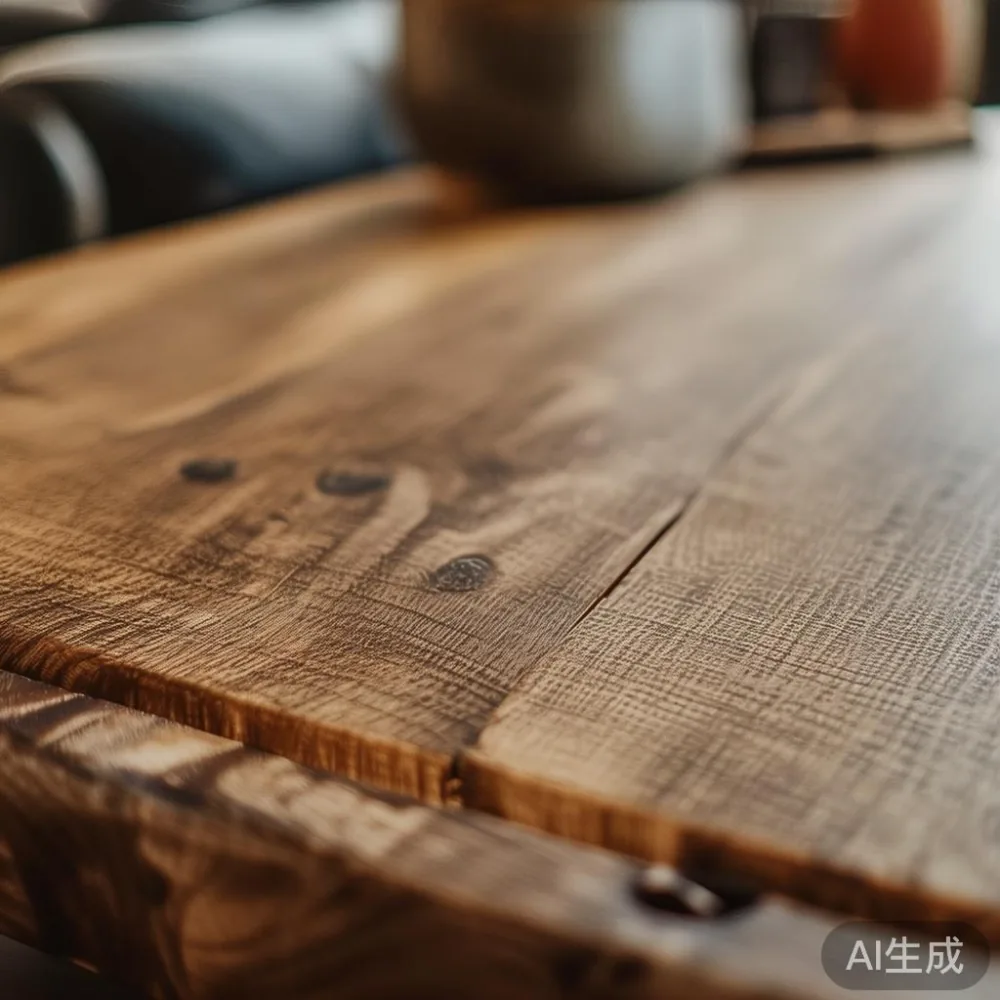
This guide examines solid wood sofa frames, bed frames, dining tables, wardrobes, nightstands, and marble tables from the buyer’s perspective, with particular attention to HDB flats and condos in Tampines, Bedok, and Punggol. Prices are shown in SGD, while dimensions are stated in centimetres and weight in kilograms. GST is discussed separately because Singapore’s 9% GST affects the final payable amount.
What material and grade determine the price of a solid wood piece?
The starting material is one of the largest price drivers, but “solid wood” is not a single timber category. A manufacturer may use oak, ash, beech, rubberwood, walnut, or another approved species. Each has different supply levels, working properties, colour, and market demand. A table made from premium-grade walnut can cost several times as much as a comparable piece made from lower-grade beech, even when both are technically solid wood.

Grade matters just as much as species. Commercial furniture commonly uses grades with knots, sapwood, colour variation, and minor surface irregularities. Select or furniture-grade timber is more uniformly coloured and may have fewer defects. A rectangular dining table might require boards wide enough to produce a 220 cm top without joints. The larger the panel, the more costly the timber selection and machining become.
Thickness is equally visible. A 25 mm top feels substantially different from a 18 mm top and requires more timber, stronger fasteners, and more careful engineering. Veneer is sometimes used beneath a thin solid wood surface to create a stable core. That can make sense for a wide wardrobe panel, but it should not be represented as a fully solid wood carcass. Buyers should ask where solid wood is used, whether plywood or veneer appears, and whether all visible faces share the same material.
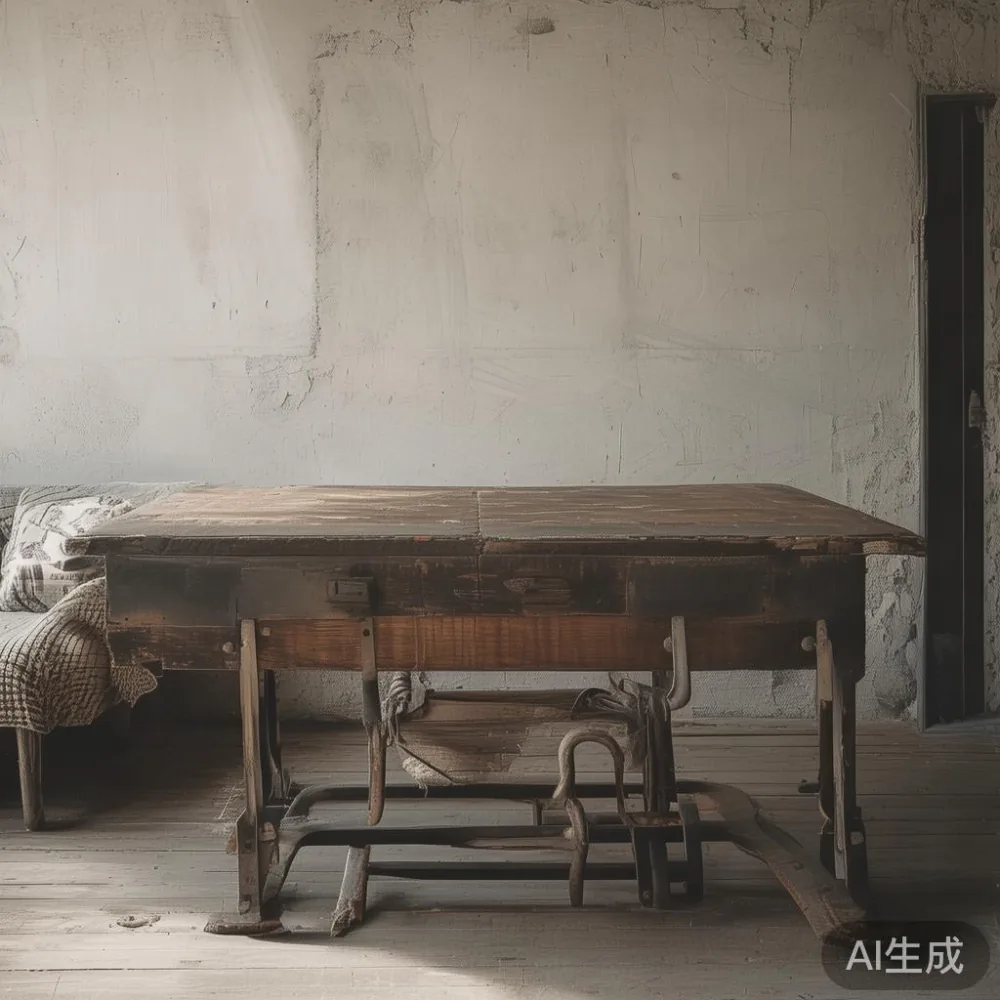
Origin also affects pricing. Imported timber carries freight, handling, storage, insurance, and compliance costs. Locally stocked hardwood may reduce lead times; long-distance timber shipments can create exposure to currency and freight changes. For a buyer in Bedok, a 45 kg dining table may be quoted at S$1,450 before GST because its oak panels are responsibly sourced and machined to specification, while a similar-looking table at S$780 may use thinner boards, a lower grade, or a veneer construction.
How do design and construction affect solid wood furniture prices?
Design becomes expensive when it demands precision. Curved rails, angled legs, mitred corners, irregular live edges, and concealed storage add machine time and hand checking. A tapered wardrobe with hand-finished brass pulls needs more setup than a straightforward flat-front unit. The visible result may look simple, but hidden joinery can determine whether the piece remains stable after 5 years of daily use.
Joinery should be judged by how parts connect, not by decorative complexity. Mortise-and-tenon joints, dowels, biscuits, and properly installed confirmat or other concealed fasteners each have a cost. The important point is load distribution. A dining table should resist movement when several people lean on it; a bed frame should prevent rails from working loose; a wardrobe should resist racking when doors are opened; and a nightstand should withstand repeated drawer movement.
Hardware is a visible price driver in industrial style furniture. Heavy-gauge steel frames, adjustable feet, reinforced brackets, and commercial-grade drawer slides cost more than basic fittings. A solid wood sofa may combine a kiln-dried timber frame with webbing, foam, fibre wrapping, and removable covers. Its quoted price can therefore include upholstery engineering rather than timber alone. A marble table introduces another layer: stone selection, slab cutting, edge treatment, support design, and the added weight of transport.
Last month I visited a supplier’s workshop and watched a 220 cm dining top move through a calibrated moulder. The same board weighed 43 kg before machining and 37 kg after the edges were squared. Rejecting a bowed panel at that stage mattered because a 4 mm twist across 220 cm would be obvious on a dining table. This inspection was not a decorative ritual; it prevented a visible defect reaching a customer. I also tested a drawer runner under a 25 kg load over 30 cycles. The runner held alignment, while a cheaper sample developed 2 mm of side play.
Why do finishes, colours, and textures create large price differences?
Finishing can add anywhere from a modest amount to a substantial percentage because each system has several stages. Sanding, sealing, staining, colour matching, filling, and top-coat application all require time and controlled conditions. Matte, wire-brushed, smoked, fumed, oiled, and lacquered finishes are not interchangeable. A wire-brushed oak surface can take 90 minutes longer to prepare than a straight-grained surface, and a dark stain may require several coats to achieve an even tone.
French light luxury often favours pale oak, restrained contrast, slim profiles, and finely matched panels. American light luxury commonly combines solid wood with substantial proportions, visible joinery, and darker hardware. Post-modern light luxury can mix warm timber, stone, metal, and assertive geometry. These references describe visual direction, not a shortcut to judging quality. A French-inspired dining table still depends on stable construction and realistic care instructions.
Colour matching across a 6-door wardrobe is more demanding than matching a single nightstand. Each door should show a deliberate relationship rather than random variation. Some factories stain only the face, leaving edges and interiors lighter. Good practice includes sealing all exposed surfaces and documenting the finish schedule. A clear sample should show the actual sheen and grain direction because photographs can conceal orange tones, sheen differences, and exaggerated contrast.
Repairability affects long-term value. A factory that can refinish a scratched top or replace a damaged drawer front may justify a higher initial price. MIDHILL offers lifetime refinishing for qualifying pieces, which shifts part of the purchasing decision from first cost to ownership experience. Buyers should still confirm what the service covers, how claims are handled, and which materials or colours are eligible.
How should Singapore buyers compare quotes for solid wood furniture?
A meaningful comparison requires identical specifications. Compare the timber species, grade, thickness, dimensions, joinery, hardware, finish, and warranty—not simply the photograph or product category. Request the final dimensioned quotation, drawings for unusual pieces, timber samples, and a finish sample. Ask whether the quote includes GST, delivery, lift delivery, assembly, and removal of packaging.
Delivery is especially important in Singapore’s high-rise housing. HDB lift dimensions and internal turning space vary by block, while some older walk-ups have no lift. A Punggol condo corridor may be wide but have a 90-degree turn. The supplier needs the block, floor, unit, lift dimensions, and whether a loading bay or staircase is involved. Measurements should include the package length, width, height, and turning radius.
Delivery to the doorstep is not the same as room-of-choice placement. A 200 cm wardrobe packed flat may fit into a 210 cm lift but cannot be manoeuvred through a 190 cm corridor turn. A 190 cm bed frame may travel as two cartons of 95 cm, while a solid wood sofa may arrive as separate sections because its packed width is 78 cm. A quote of S$90 delivery can therefore cover a straightforward doorstep drop, while a S$220 service may include carrying to the unit, unpacking, assembly, and packaging removal.
Typical lead times range from 25 to 45 days for stocked or standard configurations, while bespoke dining tables, wardrobes, and beds can require 6 to 10 weeks. During peak periods or for custom finishing, allow another 7 to 14 days. Confirm whether the clock starts after material approval, deposit payment, or production. Singapore buyers should also retain time for a colour review before the final lacquer or oil is applied.
What should a fair price look like for common product categories?
There is no universal amount because dimensions and specifications vary widely. Still, worked examples make comparisons more useful. A 160 cm solid wood sofa with a kiln-dried timber frame, removable covers, and 85 cm depth may sit around S$2,400 before GST when specified with stronger suspension and higher-density foam. A 200 cm version with thicker arms and a more elaborate finish may fall between S$3,100 and S$4,200 before GST.
A queen bed frame measuring 160 cm by 200 cm, with a solid wood headboard and slatted support, may be quoted from S$1,150 to S$1,900 before GST. An upholstered or higher-grade timber version can exceed S$2,600. The slats, centre support, centre leg, and wall-clearance method are important. A buyer should not assume that a low rail automatically provides adequate support.
A 200 cm dining table in 25 mm oak can range from about S$1,700 to S$3,300 before GST depending on grade, edge profile, base design, and finish. A 260 cm table in walnut may reach S$5,200. A light luxury dining table in pale oak with a 40 mm top and sculptural pedestal can command more because of material yield and machining. Searches for Italian light luxury for dining room may uncover striking price references, but Italian design language does not prove Italian manufacture or superior construction.
A 180 cm wardrobe with 6 doors, 3 internal drawers, and adjustable shelving may be quoted between S$2,200 and S$4,000 before GST. Soft-close hinges, deeper drawers, corner stabilisation, and matched veneer fronts can move the figure upward. A 55 cm nightstand may fall between S$420 and S$780. A light luxury coffee table with a 120 cm marble top and metal base may cost S$1,500 to S$3,000 before GST; weight, packaging, and structural support need checking.
These ranges are orientation points, not promises. Curated shortlists such as the top 10 Italian light luxury furniture can help identify common proportions and finishes, while a search for the best light luxury sofa for 2026 can reveal current expectations around comfort and silhouette. Neither list should replace a specification-based quotation. Product descriptions must still distinguish a genuine solid wood sofa, bed frame, dining table, wardrobe, or nightstand from a mixed-material alternative.
How do freight, GST, and after-sales service alter the final cost?
Furniture is heavy and bulky, so freight is not a minor detail. A 65 kg dining table may occupy 0.9 cubic metres even when disassembled. Local stock can reduce storage and handling time. Export-style packaging adds protection, but it also increases package dimensions. Buyers should compare the delivered price rather than the product price plus a vague “shipping may apply” note.
In Singapore, displayed prices may exclude 9% GST. A dining table quoted at S$2,000 becomes S$2,180 after GST. A S$450 nightstand becomes S$490.50. On a S$4,800 order, the tax adds S$432. A clear quotation should identify taxable and non-taxable components, including delivery and installation where applicable.
After-sales support also has a price. A 10-year structural warranty signals confidence in the frame and construction, but buyers should understand exclusions involving accidental damage, improper assembly, commercial use, and unauthorised modifications. Warranty length alone does not guarantee replacement parts for every finish or mechanism. Ask about spare hardware, touch-up materials, drawer runner replacement, and response times.
MIDHILL was established in 2008 and exports to more than 15 countries. That international production history may support mature quality-control systems, although individual products still need comparison. Its 14-day return policy offers a defined window for eligible unused goods, while free shipping over US$350 is stated in US dollars and should be checked against the exact promotion terms for a Singapore purchase. Warranty, returns, and shipping should all be read in the quotation rather than assumed.
Which questions reveal the real cost before placing an order?
Ask: “Which parts are solid wood, and where are veneer or plywood used?” The answer should name timber species, grade, panel thickness, and exposed surfaces. Ask: “Does the price include GST and delivery to the room of choice in Tampines, Bedok, or Punggol?” Then provide lift and corridor dimensions. A serious supplier should request site information before promising a smooth installation.
Ask: “How many days from deposit to dispatch, and how many additional days for delivery and assembly?” A standard answer might be 25 to 45 production days plus 3 to 7 local delivery days, while a custom order may require 6 to 10 weeks. Ask: “Can I approve a timber and finish sample before production?” A 10 cm timber block is too small to reveal the full effect over a 220 cm table; a larger A4-sized panel or a photographed project may be more informative.
Ask: “What happens if the delivered piece does not fit through the lift?” Confirm whether failed delivery, rebooking, and return freight are covered. Ask: “Which structural elements are covered for 10 years, and how is lifetime refinishing implemented?” Request written terms rather than relying on verbal assurance.
Final pricing is rarely the result of one dramatic feature. A solid wood dining table may cost S$2,150 because it combines selective oak, a 25 mm top, reinforced joinery, matched finishing, protective packaging, insured delivery, and repair support. Another table at S$1,250 may also be good, but it may use a lower grade, 18 mm timber, simpler hardware, and a less involved finish. The better purchase is the one whose specifications fit the room, the household, and the budget over 10 years—not necessarily the one with the larger number on the invoice.