What to Check Before Buying a Sofa You Cannot Sit On
A display sofa can still be the right choice for a Singapore home, particularly when its purpose is visual. It may fill an awkward corner, preserve an open view across a compact HDB living room, or act as a occasional perch while the main seating sits elsewhere. The trouble is that shoppers often judge it by appearance alone, then discover that its dimensions, access route or intended use do not match the room.
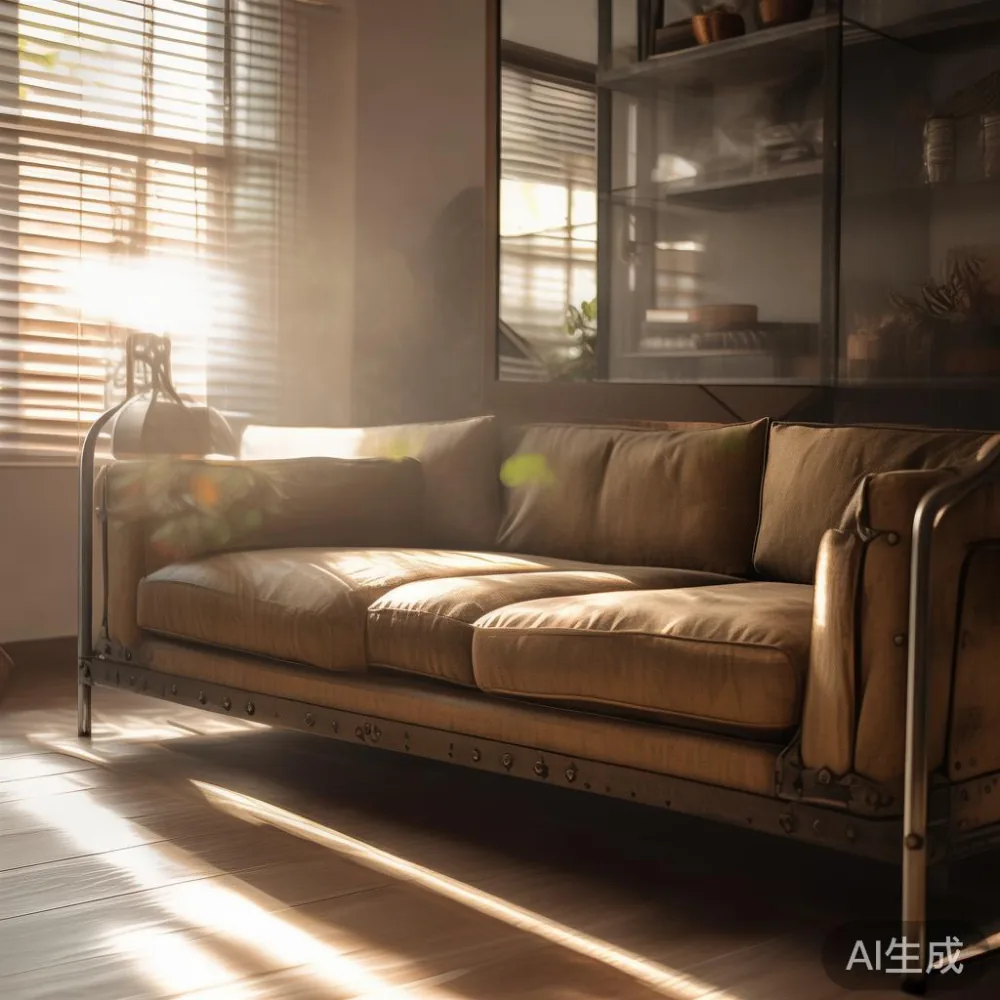
For homes in Tampines, Bedok, Punggol and newer condos, access deserves as much attention as upholstery. A sofa may measure 82 cm wide and look modest in a showroom, yet a packed lift, a tight corridor turn or a staircase can make delivery impossible. Industrial style also needs a practical reading: dark metal, solid wood, visible fasteners, strong lines and generous spacing between pieces should work together rather than become a collection of heavy objects.
This guide examines the checks that matter before purchasing a sofa you cannot sit on, from comfort expectations and measurements to delivery planning, returns and visual styling. Prices use SGD, while GST and local access conditions should be confirmed with the seller and building management.

What is a display sofa and why buy one?
A display sofa is a seat shown in a showroom or showroom setting but purchased mainly as a visual feature rather than for daily lounging. Some are used briefly during a fair; others are arranged as staged furniture without being intended for customer use at all. That distinction should be recorded in writing.
It may make sense beside a study desk, in a wide entry area or against a wall where a more frequently used seat already exists. It may also serve as an occasional seat in a room with another main sofa. What it should not do is quietly become the only place the household expects to sit for 3 hours of television.
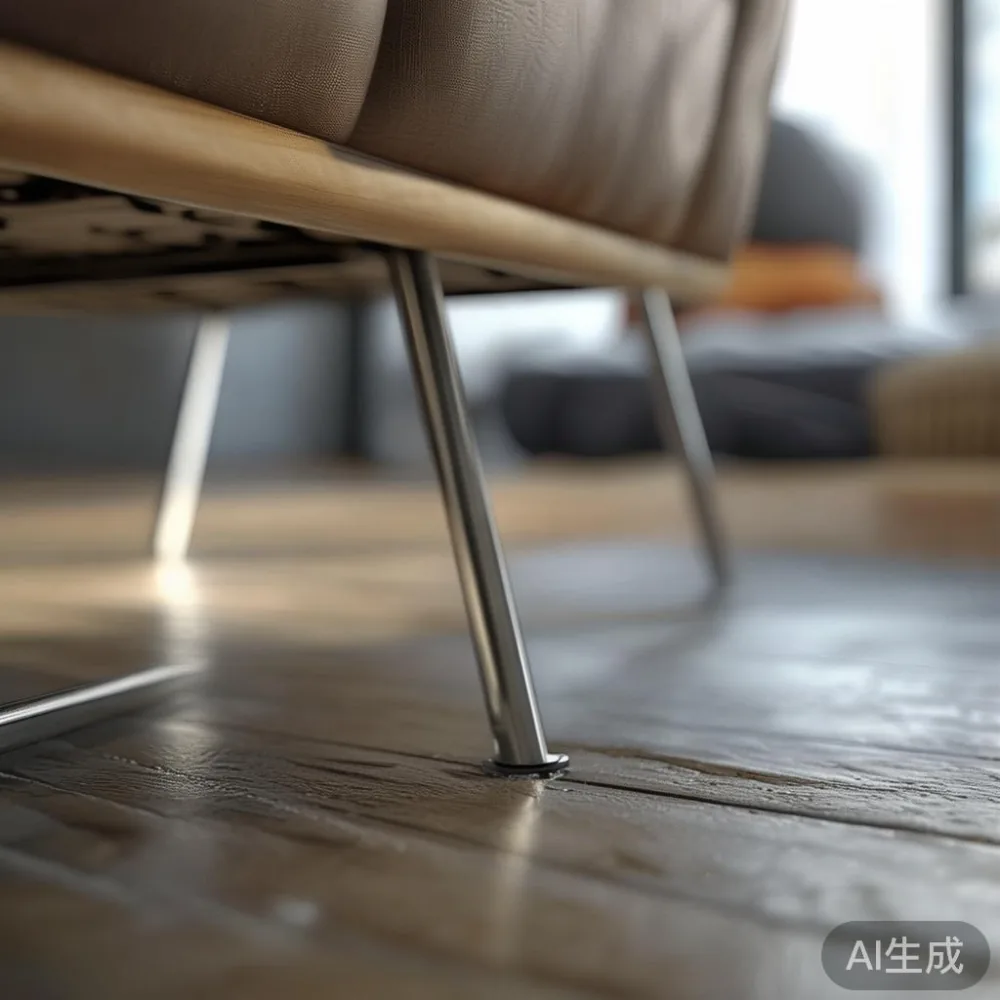
Check whether cushions, covers and feet are included. Ask whether the frame has been displayed for 6 months or 1 year, and whether floor contact has caused compression. Photograph every existing mark before payment. A planned patina from industrial style is different from accidental scuffs, tears or a wobbly frame.
A useful test is to compare the display piece with a new solid wood sofa or another item you can sit on normally. Sit on both for 3 minutes, check the back height and compare arm depth. Even if you intend to use the display piece only occasionally, comfort still matters when a guest sits there.
Which measurements should you take before ordering?
Measure the sofa in 3 dimensions: width, depth and height. Record the packed dimensions too, including the carton, feet and any detachable back. A showroom measurement of 180 cm by 88 cm by 76 cm tells you very little if the delivery carton is 188 cm long and 96 cm wide.
Next measure the route, not just the doorway. The front door, corridor, lift car and lift doorway can each have a different usable dimension. A common HDB lift opening may be around 90 cm wide, while the internal car may measure 140 cm by 110 cm or another size. Condo service lifts can be larger or more restrictive because of turning space and security procedures.
For every bend, write down the corridor width, ceiling height and diagonal clearance. If a sofa is 220 cm long, a 90 cm-wide lift door may still permit entry if the carton can be angled carefully, but it should not be assumed. Ask the supplier for the carton dimensions and a clear loading photograph.
Also measure the destination. Leave at least 60 cm for a narrow walkway where possible, 75 cm for a more comfortable route, and 90 cm near a dining zone. A 230 cm sofa against a 350 cm wall can look balanced; the same sofa in a 260 cm room may crowd the lift-facing side. Before buying a dining table, bed frame, wardrobe, nightstand or marble table, map the traffic pattern so the sofa does not block doors and pull-out surfaces.
Can you sit on a display sofa before buying it?
Ask permission. Some sellers allow a 2-minute test under supervision; others consider display pieces untouchable. Never remove a label, sit on an item marked “sample only,” or assume that permission to sit means permission to buy.
If the seller permits testing, check the seat for 5 minutes. Press the seat cushion, lean on the back and move the sofa by 5 cm with two people. Listen for knocks. Look for movement at the joints, uneven legs or gaps wider than 5 mm. Check whether the arm is firm enough to push against when standing and whether the cushion blocks the intended body posture.
Industrial style frames may use solid wood, metal or a combination. Ask for the actual material specification rather than accepting “wooden frame” as a broad description. Confirm the load rating, suspension type, foam density and replacement cushion availability. A solid wood frame can be sound for 10 years, but poor joinery or an unsuitable suspension can fail sooner.
One real example: last month I visited a Singapore showroom where a dark industrial-style sofa looked impressive under warm lighting. When I checked the tag, its usable seat depth was only 48 cm, and the front rail sat 38 cm above the floor. It was fine for brief display, but not for a family lounge seat. The showroom had also placed it beside a dining table, making the visual scale misleading. I measured the route before discussing a different configuration.
Is the sofa built for real use or only visual staging?
Read the product description word by word. “Display model,” “visual sample,” “not for sitting” and “floor model” signal different risks. “New stock” does not automatically mean new condition. Ask for the date the item entered the showroom, the reason it is being sold, and whether it has been stored in an air-conditioned room or exposed to humidity.
Singapore’s humidity can affect foam, fabric and unfinished metal. Inspect for flattened corners, musty smells, rust bloom, peeling coating and damp marks beneath the feet. Check under the sofa at 2 points and look behind the backrest. A small scratch can be repaired; corrosion inside a joint is a different matter.
Also confirm the parts that can be replaced. Does the supplier offer replacement seat covers, foam, screws and feet after 12 months? Is the solid wood sofa frame covered by a structural warranty, and does that warranty exclude display damage? A 10-year structural warranty is useful only if the terms name the frame, joints and approved uses.
MIDHILL, a Foshan solid wood furniture maker established in 2008 and exporting to more than 15 countries, gives buyers a useful reference point: ask for written specifications instead of relying on a showroom mood. Its industrial-style products should be judged by frame details, finish durability, dimensions and delivery terms, not only by a dramatic black-and-oak appearance.
How much will delivery add to the Singapore cost?
Request a written quotation that separates the sofa, GST, delivery, lift booking and any assembly or removal charge. If the item costs SGD 1,200 before GST, the 9% GST is SGD 108, making SGD 1,308 before delivery. Ask whether the displayed price is cash price, credit price or promotional price.
Delivery should be priced against the actual work. A standard Singapore delivery may take 7 to 14 calendar days after confirmation, while made-to-order pieces can take 30 to 60 days. Building access may require a delivery window, a loading-bay booking or a service-lift reservation. Confirm whether the team carries the sofa upstairs, removes packaging and places it in the living room.
Measure the sofa’s weight as well. A 95 kg frame may need 3 people, while a 62 kg frame may still be awkward because of its shape. Ask for a loading plan and whether the delivery team will use a hoist. Do not authorise a move if the final route differs from the measurements you supplied.
For comparison, a dining table or marble table may need a separate trolley, while a bed frame may arrive in 2 cartons. Keep access requirements specific to each item rather than applying a general free-delivery promise.
How do you fit an industrial-style display sofa into a small HDB flat?
Start with proportion. In a 280 cm-wide living area, an oversized 240 cm sofa can leave less than 20 cm on each side, which makes the room feel compressed. A 185 cm to 205 cm sofa may create a calmer composition, depending on the opposite wall and circulation route. Measure the room length too; a 330 cm room with a 190 cm sofa can still leave only 70 cm behind it.
Use one strong feature rather than several competing statements. An industrial-style sofa in charcoal fabric can sit with a light oak bed frame, a plain rug and a compact nightstand. Avoid matching it to every metal accessory in the room. In French light luxury, pale upholstery, slim profiles and warm wood soften industrial edges. In American light luxury, layered cushions and broader proportions make the style more relaxed.
Post-modern light luxury offers another route: combine one visible structural form with softer textiles and restrained colour. If you are searching for how to style light luxury sofa in bedroom decisions, treat the sofa as a room divider, keep the back no more than 20 cm from the wall, and leave 75 cm beside it where possible. Check that it does not block a wardrobe door or sit in front of a window opening.
For small rooms, European light luxury for small living room layouts usually depends on scale, not expensive decoration. A low-profile sofa can preserve sightlines, while a narrow arm can improve flow. The same logic applies when considering under 2000 French furniture: compare the complete dimensions and delivery cost, not just the promotional price.
Which questions should you ask the retailer?
Ask: “Is this sofa approved for customer sitting?” “What is the exact frame, suspension and cushion specification?” “Can you provide the packed dimensions?” “What happens if the lift is too small?” “Is there a 14-day return policy for this particular item?” and “Which parts are covered for 10 years?”
For a visual sample, also ask whether the sale is final, whether a deposit is refundable, and whether the stated 10-year structural warranty applies to display pieces. Photograph the condition, serial number and delivery quotation. Keep copies for at least 12 months.
Some online phrases may confuse buyers, including cheap Modern light luxury furniture. A low price does not confirm frame quality, and luxury European light luxury furniture does not automatically include a long warranty. Compare specifications in a table: width, depth, height, weight, frame, suspension, finish, warranty, return period and delivery lead time.
MIDHILL’s lifetime refinishing policy and 14-day returns are useful points to clarify in writing, especially for a display item with cosmetic wear. Confirm whether refinishing includes the sofa frame, how many services are permitted, and whether the service is available to Singapore buyers. The company’s free shipping over US$350 should also be checked against the local quotation, currency conversion, GST and lift charges.
How do you decide if the piece is right after it arrives?
Inspect before the delivery team leaves if possible. Compare the sofa with your photographs, check all 4 corners and the underside, and count the cushions, feet, washers and fixings. Run a 5-minute sit test only if the seller permits it. Walk around the room and confirm that doors, sockets, windows and wardrobe openings remain usable.
If there is damage, report it within 24 hours and ask whether collection, repair or replacement is appropriate. Do not place a display piece on a polished floor without protection. Use felt pads under the feet and keep the sofa at least 10 cm from a wall if the finish needs airflow.
Finally, judge the purchase against its actual role. If it is a display sofa, you should feel comfortable saying that it is primarily visual and occasionally used. If the household expects daily sitting, choose a tested seating configuration instead. In an industrial-style home, disciplined scale, clear delivery planning and honest product information usually matter more than dramatic styling.