Working through the Industrial-Style Furniture Journey: Delivery and Assembly Realities
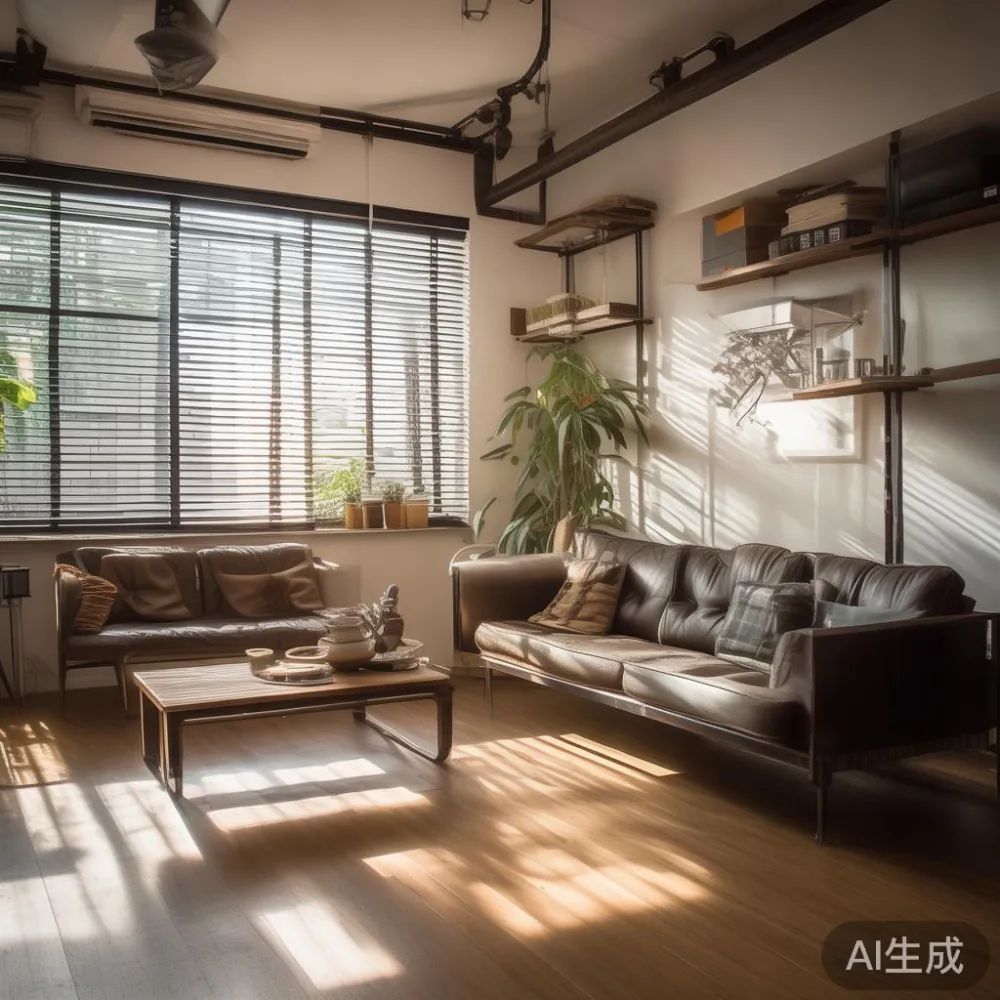
The allure of industrial-style furniture is undeniable. Its raw, unrefined aesthetic—exposed metal frames, solid wood slats, and the rich patina of natural materials—has become a defining feature of modern Singaporean homes. You see it in the Tampines executive condominium, the Bedok HDB flat, and the Punggol waterfront apartment. The process of selecting this furniture online is a digital dream: scrolling through high-resolution images, configuring a custom solid wood sofa, or choosing a marble dining table to anchor your dining space. But the reality of bringing that dream into your home is a journey fraught with physical, logistical, and financial challenges that are rarely discussed in the polished marketing of online stores. This article cuts through the fantasy to explore the practical realities of delivery and assembly when purchasing industrial-style furniture online in Singapore.

What are the common pitfalls when ordering industrial style furniture online in Singapore?
The first and most significant pitfall is a fundamental misunderstanding of scale and weight. Industrial style furniture is defined by its substantial presence, a characteristic that translates directly into heavy, bulky packages. A typical 3-seater solid wood sofa, for instance, will arrive in one or two large boxes weighing between 55 kg and 75 kg. Its dimensions can easily exceed 200 cm in length, 90 cm in depth, and 80 cm in height. This is not a parcel that can be casually manoeuvred by one person. Similarly, a queen-sized industrial-style bed frame, often combining solid wood and metal, can weigh over 60 kg and arrive in multiple boxes that need to be carried up several flights of stairs. The product images rarely convey this heft, leading to a shock when the delivery truck arrives and the boxes are unloaded.
My colleague, David, experienced this firsthand. Last month, he ordered a large industrial-style dining table with a marble top from an online retailer. The table arrived in two separate boxes. The first box, containing the solid wood base, weighed 45 kg. The second, with the marble top, was a staggering 60 kg. The delivery team, as is standard practice, would only bring the boxes to his ground-floor lobby. He was left to figure out how to get these two extremely heavy items up to his 12th-floor apartment in a Bedok HDB block. The experience was a stark reminder that the 'delivered' status is merely the beginning of the physical labour involved.
How does Singapore's HDB and condo layout affect furniture delivery?
Singapore's unique urban fabric, with its dense housing of HDB flats and condominiums, presents a series of logistical gauntlets for furniture delivery. The standard corridor width in most HDB blocks is approximately 120 cm. While this might seem adequate, working through a large item requires significant clearance. A wardrobe box, for example, might be 90 cm wide, but turning it around a corner past a protruding mail slot or a neighbour's gate can be a nerve-wracking puzzle. In older estates like Bedok, some corridors are even narrower, adding to the challenge.
Lifts are perhaps the most critical bottleneck. Most residential lifts have an internal usable space of about 110 cm wide by 210 cm deep. A standard 3-seater solid wood sofa, at approximately 190 cm long, can just fit if angled correctly. However, a 4-seater sofa, often exceeding 220 cm, simply will not fit inside. This means for residents on floors above the second, the item must be carried up the stairs. For a 60 kg wardrobe or a 70 kg sofa, this is a physically demanding and risky task. While newer developments in Punggol may feature larger, more modern lifts, the majority of Singapore's housing stock presents these size constraints, making pre-delivery measurements a non-negotiable step.

| Furniture Item | Approximate Weight (kg) | Box Dimensions (cm) | Lift Fit (Standard Singapore Lift) |
|---|---|---|---|
| 3-Seater Solid Wood Sofa | 55 - 75 | 200 L x 90 W x 80 H | Yes (with careful angling) |
| Industrial Queen Bed Frame | 60 - 80 | 180 L x 160 W x 20 H (2 boxes) | Yes |
| Marble Dining Table | 100+ (2 boxes) | 220 L x 100 W x 15 H (top) + 45 (base) | No (top must go up stairs) |
| Industrial Wardrobe | 70 - 90 | 120 L x 65 W x 200 H | Yes |
Is assembly really as simple as the product description makes it seem?
The phrase 'some assembly required' is a masterclass in understatement. For a simple industrial-style nightstand, it might be a straightforward 10-minute job of attaching four legs to a solid wood top. However, for larger, more complex pieces like a wardrobe or a dining table, the reality is far more involved. These items can come with 30 to 50 individual components, including panels, screws, dowels, and cam locks. The instructions, often poorly translated and illustrated with vague diagrams, can be a source of significant frustration.
The tools provided are almost universally inadequate. A single, low-quality Allen key is the standard offering. This tool is prone to slipping and stripping the heads of screws, especially when dealing with the harder woods used in quality industrial-style furniture. The physical assembly itself is a challenge. Lifting a 25 kg wardrobe side panel to align it with a 15 kg top while trying to insert a screw is a two-person job. Many buyers find themselves unprepared for the physical exertion and the need for additional tools, leading to crooked furniture, damaged components, or a job left unfinished. This is why the distinction between a simple piece and a complex one is often underestimated.
What are the hidden costs of online furniture delivery?
The sticker price on a website is rarely the final amount you pay. In Singapore, a 9% Goods and Services Tax (GST) is applied to all imported furniture. While this is usually included in the listed price, it's a significant component of the total cost that consumers should be aware of. Beyond tax, delivery fees can add a substantial amount to your bill. Many retailers advertise 'free shipping' for orders over SGD 350, but this 'free' service often only covers delivery to the ground floor of your building.
Additional charges are common. 'Stair fees' or 'elevator fees' of SGD 20 to SGD 50 per floor are frequently applied if the delivery team has to carry items up. For someone living on the 20th floor of a Tampines condo, this could mean an extra SGD 400 to SGD 1,000 in delivery charges. Returns are another financial risk. A 14-day return window sounds generous, but returning a 70 kg sofa is a complex and expensive process. You would be responsible for the return shipping, which can cost SGD 150 or more, plus a potential restocking fee of 10-20%. This makes the risk of a wrong purchase a costly one. For example, a search for 'for sale Rustic furniture' might reveal a lower initial price, but the total cost after delivery and potential return fees could be much higher than anticipated.
- Ground Floor Delivery: Often included in the advertised price.
- Per Floor Stair Fee: SGD 20 - SGD 50 per floor.
- White Glove Assembly Service: An optional service costing SGD 80 - SGD 200, where the assembles the item for you.
- Return Shipping: SGD 100 - SGD 300, depending on size and weight.
- Restocking Fee: 10% - 20% of the purchase price.
Can you really trust the quality of what you're buying online?
The industrial style aesthetic is built on honesty of materials, so the quality of the wood, metal, and stone is paramount. When buying online, you are relying entirely on product descriptions and images to judge this. A description might say 'solid wood,' but it doesn't specify if it's a durable hardwood like oak or a softer wood like pine that is more prone to dents. The metalwork could be thick, powder-coated steel built to last or a thin, flimsy sheet that will bend under pressure.
This is where the reputation of the manufacturer becomes important. A company like MIDHILL, established in 2008, offers a 10-year structural warranty and a lifetime refinishing service. These are concrete indicators of confidence in their product's durability. A warranty that covers the frame for a decade suggests that the materials and construction are designed to withstand years of use. Similarly, a lifetime refinishing offer implies that the solid wood components are of high enough quality to be sanded and refinished multiple times, a process that would ruin a lower-quality piece of furniture. When considering a high-impact piece like a European light luxury sofa vs Modern sofa, understanding the warranty and material guarantees is key to making an informed decision that will last.
How can you prepare for a smooth furniture delivery and assembly?
Meticulous preparation is the single most effective way to turn a potentially stressful furniture delivery into a manageable experience. The first step is to measure everything. Use a tape measure to record the exact width of your corridor, the internal dimensions of your lift, and the doorways leading to the room where the furniture will go. Take photos of these tight spots on your phone. When you receive your item, unpack it in the final room. This saves the immense effort of moving a large, partially built piece of furniture through narrow spaces.
Having the right tools on hand is important. Keep a basic toolkit ready: a Phillips head screwdriver, a set of Allen keys (including metric sizes), a rubber mallet for tapping pieces together without damaging them, and a pair of pliers. Assembly is always easier with a second person to help hold panels steady. For heavy items like a solid wood sofa or a wardrobe, consider hiring a mover service for a few hours. The cost of a mover, typically SGD 50 - SGD 80 per hour, is a small price to pay to avoid injury and back strain. If you're furnishing a guest room and considering an 'Italian light luxury for guest room' option, ensuring a smooth delivery process is even more important to maintain the high-end feel of the space.
What questions should you ask before you click 'buy'?
Before committing to an online purchase, you need to ask the retailer direct questions that go beyond the product dimensions. Inquire about the exact delivery process. Ask: 'What is included in your delivery service? Do you bring the item to my apartment door, or just to the ground floor?' If you live in a building without a lift, ask about the 'stair fee' and confirm it upfront. For heavy or bulky items, ask if they offer a 'white glove' assembly service and what the cost is. This service involves the delivery team not only bringing the item inside but also assembling it for you.
Always ask about the warranty in detail. Confirm what is covered (e.g., structural defects, material failure) and for how long. A 10-year warranty on a solid wood bed frame is a strong indicator of quality. You should also ask about the return policy. Understand the exact process, the associated costs (return shipping, restocking fees), and the time limit. A clear understanding of these policies protects you from unexpected expenses. For example, if you are debating whether 'is French wardrobe worth it', knowing that you can return it without a massive financial penalty if it doesn't fit or meet your expectations is a critical part of the decision-making process. Finally, for those who prefer to shop on the go, check if the retailer has a mobile-friendly site like 'm.midhill.co' for a better browsing experience.