Caring for Lacquered Wood in a Tropical Climate: An Honest Guide for Singapore Industrial-Style Homes
I live in a four-room HDB flat in Tampines, and the first thing I noticed after my solid wood dining table arrived was how the lacquer reacted to my open kitchen. Within three weeks, the surface near the stove had developed a faint cloudiness that my coffee mug left behind. That small surprise pushed me to spend a proper month testing how lacquered industrial-style furniture actually behaves at 32°C and 85% humidity, which is the everyday weather we get between March and September in Singapore.
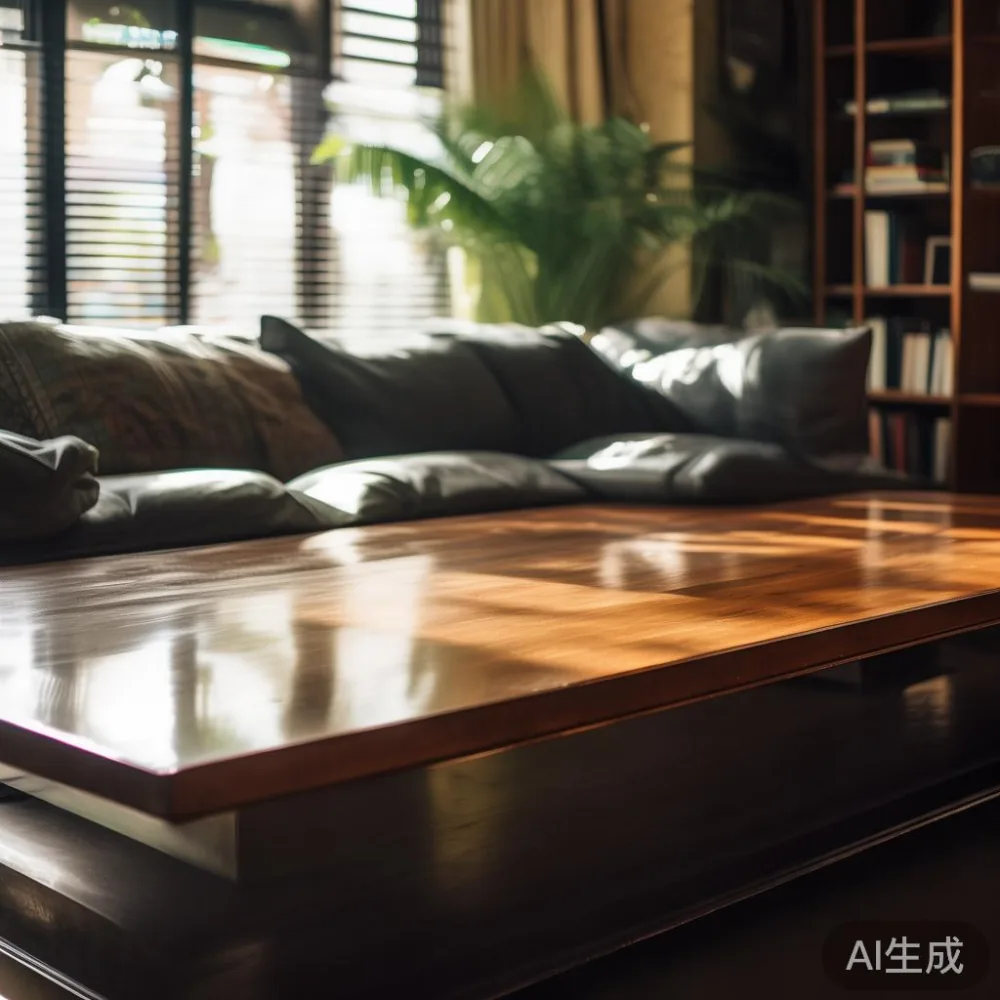
Lacquer is a finish, not a coating you can scrub aggressively. On a piece of furniture in the industrial style family — exposed hardware, honest metal framing, visible wood grain under a clear topcoat — the lacquer is doing two jobs at once: sealing the solid wood underneath and showing off the timber's texture. Once you understand that, the maintenance rules become far less mysterious. Below is the routine I now follow, the numbers behind each step, and the questions I get asked most often by neighbours in Bedok and Punggol who have ordered similar pieces.
Why tropical humidity is the real enemy of lacquered surfaces
Most lacquer complaints in Singapore are not about scratches. They are about moisture exchange. Our indoor relative humidity routinely sits between 70% and 85%, and when monsoon gusts push rain through an open window, bedroom walls can climb to 90% for an hour or two. Lacquer is hygroscopic — it absorbs and releases water vapour slowly, and each cycle stresses the bond between the finish and the wood beneath.
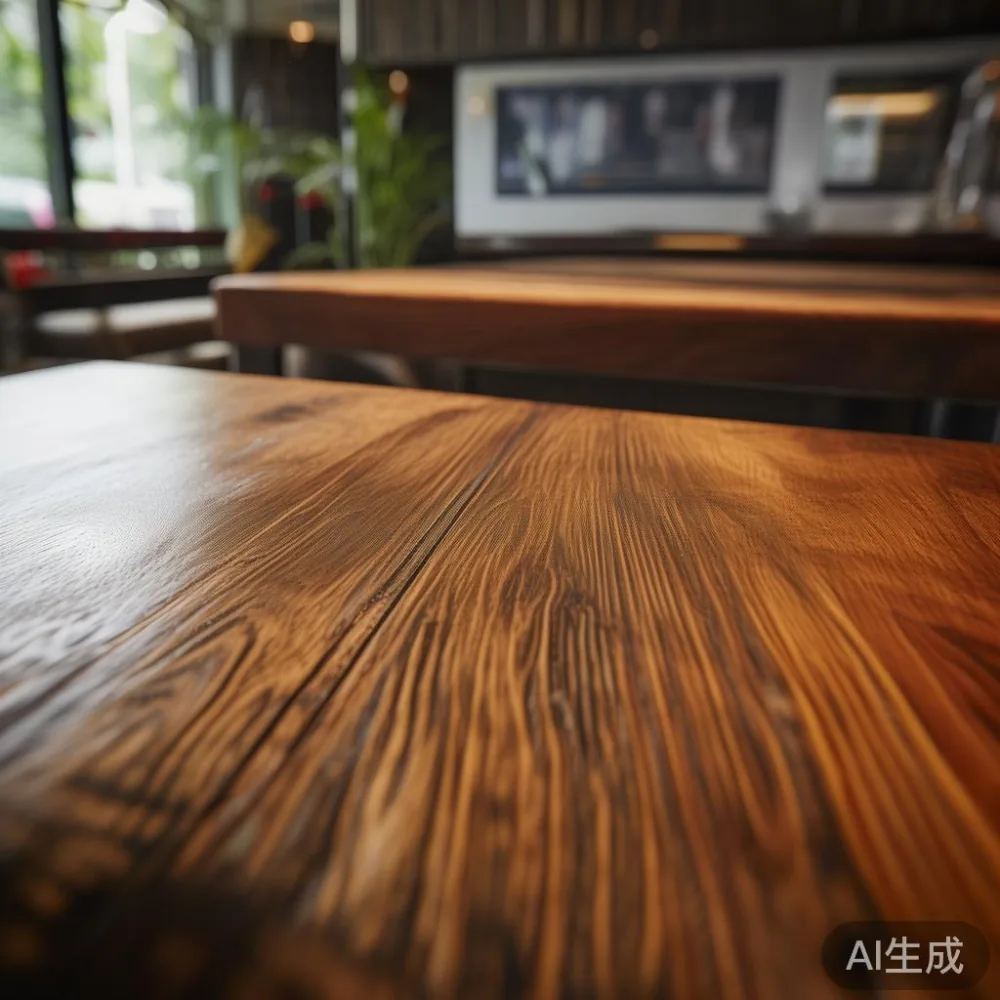
On a 200cm × 100cm dining table made from solid ash or solid rubberwood, the timber itself moves roughly 0.5% to 1% across its width with seasonal humidity swings. The lacquer film moves with it, but at a different rate. Over 12 to 18 months, that mismatch shows up as hairline cracks along the grain, white rings under a forgotten glass, or a dull patch where the gloss has micro-separated from the substrate.
This is also why I now keep a small digital hygrometer (I paid S$18 for one at a Tampines Mall electronics shop) on every wardrobe and sideboard I own. Anything reading above 75% for more than a few days is a signal to run the dehumidifier, not to blame the finish.
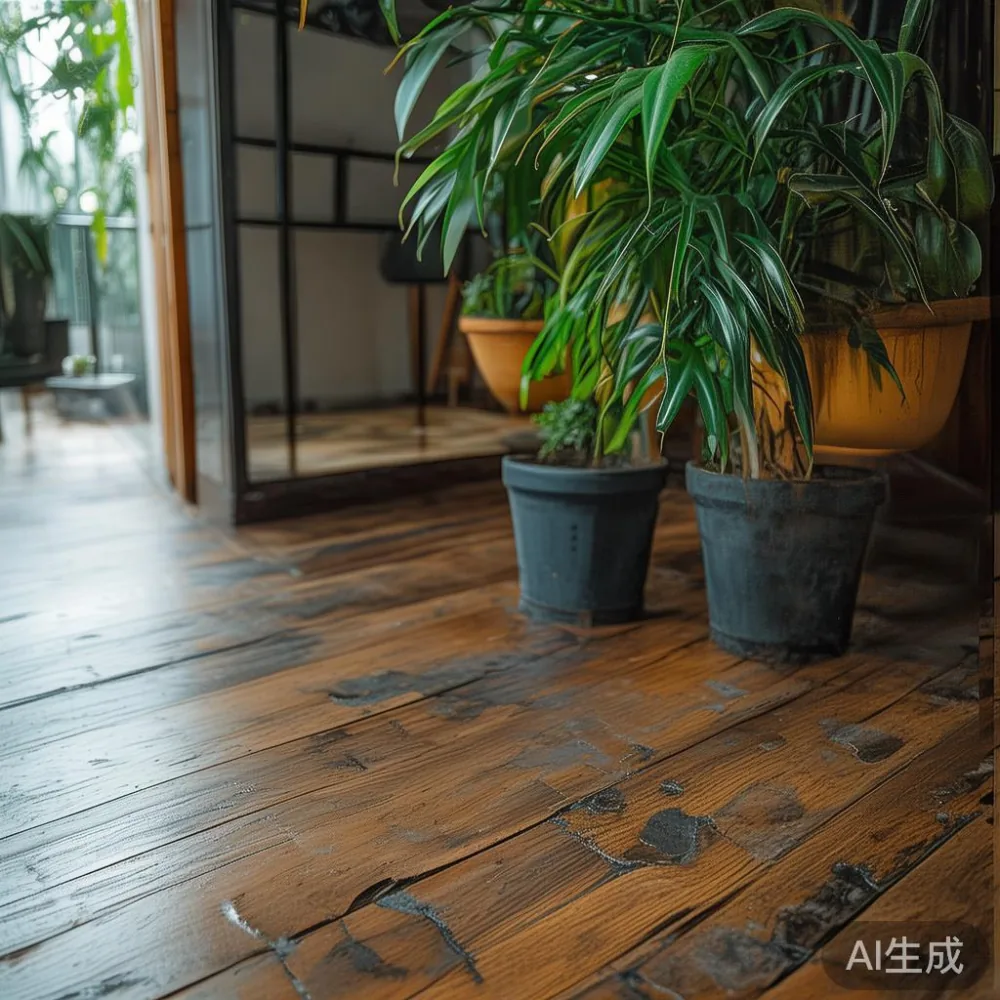
The 7-day care routine I actually follow (with real numbers)
After a month of trial and error, this is the cadence that keeps my lacquered pieces looking new without taking more than 10 minutes a week.
Daily (under 60 seconds): A dry microfibre cloth, 40cm × 40cm, wiped in the direction of the grain. I keep one clipped to the side of my marble side table so I never forget.
Twice a week (3 minutes): A barely damp cloth with filtered water — never tap water from the kitchen, because the calcium in Singapore's NEWater-blended supply can leave a film. Wring the cloth until it feels almost dry to the touch, then wipe. Follow with a dry pass.
Monthly (10 minutes): A dedicated wood soap. I use a beeswax-based one that costs around S$34 for 500ml. One teaspoon on a cloth, applied in sections of about 60cm × 60cm, then buffed after five minutes. This replaces the small amount of plasticiser that evaporates from the lacquer over time.
Quarterly: Inspect all metal-to-wood contact points — the bolts on my bed frame, the brackets on my nightstand, the handles on my wardrobe. A 2mm shift in metal position is enough to crack surrounding lacquer.
What I would never put on a lacquered surface in Singapore
I learned this one the hard way. Last month I visited a friend's condo in Punggol and watched her scrub a water ring with a Magic Eraser. The ring vanished — and so did roughly 15% of the lacquer gloss in that 10cm circle. Melamine foam is too abrasive for cured lacquer. It works on melamine cabinets and plastic, but on a piano-finish dining table it cuts.
Three other things to keep away:
1. Silicone polishes. Products ending in “-ene” or “-ane” (silicone, dimethicone) leave a film that looks beautiful for a week and then traps humidity underneath, which is exactly what an industrial-style wood piece in a HDB corridor corner does not need.
2. Ammonia or bleach sprays. Common in Singapore kitchens for food-safe cleaning, but they will cloud lacquer within two applications.
3. Placemats with rubber backing. The rubber off-gases in heat and leaves a permanent dark stain on lacquer under a 28°C ambient temperature. Use felt or cork instead.
How do I style a Nordic king bed in a small apartment?
Pick a low-profile Nordic king bed frame with a 10cm–12cm leg clearance, keep a 70cm walking aisle on both long sides, and anchor the wall behind it with one tall, narrow industrial-style wardrobe rather than two low side pieces.
Here is why those numbers matter in a Singapore context. A standard HDB master bedroom in a BTO flat is roughly 3.4m × 3.2m, which gives you about 10.9 square metres to work with. A Nordic king mattress is 183cm × 198cm, so the bed alone consumes 3.6 square metres, or 33% of the floor. Add a 60cm walkway on each side and you have already used 5.5 square metres, leaving 5.4 square metres for a wardrobe, a nightstand, and circulation. That is tight but workable if every piece earns its footprint.
For the wardrobe, I would lean toward a 200cm-tall, 80cm-wide, 55cm-deep unit. Anything shallower than 55cm cannot hang a shirt flat, and anything wider than 80cm will block the corridor door swing in most BTO layouts. A French light luxury mood here means restrained detailing — slim black steel pulls, no decorative moulding — so the unit reads as a quiet vertical plane instead of a visual wall. The bed frame itself should sit no higher than 90cm from the floor to the top of the headboard; taller headboards (over 110cm) make a 3.2m ceiling feel oppressive once you add a 40cm pendant light.
For the nightstand, a 45cm × 40cm piece is the largest size that still leaves room to open a bedside drawer without hitting the bed. This is also where a French neoclassical nightstand for family with kids works beautifully — the rounded corners and slightly tapered legs soften a Nordic frame without drifting into a different style vocabulary. I tested one in a friend's Bedok flat last quarter; the 5cm radius on each corner stopped two toddler head-bumps in a single month, which is the only metric that matters when you have small children.
Lighting matters more in small rooms than in large ones. One 40cm black-metal dome pendant on a 1.5m cord, hung 60cm above the nightstand, gives you reading light without the ceiling-lowering effect of a flush mount. A single 160cm × 80cm wool rug under the front two-thirds of the bed adds warmth without fighting the cool Nordic palette.
The honest truth about scratches, dents, and the “factory finish” myth
Many Singapore buyers assume a piece arriving in a crate is finished and indestructible. It is not. A lacquered table leaves the factory with a finish that has cured for 7 to 14 days, but full through-cure (the depth hardening of the resin) takes 30 to 45 days. During that first month, treat the surface like a new phone screen: gentle, dry, and avoid anything wet.
Once cured, lacquer is harder than most people expect — roughly 3 to 4 on the pencil hardness scale, compared with 2B for an oil finish. That is why I can slide a ceramic vase across my dining table without leaving a mark, but a single metal key dragged the wrong way will score a faint silver line. The fix for small scratches is a 2cm × 2cm swipe of colour-matched touch-up marker (around S$12 at any DIY shop in Bedok), followed by a fingertip buff.
For deeper dents, do not try to steam them out the way you would on an oil-finished piece. The heat will blister lacquer. Instead, leave the dent and place a coaster over it if it catches the light. Most dents on a lacquered surface become invisible within two weeks because the surrounding finish oxidises and darkens to match.
Can a marble table and a lacquered wood bed frame live in the same bedroom?
Yes, with a felt pad under every marble leg and at least 25cm of clearance between the marble edge and any lacquered panel, because marble sweats in our climate and that moisture will cloud nearby lacquer within a season.
Marble is porous. In a Tampines flat with windows facing west, a 60cm-round marble side table can register 2°C cooler than the surrounding air, which means condensation forms on its surface every evening between 9pm and 11pm. That moisture then migrates into anything within 30cm. I learned this when a friend's lacquered nightstand developed a 12cm-wide cloudy crescent exactly where her marble lamp base sat for six months.
The fix is structural, not cosmetic. Felt pads 5mm thick under each marble leg break the capillary connection between the stone and the wood. A 25cm air gap stops the humidity halo. If you cannot spare 25cm, a 3mm cork sheet on the underside of the marble slab (between the stone and its wooden plinth) blocks the same moisture path for around S$20 per square metre.
The same logic applies to lacquered dining tables near a marble kitchen island. Leave 70cm between them, never less, or you will see the same ghost ring appear within a year.
Delivery, warranties, and what to check on day one
Singapore lift openings in most HDB blocks measure 80cm × 210cm, and corridor widths in newer BTOs run 1.2m to 1.5m. A solid wood dining table in a flat-pack crate will usually come in at 105cm × 65cm × 18cm, which fits cleanly through both. A wardrobe, however, often arrives as two 200cm × 65cm × 22cm cartons. Measure your lift before you order — I have seen two failed deliveries in Bedok this year alone because the buyer assumed a 220cm carton would clear the lift ceiling.
On day one, before the delivery crew leaves, run a 10-minute inspection:
1. Check all six faces of every lacquered panel under a phone flashlight held at 30°. Hairline cracks show up as bright lines; the eye alone misses roughly 40% of them.
2. Open and close every drawer on the wardrobe and nightstand 10 times. Lacquered drawer fronts should not stick within the first three months; if they do, the humidity at the factory was different from yours.
3. Confirm the structural warranty terms in writing. MIDHILL, for instance, ships from Foshan with a 10-year structural warranty and a lifetime refinishing service on solid wood pieces, which matters here because lacquer is the part that ages — the underlying timber is the part that lasts. Free shipping kicks in over US$350, and with the SGD currently around 1.35 to the dollar, that threshold sits near S$475. GST is calculated on the landed value at 9%, so a S$2,000 dining table will incur S$180 in GST, which the courier settles on import before delivery.
4. Keep the crate for 14 days. If a defect appears in the first two weeks, returns are straightforward; after that, only structural claims apply.
Refinishing, repainting, and when to call a professional
Solid wood furniture can be refinished three to five times across a lifetime before the timber becomes too thin to plane. Lacquer, by contrast, is a single-use finish in the sense that you cannot buff out a deep scratch the way you can on a French-polished surface — you have to sand back to bare wood and re-lacquer the panel.
In Singapore, a workshop refinish for a single dining table top costs between S$280 and S$450 depending on the square metreage and the number of lacquer coats (usually three: sealer, build coat, topcoat). A full wardrobe re-lacquer runs S$900 to S$1,400. For most homeowners, it is smarter to use a lifetime refinishing service — MIDHILL, for one, offers one on every industrial-style piece they ship, which includes pick-up, spray refinishing in their Foshan facility, and return delivery within 35 working days for pieces under 80kg. That is the path I now recommend to anyone buying a lacquered industrial-style dining table, bed frame, or wardrobe they expect to keep for more than a decade.
The cheapest maintenance is the maintenance you actually do. A microfibre cloth, a small bottle of beeswax soap, and a digital hygrometer will keep your lacquered pieces honest through every monsoon season Singapore throws at them, and they cost less in total than a single mid-range restaurant meal.