The Long Game: A 5-Year Cost Comparison Between Veneer and Solid Wood Furniture
In the quiet corridors of a Bedok HDB flat, my colleague, Mei, faced a familiar dilemma. Her 5-year-old dining table, a veneer piece, had developed a distinct line near the leaf seam. The laminate had begun to peel, revealing the particleboard beneath. The repair cost was almost 40% of the table's original price, and she was considering a full replacement. This scenario is a silent reality for many Singapore homeowners, especially in compact spaces where furniture is a daily fixture. The choice between veneer and solid wood furniture is not merely an aesthetic one; it is a financial calculation that unfolds over years, measured in Singapore Dollars, the wear and tear of daily life, and the value of longevity. This article provides a detailed, 5-year cost comparison to help you make an informed decision for your home, whether it's a spacious Punggol condo or a functional Tampines HDB.
What Exactly Are Veneer and Solid Wood Furniture?
Before diving into the numbers, it is important to understand the fundamental difference between these two materials. Solid wood furniture, as the name suggests, is crafted from a single piece of lumber, such as oak, walnut, or teak. The structure, from the legs of a solid wood sofa to the frame of a dining table, is made entirely from this natural material. This gives each piece a unique grain pattern and a substantial, tactile quality. The weight is significant; a solid wood dining table for four can weigh between 45 to 65 kg.
Veneer furniture, on the other hand, uses a thin layer of real wood (the veneer) applied over a core of engineered wood like particleboard, MDF (Medium-Density Fibreboard), or plywood. The veneer provides the appearance of solid wood at a fraction of the cost. The core material is much lighter; a similar-sized veneer dining table might weigh only 25 to 35 kg. This difference in weight and construction is the first of many factors that influence the long-term cost and suitability for Singapore's living conditions, including the need to work through narrow HDB lift corridors and doorways, which are often only 75-80 cm wide.
Initial Purchase Price: The Upfront Investment
The most apparent difference between veneer and solid wood is the initial price tag. For a typical Singapore living room, let's compare a 2.2-metre solid wood sofa and a 2.2-metre veneer sofa from a reputable local retailer. The solid wood sofa, constructed from North American oak with a natural oil finish, would cost approximately SGD 3,800. The veneer sofa, featuring a walnut veneer over a plywood frame and synthetic leather upholstery, would be priced around SGD 1,800.
This price difference extends throughout the home. A solid wood king-size bed frame might cost SGD 2,500, while its veneer counterpart could be SGD 1,200. For a wardrobe, the disparity is even more noticeable. A solid wood wardrobe with three doors and internal drawers could cost SGD 4,200, whereas a veneer version might be priced at SGD 1,800. The initial savings with veneer furniture are substantial, often ranging from 50% to 60% less than solid wood alternatives. This lower entry point makes veneer an attractive option for those furnishing a new home, such as a condo in Tampines, where every dollar counts.

How to Choose French Provincial Sofa for Your Singapore Flat?
The aesthetic of your furniture plays a important role in creating a home you love. Veneer technology has advanced significantly, allowing for the replication of beautiful, high-end styles. For instance, achieving the elegant, slightly distressed look of a French provincial sofa is often more accessible with veneer. The intricate mouldings and curved details can be precisely formed using modern manufacturing techniques applied to a veneer substrate.
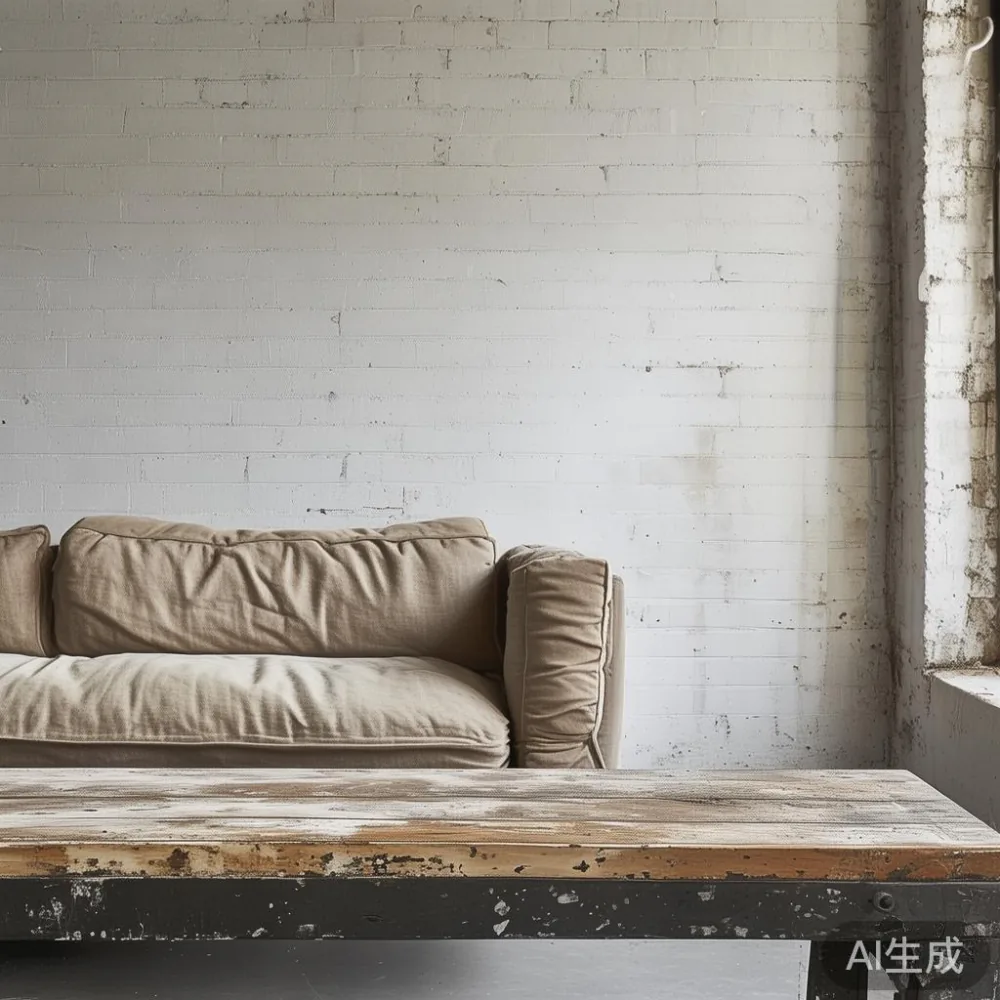
However, solid wood offers a different kind of beauty that many homeowners, especially those favouring a more rustic or authentic industrial style, find compelling. Solid wood pieces, with their natural imperfections and deep, rich grains that patina over time, tell a story. A solid wood table can become a family heirloom, its surface bearing the marks of countless meals and conversations. For those who appreciate a tactile, organic feel in their living space, solid wood provides a depth of character that veneer, no matter how well-made, cannot replicate. The choice between a perfectly replicated French provincial look and a naturally evolving solid wood piece is a matter of personal style and the atmosphere you wish to cultivate in your home.
Longevity and Durability: A 5-Year Reality Check
This is where the true cost of furniture reveals itself. Veneer furniture's Achilles' heel is its vulnerability to moisture and changes in humidity, a common challenge in Singapore's climate. Over a 5-year period, the seams of a veneer dining table can begin to delaminate. The thin wood layer may chip or peel, particularly at the edges, exposing the less attractive core material. A spilled glass of water, if not wiped up immediately, can cause irreversible bubbling and staining. My own experience with a veneer nightstand in my condo was a lesson learned. A small, unnoticed leak from a potted plant caused the veneer on the top surface to warp and bubble. The repair was not feasible, forcing a replacement after only 3 years.
Solid wood furniture, conversely, is built to last. It is more resistant to everyday wear and tear. While it is not immune to water damage, a solid wood surface can often be sanded and refinished, restoring it to its original condition. A solid wood dining table with a deep scratch can be repaired, whereas a deep scratch on a veneer surface might penetrate the thin layer, ruining the finish. The structural integrity of solid wood is superior. A solid wood bed frame or wardrobe will not sag or warp under the weight of contents in the same way that an MDF core might. When considering a 5-year lifespan, a solid wood piece is likely to look and function almost as well as it did on day one, while a veneer piece may show significant signs of ageing and require more intensive maintenance or even replacement.
Cost of Maintenance and Repairs Over Five Years
Maintenance costs are a critical component of the total ownership expense. Veneer furniture requires careful handling. Cleaning must be done with a slightly damp cloth, never soaked, to prevent moisture from seeping into the edges. Polishing with the wrong type of chemical can damage the finish. Should damage occur, repairs are often complex and expensive. Replacing a section of veneer is a skilled job that can cost several hundred dollars for a single piece of furniture. For example, repairing a peeling corner on a veneer dining table might cost SGD 300 to SGD 500. If the damage is extensive, the cost could approach the price of a new, lower-end piece.
Solid wood furniture is far more forgiving. Maintenance is simpler. Regular dusting and occasional polishing with a suitable wood oil or wax are usually sufficient. The real financial benefit comes when refinishing is needed. A solid wood surface that has become scratched or faded can be completely refinished. This process involves sanding down the old finish and applying a new one, in effect making the furniture look brand new. The cost of refinishing a dining table or a bed frame is typically between SGD 800 and SGD 1,500. While this is a significant expense, it is a one-time cost that can extend the life of the furniture by another 10 to 15 years. Over a 5-year period, assuming no major accidents, the maintenance cost for solid wood is often minimal compared to the potential repair costs associated with veneer.
Resale Value: The Hidden Financial Factor
When it is time to move or upgrade, the resale value of your furniture becomes a financial consideration. Veneer furniture depreciates rapidly. Once it shows signs of wear, its value plummets. Buyers are often wary of veneer pieces due to their perceived lower lifespan. It is common for a 5-year-old veneer dining table to sell for less than 20% of its original price, if it sells at all.
Solid wood furniture holds its value remarkably well. Its durability and timeless appeal make it a desirable second-hand item. A 5-year-old solid wood dining table in good condition might retain 50% to 70% of its original value. This is because a buyer is not just purchasing a table; they are acquiring a well-made piece that will last for many more years. For a homeowner in Singapore's competitive property market, this retained value can offset a portion of the initial investment. The ability to sell your furniture for a reasonable price when you no longer need it is a financial benefit that veneer simply cannot match.
Is Solid Wood Furniture a Better Investment for Singapore's Humid Climate?
Given Singapore's high humidity and the limited space in many HDB flats and condos, is the higher upfront cost of solid wood justified? The answer lies in your long-term priorities. For a young family in a Bedok HDB flat, where children might use the dining table for homework and crafts, the durability of solid wood is a clear advantage. The resistance to scratches and the ability to sand out minor damage make it a more practical choice for a high-traffic area.
In a smaller living room, such as those found in older Tampines flats, the choice might be more nuanced. A solid wood sofa offers a substantial presence that can anchor the space, but its weight might make moving it more difficult. A lighter veneer piece could offer more flexibility. However, for a statement piece like a marble table base paired with a solid wood top, the investment makes sense. The marble table provides a cool, elegant surface that is highly durable, while the solid wood base ensures the structure will not succumb to humidity over time. For those seeking a light luxury aesthetic, a solid wood piece in a French provincial or American light luxury style offers a level of quality and craftsmanship that enhances the entire room's feel, making it a worthwhile investment for the long term.
How to Style French Provincial Wardrobe in Bedroom
Styling a bedroom with a French provincial wardrobe can create a serene and sophisticated retreat. This style, often made from solid wood to achieve its characteristic elegance, features soft curves, ornate detailing, and a light, airy feel. To complement such a piece in a Singapore bedroom, one should opt for a balanced colour palette. Creamy whites, soft greys, and pastel blues work beautifully against the natural tones of the wood. The wardrobe itself can serve as a statement, so keep other bedroom furniture, like the nightstand and bed frame, simpler in design to avoid a cluttered look. A solid wood bed frame in a lighter oak or painted finish would pair harmoniously. The key is to let the craftsmanship of the French provincial wardrobe shine, creating a cohesive and luxurious bedroom atmosphere that feels both timeless and appropriate for a modern Singapore home.
Where to Find Quality Solid Wood Furniture in Singapore
For homeowners convinced of the value of solid wood, finding the right supplier is the next step. The market offers several options, from high-end boutiques to online retailers. It is important to look for manufacturers who offer transparent warranties and use high-quality, sustainably sourced wood. A 10-year structural warranty, for example, is a strong indicator of confidence in the product's craftsmanship. This kind of assurance protects your investment, ensuring that the frame of your dining table or bed frame will remain sound for a decade.
When considering a purchase, also factor in the logistics. Delivery costs can add significantly to the final price. Many reputable brands offer free shipping for orders over a certain threshold, such as SGD 350. This is a considerable benefit for larger items. Also, a flexible return policy, allowing for returns within 14 days of delivery, provides peace of mind. This allows you to inspect the furniture in your own home to ensure it fits your space and meets your expectations before committing to the purchase. For those looking to furnish their home with pieces that blend durability with style, exploring options from established makers is a wise step towards creating a home that is both beautiful and built to last.
Final Verdict: Making the Right Choice for Your Home
After a 5-year analysis, the financial picture becomes clear. While veneer furniture offers a lower initial cost, its total cost of ownership—factoring in repairs, maintenance, and rapid depreciation—often makes it the more expensive option over time. Solid wood furniture represents a higher upfront investment but pays dividends in durability, longevity, and retained value.
For the Singapore homeowner, the decision comes down to a choice between short-term savings and long-term value. In a climate where humidity is a constant factor and furniture is a central part of daily life, the resilience of solid wood is a significant advantage. A solid wood solid wood sofa, dining table, or wardrobe is not just a purchase; it is an investment in the quality and comfort of your home for years to come. It is the difference between replacing a piece every few years and owning a piece that can accompany you through different stages of life, becoming a part of your home's story. The question is no longer just about the price tag, but about the kind of home you want to live in.