Industrial Style Furniture Care for Singapore Homes
Lacquer can give an industrial style dining table, solid wood sofa, or bed frame a beautifully smooth finish, but Singapore’s heat, humidity, salt air, and daily family use require a measured care routine. In a compact HDB flat in Tampines, a lacquered surface may be only 1.2 m from a dining wall, yet it still has to withstand repeated wiping, sunlight, food oils, and deliveries through a corridor. The aim is not museum-like protection. It is to preserve the depth and even sheen of the finish for years while keeping the furniture practical.
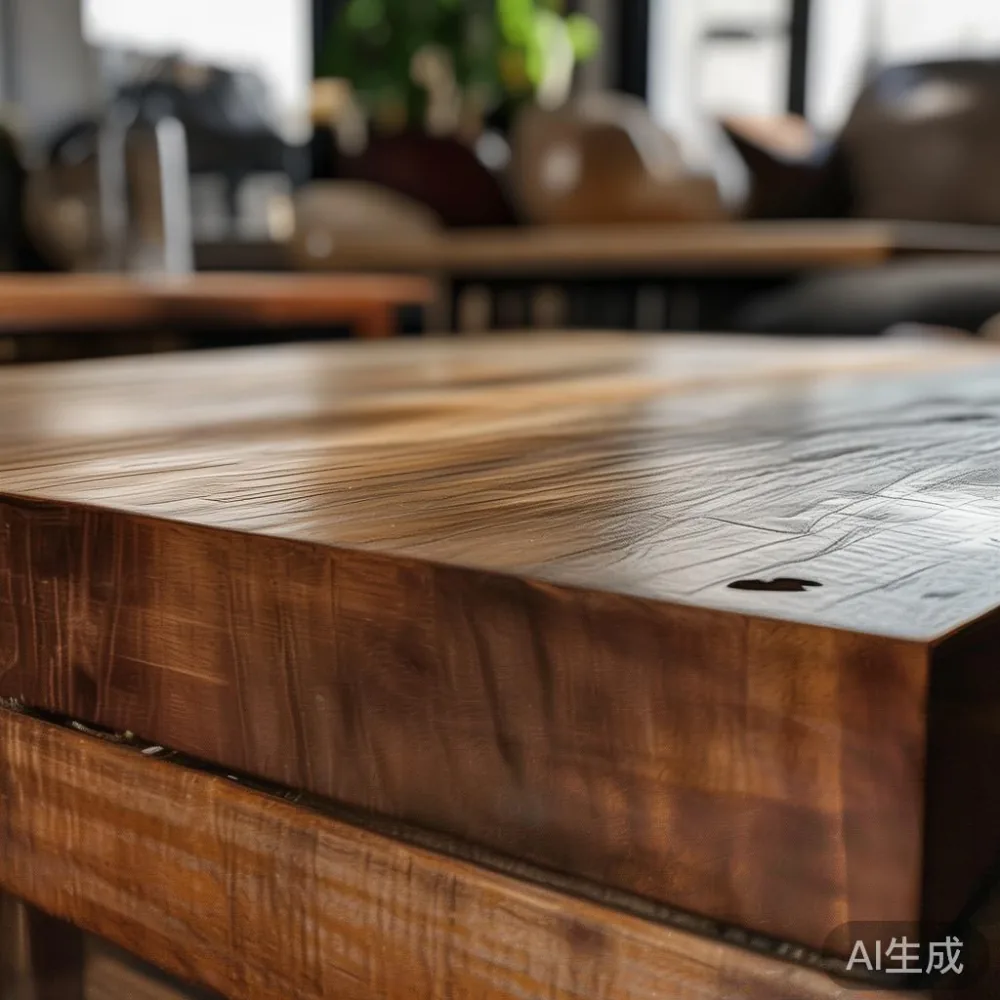
MIDHILL builds solid wood furniture for homes where material quality and long-term care matter. A 10-year structural warranty addresses the frame, while lifetime refinishing offers a route for restoring worn surfaces. Lacquer care remains the homeowner’s responsibility between service visits, particularly in humid conditions.
Why does lacquer behave differently in Singapore?
Lacquer is a cured surface coating rather than a thick layer of untreated timber. It can look reassuringly glass-like, but microscopic scratches, solvent-sensitive products, and prolonged moisture can still affect its appearance. Singapore’s outdoor relative humidity often changes quickly between air-conditioned rooms and warmer corridors. A surface may also collect fine dust that carries traces of road salt and cooking oil.

Temperature matters as much as visible moisture. A dark dining table near a west-facing condo window can reach 42°C by late afternoon, while a wardrobe in an entry recess may remain cooler and more humid. Rapid changes of this kind can stress lacquer, adhesives, and wooden movement beneath it. The finish does not need to be treated as fragile; it simply benefits from stable conditions and gentle habits.
Industrial style furniture often combines dark metal, solid wood, and restrained lacquer tones. Black, bronze, and graphite finishes show fingerprints and dust more readily than pale colours. Matte lacquer hides tiny marks but can show streaks if cleaned incorrectly. High-gloss lacquer reflects light beautifully but displays scratches, haze, and fingerprints under a 600-lux ceiling lamp. French light luxury, American light luxury, and post-modern light luxury all depend on controlled surface quality, so the final wipe matters.
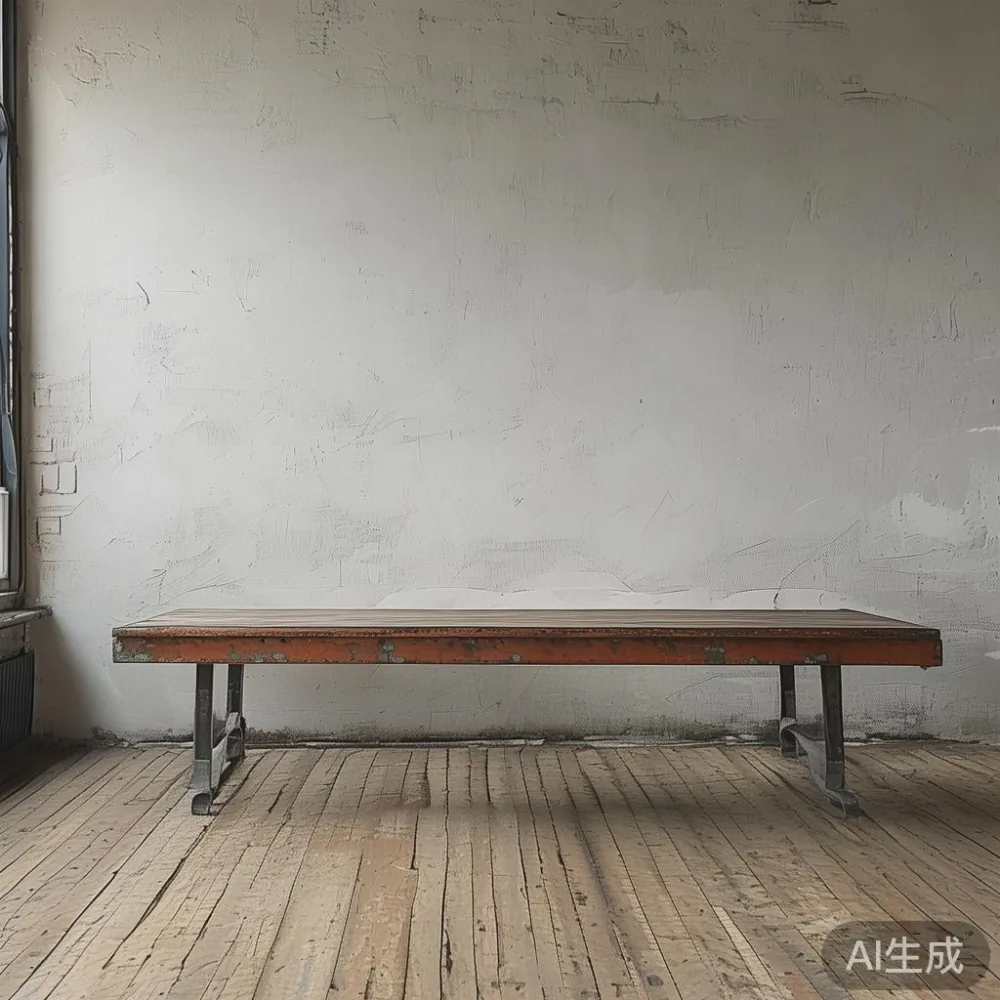
For product planning, include several access routes in your measurements. Check the lift door, lift cabin, corridor turns, stair landing, and apartment threshold. A 220 cm bed frame cannot turn a right-angled corridor if its diagonal is only 245 cm. The same attention used to choose how to choose European sofa for a compact living room should be applied before delivery day.
What supplies should a Singapore household keep ready?
Prepare a small care kit with 2 clean microfibre cloths, a soft brush with 2 cm bristles, a neutral pH-7 cleaner, plain water, and a 100 ml spray bottle. Add 4 white cotton swabs and 1 soft plastic eraser for isolated marks. The materials cost less than SGD 40 at a hardware shop, although prices vary by brand. A digital hygrometer costing about SGD 25 to SGD 60 can help identify persistently damp corners.
Keep nail-polish remover, paint thinner, alcohol, bleach, ammonia, and silicone residue off lacquer. These products can soften or dull the finish within minutes. Also avoid “all-purpose” sprays marketed for glass and bathrooms, since some contain residues that become sticky after several uses. For routine cleaning, dilute 5 ml of pH-7 cleaner in 500 ml of water. Never spray directly onto a dining table, wardrobe, or nightstand; mist the cloth instead.
Use coasters, placemats, felt pads, and a dining table runner. A 45 cm round coaster is useful for a 90 cm marble table accessory, but ordinary drinks should still use a coaster rather than a folded paper towel. Felt pads under an indoor plant pot prevent trapped moisture. Replace damp pads every 7 to 14 days, and keep planters at least 5 cm away from lacquered panels.
For a French provincial accent chair, check whether the seat frame, back, and arms are lacquered before applying the same method. If a cushion can be removed, clean it according to its own label. Do not assume that a solid wood sofa has a lacquered body; some wooden parts may be oiled, stained, or left unfinished.
How should I clean a lacquered surface each week?
Begin by removing loose dust with a dry microfibre cloth. For edges and narrow details, use a soft brush at a 45-degree angle so the bristles reach joints without abrading the coating. Wipe with the lightly damp cloth in sections of roughly 60 cm to 90 cm. Use modest pressure, about the force of pressing a folded receipt flat against the surface, rather than scrubbing.
Follow immediately with a clean, dry section of cloth. This second pass removes moisture and reveals streaks before they dry. Work from the least dusty area toward the dirtiest area. In a Bedok family flat, this routine could take 3 minutes for a 120 cm nightstand and 8 minutes for a 200 cm wardrobe. Cleaning small sections prevents solution from spreading over handles, hinges, or flooring.
Clean dining tables after meals and at least once every 7 days. Wipe kitchen-adjacent cabinetry every 3 to 5 days, especially during cooking periods. A wardrobe can be checked every 2 weeks, while a lacquered solid wood sofa needs a quick weekly pass. Vacuum upholstery separately with a 15 cm crevice tool and keep liquid cleaners away from wood.
Skip abrasive pads, metal wool, scouring powder, and stiff household brushes. They may remove a small amount of lacquer that would take months to recover. If a mark does not lift after 3 gentle passes, leave it and ask a specialist to assess it. Persistent rubbing can enlarge the damaged area.
How do humidity, sunlight, and indoor air conditioning affect lacquer?
Aim for indoor relative humidity around 45% to 65%, while avoiding abrupt direct airflow. A portable hygrometer placed 1 m above the floor can show whether a Punggol bedroom remains within that range. If readings exceed 70% for several hours, inspect window seals, drying laundry, and the position of the wardrobe. Improving air movement is usually more sensible than repeatedly wiping the surface.
Keep lacquered furniture at least 30 cm from an air-conditioner vent when possible. A central unit can send air across a bed frame every time it cycles. If clearance is impossible, lower the fan speed and make sure the bed or table is not blocking the outlet. Do not place wet laundry on a lacquered wardrobe door, and leave 5 cm of space between the wardrobe and an exterior wall if the layout allows.
Control sunlight with blinds or sheer curtains rather than moving furniture constantly. A west-facing Tampines balcony window may receive direct sun for 3 hours in the afternoon. A 40% blackout curtain can reduce exposure while preserving daylight. UV damage develops slowly, but repeated heat cycles can make clear lacquer yellow and can dry the timber beneath it.
During air-conditioning periods, close windows once the room has cooled and avoid leaving the air-conditioner running with doors open across the whole flat. That pattern wastes energy and increases humidity elsewhere. A sensible target is a stable 23°C to 27°C rather than an artificially cold 20°C room. Check the lacquer after 30 minutes of sunlight and again at night for condensation or haze.
How do I treat fingerprints, stains, and small scratches?
Fingerprints on gloss lacquer often disappear with a clean cloth and a trace of water. For stubborn marks, place a small drop of pH-7 cleaner on one cloth, never on the furniture, and test an area of 5 cm by 5 cm near a hidden edge. Wait 60 seconds, wipe once, and inspect under natural light. If the finish dulls, stop and use water only.
Water marks should not be treated with aggressive polishing. Dab with barely damp microfibre, then dry with a separate cloth. Ink and permanent-marker stains need careful isolation: lightly dampen a white cotton swab, blot from the outside inward, and change swabs after 1 pass. For oil-based stains, a specialist may use a lacquer-safe cleaning method; household solvent can permanently alter the sheen.
Surface scratches may be treated differently from deep gouges. A fine hairline mark might respond to a very mild lacquer polish approved for the exact finish, while a 1 mm gouge may expose timber or metal. Test only on an underside or rear panel, and keep the patch smaller than a 5 cm coin until the result is confirmed.
Do not place sticky notes directly on a lacquered wardrobe. Adhesive can lift the coating or leave a halo. Use archival, acid-free tape if temporary labelling is unavoidable, and remove it within 24 hours. Keep children’s crayons, correction fluid, nail tools, and toy Velocite cars away from the surface. A small protective mat under a study chair reduces friction without changing the room’s industrial style character.
Marble surfaces need their own routine. Wipe a marble table with water and a neutral cloth, never with vinegar or lemon. Keep acidic drinks and oily foods on trays. On a lacquered base, use a barrier between the marble and any cleaning moisture. If you are comparing a European light luxury nightstand, inspect whether the top is lacquered timber, stone, or another material before choosing cleaners.
How often should lacquer be inspected and professionally maintained?
Inspect lacquered furniture every 3 months for whitening, blistering, sticky patches, colour change, or lifting at edges. Pay attention to areas near sinks, balconies, lift corridors, and air-conditioner outlets. Record the date and a small photograph, then compare the same spot 90 days later. Consistent photographs can reveal a change that memory overlooks.
Arrange professional assessment after a deep scratch, chemical spill, water intrusion, or move involving a bump. If a delivery team scrapes a dining table, photograph the damage before assembly and keep the delivery note. Avoid applying furniture polish that contains silicone or heavy wax unless the finish manufacturer confirms compatibility.
Solid wood may move slightly as its moisture content changes. Do not tighten every fixing to the maximum simply because a tabletop feels alive. Follow the maker’s instructions, allow recommended gaps, and avoid wedging a cabinet tightly against a wall. A 2 mm gap may seem small, but it can accommodate normal seasonal movement and makes ventilation easier.
For lacquered seating, inspect the frame and finish separately. A solid wood sofa can have loose joints even when the lacquer remains sound. The same applies to a MIDHILL bed frame or bed: check centre supports, fasteners, and slats at least twice a year, while cleaning the visible lacquer every 1 to 2 weeks in a humid room.
MIDHILL’s lifetime refinishing service is particularly relevant to a dining table or wardrobe used daily, but service eligibility and scope should be confirmed before purchase. Ask what part is refinished, which lacquer is used, and whether the repair is performed in Singapore. Keep a record of maintenance and delivery conditions so the original finish can be matched as closely as possible.
Can light-luxury styling work in a small Singapore flat?
Yes, proportion and restraint do more than size. An industrial style solid wood sofa with a low-profile lacquered coffee table can suit a compact Tampines living room, provided circulation remains clear. Keep the coffee table 35 cm to 45 cm from the sofa edge where seated circulation is needed, and leave at least 60 cm beside a dining chair in a frequently used route.
Use warm lighting at approximately 2700K to 3000K. A 1,000-lumen ceiling fixture can illuminate a dining area without the glare that makes gloss finish look uneven. Add one table lamp with a fabric shade, checking that its base sits securely on a lacquered surface. French light luxury often relies on layered materials; in a HDB flat, a slim console, 2 framed prints, and one plant may be enough.
For bedroom planning, search results for how to style European light luxury sofa in bedroom can offer visual direction, but a sofa is not usually the room’s focal sleeping furniture. Keep the bed frame as the central piece, use a 40 cm-wide nightstand if space permits, and keep bedside cables out of the lacquered zone. A European light luxury nightstand can work well if its drawers clear the bed by 5 cm and its height allows comfortable lamp placement.
French sofa gallery photos and a request for the best Japandi sofa for 2026 can help compare proportions, but finish photographs cannot show how a coating behaves under local humidity. Ask for close-ups in daylight, inspect the underside, and request care instructions. If you need a different appearance, specify matte, satin, or gloss rather than relying on a colour name alone.
Delivery planning is part of ownership. Singapore GST should appear clearly on the invoice, and furniture should be delivered during a practical window confirmed with the supplier. Allow 2 to 4 weeks for standard production where applicable, while checking the promised date rather than assuming it. MIDHILL offers free shipping over US$350, so compare the final SGD total after GST and delivery charges before confirming.
What should I do immediately after a spill or humid incident?
Move liquids away from the furniture first. Lift a container rather than sliding it across a lacquered dining table, wardrobe, or bed frame. Blot the surface with a clean white cloth, change to a fresh section every 15 seconds, and avoid rubbing the stain into the finish. A 60-second response can matter more than an hour of cleaning later.
If the incident involves water, open nearby windows only when outdoor humidity is lower and air the room for 20 to 30 minutes. Run air movement gently, not directly across the wet area. For a wardrobe near a balcony, check skirting, wall paint, and floorboard moisture before closing the doors. Wet timber should dry before lacquer is assessed.
For a chemical spill, do not add another chemical. Identify the product, protect nearby fabrics, and contact the finish specialist. Give the manufacturer the product name and estimated quantity. If the affected item is a marble table, neutralize only with a material-approved method; acids can etch stone even when the lacquer beneath them appears intact.
After the incident, inspect at 24 hours, 72 hours, and 7 days. Look from low angles because whitening sometimes appears first under a sofa rail or beside a nightstand. If the mark remains visible after drying, stop using household solvents. Professional repair can preserve the industrial style silhouette far better than repeated DIY attempts.
A consistent routine is the practical answer: clean weekly, inspect quarterly, manage moisture, protect the surface from heat and sharp objects, and document damage promptly. This approach keeps lacquered solid wood furniture looking composed in Singapore’s conditions without pretending that a living home can remain untouched.