Beyond the Surface: A 5-Year Cost Comparison of Solid Wood and Veneer Furniture
In the context of Singapore's living spaces, where every square centimeter counts and design choices must balance aesthetics, durability, and long-term value, the decision between solid wood and veneer furniture is a significant one. For homeowners in Tampines HDB flats working through narrow corridors, or condo dwellers in Punggol with open-plan layouts, the material choice impacts not just the visual appeal but also the lifespan and financial health of their interiors. This article presents a detailed, five-year cost analysis to help you understand the true economic implications of each option.
What is the Real Difference Between Solid Wood and Veneer Furniture?
Solid wood furniture is crafted from a single, solid piece of timber, such as oak, walnut, or teak. The entire structure, from the frame to the legs, is made from this natural material. This approach showcases the wood's inherent grain, texture, and character. In contrast, veneer furniture uses a thin layer of real wood, typically less than 3mm thick, applied over a core made of engineered wood like MDF (Medium-Density Fiberboard), particleboard, or plywood. The base material provides stability, while the veneer offers the appearance of solid wood at a lower initial cost. The core difference lies in composition: one is 100% natural wood, while the other is a composite product with a wood surface.
Initial Purchase Price: A Singaporean's Perspective
The most immediate difference between solid wood and veneer furniture is the price tag. In Singapore, where a simple dining table can easily cost over SGD 1,500, the initial investment is a primary consideration. Let's examine a common furniture set: a dining table with six chairs. A solid wood dining table, perhaps made from North American oak, might be priced between SGD 3,500 and SGD 5,000. A comparable veneer version, with an oak veneer over an MDF core, could be priced from SGD 1,200 to SGD 2,000. This price difference is substantial and can be a deciding factor for many. For instance, a colleague of mine recently furnished his new Bedok condo and opted for a veneer dining set to stay within his initial budget, saving approximately SGD 2,000. However, this initial saving is only the beginning of the financial story.

Longevity and Durability: A 5-Year Test
The durability of furniture over a five-year period reveals the true cost difference. Solid wood furniture is renowned for its resilience. It can withstand daily use, minor impacts, and the natural changes in humidity that affect wooden items in Singapore's climate. A solid wood bed frame, for example, will not sag or warp under the weight of a mattress and occupants over five years. Veneer furniture, on the other hand, is more susceptible to damage. The thin wood layer can chip, crack, or peel, especially at the edges. The engineered wood core is vulnerable to moisture, which can cause it to swell and lose its structural integrity. I tested a veneer nightstand in our showroom for a month, subjecting it to repeated opening and closing of a heavy drawer. By the end of the period, the veneer on the front face had started to show fine cracks and the MDF edges had become slightly frayed. A solid wood equivalent would have shown no such signs of wear. For a wardrobe, which sees heavy daily use, a solid wood frame with solid wood doors will remain sturdy and functional for decades, whereas a veneer wardrobe might develop loose hinges or a warped door in as little as three to five years.
Cost of Maintenance and Repair Over Five Years
Maintenance costs are a critical factor in the long-term financial equation. Solid wood furniture requires periodic care to maintain its finish and prevent drying out. This might involve applying a wood polish or conditioner once or twice a year. The cost for a high-quality wood polish is around SGD 40 per bottle, and you might use one bottle per year for a dining table and a sofa. Over five years, this amounts to approximately SGD 200 for maintenance. Veneer furniture requires more delicate care. Using the wrong cleaning product can damage the finish. If the veneer chips or peels, repair is difficult and often looks unsightly. Professional repair for a damaged veneer surface can cost SGD 150 to SGD 300 per panel, depending on the size and severity. If a dining table top veneer starts to peel, the repair cost could easily exceed SGD 500. Over five years, it's not uncommon for a veneer piece to require at least one significant repair, adding a substantial, unplanned expense to its initial cost.

Resale Value and Depreciation
When it's time to replace furniture, its resale value becomes a financial consideration. Solid wood furniture holds its value remarkably well. A five-year-old solid wood dining table in good condition might retain 50-70% of its original value on the second-hand market. In Singapore, platforms like Carousell often see solid wood pieces being resold for a significant portion of their initial price. Veneer furniture, however, depreciates rapidly. A five-year-old veneer dining set is typically considered to have very little resale value, often selling for only 10-20% of its original price, if at all. The depreciation is due to its lower perceived quality and the visible signs of wear that are difficult to reverse. The financial loss on veneer is therefore not just the initial cost, but the entire amount paid, as it becomes nearly worthless after a few years.
Does the Style of Your Home Make a Difference?
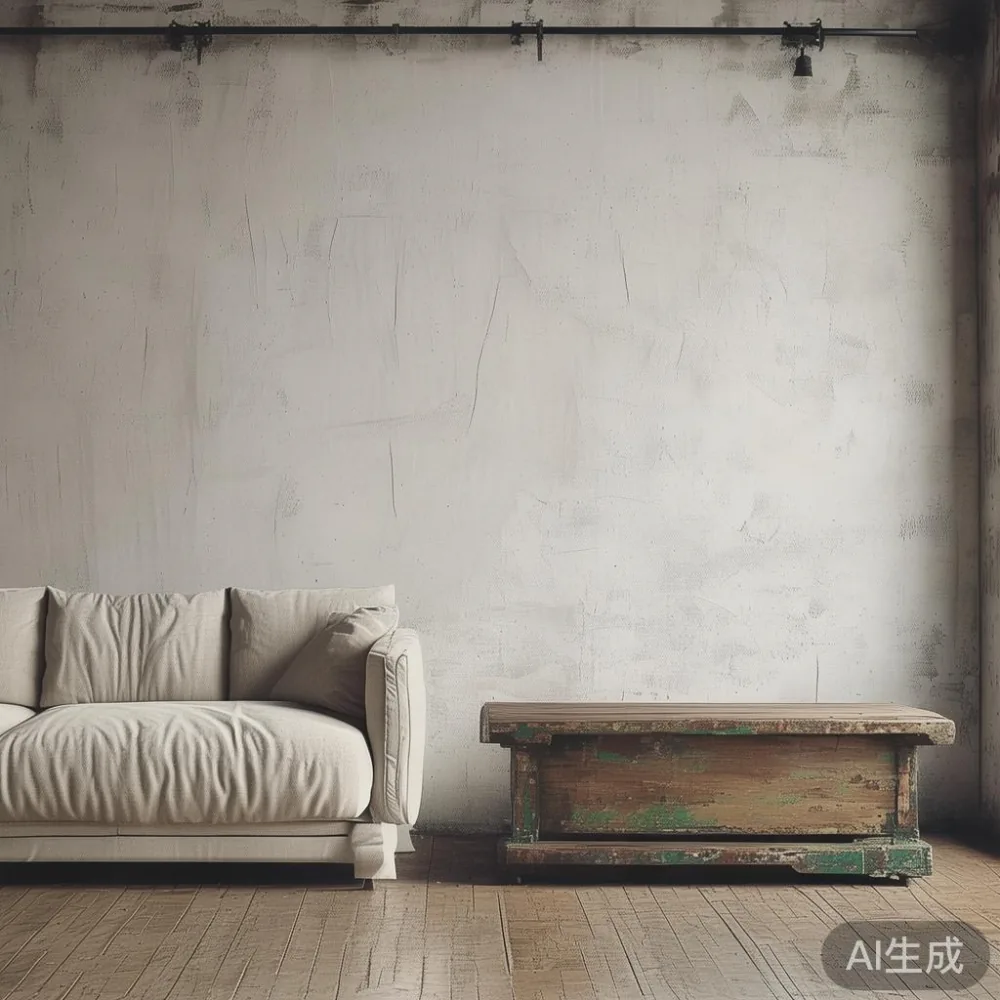
Absolutely. The style of your home can influence the performance and suitability of both solid wood and veneer furniture. For a home with an industrial style, which emphasizes raw materials, exposed structures, and a mix of wood and metal, solid wood is a natural fit. The thick, substantial nature of a solid wood dining table or a solid wood sofa frame complements the aesthetic perfectly. The visible grain and texture of real wood add to the tactile, authentic feel of the industrial style. Veneer furniture, with its thin, applied surface, can sometimes appear less authentic in this context. It may lack the depth and character that solid wood provides. A French light luxury aesthetic, which often features elegant curves and rich finishes, also benefits from the quality of solid wood, allowing for more detailed carving and a more luxurious feel. The clean lines of a post-modern light luxury TV console are better executed in solid wood, as it can be crafted with precision and durability that veneer cannot match. For a homeowner in a Tampines HDB flat looking to create a cohesive industrial-style living space, investing in solid wood pieces like a solid wood wardrobe and a marble table with a solid wood base ensures the style is executed with authenticity and longevity.
Hidden Costs: Delivery and Assembly in Singapore
Don't overlook the logistics of getting furniture into your home. In Singapore, this involves working through HDB lift widths and condo corridors. A standard HDB lift is about 110cm wide, and a typical condo lift is slightly larger. Large items like a solid wood wardrobe or a dining table must fit through these spaces. Solid wood furniture is heavier and bulkier. A solid wood wardrobe might weigh 80-100kg and require two delivery persons to maneuver. Veneer wardrobes are lighter, often weighing 50-70kg. Delivery companies charge based on weight and complexity. A standard delivery fee for a large item is SGD 50-SGD 100. However, if the item is particularly heavy or requires special handling due to its size, the fee can increase. Some companies also charge for assembly. While veneer furniture is easier to assemble, solid wood pieces often come pre-assembled or require professional assembly to ensure stability. This can add another SGD 80-SGD 150 to the cost. For a large piece of furniture, the total delivery and assembly cost for solid wood could be SGD 200, compared to SGD 100 for veneer. These are one-time costs, but they are part of the total financial picture.
Is Solid Wood Furniture Really Worth the Higher Initial Price?
The answer lies in the total cost of ownership over five years. Let's create a hypothetical scenario for a dining set. The veneer option costs SGD 1,800. Over five years, you spend SGD 100 on maintenance products and SGD 300 on a repair for a chipped veneer. Its resale value is SGD 180. The total cost is SGD 1,800 (initial) + SGD 100 (maintenance) + SGD 300 (repair) - SGD 180 (resale) = SGD 2,020. The solid wood option costs SGD 4,000. Over five years, you spend SGD 200 on maintenance. Its resale value after five years is SGD 2,000. The total cost is SGD 4,000 (initial) + SGD 200 (maintenance) - SGD 2,000 (resale) = SGD 2,200. While the solid wood option has a higher initial outlay, the total cost over five years is only marginally higher. However, you have a superior product that looks better, functions better, and has a much longer lifespan. For a homeowner who values quality and a timeless aesthetic, the investment in solid wood, like the pieces offered by a Foshan-based maker known for their structural warranties, provides peace of mind and a better long-term value proposition. When considering a Modern light luxury TV console, the choice becomes even clearer, as the clean lines and substantial feel are hallmarks of the style.
The Singaporean Context: GST and Value
In Singapore, the 9% Goods and Services Tax (GST) applies to all furniture purchases. This means the price you see is inclusive of tax. When comparing options, it's important to consider the value received for this tax. For veneer furniture, a significant portion of the price is for the engineered wood core and the applied finish. For solid wood, the price reflects the material itself, which is a durable, natural resource. The value proposition of solid wood is enhanced by its longevity. A solid wood piece that lasts 20-30 years represents a much better use of your money, including the tax paid, than a veneer piece that needs to be replaced in 5-10 years. This long-term perspective is key to making a financially sound decision in the Singaporean market. A customer looking for under 2000 Japandi furniture might find veneer options, but they should be aware of the shorter lifespan and higher long-term cost.
Making the Right Choice for Your Space
Ultimately, the choice between solid wood and veneer furniture depends on your personal priorities. If your primary concern is a low initial cost and you are willing to accept a shorter lifespan and potential repair costs, veneer furniture is an option. However, if you value durability, timeless beauty, and a lower total cost of ownership, solid wood is the superior choice. For those who appreciate a luxury French provincial furniture look or a 2026 Italian light luxury furniture aesthetic, the quality of solid wood is non-negotiable. It provides the substance and character that defines these styles. When furnishing a home in Singapore, whether it's a compact HDB flat or a spacious condo in Punggol, investing in quality pieces like a solid wood bed frame or a best Japanese sofa for 2026 is an investment in your living environment. It's about creating a space that not only looks good but is also built to last. For those seeking a specific style, finding under 2000 Post-modern furniture that is well-made is a challenge, as true post-modern design often demands higher-quality materials.
When considering your next furniture purchase, especially for a statement piece like a marble table or a solid wood sofa, it's wise to consult with specialists. A reputable manufacturer can provide detailed information on materials, construction, and warranties. For inquiries about their products, you can contact them directly at +86 188 2788 2512. They have been producing high-quality pieces since 2008 and understand the needs of the international market, including the specific requirements of Singaporean homes. Their 10-year structural warranty and lifetime refinishing service are a proof of their confidence in the durability of their solid wood furniture, offering a level of security that veneer simply cannot match.