The Anatomy of Price: What Truly Drives the Cost of Industrial Style Solid Wood Furniture
For homeowners in Singapore working through the unique dimensions of HDB flats in Tampines or the tighter corridors of a condo in Punggol, furniture is more than decor; it's a functional investment. The question of 'why' a solid wood dining table costs what it does is a common one, especially when faced with price tags that can range from a few hundred to several thousand Singapore dollars. The answer lies not in a single factor, but in a detailed breakdown of materials, craftsmanship, design, and the very real-world logistics of bringing a piece of furniture from a Foshan workshop to your living room. This article explores the tangible components that determine the price of industrial-style solid wood furniture, a category defined by its honest use of materials and structural elements.

Why Does a Solid Wood Dining Table Cost So Much in Singapore?
The price of a solid wood dining table, particularly one crafted with an industrial aesthetic, reflects a combination of material quality, manufacturing processes, and logistical considerations. Unlike mass-produced furniture made from particleboard or veneers, a genuine solid wood table is built to last for decades. The wood itself is a primary cost driver. Hardwoods like oak, walnut, or mango, chosen for their durability and rich grain, are expensive raw materials. A single dining table top measuring 180cm x 90cm can require a significant amount of high-grade lumber, often costing several hundred dollars per square meter before any work begins.
Industrial style emphasizes the material's natural beauty and structural honesty. This means extensive hand-finishing is often required to enhance the wood's character, a process that involves sanding, staining, and applying protective oils or lacquers. This labour-intensive step adds to the final cost. Also, the industrial aesthetic frequently incorporates metal components—such as heavy-duty steel legs or support frames. These metal parts are not simple tubes; they are often custom-fabricated, powder-coated for durability, and securely bolted to the wood frame, adding another layer of material and labour expense. When you consider the GST applied in Singapore and the free shipping offer for orders over SGD 350, the price begins to represent a comprehensive value proposition rather than a simple sum of parts.
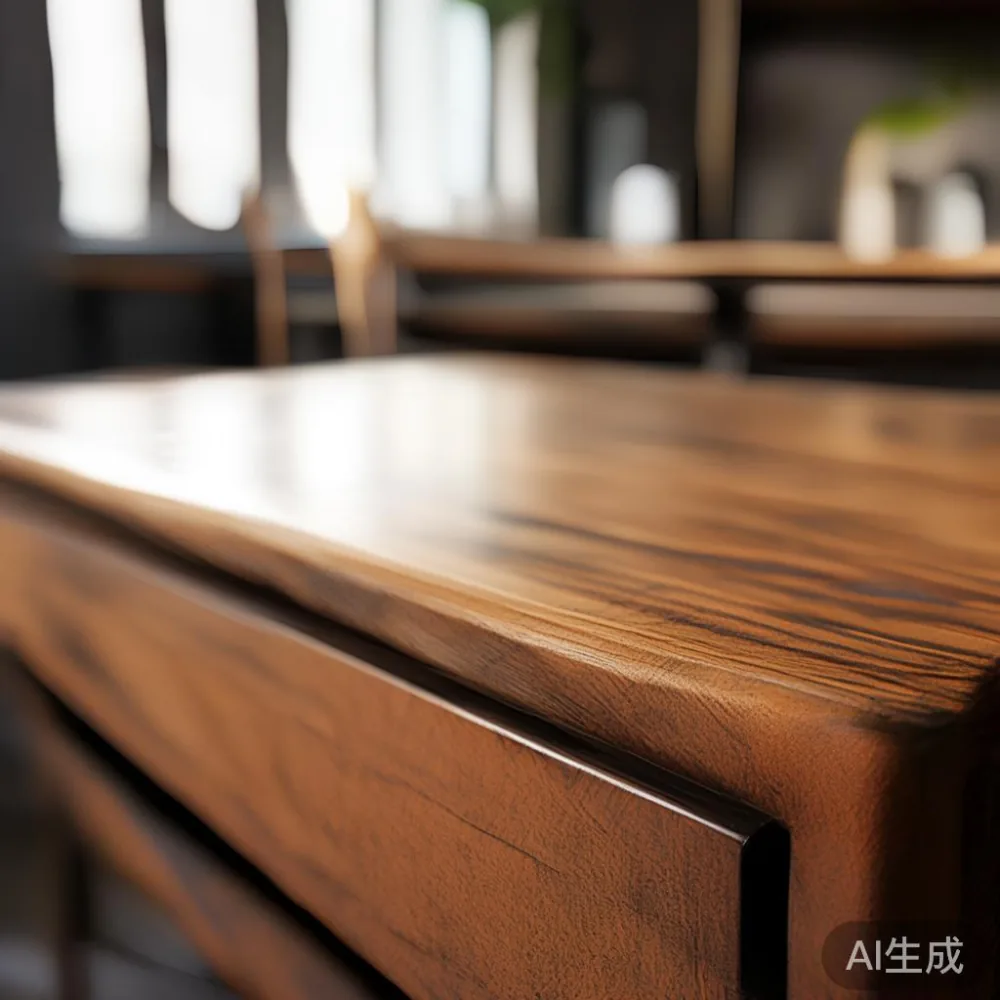
Material Matters: Beyond the Surface of Solid Wood
The phrase 'solid wood' can be misleading. The type of wood, its source, and even the part of the tree it comes from dramatically impact the price. Solid wood furniture is typically made from hardwoods, which are denser and more durable than softwoods like pine. For instance, a solid wood bed frame made from American white oak will command a higher price than one made from Asian rubberwood. The difference lies in the wood's hardness, stability, and the long, straight grain patterns that are prized in furniture making.
Industrial style often celebrates the natural imperfections of wood, such as knots, mineral streaks, and variations in colour. While this reduces the need for flawless, 'clear' lumber, it requires a skilled craftsman to select and match these pieces to create a cohesive and beautiful final product. This selective process is more time-consuming than simply using uniform, factory-graded wood. The weight of the furniture is also a direct indicator of quality. A solid wood wardrobe, for example, will be substantially heavier than a veneered alternative, often weighing over 100kg. This heft is a proof of the density and quality of the material used, contributing to its longevity and stability in a humid Singapore climate.
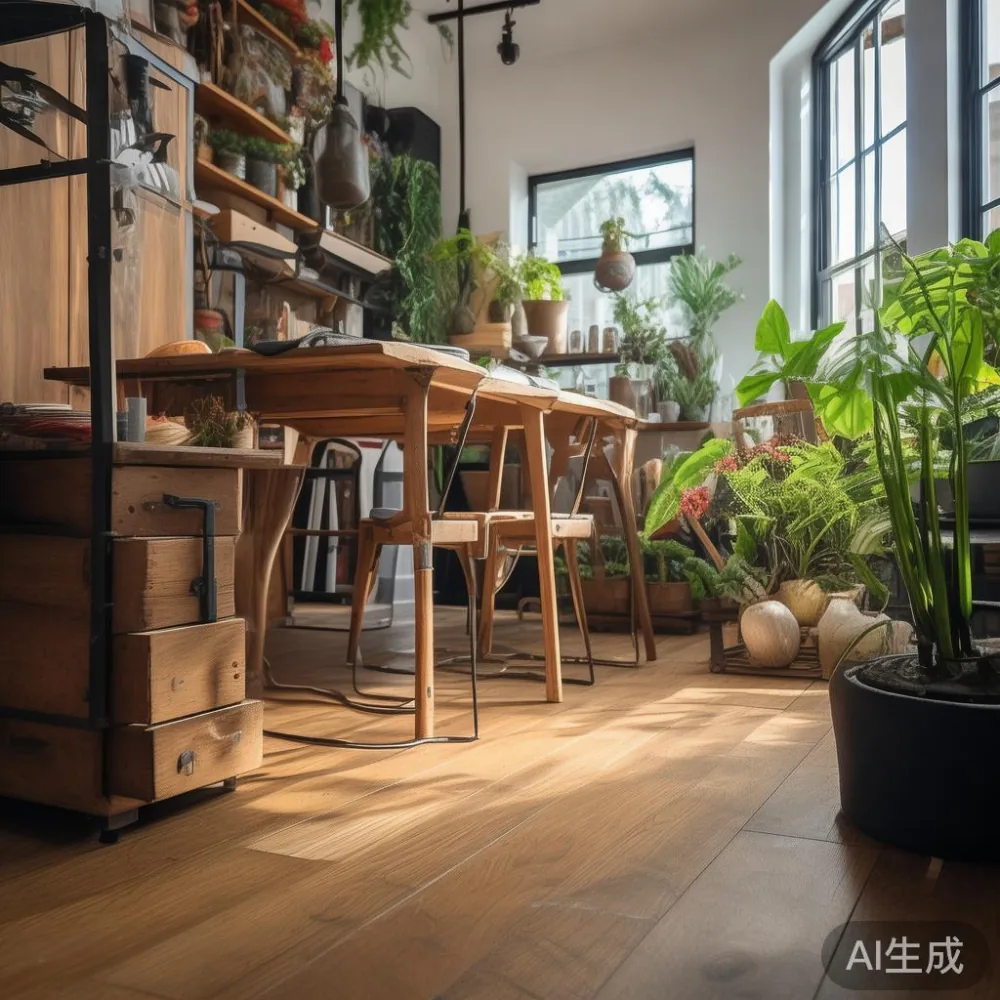
The Craftsmanship Behind the Industrial Aesthetic
Industrial style is not just about the materials; it's about the way they are joined and finished. This is where craftsmanship becomes a significant price factor. The construction methods used in high-quality furniture, such as mortise and tenon joints or dovetail joinery for drawers, are far more labour-intensive and require a higher level of skill than simple screw or glue assembly. These traditional techniques create stronger, more durable furniture that can withstand the test of time.
Last month, I visited a partner workshop in Foshan to observe their process. Watching a master craftsman hand-fit the legs to a solid wood sofa frame was a revelation. The precision required to ensure every joint was perfectly square and secure was immense. This level of attention to detail cannot be rushed and is a key differentiator from mass-produced items. The finishing process is equally critical. For a piece like a MIDHILL TV console, the application of multiple coats of protective lacquer, sanded between each layer to a glass-smooth finish, can take several days per piece. This dedication to craftsmanship ensures the furniture not only looks beautiful but is also protected against daily wear, spills, and Singapore's high humidity, which is a core part of the brand's 10-year structural warranty.
How Design and Functionality Influence the Price Tag
The design of a piece of furniture is a major driver of its price. A simple, minimalist design might seem cheaper, but the clean lines of industrial style require precision in execution. A well-designed industrial-style nightstand, for example, might feature a combination of a solid wood top and a powder-coated steel frame with a specific, non-standard dimension to perfectly fit beside a bed. This bespoke design element requires custom fabrication, which is more expensive than using off-the-shelf parts.
Functionality also plays a role. A dining table needs to be sturdy enough to support the weight of a marble table top and the daily use of a family in a Bedok HDB flat. This means a solid internal frame and thick, solid wood planks are non-negotiable, adding to material and construction costs. Similarly, a wardrobe must not only look good but also function flawlessly with smooth-gliding drawers and sturdy hanging rails. The integration of these functional elements into a cohesive design requires thoughtful engineering and skilled labour, which are reflected in the final price. A customer searching for the 'best Modern sofa for 2026' is often paying for this thoughtful design that balances aesthetics with real-world utility.
What Are the Hidden Costs of Furniture Delivery in Singapore?
What many consumers don't see are the significant logistical costs involved in getting furniture from a factory in China to a home in Singapore. This is a substantial part of the final price. For a large item like a solid wood bed frame, the process begins with careful packaging. The frame is wrapped in thick foam and placed in a wooden crate to protect it during the 5-7 day sea voyage to Singapore. The cost of this specialised packaging and shipping container space is significant.
p>Once the furniture arrives in Singapore, it must be transported from the port to the customer's address. This involves hiring a specialised furniture moving company. These companies use vans with air suspension to prevent damage and have staff trained to handle large, awkward items like wardrobes. The challenge is particularly acute for those living in older HDB estates where lift and corridor widths can be tight. A standard wardrobe might be 60cm deep, and working through it into a lift or around a corner requires expertise and the right equipment, adding to the delivery fee. This is why offers of free shipping over a certain value, like SGD 350 from a company established in 2008, are so valuable—they absorb a major portion of this complex and expensive logistics chain, offering a tangible benefit to the customer.Long-Term Value: The True Cost of Ownership
When evaluating the price of solid wood furniture, it's important to consider the total cost of ownership, not just the initial purchase price. A cheaper, non-solid wood piece may seem attractive, but its lifespan is often limited. Veneers can peel, particleboard can swell and disintegrate in Singapore's humidity, and joints can fail within a few years.
In contrast, high-quality solid wood furniture is an investment. The 10-year structural warranty offered by established makers provides peace of mind, guaranteeing the integrity of the frame. Beyond the warranty, the ability to refinish the furniture is a key benefit. A solid wood dining table or bed frame can be sanded down and refinished multiple times over its decades-long lifespan, completely changing its appearance to match evolving tastes. This 'lifetime refinishing' option means the piece can adapt to your home, whether you move from a Punggol apartment to a larger landed property. A customer asking 'is Japanese sofa worth it' is often considering this long-term value proposition. While the initial price might be higher, the longevity and adaptability of a well-made piece mean it offers a better return on investment over time compared to disposable furniture. This enduring quality is the hallmark of true light luxury, whether it's French in its inspiration or post-modern in its execution.