The 5-Year Financial Reality Check: Veneer vs. Solid Wood in Singapore Homes
When furnishing a Singapore home, the choice between veneer and solid wood furniture is a significant one, impacting both aesthetics and long-term finances. This decision becomes even more nuanced when considering the specific constraints and lifestyle of Singaporean living, from the compact dimensions of HDB flats to the more expansive layouts of condominiums in areas like Tampines, Bedok, and Punggol. The humid climate, the realities of GST, and the need for durable pieces that can withstand daily use all factor into this calculation. This article provides a detailed 5-year cost comparison, moving beyond the initial purchase price to examine maintenance, longevity, and the hidden costs of ownership, helping you make an informed investment for your space.
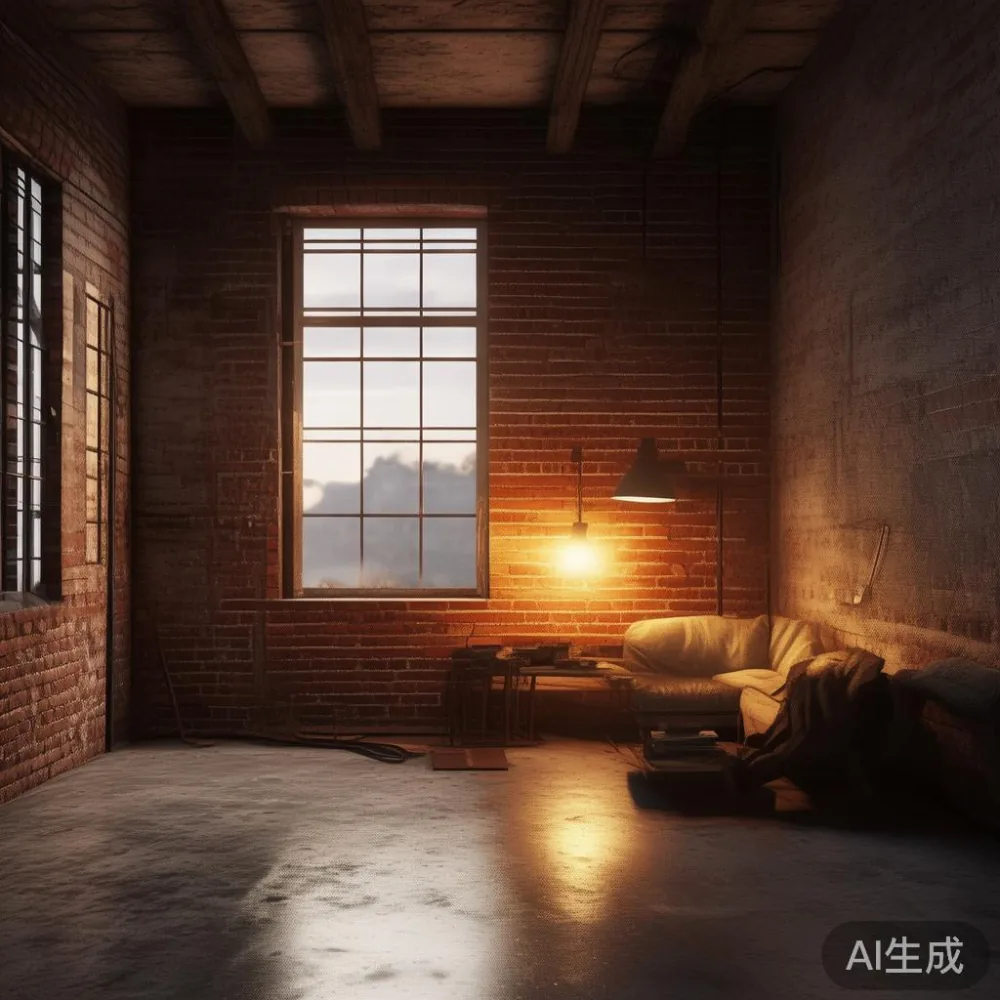
Understanding the Core Difference: Veneer and Solid Wood Construction
To begin, it's important to define the two materials. Solid wood furniture is constructed from a single, solid piece of timber, such as oak, walnut, or teak. A solid wood dining table, for instance, is made from one or more solid planks of wood joined together. This construction is what gives the piece its characteristic weight, natural grain, and durability. The structural integrity of a solid wood bed frame or wardrobe comes directly from this solid composition, allowing it to be repaired, refinished, and passed down for generations.
Veneer, on the other hand, is a thin layer of real wood applied over a core substrate, which is typically a composite material like Medium-Density Fibreboard (MDF), particleboard, or plywood. A veneer nightstand might have a beautiful oak finish on its surface, but the internal structure is made of engineered wood. While high-quality veneers can be very attractive and stable, they are fundamentally different from solid wood. The core material dictates the piece's long-term durability and repairability. Understanding this fundamental difference is the first step in evaluating their true cost over a 5-year period.
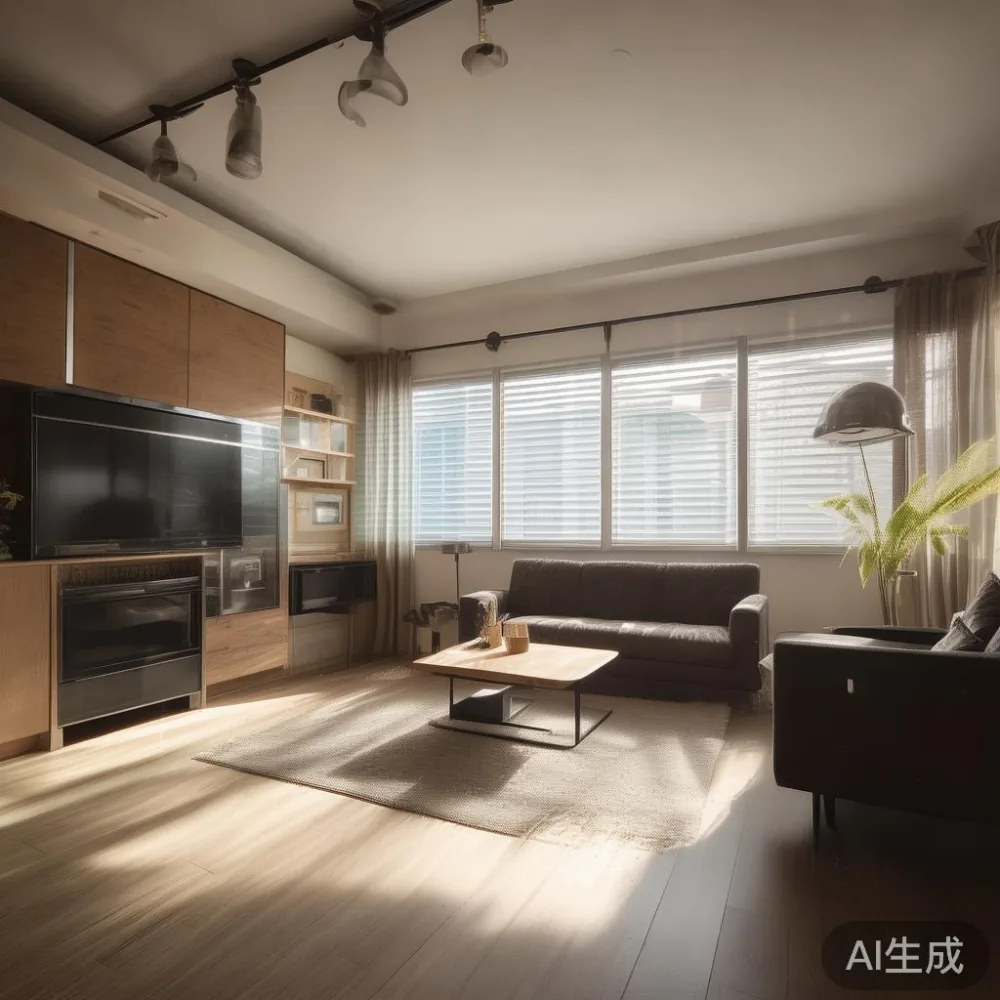
Initial Investment: A Singapore Perspective on Pricing
The initial outlay for solid wood furniture is invariably higher than for its veneer counterpart. In Singapore, a solid wood dining table measuring 180cm x 90cm from a reputable maker can cost between SGD 2,500 and SGD 4,500. A solid wood bed frame for a queen-size mattress might range from SGD 1,800 to SGD 3,200. These prices reflect the cost of premium materials and skilled labour.
A veneer dining table of similar dimensions might cost between SGD 800 and SGD 1,800, while a veneer bed frame could be priced from SGD 600 to SGD 1,200. The price difference is substantial. However, this initial purchase price does not tell the whole story. For example, a friend of mine recently furnished his new Bedok HDB flat. He opted for a veneer dining table set to save money upfront. He found a set for SGD 1,200. A solid wood equivalent from a maker like MIDHILL, which has been crafting furniture since 2008, would have cost him over SGD 3,000. He felt he had made a smart financial decision at the time, but the story changed over the next few years.
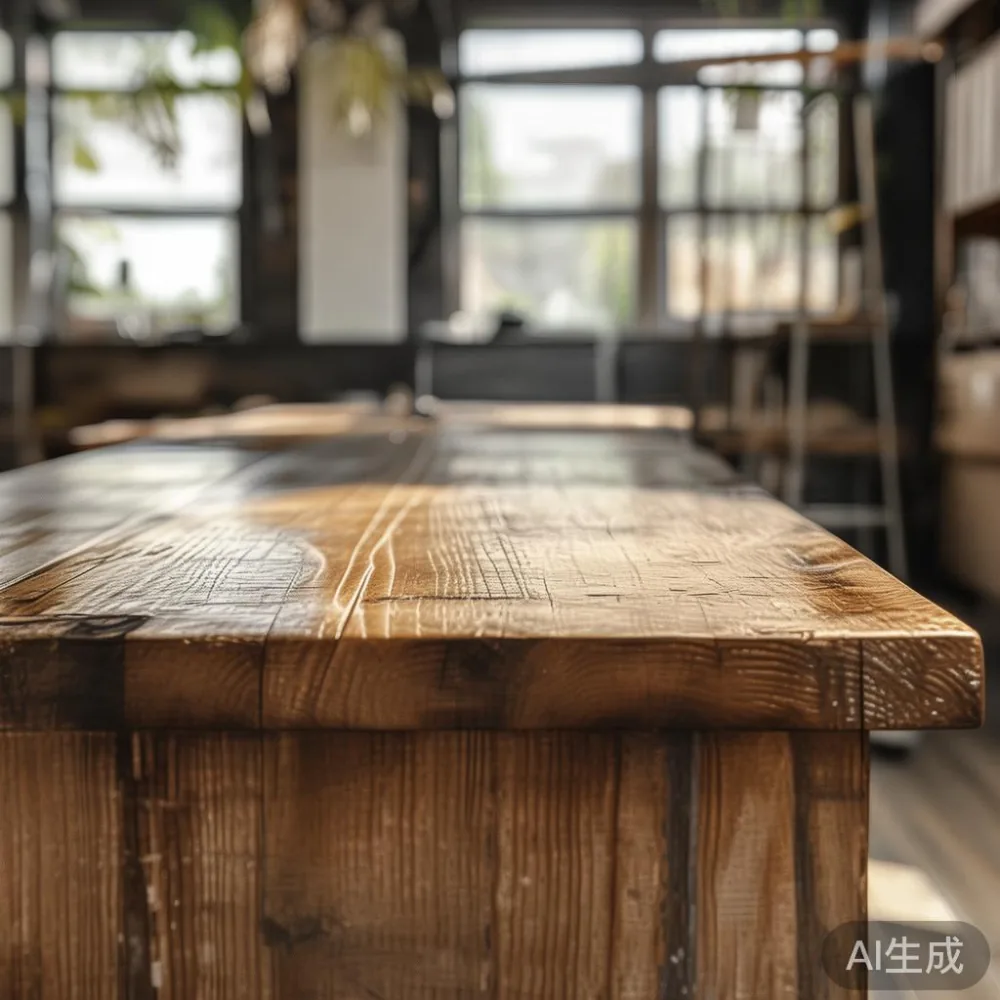
Cost of Ownership: Maintenance and Repair Over 5 Years
This is where the financial divergence between veneer and solid wood becomes most apparent. Solid wood is a living material that responds to its environment. In Singapore's high humidity, solid wood furniture can expand and contract. This requires a simple maintenance routine: wiping with a damp cloth and applying a wood conditioner or polish every 6 to 12 months. This care is preventative and costs approximately SGD 50 to SGD 100 per year for a full set of dining and bedroom furniture. A solid wood wardrobe might need occasional tightening of screws, but the structure itself is resilient.
Veneer furniture presents a different maintenance challenge. The thin wood layer is susceptible to damage from moisture. If water is left on a veneer surface, it can cause the veneer to bubble, peel, or warp. Repairing this damage is difficult and expensive. A professional repair for a bubbled section on a dining table can cost SGD 200 to SGD 400 per incident. If the core MDF substrate gets wet, it swells and loses its structural integrity, often leading to the piece being irreparable. Over 5 years, the cost of repairs for veneer furniture can easily exceed the initial savings over solid wood.
Longevity and Resale Value: The True Test of Value
The lifespan of furniture is a critical component of its cost. A well-made solid wood dining table can last 50 years or more. Its value is not just in its function but also in its enduring quality. Many pieces of solid wood furniture appreciate in sentimental and sometimes monetary value. When the time comes to replace it or move, a solid wood piece can often be sold second-hand for a reasonable percentage of its original price. A 10-year-old solid wood bed frame might still be sold for 30-40% of its purchase price.
Veneer furniture has a significantly shorter lifespan, typically 5 to 15 years, depending on the quality of the core and the level of care. After this period, the veneer often begins to show signs of wear, delaminate, or the substrate may fail. The resale value of veneer furniture is negligible. It is often difficult to give away, let alone sell. When my colleague in Punggol decided to upgrade her dining set after 7 years, her veneer table was too damaged to sell and had to be disposed of. She had received zero financial return on her initial SGD 1,500 investment. This stark contrast in longevity is a major factor in the 5-year cost analysis.
Is Solid Wood Furniture Really Worth the Higher Price in Singapore?
This is the question many Singaporeans ask when standing in a showroom. The answer lies in viewing furniture not as a disposable expense but as a long-term investment. Let's do a simple calculation for a dining table and a bed frame over a 5-year period.
Scenario A: Veneer Furniture
- Initial Purchase: SGD 2,000 (Table + Bed Frame)
- Maintenance/Repair Costs: SGD 350 (minor repairs, polish)
- Replacement Cost (after 5-7 years): SGD 2,000 (assuming full replacement)
- Total 5-Year Cost: SGD 4,350
Scenario B: Solid Wood Furniture
- Initial Purchase: SGD 4,500 (Table + Bed Frame)
- Maintenance Costs: SGD 250 (polish, tightening)
- Resale Value (after 5 years): SGD 1,350 (30% of purchase price)
- Net Cost: SGD 4,500 + SGD 250 - SGD 1,350 = SGD 3,400
Over 5 years, the solid wood option is actually cheaper when you factor in the need to replace the veneer set. Also, a solid wood piece is an asset you can keep and enjoy for decades, while the veneer set becomes a recurring expense. For those exploring styles like under 2000 Coastal furniture or under 2000 Japanese furniture, the principles of durability and longevity remain the same, regardless of the aesthetic.
Style, Space, and Singaporean Living
Beyond cost, the choice of material impacts how furniture fits into your home. The industrial style, with its emphasis on raw, honest materials, is a perfect aesthetic match for solid wood. The visible grain, natural imperfections, and solid heft of a solid wood piece embody the industrial ethos. A solid wood sofa with its clean lines and exposed joinery can be the centerpiece of a Tampines condo living room, creating a warm yet modern contrast against concrete walls and metal accents.
Styling a European sofa in an apartment requires considering the material's interaction with the space. A light luxury sofa vs Nordic sofa comparison often highlights the difference in material philosophy; the light luxury option frequently features premium solid wood bases, while the Nordic style may use lighter woods or painted finishes. The solid wood construction provides a stable, substantial base that feels more luxurious and durable over time. For a dining room, choosing Post-modern for dining room pieces often means selecting items with bold forms and solid wood construction to make a statement. The weight and presence of a solid wood marble table, for example, cannot be replicated by a veneer alternative, which would feel flimsy and out of place in a substantial industrial-style setting.
The Practicalities of Delivery and Warranty in Singapore
Purchasing furniture in Singapore involves practical considerations like delivery and assembly. Reputable manufacturers, like those from Foshan Lingzhan, understand the logistics. Delivery for a solid wood dining table to a HDB flat in Bedok typically takes 7 to 14 business days after ordering. The delivery team will usually bring the item to the lift lobby. Given the standard HDB corridor width of 1.2 metres, a disassembled table frame can be manoeuvred into the unit. The marble top, however, is a different matter. A 180cm marble top is extremely heavy (over 80kg) and requires two people to carry safely up the stairs or through the corridor. Many companies offer a white-glove service for this, but it's an important logistical detail to confirm.
This is where a warranty becomes a critical safety net. A 10-year structural warranty from a company established in 2008 provides immense peace of mind. It covers defects in the wood, joinery, and frame, protecting your investment against premature failure. In contrast, a veneer product might only come with a 1 or 2-year warranty, often excluding damage from humidity or normal wear. For a European light luxury bed, which represents a significant investment, a long-term warranty is not just a promise but a necessity. The ability to return a product within 14 days if it doesn't fit or meet expectations, coupled with free shipping over SGD 350, makes the purchasing process less risky and more transparent for the consumer.