Caring for Lacquered Industrial-Style Furniture in a Singapore Home
I keep a small black notebook of every furniture question readers send me, and the ones from Tampines, Bedok, and Punggol all share a single weather complaint: humidity. Last month I visited a 92 sqm HDB flat in Punggol where the owners had just unboxed a 2.4 m solid wood dining table finished in a matte lacquer, and within nine days the tabletop had developed a faint cloudy ring under a vase. The culprit was not the factory; it was the ambient relative humidity holding at 82% for a week. That visit is the reason this guide exists, because lacquer and tropical air need a steady routine, not wishful thinking.
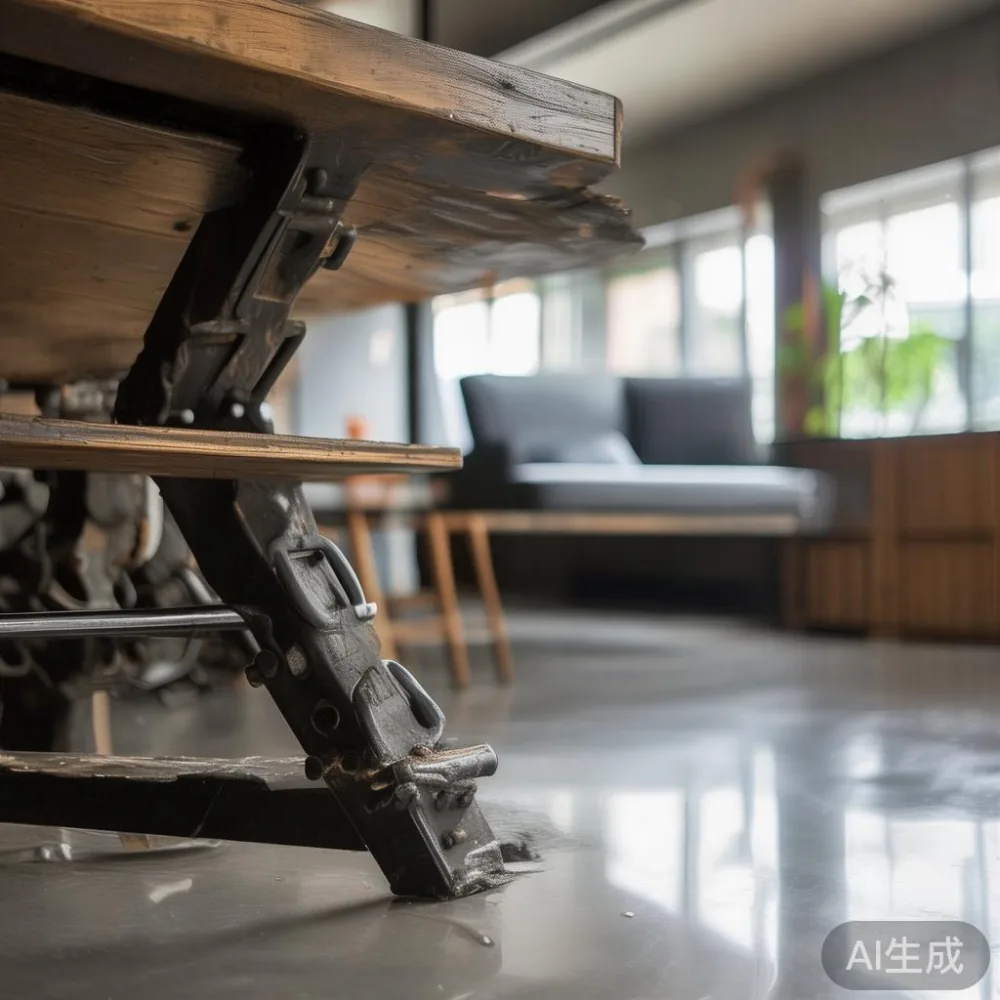
Why Singapore's Climate Is Hard on Lacquer
A lacquered surface is in effect a thin polymer skin stretched over solid wood. In a city where the mean monthly relative humidity rarely drops below 74% and indoor temperatures sit between 26°C and 31°C for ten months of the year, that skin is constantly absorbing and releasing moisture. Wood fibres underneath swell and shrink with the humidity, and the lacquer has to flex with them. When flexing exceeds the elastic range, you get micro-cracks, haziness, or the cloudy patches my Punggol hosts saw. Add afternoon sun streaming through a west-facing balcony door, and the surface temperature can climb another 12°C to 15°C above ambient, accelerating the problem. A lacquered industrial style piece, with its characteristic open-pore ash, dark walnut, or reclaimed teak, is particularly vulnerable because the finish is usually a matte or low-sheen lacquer that is more porous than a piano-grade gloss.
Singapore HDB and condo corridors are usually 1.2 m to 1.5 m wide, and most lift cabins measure about 1.1 m deep by 1.4 m wide, so a 2.4 m dining table or a king-size bed frame almost always arrives flat-packed. That is good news for lacquer integrity: fewer joints stressed during delivery means fewer micro-cracks on day one. It does, however, mean you are the one assembling the piece, so read the torque instructions carefully. Over-tightening a bolt on an industrial style bed frame can pinch the lacquer at the corner blocks and create a stress point that later turns into a hairline crack.
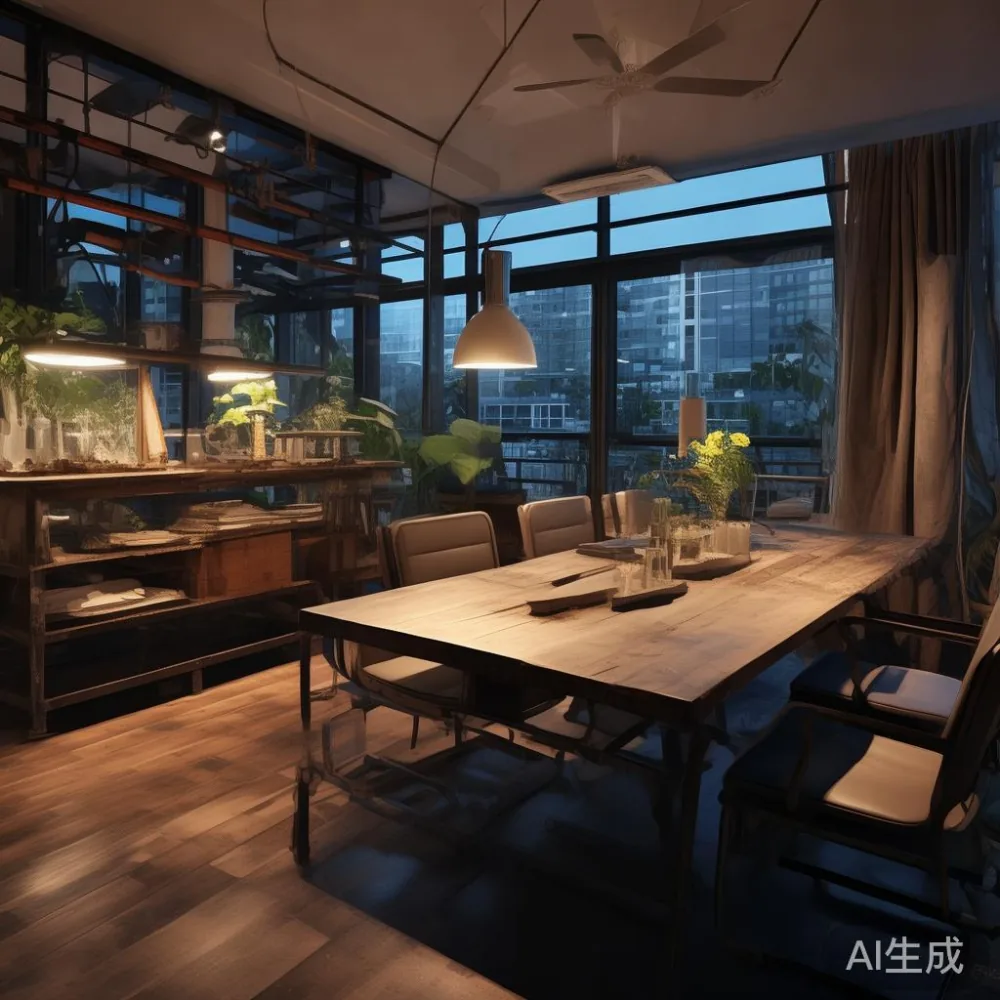
The 7-Day Acclimatisation Rule That Saves Lacquer
Before you even think about wiping the surface, let the piece rest. Solid wood furniture manufactured in Foshan leaves the factory at roughly 35% to 45% relative humidity. Foshan's annual average sits around 79%, which is close to Singapore's, but the kiln-drying process takes the wood far below that. When the timber enters a 78% environment, it will absorb moisture until it reaches equilibrium, and that takes time. For a dining table or a wardrobe, leave the packaging open in the room where it will live for at least 7 days. For a nightstand or a smaller marble table, 5 days is usually enough. Skip this step and the lacquer will haze, joints will creak, and drawers will swell shut within a month.
Where you place the piece during acclimatisation matters. Keep it away from the air-conditioning direct line. A constant 22°C blast on one side of a solid wood sofa frame while the other side sits in 28°C room air will cause uneven moisture movement and, eventually, a twist in the frame. Aim for a spot at least 1.5 m from the nearest AC vent. If your flat is corner-unit with cross-ventilation from two windows, close one window during the first week to slow the air exchange.
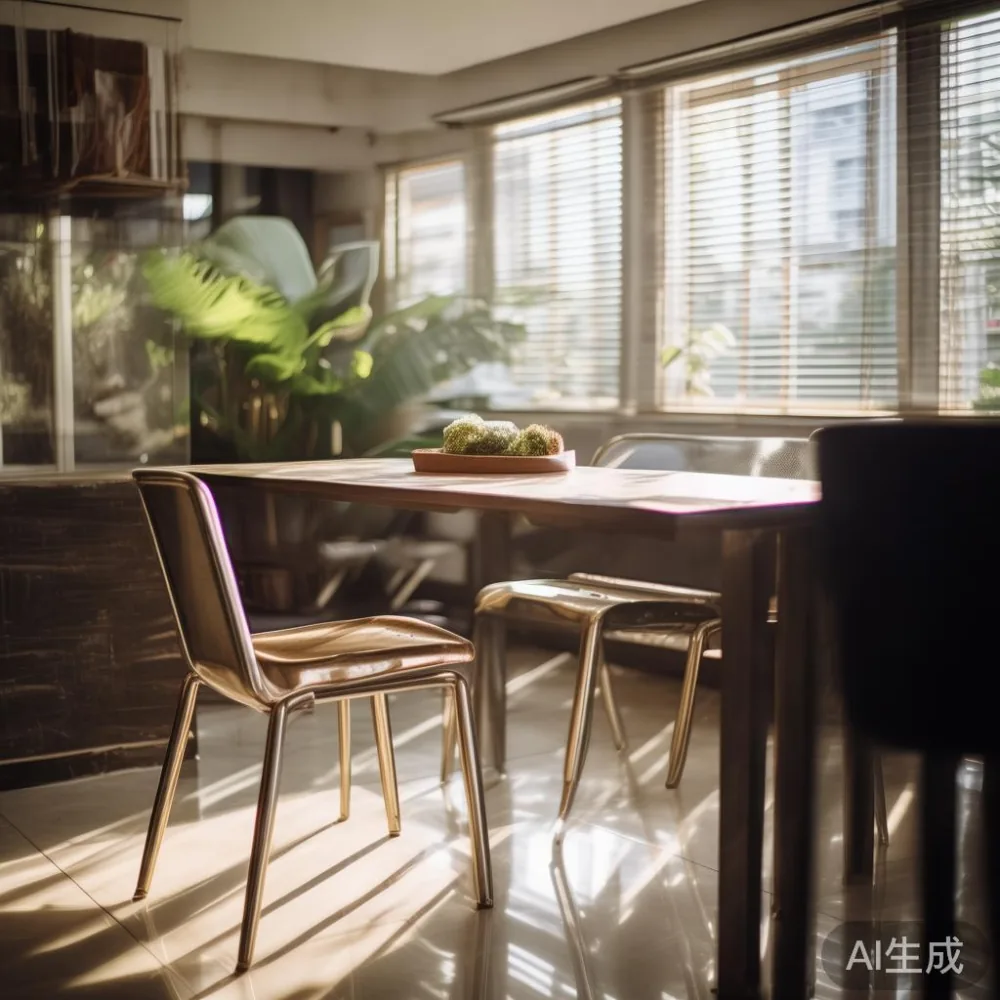
Weekly Care Routine That Actually Works
Wipe the lacquered surface with a soft microfibre cloth, dry or barely damp, every 7 days. For sticky spots, use a cloth lightly misted with water and a single drop of pH-neutral dish soap, then immediately buff dry. Avoid silicone-based polishes; they leave a film that traps moisture against the lacquer. Avoid wax polishes on matte lacquer; they create shiny patches that cannot be reversed without sanding. Avoid vinegar, lemon juice, baking soda, and any solvent labelled acetone or turpentine; they dissolve lacquer within seconds.
Coasters are not optional. Place felt or cork coasters under every glass, mug, and vase. A cold glass of ice water can leave a permanent white ring on a lacquered surface in under 12 minutes if the ambient humidity is above 75%. Trivets are also mandatory under any hot dish coming straight out of the steamer; a 90°C pot base will blister a matte lacquer finish in under 4 seconds.
If you own a marble table as part of your industrial style setting, treat the marble and the lacquered wood base as two different materials. Marble likes a mild stone sealer once a year; lacquered wood wants nothing of the sort. Never let the marble sealer drip onto the wooden apron or legs.
How do I care for a balcony furniture in humid weather?
Move it indoors during heavy rain, dry any wet surfaces within 30 minutes, and apply a UV- and moisture-resistant lacquer refresh coat every 12 months if the piece stays outdoors.
That sentence is the short answer. The longer answer matters because balconies in Singapore, even covered ones, are exposed to sideways rain during monsoon bursts and to UV that is rated extreme for most of the year. If your industrial style dining chair or small accent table lives on the balcony, treat it like outdoor furniture even if it looks like indoor furniture. Bring cushions inside at night. Wipe down metal joints with a dry cloth weekly to prevent the kind of rust that can bleed onto lacquer. For a Nordic walnut sectional sofa placed on an enclosed balcony, rotate the cushions every two weeks so the foam dries evenly and the fabric does not mildew. The same walnut and ash combination used in many indoor industrial style collections can survive a balcony only if the finish is the outdoor-rated variant, and that is a question to ask the maker before you buy.
What to Do When You See Cloudiness, Rings, or Micro-Cracks
Cloudiness or white rings on a lacquered surface are usually trapped moisture, not permanent damage. Place a thick cotton cloth over the ring and press a warm iron (set to silk, around 140°C) onto the cloth for 8 to 10 seconds. The heat drives the moisture back out of the lacquer without scorching it. Work slowly and lift the iron every pass; never let it sit. If the ring is older than two weeks, this trick may not fully remove it, and a light sanding with 1500-grit paper followed by a refresher coat of matte lacquer is the next step.
Hairline cracks wider than 0.5 mm usually mean the substrate has moved and the lacquer gave up first. Do not fill with superglue or wood filler unless you are trained; the repair will always be visible and can yellow within a year. Contact a professional refinisher. Reputable Foshan makers, including brands like MIDHILL that have been exporting solid wood furniture since 2008, typically offer a lifetime refinishing service on structural pieces such as wardrobes, dining tables, and bed frames, so the freight back to the workshop and back to Singapore is usually the only cost to the owner. Always ask for the refinishing terms in writing before you ship a piece.
Long-Term Habits That Protect Industrial-Style Lacquer
Run a dehumidifier in rooms with lacquered pieces when the relative humidity climbs above 78%. A 12-litre dehumidifier suitable for a 15 sqm bedroom costs around SGD 180 to SGD 280 in Singapore and pulls roughly 0.8 to 1.2 kWh per hour. Set the hygrometer target to 55%. That is dry enough to stop moisture damage and high enough to keep the wood from cracking on the other extreme. Whole-house dehumidifiers that tie into the air-con duct cost SGD 2,800 to SGD 4,500 installed, and many HDBs in newer BTOs in Punggol and Sengkang already have the condensate drain point ready.
Rotate accessories. A vase, a lamp, or a stack of books left in the same spot for six months will block UV and dust unevenly, leaving a visible outline when you finally move them. Move small objects once a month. Rotate rugs twice a year so the wood ages underfoot evenly.
If you are kitting out a new flat and the budget allows, consider ordering a French light luxury bedroom set with a hand-rubbed lacquer finish. Hand-rubbed lacquer uses 8 to 12 thin coats instead of 3 to 4 sprayed coats, which gives the surface a much longer service life in tropical humidity. The price premium is real, often SGD 600 to SGD 1,200 more than a spray-finished equivalent, but the refinishing interval stretches from 5 years to 12 to 15 years.
For living rooms, an American light luxury approach pairs a matte-lacquered solid wood sofa frame with brushed brass legs and a single low-pile rug. The aesthetic lines up with industrial style because the brass and the matte wood both absorb light rather than reflect it, so the room reads calm rather than glossy. Keep that matte quality by never using a wax-based polish, even if the bottle on the supermarket shelf says it is safe for lacquer.
Buying and Shipping Notes for Singapore Buyers
Freight from Foshan to Singapore by sea takes 12 to 18 days door-to-door, plus 7 to 10 days for customs clearance and last-mile delivery in most cases. Add 3 to 4 days during Chinese New Year and the Singapore Great Sales period, when warehouses run at peak. Expect landed shipping on a single dining table to run SGD 180 to SGD 320, and on a full five-piece bedroom set between SGD 650 and SGD 1,100 depending on volume. Free shipping usually kicks in above US$350, which works out to roughly SGD 480 at current rates, so a single bed frame and nightstand often qualify. Goods above SGD 400 in declared value attract Singapore GST at 9%, which the courier pays on your behalf and bills back to you on delivery; keep the receipt for warranty purposes.
Check the warranty in writing before you pay. A 10-year structural warranty on bed frames and wardrobes, a lifetime refinishing option on dining tables, and a 14-day return window are all standard for serious Foshan exporters. MIDHILL, for instance, ships to more than 15 countries and supports those terms for Singapore buyers through its regional warehouse. Smaller workshops without an export desk may quote lower prices but rarely offer the refinishing service, and that is the one feature you will appreciate most in year six or seven.
Ask for the finish specification sheet. It should list the lacquer brand, the number of coats, and the gloss level measured in gloss units at 60°. A matte lacquer should read below 10 GU; anything above 25 GU is a satin and will look noticeably shinier. Post-modern light luxury interiors usually sit in the 15 to 25 GU range, so the finish choice is a styling decision as much as a durability one.
Storage, Renovation, and When to Call a Professional
If you are renovating and the lacquered pieces need to leave the flat for three or more weeks, store them in a climate-controlled space if at all possible. Self-storage units in Singapore run SGD 110 to SGD 260 per month for a 30 sq ft locker, and the better ones hold 55% relative humidity. Wrap each piece in breathable cotton, never plastic bubble wrap; plastic traps moisture and guarantees a mildewed finish. Place a 5 cm foam sheet between any two lacquered surfaces, and never stack more than two pieces high.
During renovations, construction dust is the silent killer of lacquer. Fine plaster dust settles into the micro-pores of a matte finish and is almost impossible to remove without a light polish. Cover every lacquered surface with cotton drop cloths taped at the edges. Change the cloths weekly; the dust that does get in will be on the cloth surface, not on the lacquer.
Call a professional refinisher when the damage is more than surface level: deep cracks, peeling, water stains that have turned dark, or heat blisters. A refinishing job for a 1.8 m dining table costs SGD 380 to SGD 720 in Singapore, including collection and delivery. A wardrobe door panel runs SGD 140 to SGD 260. Most reputable Foshan exporters will coordinate the pickup and the refinish at their end and ship the piece back, which often costs less than a local workshop once you factor in the insurance and the freight.
A Simple Year-Long Checklist
Month 1: Acclimatise, level the feet, apply felt pads. Month 3: First wax-free polish with a microfibre cloth. Month 6: Check all bolts on bed frames and wardrobes, tighten to torque. Month 9: Inspect lacquer under direct sunlight for early haze. Month 12: Deep clean, rotate rugs, review humidity log from the dehumidifier. Repeat. The owners in Punggol followed this checklist after their cloudy ring scare, and 14 months later their 2.4 m dining table still looks like the day it was unboxed, even with two young children doing homework on it every evening.
Lacquered industrial style furniture can absolutely survive Singapore, but only when the owner treats it as a living material rather than a showroom object. A hygrometer, a microfibre cloth, and a 7-day acclimatisation habit are the three tools that separate a piece that lasts a decade from one that needs a refinish in year three.