The Real Cost of Solid Wood: What Actually Drives the Price of Industrial-Style Furniture
When furnishing a Singapore home, the choice of materials can feel like a balancing act between aesthetics, durability, and budget. For many, solid wood furniture represents a long-term investment. But the price tags can vary dramatically. A simple wooden stool might cost SGD 80, while a substantial industrial-style dining table can easily exceed SGD 3,000. So, what is the actual reason behind this wide range? As a specialist who has spent years examining the furniture industry, I can tell you it's not just about the wood itself. The price of a solid wood piece, especially one crafted in an industrial style, is a composite of raw material costs, manufacturing precision, design complexity, and the logistics of getting it from a workshop in Foshan to the corridor of your HDB flat in Tampines.

Why Is a Solid Wood Dining Table So Much More Expensive Than a Veneer One?
The most fundamental factor driving the price of solid wood furniture is the material itself. Solid wood, as the name implies, is made from a single, solid piece of timber. This contrasts with veneer furniture, which is a thin layer of real wood glued over a composite core like MDF (Medium-Density Fibreboard). The difference lies in the quantity of timber required.
A dining table measuring 180 cm long by 90 cm wide requires a significant plank of wood. For a sturdy piece, we are looking at a thickness of at least 4 cm. This translates to approximately 0.064 cubic metres of timber just for the top. High-quality hardwoods like oak, walnut, or acacia, which are common in industrial-style designs, can cost anywhere from SGD 800 to SGD 2,500 per cubic metre. This single component alone can represent a material cost of SGD 50 to SGD 160. Veneer, on the other hand, uses a fraction of this amount, perhaps 2-3 mm thick, reducing the wood cost to a few dollars.
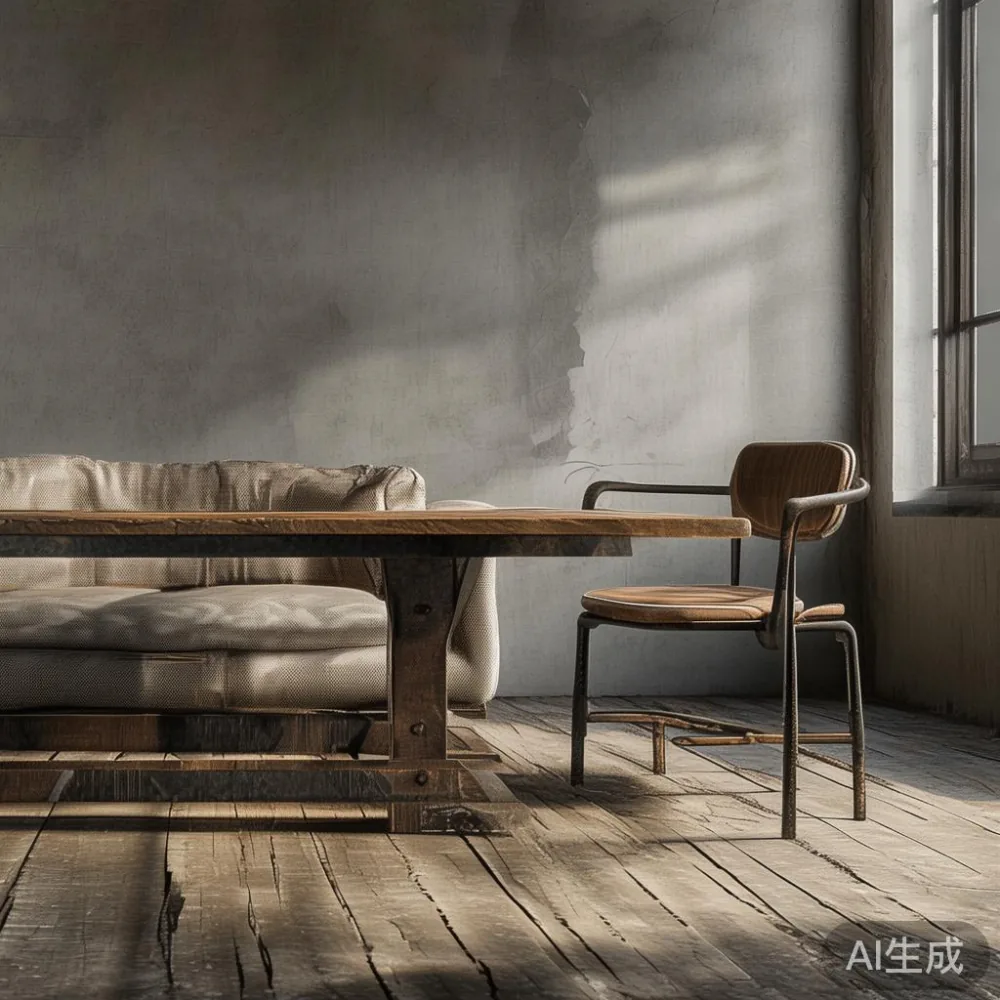
Also, solid wood is a natural material. It moves with changes in humidity. A good manufacturer must select, dry, and store the wood for months to ensure it is stable. This controlled drying process, known as kiln-drying, is an added cost that prevents the table from warping or cracking in Singapore's humid climate. This is a step skipped in cheaper furniture, leading to potential problems down the line.
The Hidden Costs of Crafting an Industrial Style
The term 'industrial style' evokes a certain aesthetic: raw, unpolished, and honest. But creating this look requires a high level of craftsmanship. It is not simply about leaving wood unfinished. An industrial style involves a deliberate process of creating a specific texture and finish.
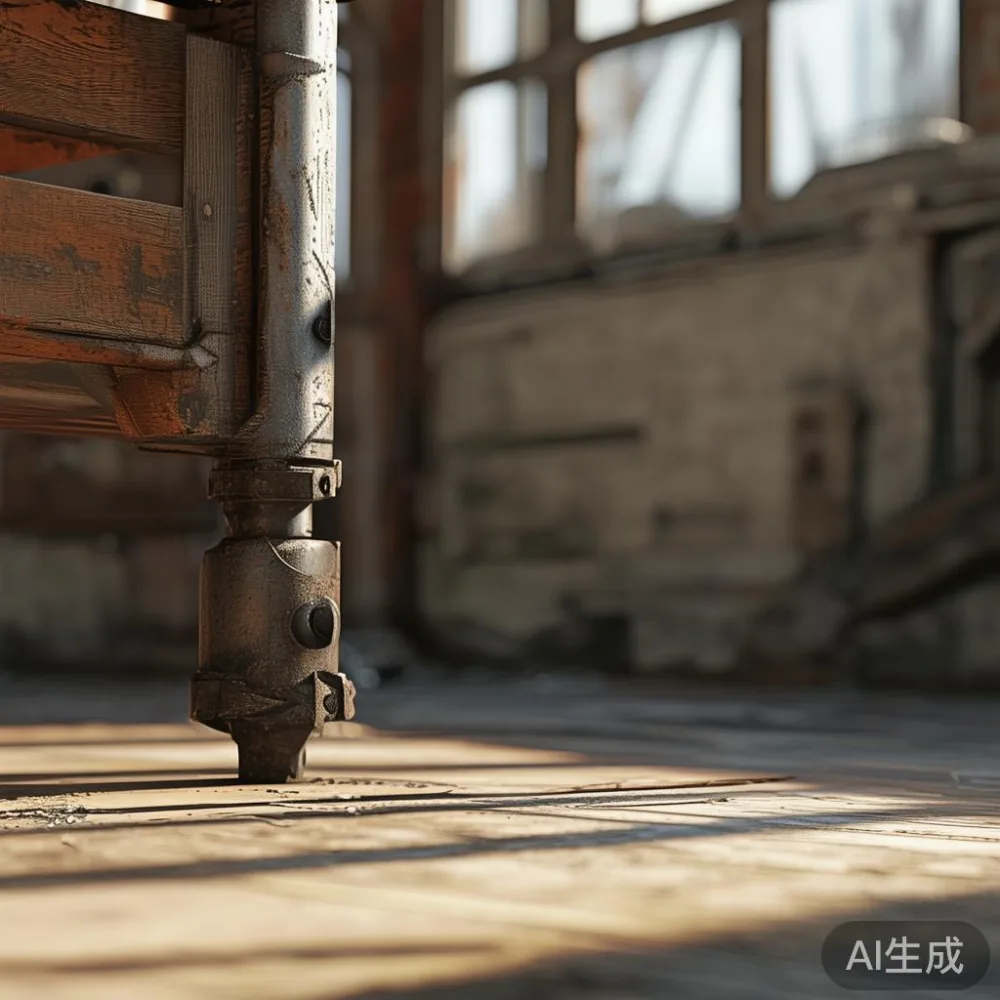
Take a solid wood bed frame, for example. A true industrial piece might feature a brushed or wire-brushed surface. This technique uses steel brushes to gently raise the grain of the wood, creating a soft, textured feel that is both tactile and visually interesting. This process is time-consuming and requires skilled labour. A more rustic industrial look might involve distressing the wood with controlled tools to create dents and marks that give the piece a sense of history.
Last month, I visited a workshop in Foshan that produces pieces for the Singapore market. I watched a craftsman spend 45 minutes hand-distressing a single panel for a wardrobe. He wasn't just randomly hitting it; he was following a pattern to ensure the 'damage' looked natural and balanced. This level of manual work, which cannot be replicated by a machine, adds significantly to the price. The hardware is another component. Industrial style often favours raw steel, cast iron, or matte black metal fittings. A heavy-duty steel drawer slide for a nightstand costs more than a standard plastic one, and a solid steel handle requires precise welding and finishing, adding to the cost of the piece.
How Do Singapore's Unique Living Spaces Impact Furniture Design and Cost?
Furniture is not made in a vacuum. It must fit the environment it is destined for. Singapore's housing landscape, dominated by HDB flats and condominiums, presents a unique set of challenges that directly influence furniture design and, consequently, its price.
Consider the standard dimensions of a Singapore home. A typical HDB corridor in an older estate like Bedok is about 1.2 metres wide. This means a sofa that is 90 cm deep is already a significant piece of furniture. A larger sectional sofa might not fit through the door, let alone turn in the corridor. This forces manufacturers to create pieces that are both aesthetically pleasing and spatially efficient. A well-designed industrial style sofa for a Singapore apartment must be compact without sacrificing comfort or style. This requires a different engineering approach, using higher-quality materials to ensure durability in a smaller form factor.
p>Condo living in areas like Punggol, with newer, larger units, presents a different challenge. Lifts in these buildings can vary, but a standard residential lift has an internal width of about 110 cm and a depth of 140 cm. Delivering a large marble table or a substantial wardrobe requires careful planning. The furniture must be disassembled if necessary to fit into the lift. This means more hardware, more complex assembly instructions, and sometimes the need for specialised delivery teams. For a customer in a condo, the cost of this specialised, space-aware delivery is factored into the final price of the furniture.Why Does a French Provincial Wardrobe Cost More Than a Simple Industrial Nightstand?
Design complexity is a major driver of price. A simple, minimalist industrial nightstand might have a flat top, a simple box structure, and a basic finish. It is a straightforward piece to manufacture. In contrast, a wardrobe, especially one with a more elaborate design like a French provincial with storage, involves a multitude of components and labour hours.
A wardrobe requires a frame, two doors, internal shelves, hanging rods, drawer boxes, and drawer fronts. Each of these elements must be precision-cut, sanded, joined, and finished. The joinery is key. A high-quality wardrobe will use dovetail joints for the drawers, a method that interlocks the wood pieces at a 45-degree angle. This creates an incredibly strong and durable joint that prevents the drawer from pulling apart over time. Cutting dovetail joints by hand is a master craft, but even with machines, it requires a high level of precision and adds to the production time and cost.
The finish also plays a huge role. A simple wax or oil finish is quicker to apply than multiple coats of lacquer or a hand-rubbed French polish. The more complex the finish, the more time and materials involved. A French provincial wardrobe might feature intricate mouldings and carvings, each one requiring the skilled hands of a woodworker. This level of detail, which transforms a simple box into a statement piece, is a significant part of the final price.
What Does a 'Lifetime Refinishing' Warranty Actually Cover?
When you see a 'lifetime refinishing' warranty, it's easy to dismiss it as marketing jargon. But for a reputable manufacturer, it represents a genuine commitment to quality and a direct reflection of the product's construction. This warranty is a promise that the furniture is built to last a lifetime and can be restored, not just repaired.
This promise is only possible because of the materials and construction methods used. A piece of furniture with a 'lifetime refinishing' warranty is almost certainly made from solid wood, not veneer or particleboard. Veneer can only be sanded a few times before it wears through. Solid wood, however, can be sanded down multiple times over decades to remove scratches and dents, then refinished with a new layer of stain or lacquer.
The structure of the furniture is equally important. A 10-year structural warranty means the frame, joints, and supports are built to withstand daily use for a decade. This implies the use of high-quality adhesives, solid joinery like mortise and tenon, and thick, stable wood that won't sag or warp. A cheap sofa with a plywood frame might last 3-5 years before a support gives way. A solid wood sofa frame, built with proper joinery, will last for generations. This long-term durability is a key value proposition that justifies a higher initial price. It’s an investment in a piece that won't need to be replaced in a few years, saving money and reducing waste in the long run.
How Does the Price of a Light Luxury Bed Frame Compare to a Basic One?
The term 'light luxury' refers to a design philosophy that focuses on high-quality materials, clean lines, and a sense of understated elegance. It is not about ostentatuous ornamentation but about superior craftsmanship and material choice. A light luxury bed frame, whether in an American or French style, will command a higher price than a basic one for several reasons.
First, the quality of the wood is superior. Light luxury pieces are typically made from premium, select-grade hardwoods with consistent grain patterns and few knots. The wood is often sourced from sustainable forests, which can be more expensive. Second, the dimensions are often more generous. A light luxury bed frame might have a thicker headboard and footboard, perhaps 12 cm thick instead of the standard 8 cm, providing a more substantial and luxurious presence in the bedroom. Third, the finish is more refined. It might involve a multi-step process of staining, sealing, and polishing to achieve a deep, lustrous finish that enhances the natural beauty of the wood.
For those wondering how to style a light luxury bed in an apartment, the key is to let the furniture be the hero. The clean lines and natural materials of a high-quality bed frame pair well with simple, high-thread-count linens and minimal decor. This focus on quality over quantity is the core of the light luxury ethos and is reflected in the price. You are paying for better materials, more thoughtful design, and a more refined finish.
Why Are Shipping and Assembly Costs Part of the Furniture Price?
The final price tag on a piece of furniture includes more than just the materials and labour to build it. It also encompasses the complex logistics of getting that item from a factory in China to your home in Singapore. This is a significant and often-overlooked component of the cost.
For a company like MIDHILL, which exports to 15+ countries, logistics are a major operation. A container ship from Foshan to Singapore takes approximately 7-10 days. The cost of sea freight, including port handling and customs clearance, can run into thousands of dollars per container. This cost is distributed across all the furniture in that shipment. Once the goods arrive in Singapore, they need to be transported to a warehouse. From there, they are packed and prepared for delivery to individual customers. This last-mile delivery involves a team, a vehicle, and fuel. Offering free shipping over SGD 350 is a significant business decision that means the cost of delivery is already baked into the price of the items you buy.
Assembly is another factor. A simple nightstand might arrive fully assembled. A large wardrobe or a marble table will likely arrive in a flat-pack box with detailed instructions. The price of the furniture includes the cost of designing this packaging, the hardware (screws, dowels, allen keys), and the labour to pack it securely. This ensures the piece arrives at your door in perfect condition, ready for you to assemble it in your own time.
Why Are Some Industrial-Style Console Tables So Expensive?
A console table, like the MIDHILL TV console, is a piece that can define a living space. It needs to be both functional and stylish. The price of a high-quality console table reflects the specific challenges and materials involved in creating a piece that is both sturdy and beautiful.
Take a console table with a marble top. A marble slab, even a smaller one for a console, is a heavy and expensive material. A piece of marble measuring 160 cm by 45 cm and 2 cm thick can weigh over 40 kg. The marble must be quarried, cut, polished, and transported. This adds a substantial material cost. The base of the console must be engineered to support this weight without sagging or wobbling. This requires a solid frame, often made of solid wood or steel, with reinforced joinery.
The design of the console also plays a role. A simple industrial console might just have four legs. A more sophisticated design might feature a metal frame with welded cross-bracing for stability, or a wood base with intricate cut-out details. Each of these design elements adds to the manufacturing time and complexity. You are not just paying for a table; you are paying for the engineering to ensure it is safe and stable, the quality of the materials like solid wood and marble, and the design that makes it a focal point in your home.
What About GST and Other Local Costs?
In Singapore, the final price you pay for furniture is subject to the 9% Goods and Services Tax (GST). This is a standard tax applied to most goods and services in the country. For a piece of furniture costing SGD 1,000, the GST component would be SGD 90. This is a mandatory cost that is collected by the government and is part of the final price you see at checkout.
Beyond GST, there are other local costs. A company operating in Singapore needs to cover the cost of its local showroom, staff salaries, marketing, and customer service. These overheads are factored into the pricing of the products. When you buy a piece of furniture, you are not just paying for the physical item; you are also contributing to the support system that ensures you have a place to see the furniture, someone to call with questions, and a reliable returns process. A 14-day returns policy, for example, is a customer service feature that has a cost associated with it, involving logistics, inspection, and potential restocking. This level of service is part of the value proposition and is reflected in the price.