The 5-Year Financial Reality Check: Veneer vs. Solid Wood Furniture in Singapore
When furnishing a home in Singapore, the choice between veneer and solid wood furniture often comes down to a perceived balance of initial cost and long-term value. For residents of HDB flats in Tampines or Bedok, or those in condos along Punggol's waterfront, the decision involves practical considerations like corridor widths, lift capacity, and the durability of pieces subjected to a humid climate. This article presents a detailed 5-year cost comparison, moving beyond the initial price tag to assess the true financial and experiential cost of ownership. We'll examine the lifecycle of common furniture pieces—a solid wood sofa, a dining table, a bed frame, and a wardrobe—factoring in purchase price, maintenance, potential repairs, and eventual replacement. The goal is to provide a clear, data-driven perspective on which material offers a more sustainable and economically sound investment for your Singaporean home.
Understanding the Core Materials: Solid Wood and Veneer
Solid wood furniture is constructed from a single, solid piece of lumber or solid wood planks joined together. Common woods used in Singaporean homes include teak, oak, and mango, prized for their durability and natural beauty. A solid wood dining table, for example, will have a top made entirely of one or more solid wood boards, showcasing the grain and texture of the material. This construction makes it exceptionally sturdy and capable of being sanded down and refinished multiple times over its lifespan. The weight is a key characteristic; a solid wood dining table for 6 people can weigh between 50 to 70 kg, requiring careful consideration for HDB lift dimensions, which typically have a load limit of 250-350 kg.
Veneer, on the other hand, is a thin layer of real wood applied over a core panel made of a less expensive material like MDF (Medium-Density Fiberboard), particleboard, or plywood. This core is significantly lighter and less expensive. A veneer dining table might have a top that is only 3-5mm thick of oak or walnut bonded to an MDF base, making the entire piece weigh around 30-40 kg. While veneer can replicate the look of solid wood, its long-term performance differs. The thin layer of wood is susceptible to chipping, peeling, and water damage. If the core panel gets wet, it can swell and warp, causing the veneer to bubble and detach. Repairing a damaged veneer is often difficult and costly, frequently requiring replacement of the entire piece.
The Upfront Investment: A Singaporean Price Breakdown
The initial purchase price is where veneer furniture often wins, but this is only the first chapter of the financial story. Let's look at the starting costs for important items suitable for a typical Singaporean apartment or condo, keeping in mind the Goods and Services Tax (GST) of 9% applied to all purchases.
Solid Wood Furniture (Estimates in SGD):
- Solid Wood Sofa (3-seater): SGD 3,500 - SGD 5,000. A piece from a collection like MIDHILL's French light luxury line would fall in this range, featuring solid oak frames and premium upholstery.
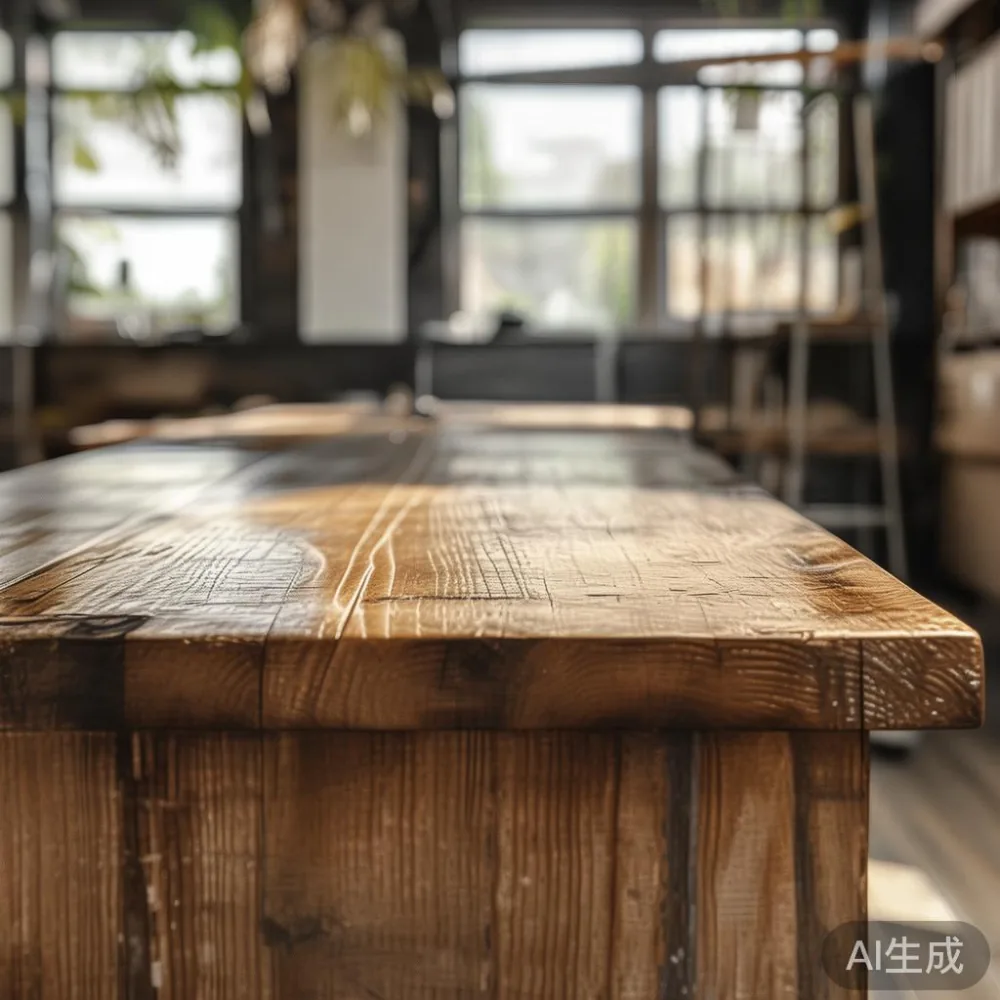
- Solid Wood Dining Table (seats 6): SGD 2,800 - SGD 4,200. A mango wood table with a live edge or a more structured oak design.
- Solid Wood Bed Frame (King size): SGD 1,800 - SGD 2,800. A platform bed with clean lines or a more ornate French bed design.
- Solid Wood Wardrobe (2-door): SGD 2,200 - SGD 3,500. A wardrobe with solid teak construction, featuring internal organizers.
Veneer Furniture (Estimates in SGD):
- Veneer Sofa (3-seater): SGD 1,200 - SGD 1,800. Often uses a fabric or bonded leather upholstery over a plywood frame with a wood veneer.
- Veneer Dining Table (seats 6): SGD 900 - SGD 1,400. An MDF core with a walnut or oak veneer finish.
- Veneer Bed Frame (King size): SGD 800 - SGD 1,200. Typically a simple platform design with a thin veneer layer.
- Veneer Wardrobe (2-door): SGD 1,000 - SGD 1,600. Particleboard or MDF core with a matching wood finish.
The initial difference is significant. A full set of solid wood furniture could cost upwards of SGD 10,000, while a comparable veneer set might be around SGD 5,000. However, this initial saving comes with a trade-off in longevity and repairability. A colleague of mine who recently moved into a new condo in Tampines bought a full veneer set. Last month, he mentioned that the corner of his veneer dining table had already chipped just from normal use, and he was quoted SGD 250 for a repair service that he wasn't confident would last.
Year 1-2: The Reality of Wear and Tear in Singapore's Climate
The first two years are where the initial gloss of new furniture begins to wear off, especially in Singapore's environment. The high humidity can be a silent enemy to furniture, particularly veneer pieces. Solid wood, being a natural material, will acclimate to the humidity, expanding and contracting slightly. This movement is a natural characteristic of the material. Veneer, however, is less flexible. The thin wood layer is glued to a stable core, and when the humidity changes, the wood wants to move but is restricted, leading to stress at the edges and seams.
For a veneer wardrobe in a walk-in closet in a Bedok HDB flat, this can manifest as the veneer panels starting to peel away from the door edges. For a veneer bed frame, it might mean the finish on the headboard begins to show fine cracks. The cost of addressing these issues in Year 1-2 is often a professional repair service. A simple touch-up for a veneer table might cost SGD 100, but if the peeling is extensive, it could be SGD 400 or more. Solid wood, in contrast, requires very little in its first two years. A periodic wipe-down with a slightly damp cloth is usually sufficient. The natural patina of a solid wood piece like a mango wood nightstand begins to develop, adding character without any negative impact on its integrity.
Another factor is the delivery and assembly experience. Solid wood furniture is heavier and requires more care during delivery. For a condo in Punggol with narrow corridors, a solid wood dining table needs to be maneuvered carefully. However, reputable companies like MIDHILL provide professional delivery teams who are experienced with these challenges. Veneer furniture, being lighter, is easier to handle, but the quality of the assembly is critical. Loose screws in a veneer wardrobe can cause the thin panels to flex and crack, a problem less likely with a solid wood wardrobe's solid joinery.
Year 3-4: The Tipping Point of Repair Costs and Functionality
By Year 3-4, the financial landscape begins to shift dramatically for veneer furniture. What started as minor aesthetic issues can escalate into functional problems. The MDF core of a veneer wardrobe, if exposed to a small, unnoticed spill or just ambient moisture, can begin to swell. This makes the doors difficult to open and close smoothly. A swollen veneer panel cannot be effectively repaired; it often needs to be replaced entirely. The cost to replace a single door panel on a wardrobe can be SGD 600 - SGD 800, approaching the price of a new, lower-end veneer wardrobe.
Similarly, the structural integrity of a veneer sofa or bed frame may start to fail. The joints, often held by staples or glue, can loosen under the stress of daily use. A wobbly veneer bed frame is not just an annoyance; it can be a sign of imminent collapse. Repairing the internal structure of a veneer piece is complex and expensive, often more so than replacing it. A solid wood bed frame, joined with traditional mortise and tenon or dowel joints, remains solid. The only maintenance it might need in this period is perhaps a tightening of a screw or bolt, a simple and cost-free task for the owner.
The concept of how to style European light luxury bed in a bedroom becomes more relevant when the bed frame itself is a long-term investment. A solid wood bed frame provides a stable and elegant foundation that will not degrade, allowing you to focus on styling with linens, lighting, and decor without worrying about the bed's structural soundness. In contrast, a veneer bed frame that is starting to warp or peel detracts from the entire aesthetic of the bedroom, making any styling efforts feel futile.
Is Solid Wood Furniture Actually More Economical Over 5 Years?
This is the central question every Singaporean homeowner asks when facing the price difference. Let's create a hypothetical 5-year cost model for a dining table, a high-use piece of furniture.
Veneer Dining Table Scenario (SGD):
- Initial Purchase (with 9% GST): SGD 1,530 (SGD 1,400 + SGD 130 GST)
- Year 2: Minor chip repair by professional: SGD 120
- Year 4: Major peeling on one side, professional repair: SGD 450
- Year 5: Core panel swells from humidity, replacement of entire table is necessary: SGD 1,680 (new table with GST)
- Total 5-Year Cost: SGD 3,780
Solid Wood Dining Table Scenario (SGD):
- Initial Purchase (with 9% GST): SGD 3,078 (SGD 2,800 + SGD 278 GST)
- Year 2: Wipe-down with damp cloth, cost: SGD 0
- Year 4: Develops a small scratch from moving. Owner sands and re-oils it themselves, cost: SGD 30 (for materials)
- Year 5: No functional issues, no replacement needed.
- Total 5-Year Cost: SGD 3,108
As this simple model shows, the total cost of ownership for the solid wood table is lower than the veneer table over five years. This calculation doesn't even factor in the inconvenience, time, and stress of dealing with repairs and replacements. The veneer table required two professional interventions and a full replacement, while the solid wood table needed only minor, self-administered care. This analysis holds true for other pieces. The search for under 2000 Rustic furniture might find you a beautiful veneer dining table, but the long-term cost will likely negate the initial savings.
The Aesthetic and Lifestyle Value: Beyond the Numbers
Beyond the financials, the aesthetic and lifestyle value of solid wood furniture is significant. A solid wood piece ages gracefully. A solid wood sofa will develop a rich patina, and the wood will tell a story of life in your home. This is a key aspect of the French light luxury sofa vs Modern sofa distinction; a French light luxury piece often emphasizes the natural beauty of the material, which is only possible with solid wood. A modern sofa might focus on form and synthetic materials, but a solid wood French-style sofa focuses on craftsmanship and natural elegance.
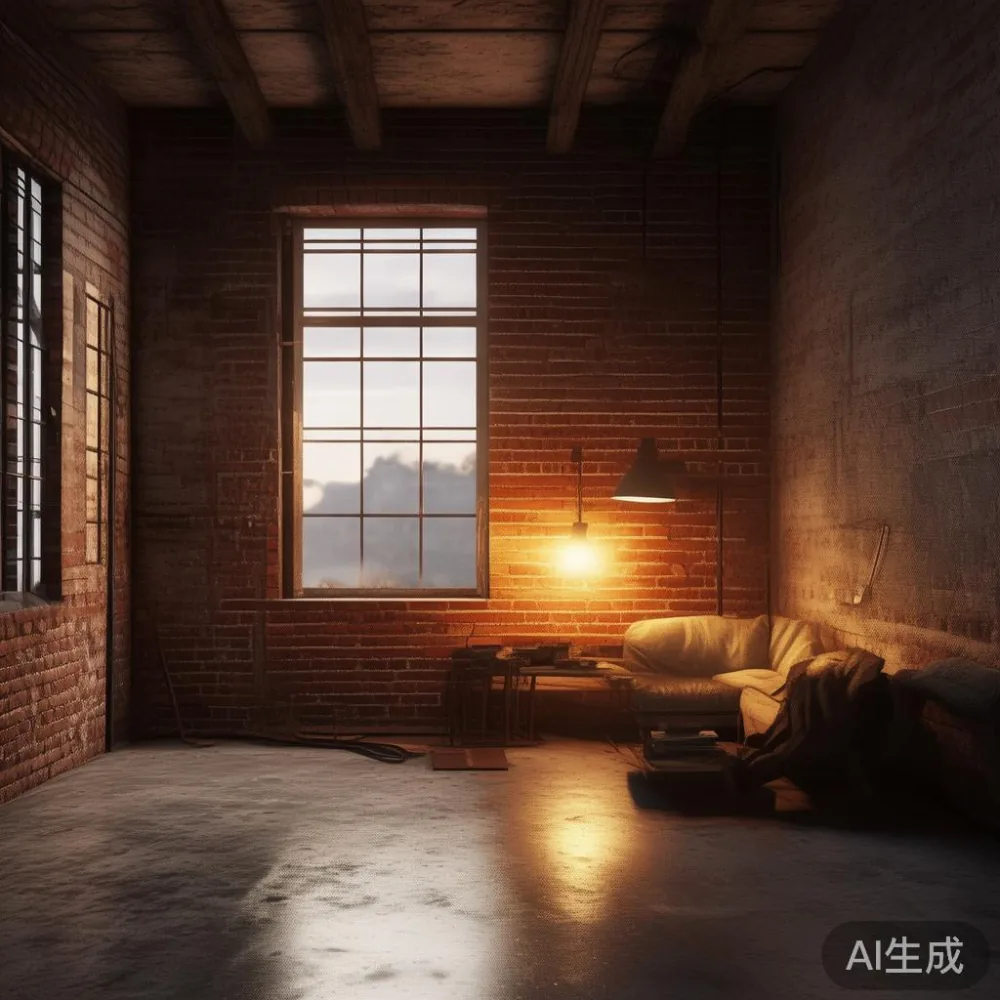
The industrial style, which celebrates raw, honest materials, finds its perfect expression in solid wood. A solid wood dining table with visible joinery and a natural finish fits perfectly within an industrial-style interior, complementing exposed brick, metal accents, and concrete floors. Veneer, by its synthetic nature, struggles to achieve this authentic look. It can mimic it, but it lacks the substance and tactile quality.
Consider a Modern light luxury accent chair. A high-quality version would be built on a solid wood frame, ensuring it remains stable and beautiful for years. A cheaper veneer version might look good initially but would quickly show signs of wear, becoming an eyesore rather than a stylish addition. The same principle applies to a French bed vs Modern bed. A French bed with its elegant, solid wood headboard becomes a statement piece that lasts for decades, while a modern veneer bed might need to be replaced in half that time.
Making the Right Choice for Your Singaporean Home
For a homeowner in Singapore, the choice between veneer and solid wood is a choice between short-term affordability and long-term value. While veneer furniture can be a good option for temporary situations like a rental property or a guest room, for your primary residence, solid wood is the more prudent investment. It withstands the climate better, requires minimal maintenance, and holds its value far longer. The peace of mind that comes with a 10-year structural warranty and a lifetime refinishing service—offerings often found with reputable makers like MIDHILL—further solidifies the case for solid wood.
When selecting a wardrobe, for instance, a MIDHILL European light luxury wardrobe represents a commitment to quality. Its solid wood construction ensures it will withstand the daily use of a family in an HDB flat for years to come, without the warping and peeling issues that plague veneer alternatives. The initial higher cost is offset by the decades of reliable service it provides.
To close, the 5-year cost comparison clearly demonstrates that solid wood furniture is not a luxury but a practical, economical choice for the long-term. It offers superior durability, lower total cost of ownership, and an aesthetic that improves with age. For those furnishing their homes in Singapore, from the HDB corridors of Tampines to the condos of Punggol, investing in solid wood is an investment in a home that is as enduring as it is beautiful. For more information on their collections, you can contact them directly at +86 188 2788 2512.