The Lacquer Conundrum: Keeping Your Industrial-Style Furniture Flawless in Singapore's Humidity
Industrial design is celebrated for its raw honesty, its celebration of materials like solid wood and metal, and its unapologetic presence in a space. A solid wood dining table with a deep, black lacquer finish, or a wardrobe with a sleek, painted surface, can be the anchor of a home. But this aesthetic, while visually striking, presents a unique challenge in a tropical climate. The constant high humidity and ambient heat of Singapore, from the corridors of a Tampines HDB to the air-conditioned calm of a Punggol condo, can be relentless on fine finishes. The beautiful lacquer that gives your furniture its character and protection is also susceptible to the very elements that define our environment. This guide provides a detailed, practical approach to caring for your lacquered surfaces, ensuring your industrial-style furniture remains a stunning feature of your home for years to come.
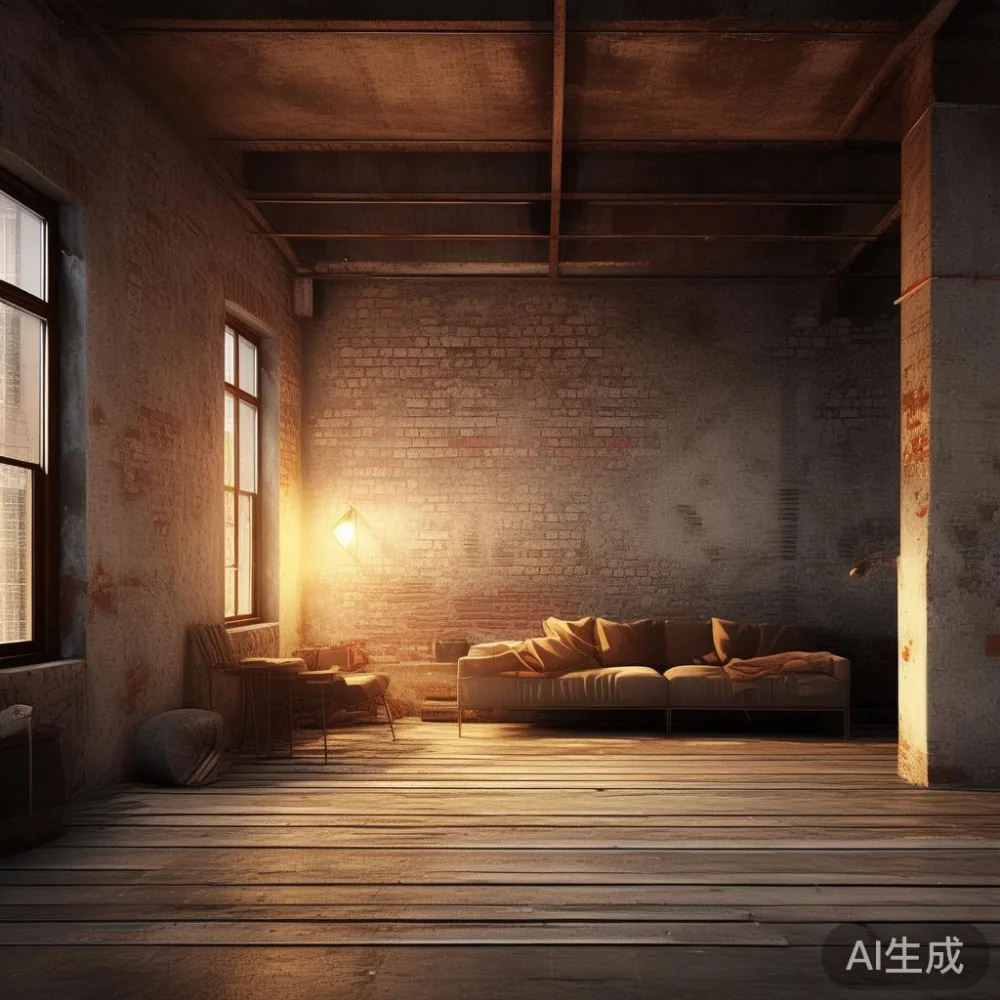
Why Lacquer and Humidity Don't Always Mix
Lacquer is a durable, high-gloss finish that provides a hard, protective layer over the wood. It's a common choice for industrial-style furniture, prized for its sleek, modern appearance that complements raw metals and minimalist forms. However, this very strength can be its weakness under specific conditions. When the relative humidity in your home consistently exceeds 70%, which is common during the Northeast Monsoon season or in naturally ventilated spaces, the moisture in the air begins to interact with the finish.
Think of the lacquer as a skin. In a dry environment, it's taut and stable. In a humid one, it can absorb a small amount of moisture, causing it to expand ever so slightly. This expansion and contraction cycle, happening over and over again, can lead to a few common issues. The most visible is the dreaded 'white haze' or blooming, where moisture gets trapped beneath the surface, creating a cloudy, milky appearance. Less obvious, but equally damaging, is the potential for the finish to soften slightly, making it more susceptible to dings, scratches, and the slow degradation of its protective qualities. For a piece of furniture that cost SGD 2,800 and is meant to last, understanding this interaction is the first step towards proper care.
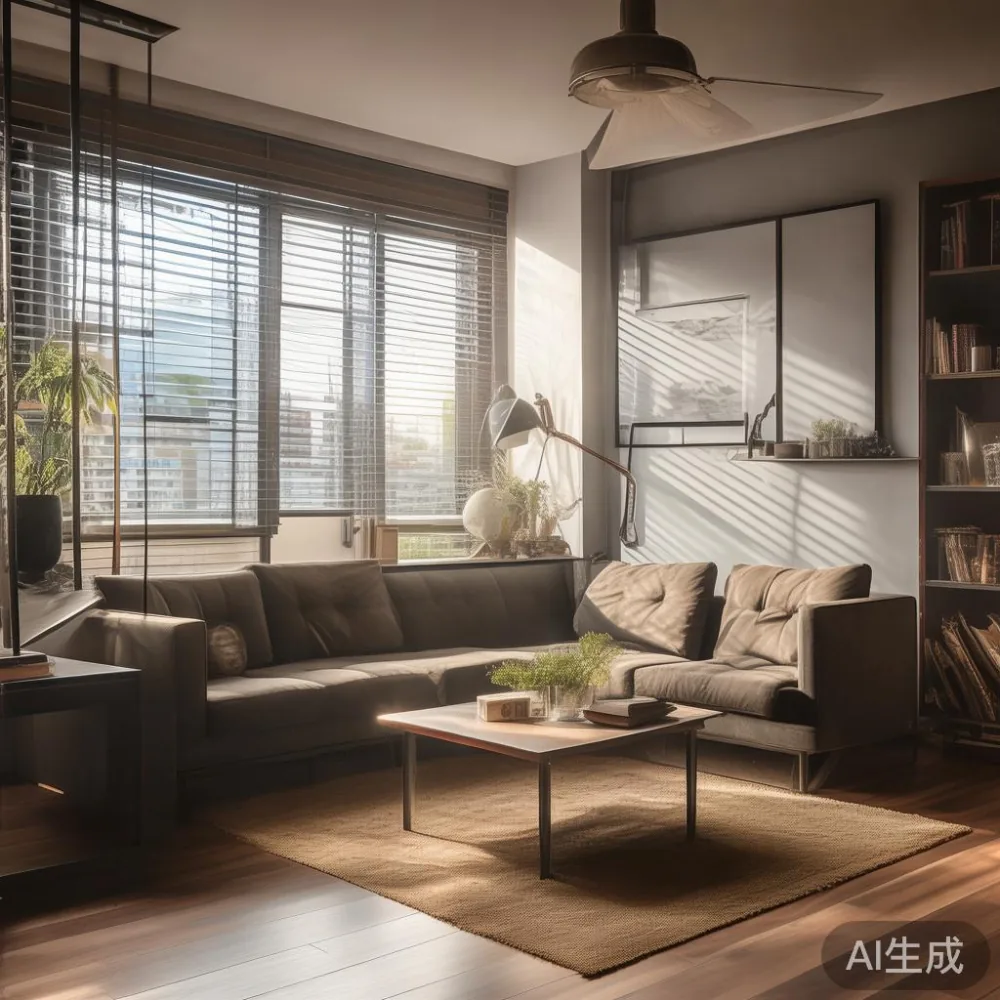
How to Choose Japanese Sofa Finishes for a Humid Home
The question of material choice is paramount when furnishing a Singaporean home. When considering how to choose Japanese sofa, for instance, one must look beyond the aesthetic of clean lines and low profiles to the practicality of the construction and finish. A high-quality Japanese-inspired sofa will often feature a multi-layered lacquered finish on its wooden frame and legs. This isn't just for looks; it's a technical choice.
The process involves applying several ultra-thin layers of lacquer, each sanded and polished to a mirror sheen. This build-up creates a dense, non-porous barrier that is significantly more resistant to moisture penetration than a single, thick coat. When selecting such a piece, it's wise to ask the supplier about the finishing process. A reputable brand, like MIDHILL, will detail the number of coats and the type of lacquer used. For example, their solid wood bed frames often feature a 7-coat water-based lacquer system, which is more flexible and environmentally friendly than traditional solvent-based options. This flexibility is key in a climate where temperatures can swing from 25°C at night to 30°C during the day, causing materials to expand and contract.
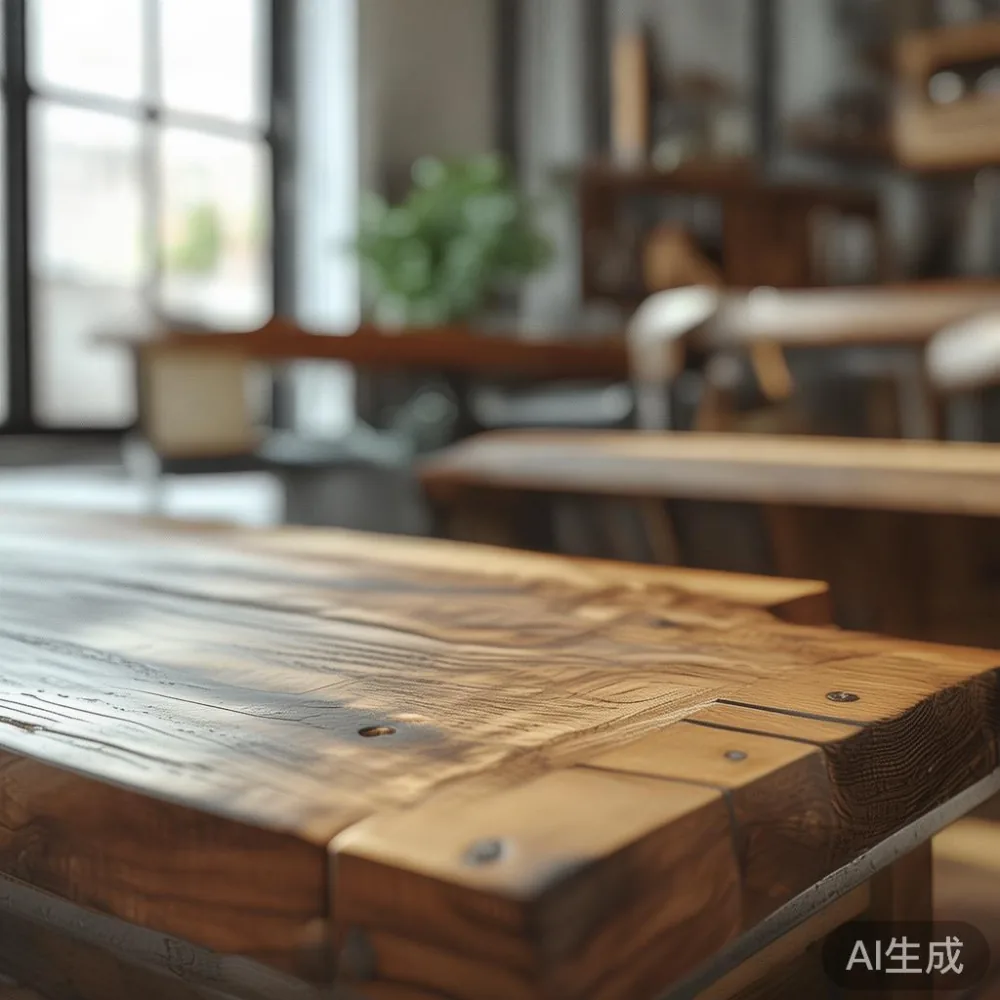
Similarly, when you see an advertisement for for sale French provincial furniture, you might notice a different approach. French provincial styles often feature painted finishes and distressing. While beautiful, these can be more vulnerable. A painted finish on a nightstand or a marble table base may chip or peel with the constant humidity if not properly sealed. Therefore, for tropical climates, a high-gloss, fully sealed lacquer is generally a more practical and durable choice than a heavily distressed or matte paint finish.
Daily and Weekly Care Rituals for Your Lacquered Surfaces
Consistent, gentle care is the best defense against humidity-related damage. The goal is to prevent dust and moisture from accumulating on the surface. For your industrial-style dining table or wardrobe, a simple routine can make a world of difference.
Daily: Use a soft, dry, lint-free microfiber cloth to gently wipe down surfaces. This removes dust particles that, if left, can act as abrasives when you wipe the surface later. Pay special attention to areas around handles and legs, where dust tends to gather. The entire process should take no more than 60 seconds per piece.
Weekly: A more thorough clean is necessary. Dampen a separate microfiber cloth with distilled water. Distilled water is preferred as it lacks the minerals found in tap water, which can leave behind a faint film on the lacquer. Wring the cloth out thoroughly until it is only slightly damp. Wipe the surface in the direction of the wood grain. Immediately follow with a dry, clean microfiber cloth to buff the surface to a shine. This weekly ritual not only cleans but also helps to remove any microscopic moisture that may have settled on the lacquer.
Never use harsh chemicals, all-purpose sprays, or ammonia-based glass cleaners. These can strip the lacquer's protective layer, leaving the wood underneath vulnerable. For stubborn spots, a solution of one part white vinegar to ten parts distilled water can be used, but always test it on an inconspicuous area, like the inside of a wardrobe drawer, first. My colleague tested this on a new solid wood coffee table last month and found it effective on a water ring, but he noted it must be wiped and buffed dry within 30 seconds.
Is Air Conditioning My Furniture's Best Friend in Singapore?
This is a question many homeowners grapple with. The answer is nuanced. Air conditioning is a powerful tool for controlling the environment your furniture lives in, but it must be used correctly. An air conditioner set to 22°C can create a microclimate that is too dry for wood, potentially causing the opposite problem of shrinkage and cracking. The ideal scenario is to maintain a stable relative humidity between 45% and 55%.
If you live in an HDB flat in Bedok with large windows that get a lot of afternoon sun, the air-conditioned rooms will be a sanctuary for your lacquered pieces. A wardrobe or a solid wood sofa placed in an air-conditioned bedroom will experience far less stress than one in a living room that is only cooled in the evenings. The key is consistency. Avoid drastic fluctuations. For example, don't turn off your air conditioner for a whole weekend when you're out of town, allowing the humidity to creep back up to 80%. Instead, use the 'away' mode or set it to a slightly higher, stable temperature.
In naturally ventilated spaces, like a corridor or an open-plan kitchen-living area in a condo, the challenge is greater. Here, the focus shifts to controlling moisture at its source. Use exhaust fans religiously when cooking or showering. Consider placing a dehumidifier in particularly damp areas, like a walk-in wardrobe. A small dehumidifier can extract up to 500ml of water from the air per day, making a noticeable difference in the ambient humidity and protecting your MIDHILL light luxury wardrobe from warping or musty smells inside.
Long-Term Protection and Seasonal Adjustments
Beyond daily care, there are long-term strategies to protect your investment. The placement of furniture within a room is critical. Avoid placing your industrial-style dining table or bed frame directly against an external wall, especially in older HDBs where walls can feel damp. A gap of at least 10 cm allows for air circulation, preventing moisture from being trapped against the furniture's back.
Direct sunlight is another enemy. UV rays can cause lacquer to fade over time, turning a deep black to a dull grey and yellowing lighter finishes. If your sofa or a marble table is in a spot that gets direct sun, invest in good quality, light-filtering curtains. This simple step can extend the life of the finish by years.
Seasonal adjustments are also necessary. During the dry Southwest Monsoon, when humidity can drop below 50%, the wood in your furniture will contract. You might notice tiny gaps appearing between panels on a large dining table. This is normal. The opposite happens during the wet season. To help your furniture acclimate, try to maintain a stable room temperature. Avoid placing heating vents or air-conditioning units directly blowing onto a single piece of furniture. The steady, 24°C air from a central system is better than a blast of cold air from a wall unit.
When considering a new piece, like a Vintage for dining room set, or an American for guest room look, remember that provenance matters. A piece designed for a temperate climate may not have the same level of humidity-resistant finishing as one crafted in Asia. Always inquire about the finish and the warranty. A 10-year structural warranty, like the one offered by established makers, provides peace of mind that the furniture is built to withstand the rigours of its environment.
What to Do When Damage Occurs
Despite your best efforts, accidents can happen. A white ring from a cold glass, a scratch from a pet's claw, or a small chip from moving a piece of furniture. Knowing how to address these issues promptly can prevent them from becoming permanent.
p>For a white haze or water ring, the first step is to act quickly. Use a clean, dry cloth to absorb as much moisture as possible. If the mark is still visible, you can try buffing it gently with a high-quality car polish (one designed for clear coats) on a soft cloth. Work in small circles with very light pressure. In many cases, this will heat the lacquer just enough to redistribute the trapped moisture and make the mark disappear. If this fails, the next step is to consult a professional furniture refinisher. For a piece like a solid wood sofa or a large wardrobe, professional repair is the safest option.For minor scratches, a product like a scratch cover pen or a walnut stain can work wonders. These are designed to fill in the scratch and blend the colour with the surrounding lacquer. For more significant damage, such as a deep chip, the best solution is often to have the piece professionally refinished. A good manufacturer will offer a lifetime refinishing service, which means they can sand down the damaged area and reapply the lacquer to match the original finish perfectly. This is a proof of the quality of the construction, as the piece is designed to be restored, not replaced.
Finally, when moving or arranging furniture, always lift it. Never drag a heavy solid wood dining table or bed frame across the floor, as this will scratch both the floor and the furniture's feet. If you need to move it through a narrow corridor or lift, ensure the path is clear. The standard corridor width in an HDB is about 1.2 meters, but older units might be narrower. Measure your doorways and lift dimensions before bringing a large piece like a wardrobe into your home to avoid costly damage.