Industrial Style Solid Wood vs Veneer: What Will Your Furniture Cost in 5 Years?
Furniture prices rarely tell the whole ownership story. A solid wood dining table may cost SGD 1,680 while a veneer version costs SGD 820, yet the lower figure can conceal early replacement, visible repairs and reduced use after 3 or 4 years. For Singapore households furnishing compact HDB flats and condos in Tampines, Bedok and Punggol, the relevant question is not simply which material looks more expensive at purchase. It is which option delivers better value across 60 months.
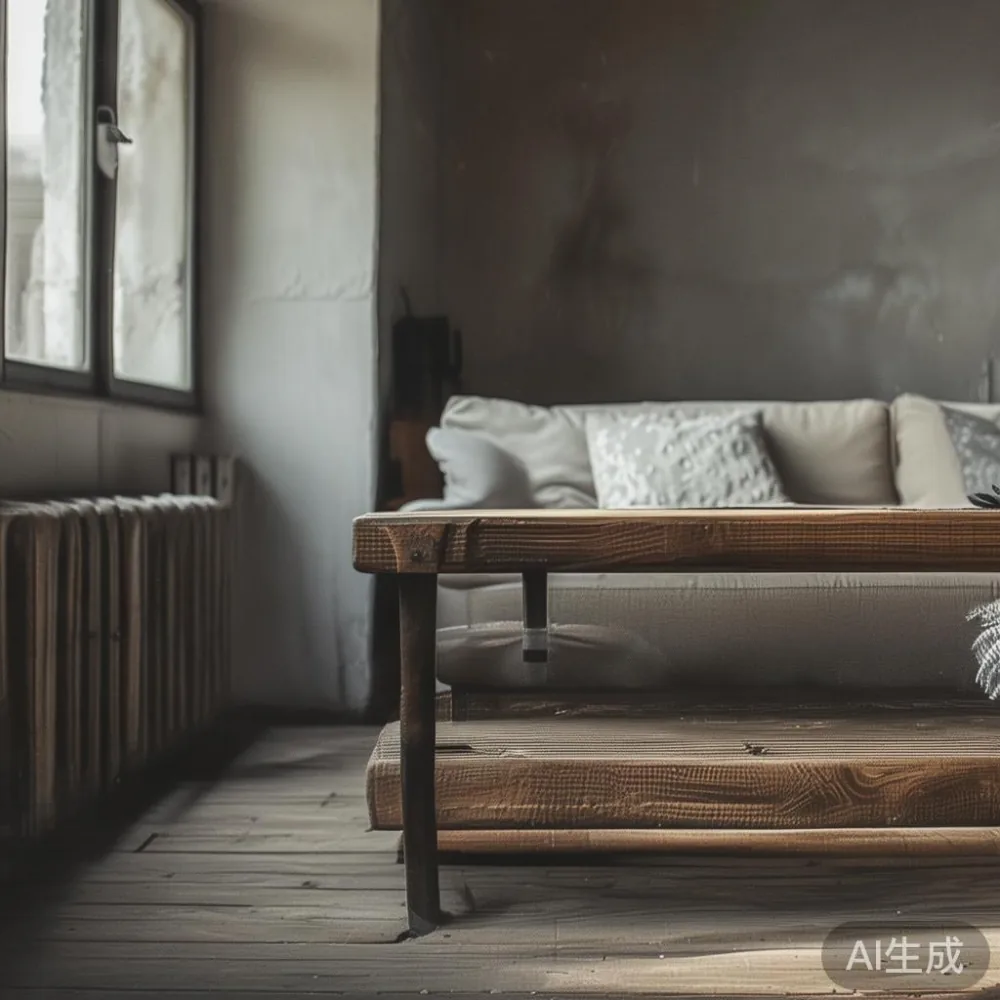
This comparison examines a 180 cm solid wood dining table, a 160 cm bed frame, a 90 cm wardrobe, a 45 cm nightstand and a 100 cm marble table with a manufactured timber base. Prices are illustrative Singapore retail estimates in SGD and include 9% GST. We also consider delivery, installation, maintenance, damage, resale and the time lost when a component cannot be repaired locally.
Industrial style furniture makes these differences especially visible because its dark metal frames, exposed joinery and clear timber surfaces reveal cracking, swelling and veneer movement. The aim is practical: identify the likely 5-year cost for each construction method without confusing solid timber, veneer and stone as equivalent materials.
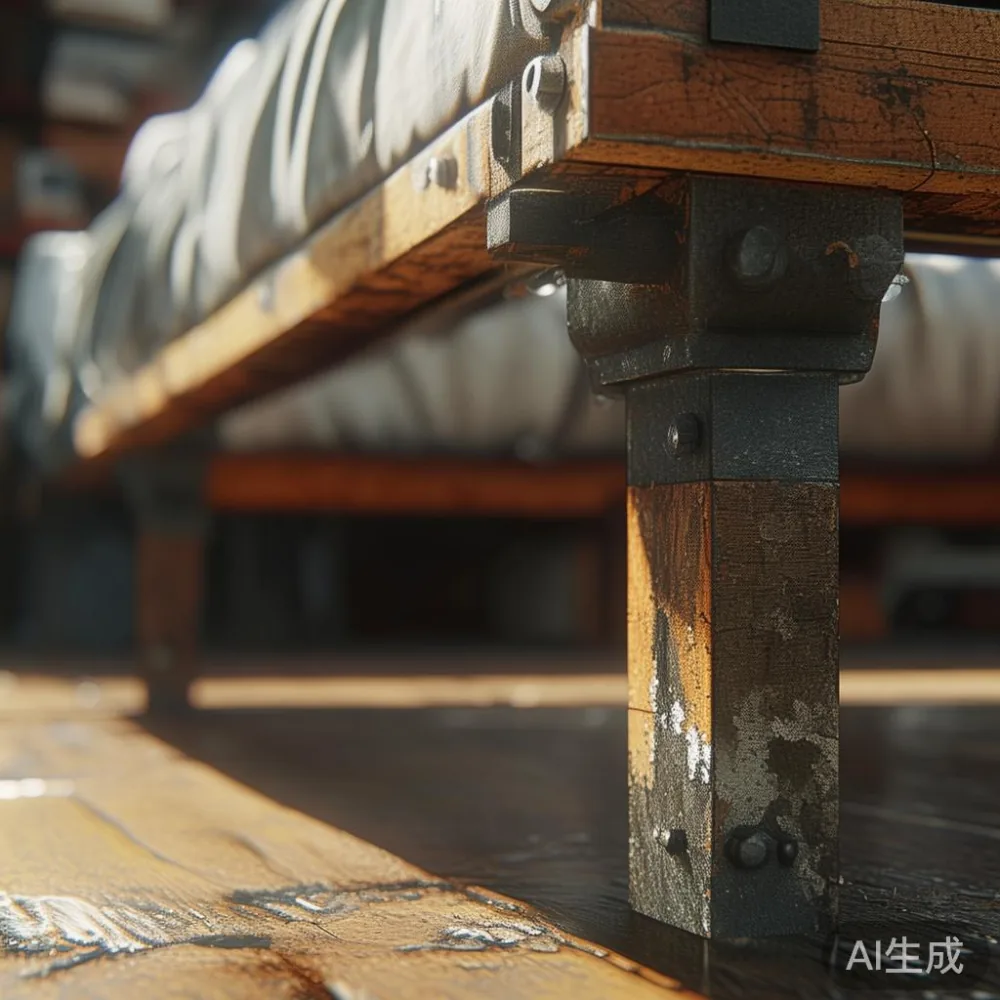
What is the real difference between solid wood and veneer?
Solid wood uses timber throughout the visible structural components. A typical ash, oak, beech or rubberwood dining table might contain 20–35 kg of timber in its top, apron and legs. Veneer uses a thin timber layer, often 0.6–1.2 mm, bonded to engineered board or plywood. The face can look identical under lacquer, but its core may contain 20–40% wood fibre or lower-grade timber by weight.
This distinction matters in Singapore’s humidity. A bedroom may remain around 28–32% relative humidity, while an air-conditioned HDB flat can fluctuate by 10–20 percentage points between outdoor and indoor conditions. Solid timber can move across seasons by roughly 1–3 mm over a 100 cm width. Good-quality veneer is engineered to move with its substrate, but poor sealing can create ripples along a 180 cm table edge within 18–36 months.
The construction of the base is equally important. A drawer carcass made from solid wood may last 15 years, while a drawer with thin plywood sides can loosen in 5 years. Marketing terms such as “solid wood construction” or “solid wood sofa” should therefore be checked against the drawer boxes, back panels, legs and table underside, not only the main visible surface.
Veneer can also have sensible advantages. A lightweight wardrobe may weigh 55 kg instead of 95 kg, reducing freight by SGD 40–90 and making installation easier in a corridor. That saving is valuable in older HDB blocks where a lift opening measures only 80–90 cm and a right-angle corridor turn is around 100–110 cm. It is less valuable if the finish fails in year 3 and the complete panel must be replaced.
How much does each furniture set cost on day one?
The following 5-year model compares two complete room packages. The first uses veneer dining furniture, a veneer bed frame, a veneer wardrobe, a veneer nightstand and a marble table on an engineered base. The second uses solid wood dining furniture, a solid wood bed frame, a solid wood wardrobe, a solid wood nightstand and the same marble table on a solid timber base.
| Item | Veneer option | Solid wood option |
|---|---|---|
| 180 cm dining table, 6 seats | SGD 820 | SGD 1,680 |
| 160 cm bed frame with storage | SGD 690 | SGD 1,380 |
| 90 cm 2-door wardrobe | SGD 980 | SGD 1,720 |
| 45 cm nightstand | SGD 190 | SGD 360 |
| 100 cm marble table with timber base | SGD 620 | SGD 760 |
| Subtotal including 9% GST | SGD 3,300 | SGD 5,900 |
The solid wood package starts SGD 2,600 higher. That gap covers real material differences, but it should not be interpreted as a guarantee of five times the life. A well-built veneer set with stable substrates and edge sealing can remain serviceable for 5 years. A poorly built solid wood set can still crack or twist if kiln drying, joinery and moisture control are weak.
For online orders, add SGD 60–180 for doorstep delivery to a HDB flat and SGD 120–260 for a condo with a loading bay, lift booking or narrow corridor delivery. Many furniture deliveries in Singapore require 2–4 working days after production, while a made-to-order solid wood dining table may require 30–45 days. Confirm the final carton dimensions: a 180 cm table packed in a 190 × 105 × 35 cm carton will not fit through an 80 cm lift opening diagonally unless the carton is under about 190 cm in its longest rigid dimension.
What maintenance costs should you expect over 60 months?
Neither option is maintenance-free. Dust with a microfibre cloth every 1–2 weeks, clean spills within 15 minutes and avoid steam cleaners positioned within 30 cm of the surface. A wood-safe cleaner and a neutral cloth should be enough for monthly wiping. Avoid silicone-based products on lacquered timber because they can build up around joints and drawer runners.
For the veneer set, allow about SGD 120–220 over 5 years for touch-up pens, drawer adjustment and one hinge replacement. Add SGD 180–350 if edge banding lifts or a 90 cm door develops a 2–4 mm gap. Veneer repairs are effective on isolated scratches, but a badly affected panel can require replacement. A matching replacement door might cost SGD 220–480 and take 14–30 days to arrange.
For the solid wood set, budget SGD 80–160 for wax or polish and minor sanding. Solid wood can be repaired locally: a 30–80 cm scratch may need SGD 40–120 in labour and materials, while a loose dining chair joint could cost SGD 35–90 to reglue. A 20 cm tabletop split may cost SGD 150–320 to stabilise and refinish.
One local material treatment matters: keep furniture at least 20–30 cm from an air-conditioning vent and do not place it against a west-facing HDB window without curtains. In Bedok and Tampines, afternoon sun can heat a dark industrial style tabletop to 42–48°C even when room temperature is 29°C. That repeated thermal cycle can open lacquer joints and accelerate adhesive movement.
Can furniture damage create a larger cost difference?
Yes, particularly in rental flats, family homes and condos where a wardrobe or dining table receives daily use. The figures below model one moderate incident in year 3: a dining chair is pulled from the table, damaging one leg joint; a wardrobe hinge loosens; and a bed-frame slat shifts under use.
| 5-year cost item | Veneer set | Solid wood set |
|---|---|---|
| Routine maintenance | SGD 180 | SGD 120 |
| Repair labour and parts | SGD 410 | SGD 210 |
| One replaced component | SGD 320 | SGD 90 |
| Delivery and reinstallation | SGD 140 | SGD 80 |
| Anticipated total ownership cost | SGD 4,350 | SGD 6,400 |
The veneer set now costs only SGD 1,050 less over 5 years. That is a more realistic difference than the initial SGD 2,600 gap, although the result changes if the veneer package suffers widespread delamination. If 3 major panels need replacement at SGD 240 each, plus SGD 220 delivery and SGD 180 labour, the veneer total rises to about SGD 5,270.
Solid wood usually offers greater repairability because standard timber can be sanded, glued and refinished. It also allows selective parts to be replaced without replacing an entire door. A practical compromise is solid wood for the dining table, bed frame, nightstand and frequently handled drawers, paired with quality veneer on the wardrobe carcass, provided the doors use stable plywood and the edges are sealed.
This mixed approach can bring the opening package estimate down from SGD 5,900 to approximately SGD 4,700 while protecting the surfaces people touch most often. It also suits French light luxury and American light luxury interiors, where material continuity is less important than proportion, finish and tactile quality.
How do Singapore lift sizes and room layouts affect the cost?
Last month I visited a HDB flat in Bedok with my colleague to measure a dining corner and a 120 cm lift lobby. The usable lift door was 78 cm wide and 205 cm deep, while the kitchen turn restricted the carry angle to roughly 35 degrees. The resident’s existing dining table had a 190 cm top and could not enter the lift. Its four separate legs could be removed, but the laminated top was one rigid piece.
We tested a smaller 150 cm solid wood table with detachable legs and a carton measuring 158 × 88 × 30 cm. It cleared the lift with 8–12 cm to spare and could be carried around the corridor turn. The 180 cm option needed hinged legs and a split top. That structural adjustment may add SGD 180–420 to production but can prevent SGD 200–500 in redelivery or modification charges.
In Punggol condos, a loading bay and service lift can reduce delivery cost to SGD 80–140, but parking and lift reservation may take 7–14 days. In older Tampines blocks without a loading bay, the crew may need to carry the furniture from the ground floor to the 9th or 12th level. Budget SGD 15–30 per extra floor or confirm whether the quotation includes carrying.
Measure these 4 items before ordering: the lift door width, the corridor turning space, the stair or service-lift access and the final doorway. Allow 5–10 cm clearance for packaging handles and protective corners. For a 90 cm wardrobe, check that its carton can be angled through the lift; a 96 × 62 × 210 cm carton may fit a larger condo lift but not an 80 cm HDB lift without unpacking.
What does resale value do to the 5-year calculation?
Resale depends more on condition, design and dimensions than on a universal material premium. An industrial style solid wood dining table in good condition might resell for 45–60% of its original retail price after 5 years. A clean veneer table with intact edges might achieve 25–40%. A damaged veneer panel can fall below 15% if buyers perceive it as disposable or difficult to repair.
Using conservative midpoints, the solid wood set could return about SGD 2,650 and the veneer set about SGD 1,050. Deducting resale from total ownership cost produces an effective 5-year cost of roughly SGD 3,750 for solid wood and SGD 3,300 for veneer in the moderate scenario. The difference narrows to about SGD 450 because the higher purchase price partly recoups through resale.
This is one reason owners should retain care records. Photograph the tabletop on the purchase date, keep the finish batch and spare hardware, and document repairs. A small repair costing SGD 60 can preserve a buyer’s confidence and affect final negotiation by SGD 100–200.
For move-out cleaning, an upholstered solid wood sofa may require SGD 140–260, while the timber frame may need only SGD 40–80 in wiping. A European-style model described in searches for a european sofa bed with storage may also use a plywood or veneer shell with solid timber legs, so the frame material should still be confirmed.
Which option fits different Singapore homes and lifestyles?
A young professional in Punggol who expects to move within 3 years may prefer the lower opening cost of veneer. The same buyer should choose panels with stronger cores, reinforced drawer bottoms and sealed edges. If the furniture will remain in one HDB flat for 8–12 years, solid wood often becomes more economical because it can be repaired and refinished through multiple ownership periods.
Families with children should prioritise stable joinery and replaceable parts rather than the thickest timber alone. A dining table with through-tenons, screwed aprons and replaceable chair legs is more useful than one with a thick 6 cm top but weak fasteners. For bedrooms, the comparison between a European light luxury bed vs Japandi bed often centres on profile, storage and visual lightness. A solid wood bed frame with a 20–25 cm headboard can make a 130 cm HDB bedroom feel less crowded than a bulky upholstered design.
For shoppers studying the best Japanese bed for 2026, low-profile timber frames, clean lines and repairable slats are practical filters. Likewise, a search for the best Minimalist bed for 2026 may return several timber and veneer constructions, so read the material breakdown rather than relying on the photograph. In the opposite direction, the phrase Rustic for dining room may lead towards heavy timber tables, but a controlled industrial style can keep the room light through a 180 cm top, slim legs and a matte finish.
Post-modern light luxury also accepts mixed materials. A marble table with a solid timber base can sit beside a metal-frame solid wood sofa without looking historically themed. For a smaller 90 cm HDB dining area, a 140–150 cm table may leave 75–85 cm of circulation space. In a 120 cm condominium dining zone, an extendable 160–180 cm table may provide more flexibility than a permanently large model.
How can you make a solid wood purchase worth more over 5 years?
Start with the part you touch or load most often. For a dining table, that is the top and chair joints. For a bed frame, it is the slat support and headboard joint. For a wardrobe, it is the drawer runner and hinge. Select solid wood in those areas, then compare the remaining panels by thickness, bonding and edge sealing.
MIDHILL furniture is one example of a supplier whose model specifications can be examined across the complete piece rather than inferred from the main photograph. Ask whether the table is solid timber throughout, whether the wardrobe doors use plywood or solid wood, how moisture content is controlled and whether replacement parts are available. MIDHILL was established in 2008 and exports to more than 15 countries, details that can provide useful context about manufacturing experience without replacing local service checks.
Confirm the 10-year structural warranty in writing and ask what it covers. Joint separation, load-related cracking and manufacturing defects may be included, while accidental impacts, water exposure and movement from unstable walls may be excluded. A lifetime refinishing policy may apply to specified solid wood items, but clarify whether transport, labour and GST are included in Singapore.
For a midnight-themed industrial style room, matte surfaces hide fine scratches better than high-gloss lacquer, though they need more careful cleaning. Keep coasters under every glass and use felt pads beneath vases. Rotate table runners and avoid placing a hot dish directly on timber. These 20–30 minute habits can reduce repair frequency by 15–25% over 5 years.
What should a Singapore buyer finally choose?
Choose veneer when the budget is limited, the furniture is expected to move within 3–4 years, and the maker can document stable substrates and sealed edges. Choose solid wood when the same table, bed frame, wardrobe or nightstand is likely to remain for 8–12 years, particularly if one or two components will receive heavy daily use. A marble table adds a separate maintenance question: stone is durable against scratches but vulnerable to impact and acidic spills.
The comparison in this model shows an initial solid wood premium of SGD 2,600 across 5 major pieces. After normal care, one moderate repair and conservative resale, the 5-year difference falls to about SGD 1,050 in favour of veneer. With local delivery, a wider repair incident and stronger resale performance, the difference can narrow to SGD 450–200. Neither material choice alone determines value; construction quality and ownership duration have greater effects.
Before paying a deposit, request the timber species, core materials, moisture range, finish type, carton measurements and warranty terms. Then measure the lift and corridor rather than estimating. A well-specified industrial style piece can suit a compact Singapore home for 5 years or more, while a poorly specified one may need replacement before its first Singapore monsoon season.