How Humidity Affects Industrial-Style Solid Wood Furniture in Singapore
Singapore’s warm, humid climate can make solid wood furniture look fuller, feel heavier, and move more over time. These changes are normal, but they are not random. In a compact HDB flat in Tampines or a high-rise condominium in Bedok, furniture has to cope with a specific indoor environment: warm air, restricted ventilation, and sometimes a large difference between the corridor landing and an air-conditioned bedroom.
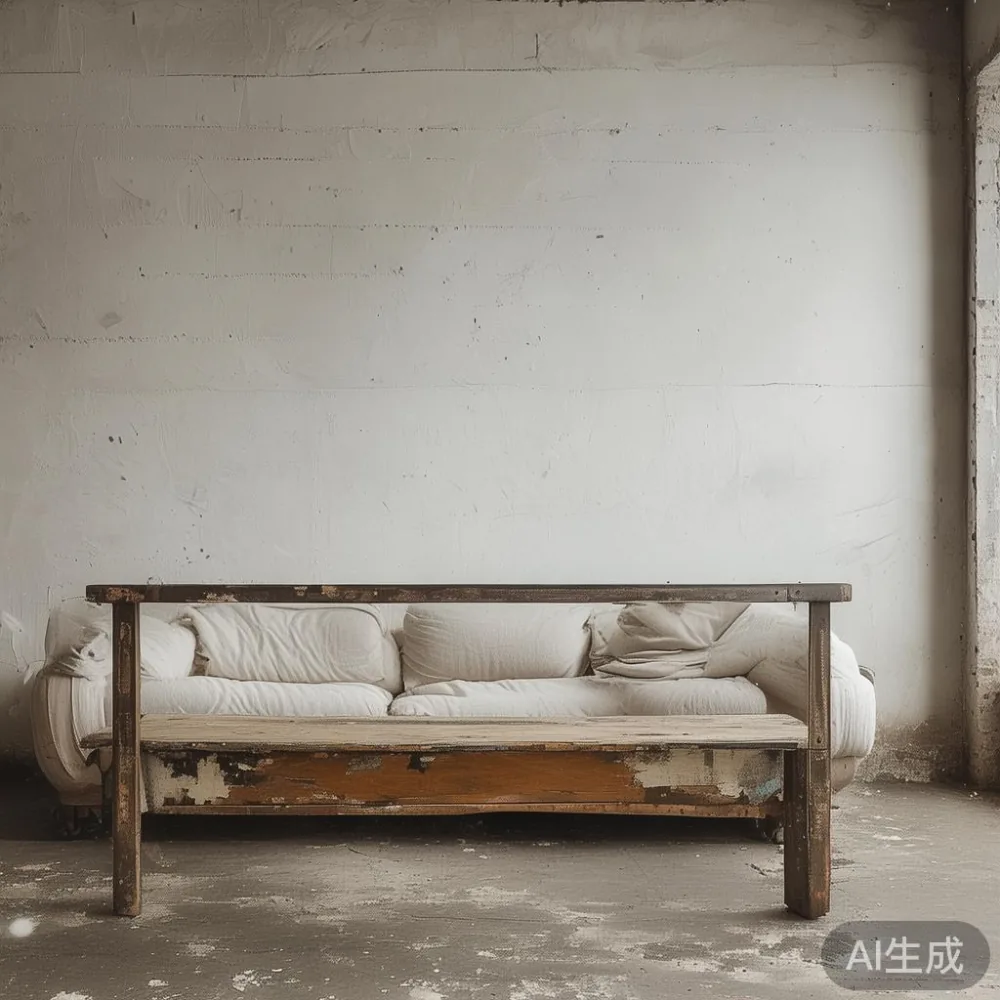
At MIDHILL, an industrial-style solid wood collection is made for real homes rather than catalogue perfection. The pieces include solid wood sofas, bed frames, dining tables, wardrobes, nightstands, and occasional marble tables. Understanding how tropical humidity affects each material helps homeowners in Punggol, Tampines, Bedok, and elsewhere protect their furniture without turning maintenance into a full-time job.
Why Singapore’s humidity changes solid wood
Relative humidity is the percentage of water vapour held in the air. Singapore’s annual readings commonly move through a broad range, and coastal conditions keep moisture in the atmosphere. Inside an HDB flat, the building envelope may limit cross-ventilation, while air-conditioning removes moisture from occupied rooms. The result can be a 10–15% relative-humidity difference between a bedroom and a common corridor over parts of the day.
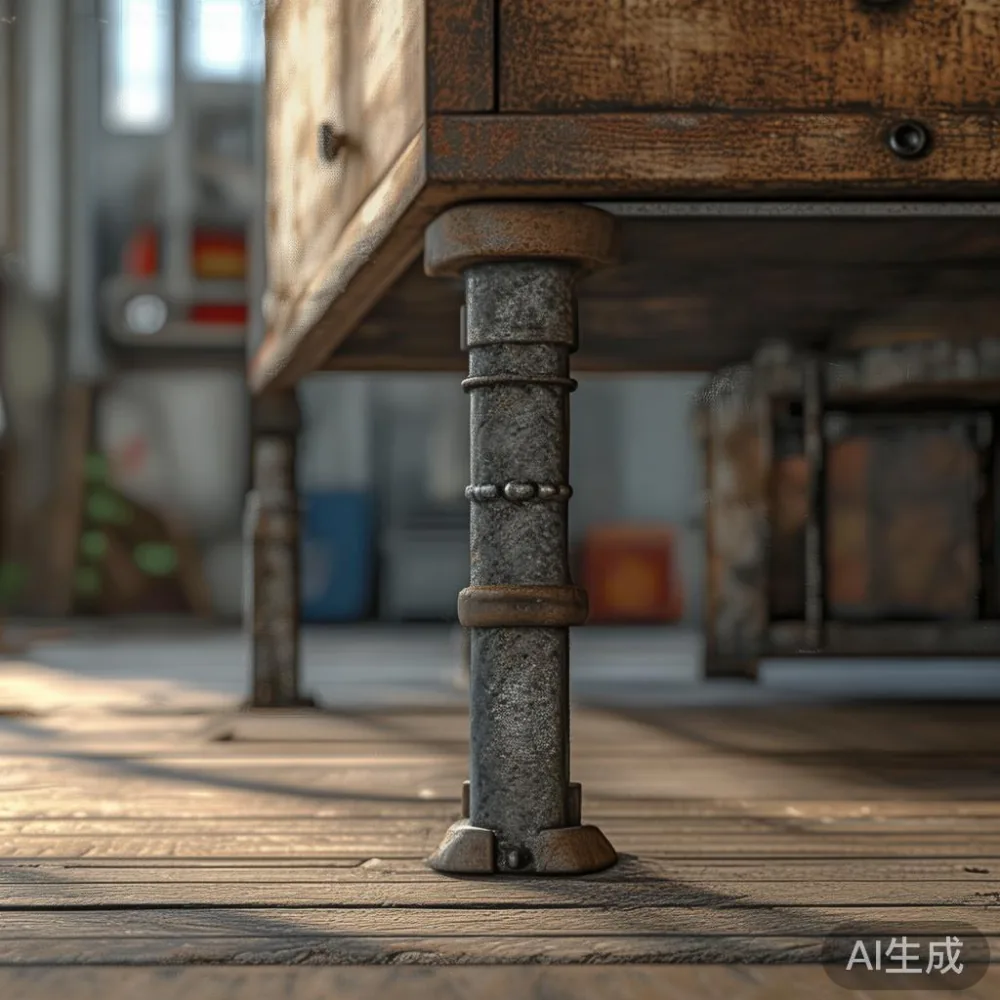
Solid wood is hygroscopic: it takes in moisture when the surrounding air is humid and releases it when the air becomes drier. That movement can cause a 180 cm dining table to expand by several millimetres across its width, or make a 20 mm solid wood board show minor surface checking. The change is usually small, but repeated cycles can loosen joints, open a few fine gaps, or make drawers feel tight during humid afternoons.
Engineered components are not immune. A solid wood sofa may sit within a frame that includes plywood or metal supports, while a bed frame may combine solid timber with a slatted base. Stable fittings and careful finishing reduce visible movement, but sensible humidity management remains necessary.
Is tropical humidity bad for every type of wood?
No. Wood species differ in how they respond to moisture, and the stability of a finished piece depends on the timber, construction, grain direction, and protective coating. Dense hardwoods such as teak and iroko are generally less dramatic in their movement than softer woods. Oak, ash, and other commonly used timbers can show more visible response, especially along wide boards and end-grain edges.
That does not make oak unsuitable for Singapore. It means the furniture should be installed with care, kept away from persistent condensation, and given time to acclimatise. Newly delivered pieces should remain in their packaging for roughly 24–48 hours if the room feels very different from the storage conditions. Remove plastic only after the wood has adjusted; trapped moisture can be more damaging than humid room air.
A useful target for most living spaces is around 40–60% relative humidity. Short periods above 60% are less troublesome than weeks of consistently damp conditions. Direct air-conditioner outlets should not point at a wardrobe side, a nightstand, or a dining table. Leaving about 30 cm between the wall and a freestanding piece also improves air circulation and makes cleaning easier.
How should I protect an industrial-style dining table?
An industrial-style dining table combines visible timber character with a disciplined frame, making it especially suited to post-modern light luxury interiors. In Singapore, place it away from balcony doors that remain open during monsoon showers, and do not leave hot dishes, wet glasses, or damp folders directly on the surface. Use a coaster of at least 8 cm and a placemat of at least 35 × 45 cm under tableware.
Clean the table with a soft, slightly damp cloth, then dry it immediately. Avoid silicone-based sprays, household bleach, and abrasive pads. If the finish is water-based, a light application of compatible hard wax oil may be appropriate, but test it on a hidden section first and allow at least 24 hours before full use. Oil finishes can be renewed at home; film finishes should be assessed for professional refinishing because aggressive sanding can remove too much thickness.
For a 200 cm table, support matters. Check that each leg is level and that the frame has not twisted. A gap larger than 3 mm between a table top and its apron may indicate seasonal movement or assembly tension; photograph it during a dry evening and compare it after 48 hours of stable indoor conditions. Persistent distortion deserves inspection rather than repeated tightening.
How does humidity affect a solid wood bed frame?
A bed frame experiences less direct wetting than a dining table, but it is exposed to body moisture, bedding, and air-conditioning cycles. A solid wood bed frame with a 30 cm high headboard can develop a faint sheen or minor surface variation as the timber responds. Mattress support is also important: centre slats should sit under the mattress edge and be spaced at no more than 8–10 cm apart for a slatted base designed for that span.
Leave a modest gap at the wall side where possible, ideally 5–10 cm, and avoid pushing the frame tightly against a cold surface. Do not adjust the frame immediately after delivery. Give it 48–72 hours in the bedroom so it can settle before checking the bolts. The question “is Japandi bed worth it” often focuses on visual appeal, but in a humid climate the timber construction and finish quality deserve equal attention.
Bedding should not be aired on the frame during particularly damp afternoons. Instead, use the balcony only when outdoor conditions are reasonably dry, or hang items near a ventilated window without obstructing the opening. This also helps reduce the risk of mould on cotton or linen fabrics around the headboard.
What should owners of wardrobes and nightstands check?
Wardrobes require airflow because their doors can trap humidity inside. In a compact bedroom, a floor-to-ceiling unit may be fixed against two walls. During installation, maintain the clearance specified by the manufacturer and avoid sealing the back panel completely if ventilation is required. A 200 cm tall wardrobe may consume about 0.48 sqm of floor area, so careful placement can improve both circulation and access.
If you are comparing clean lines and pale timber for a rental flat, the search for “how to style Japandi wardrobe in room” can lead to useful material choices, but climate protection comes before decoration. Use a soft cloth, keep perfume and aerosol sprays away from the finish, and allow wet towels to dry before placing them on a shelf. It is also sensible to keep valuable clothing in sealed boxes or garment bags if the wardrobe faces a bathroom wall.
For a nightstand, keep drinks in lidded containers and use a tray of about 28 × 18 cm. A marble table is less hygroscopic than timber, yet its support and surrounding furniture still need care. The marble may be stable while a timber cabinet beneath it moves slightly, so check the fit every 3–6 months and do not overtighten connectors.
Homeowners comparing under 2000 light luxury furniture options should include aftercare in the purchase decision. Price is only one part of ownership; the finish system, warranty, replacement parts, and refinishing service can affect costs across a 10-year period.
Does air-conditioning solve the humidity problem?
Air-conditioning controls temperature and lowers moisture as it cools air, but it does not guarantee a stable humidity level all day. A room set at 24°C may still vary substantially depending on the number of occupants, the time of day, and whether doors remain open. Short-cycle air-conditioning can also create repeated surface-temperature changes on timber near the outlet.
Use the bedroom’s thermostat as a practical starting point, generally around 24–26°C, and adjust based on comfort. Avoid directing airflow continuously at one side of a wardrobe or bed. A hygrometer placed at cabinet height can provide a useful reference; it should read the room’s general conditions rather than the mist of an air vent.
For HDB flats, ventilation planning depends on the actual opening and corridor conditions. Kitchen and bathroom windows are helpful, yet wet-room humidity should not be allowed to spread through adjoining rooms. Run the exhaust fan during showers and for about 10–15 minutes afterwards. If a bathroom has no external window, keep the door closed and use the fan as the primary moisture control.
How do lift and corridor dimensions affect furniture delivery?
Furniture protection begins before the piece reaches the living room. A standard HDB lift may have an internal door width of about 80–90 cm and a depth of 130–140 cm, although block, floor, and lift model differences must be confirmed. A condo service lift may offer larger dimensions, but a narrow corridor turn can still create difficulty.
Ask the retailer for the packed dimensions and weight of each item. A solid wood dining table might weigh 65–95 kg, while a large bed frame can reach 50–80 kg. A wardrobe may be delivered in sections because a single 210 cm tall carcass can be difficult to turn in a residential corridor. If the lift opening is 90 cm, a 95 cm wide package will not pass without checking the route.
MIDHILL furniture can be planned around these access constraints, and Singapore orders over US$350 qualify for free shipping, equivalent to roughly SGD 460 at a broad exchange-rate estimate. Delivery timing should be confirmed in SGD terms at checkout because exchange rates change. A typical production and delivery window is 30–45 days for non-stock pieces, followed by an installation appointment. Allow at least 3–5 days in the schedule for access issues, especially in older HDB blocks with compact lifts.
Before delivery, photograph the lift doors, internal dimensions, corridor turns, and any tight thresholds. Measure the route rather than estimating from the unit floor plan. Remove doors or movable panels only with the building management’s permission. For a condo, check loading-bay hours and reserve the service lift through the management office where required.
Can French light luxury work in a humid HDB home?
Yes, but its calm finishes should be paired with practical climate habits. French light luxury tends to use pale woods, restrained profiles, and gentle contrast, while American light luxury often introduces deeper tones and substantial forms. Both can suit industrial-style furniture when the metal elements remain clean and the timber is protected from unnecessary moisture.
A compact 9 × 12 m HDB living room, for example, may look better with a 180 cm solid wood sofa and a 100–110 cm dining table than with oversized pieces that restrict circulation. Keep at least 60 cm between a sofa and the opposite seat, around 75–90 cm at a dining table, and at least 5 cm between a wall and the dining chair zone. A low-profile solid wood sofa with washable fabric can be refreshed more readily than one covered in delicate velvet.
For a guest room, the phrase “Italian light luxury for guest room” suggests a formal mood, yet a humid climate calls for functional textiles and stable furniture. A marble table with a solid timber base can serve as a compact writing surface, provided the wall is dry and the base is not near an open window. For bed frames, warm LED lighting at 2700K and simple storage can create a light-luxury atmosphere without crowding the room.
What should I do when a solid wood surface develops small marks?
Begin by identifying the mark. A pale patch may be caused by moisture trapped beneath a glass, while a darker line can be a scratch or finish variation. Use a clean cloth and a product approved for the specific finish. Test on the underside or rear edge, wait 24 hours, and compare the result in daylight.
Minor movement lines can sometimes be treated with a colour-matched maintenance wax, but deep splits should not be filled with ordinary furniture polish. If a crack is wider than 2 mm, if a joint separates by more than 3 mm, or if a leg feels unstable, stop tightening the assembly and seek an assessment.
MIDHILL provides a 10-year structural warranty, which is separate from surface-finish wear caused by moisture, heat, and everyday use. Lifetime refinishing support is also available under the applicable service terms, making regular care more economical than replacing an entire solid wood bed frame or dining table.
What is the practical humidity-care routine?
A workable routine takes less than 15 minutes per week. Keep a hygrometer in the bedroom and living room, aim for roughly 40–60% relative humidity, wipe standing water promptly, and check that furniture is not pressed against cold walls. Vacuum or dust with a soft brush every 7–10 days, using a nozzle that will not scratch the timber.
During the wetter months, inspect dining joints, wardrobe backs, and bed-frame bolts every 3–6 months. During drier periods when air-conditioning runs strongly, watch for tiny gaps at end-grain edges. Do not respond with heavy coats of oil; excessive product can darken the timber and make future maintenance less predictable.
For a new solid wood sofa, bed frame, dining table, wardrobe, nightstand, or marble table, measure the room and delivery route before ordering. Confirm packed dimensions, weight, delivery days, access charges, and GST at checkout. Singapore’s 14-day return policy provides another layer of reassurance for eligible items, although oak, custom sizes, and made-to-order pieces may have specific conditions that should be checked before purchase.
I last month visited a colleague’s three-room HDB flat in Bedok during a 65% relative-humidity afternoon. A 190 cm industrial-style dining table had developed a slight lip along one outer edge, while the opposite side remained tight. We removed wet glass coasters, redirected the air-conditioner vent, improved corridor ventilation, and left the table undisturbed for 72 hours. The visible difference reduced to under 1 mm, and the frame stayed stable. The experience confirmed that humidity management works best as a combination of small adjustments and patience—not repeated tightening or heavy chemical treatment.
Solid wood furniture in Southeast Asia does not need a sealed-off showroom environment. It needs airflow, sensible placement, and attentive care. With those habits, industrial-style pieces can retain their character for years while fitting the proportions and realities of Singapore homes.