Industrial Furniture: The Price Dynamics Explored
Solid wood furniture can look simple from across a showroom, yet two pieces with similar silhouettes may differ by several hundred dollars. The visible grain is only one part of the price. Timber species, moisture control, joinery, finish, hardware, dimensions, and delivery logistics all affect the final amount.
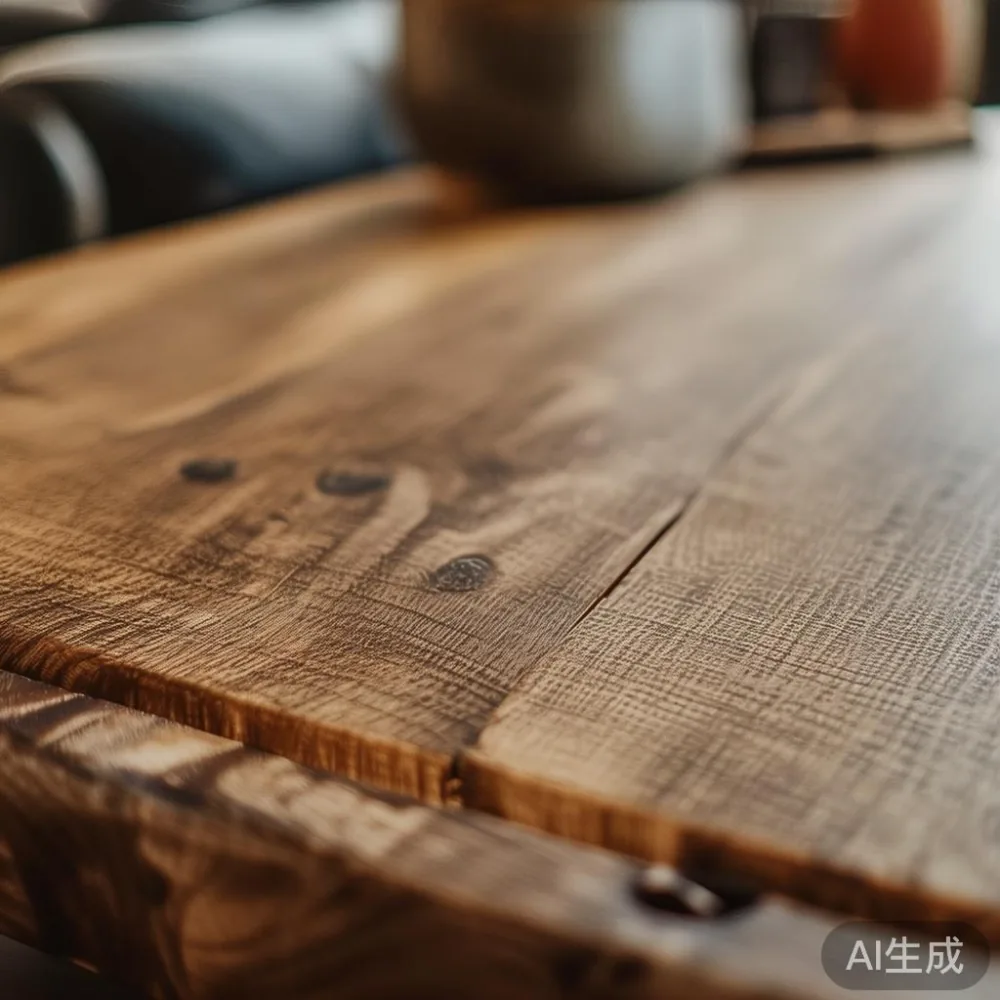
For Singapore buyers, those numbers become practical rather than merely decorative. A 180 cm dining table must clear a HDB corridor, pass through a lift doorway, and fit around the table where it will actually be used. A 210 cm wardrobe may look spacious in a Tampines flat but become difficult to manoeuvre in a narrow Bedok block. GST must also appear in the displayed price under Singapore consumer-law rules.
MIDHILL makes industrial style furniture in Foshan, with a 10-year structural warranty and lifetime refinishing. Its aim is not to disguise how a product is made, but to make the material, construction, and service terms easier to compare. Here is what genuinely drives the price of solid wood furniture.

Why does timber species change the price so much?
The timber species is often the largest material cost, although the finished board also depends on grade, thickness, and yield. Oak, ash, teak, walnut, and other hardwoods have different prices, working properties, and availability. Tree growth, grading standards, drying, and the amount of usable clear wood all influence what a manufacturer pays.
“Solid wood” describes the board construction; it does not guarantee one particular species. A drawer side may be 18 mm while the frame uses 25 mm timber, or visible panels may use a graded hardwood while hidden structural parts use a less expensive species. Responsible sellers should state what has been used instead of relying on one broad label.
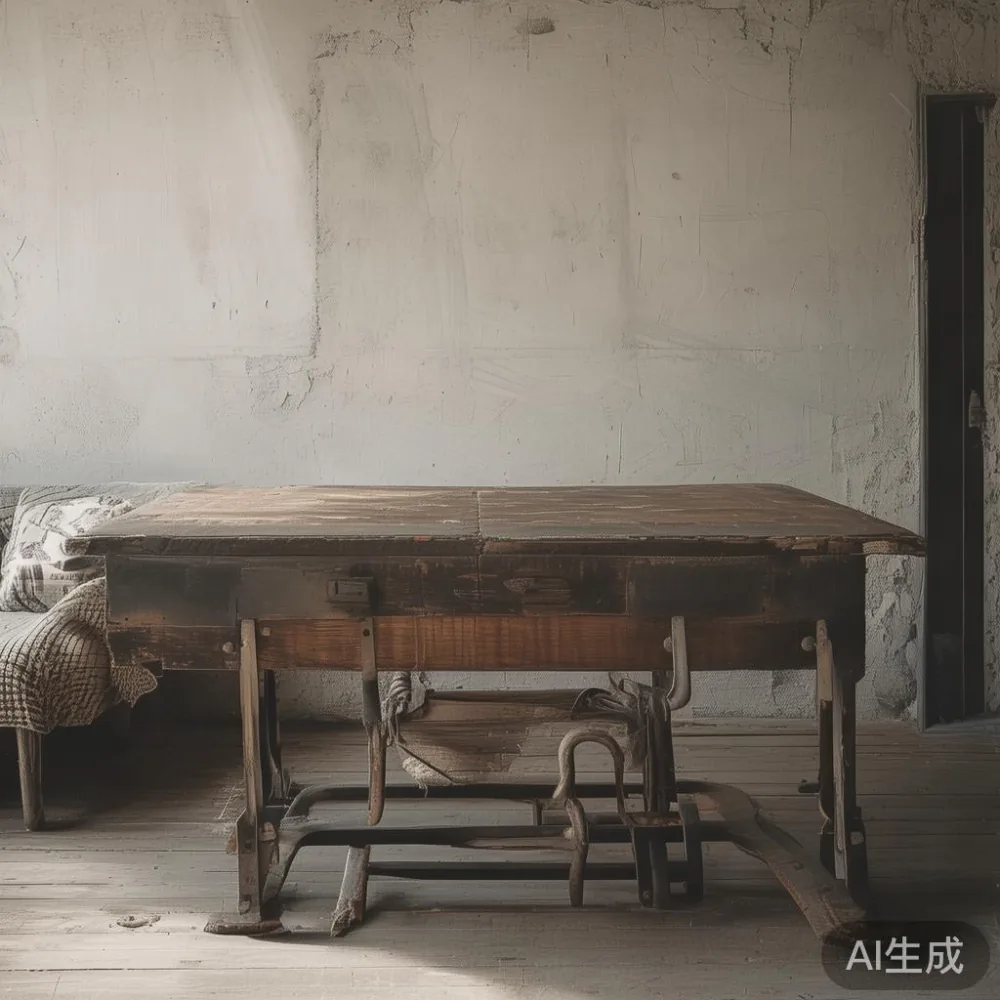
Thickness matters more than some shoppers expect. Moving a dining table top from 20 mm to 30 mm may add roughly SGD 120–SGD 350 before finishing, depending on the species and design. A 45–55 cm deep drawer needs a stable bottom, while a 180 cm bed frame benefits from sturdier rails. Paying more for timber can remove visible movement and improve long-term durability, but only if machining and assembly are sound.
Oak often occupies a middle-to-upper price band because of its grain, demand, and finish requirements. Walnut can be dearer when the grade, colour, and board dimensions are restrictive. Teak suits many humid-region homes because of its stability, but origin and grading must be checked rather than assumed from the colour alone.
At MIDHILL, the material specification should make the comparison practical: species, thickness, dimensions, finish, and warranty. That level of detail gives a buyer something more useful than “premium solid wood.”
How much do drying and moisture control add to the cost?
Wood moves as its moisture level changes. Poorly controlled stock can bow, split, twist, or lift around joints after installation. Proper kiln drying, acclimatisation, and careful storage therefore protect the furniture after it reaches the customer.
For Singapore’s warm and humid conditions, a stable indoor environment remains important. Relative humidity commonly fluctuates around 55%–75% in many air-conditioned homes, although coastal units and rooms near windows can vary more. Quality control may include moisture readings around 8%–12% for many interior applications, with the exact target adjusted to the species and production method.
Drying is not just a one-time furnace operation. Timber can absorb moisture while awaiting machining, then lose it during transport and showroom display. A manufacturer that sequences production well, checks board moisture, and stores stock correctly spends more on control but avoids costly defects later.
Last month I visited a Foshan workshop where a dining top rested on supports for several days before final finishing. The foreman explained that an even airflow mattered more than a hurried schedule. His inspection team checked moisture readings at several points and rejected boards with inconsistent results. That extra step adds time, yet it is often more economical than replacing a warped top after delivery.
Buyers should ask how furniture is prepared for Singapore conditions, not simply whether it is “seasoned.” Useful answers include moisture targets, finishing schedules, storage conditions, and a written structural warranty.
Does furniture construction really affect the price?
Yes. Joinery, component thickness, and assembly method determine how long a piece holds its shape under daily use. The visible design may remain unchanged while hidden costs rise significantly.
A dining table may use mortise-and-tenon joints, dowels, screws into solid timber, or engineered reinforcement. A bed frame may use corner blocks, bridle joints, dowelled rails, or steel hardware. None of these methods is automatically superior, but the joint should match the load and the part. A long sofa frame needs stable support; a heavy wardrobe needs uprights that resist racking; a dining table needs legs that resist movement without splitting the top.
Hardware is another measurable factor. A soft-close drawer system can add approximately SGD 25–SGD 90 per drawer set. Adjustable shelf supports may cost SGD 5–SGD 20 per set, while heavier-duty runners and hinges can add more. A solid wood sofa may combine a timber frame with high-density foam, fabric or leather upholstery, webbing, and sprung seats; those specifications should be listed separately from the timber claim.
Machine accuracy also has a price. Holes that align, rails that meet square, and drawer fronts with consistent gaps require accurate setup and inspection. These details are especially noticeable in a bed frame, dining table, wardrobe, nightstand, or solid wood sofa.
Industrial style often exposes construction rather than covering it. Blackened steel brackets, visible fixings, thick frames, and clear timber edges can make joints and board thickness part of the visual language. The price should still correspond to load-bearing performance, not just exposed hardware used as decoration.
How do finish, colour, and texture affect solid wood prices?
Finishing protects the surface and changes its colour, sheen, and texture. It can also add meaningful production time. A clear matte finish may be simpler to standardise than a deep smoked, fumed, whitewashed, or highly textured effect. Every additional layer must be sanded, dried, and checked.
Open-pore textures require careful filling and sanding. Heavier oil or wax finishes can add labour, while some stains and tinted coatings require extra preparation to achieve even colour. Curved edges and carved details take longer than flat panels because they cannot be finished as efficiently.
Colour does not need to be premium to look refined. French light luxury often uses pale oak, warm cream, muted taupe, and low-contrast grain. American light luxury tends toward balanced proportions, restrained colour, and durable upholstery or timber surfaces. Post-modern light luxury may mix clean forms with one contrasting material, such as an oak dining table and a marble table nearby.
Natural variation must be accepted. Solid wood is not a printed surface, so grain, knots, mineral lines, and small colour shifts are part of the material. Premium pricing usually buys better selection and grading, not a completely uniform appearance.
Ask for the finish system, maintenance instructions, and refinishing terms. MIDHILL provides lifetime refinishing, which adds long-term value because the surface can be renewed rather than automatically replaced after wear.
What should a 2026 wardrobe comparison include?
Wardrobe price is driven by usable internal volume, board construction, door movement, internal fittings, and installation access. A 120 cm model with one hanging section and one shelf area may cost less than a 150 cm unit with double hanging, deep drawers, LED lighting, and soft-close hinges. A 200 cm wardrobe can require two or more modules, increasing shipping and assembly time.
Search terms such as best Vintage wardrobe for 2026 can produce many decorative options, but the buying decision begins with measurements. In an HDB bedroom, leave roughly 60–90 cm of movement space where the doors open, unless sliding doors are specified. Check the lift door width, turning space, stair landings, and the actual route to the bedroom.
The French provincial for office phrase can be useful when comparing a desk and storage, but office requirements deserve a different checklist from a wardrobe. File dimensions, cable management, knee clearance, and drawer load matter more than the number of decorative shelves.
For a wardrobe, a useful specification includes panel thickness, back construction, hanging depth, shelf load, hinge type, drawer runners, internal dimensions, and warranty. A clear price should also state whether delivery is curbside, room-of-choice, or includes assembly.
How should a dining table be priced for Singapore homes?
Dining table prices respond to top dimensions, timber, edge profile, base design, finish, and fabrication complexity. A 160 cm rectangular table may seat four to six, while a 200 cm model can seat six to eight. Seating capacity depends on clear width per diner—about 55–60 cm is comfortable—and on whether the base permits legroom.
French provincial for dining room usually evokes carved aprons, rounded edges, and a warm traditional silhouette, but construction quality still matters. Nordic for dining room tends toward pale timber, simple proportions, and restrained decoration. Neither style label determines durability.
Compare a 180 cm oak dining table with a similar-looking model built in mixed timber. Check the top thickness, underside, joint method, and whether the advertised timber applies to the entire piece. A pedestal base can improve knee space but may weigh more than four legs. A trestle base can create a strong industrial style profile, while metal brackets should have proper plates and fixings rather than being attached only to thin board edges.
Before ordering, measure the dining zone and the delivery route. HDB lift entrances may be around 90 cm wide, with usable clearances sometimes smaller because of door panels and controls. A table carried vertically on edge can pass through a doorway that its 180 cm length would not clear horizontally. Ask the supplier for packed dimensions rather than estimating from the product photo.
Is a marble table worth paying more for?
A marble table is not solid wood, so it should not be judged against a timber piece using the same assumptions. Marble pricing depends on slab selection, thickness, cut, polish, edge treatment, structural support, and natural variation. A 110–140 cm top may use a 20 mm slab, while a larger table may need greater thickness or a reinforced base.
Natural stone can introduce visible veins and colour differences. Those features are expected, but cracks, repairs, and unsupported overhangs deserve scrutiny. Stone also has substantial weight. A dining top may weigh 90–180 kg depending on size and thickness, making two-person lifting or professional installation sensible.
In a Punggol or Tampines home, a marble table may work as a compact dining surface or console rather than a large centrepiece. Its cool surface can balance warm wood and black metal in an industrial style interior. For a Bedok condo with larger rooms, a longer top may suit an open dining zone better than a crowded HDB kitchen.
Compare marble with solid wood by use, not by material prestige. A marble table may suit formal dining and heat resistance; a timber table may offer warmer tactility and easier edge repair. Price each according to its actual specification.
How do size, delivery, and GST affect the final cost?
Furniture is sold by volume and weight as well as design. Oversized pieces require more packaging, handling, labour, and transport capacity. A six-drawer wardrobe delivered unassembled can weigh 120–220 kg; a solid wood sofa may weigh 65–110 kg; a bed frame may need two or three cartons. These figures vary with timber density and construction.
Singapore buyers should expect GST of 9% to be included in the advertised price. Delivery should be quoted separately where appropriate, especially for upper-floor HDB units, lift reservations, or narrow corridors. The product price alone may not represent the amount payable at the door.
Typical production and delivery windows can be 25–45 days for standard items and 45–75 days for made-to-order or more complex pieces. Custom sizing should be confirmed in writing. These durations affect availability but do not alone determine quality.
Measure the lift opening, corridor, stairwell, turns, and bedroom doorway. For example, a 58 cm-wide nightstand passes easily through a 70 cm opening, but a 70 cm unit with projecting handles may not. Remove or plan around corridor obstacles before delivery day. Lift booking may be needed in some buildings, and the delivery crew may need a clear route without removing the wardrobe immediately.
MIDHILL offers free shipping for orders over US$350, but Singapore buyers should still confirm whether the threshold applies to the international order value, how GST is handled, and whether additional services are charged. A 14-day return policy is useful, though return logistics for a large or custom item should be explained before purchase.
How can you compare two solid wood products fairly?
Begin with the wood and construction sheet rather than the style photograph. Record species, dimensions, board thickness, joinery, hardware, finish, weight, packed size, warranty, delivery lead time, assembly terms, and total GST-inclusive price. Then compare the products in the room and through the actual access route.
For a bed frame, review centre support, rail spacing, slat count, mattress clearance, and floor clearance. A guide such as how to style American bed in bedroom is useful for the visual side, but it cannot replace structural specifications. A king-size bed may measure 180–200 cm wide by 200–210 cm long, yet mattress sizes vary, so the frame’s internal dimensions matter.
For a guest room, a Minimalist for guest room approach may use a slim bed frame, one nightstand, and limited storage. A compact 90 cm single bed can suit a smaller HDB room better than a 135 cm double, leaving more usable space for circulation.
For a dining table, sit at it before buying. Check knee space, elbow clearance, and whether the table feels stable when leaned upon. For a nightstand, open every drawer and look for alignment. For a wardrobe, test the doors and shelves if a showroom sample is available. For a solid wood sofa, examine the frame, cushion support, upholstery, and removable-cover options.
Finally, consider service as part of the price. A 10-year structural warranty, lifetime refinishing, clear communication, and 14-day returns can reduce the risk of an expensive mistake. MIDHILL’s export experience across more than 15 countries also means packaging and documentation may be handled with greater familiarity, although delivery terms for each Singapore order should still be verified.
What is the fair price of industrial style solid wood furniture?
A fair price reflects measurable inputs and long-term support. It should not reward vague claims or punish a buyer for asking exact questions. The material should be named, dimensions should be published, and construction should be explained without hiding behind “heirloom,” “luxury,” or “handcrafted.”
For a Singapore buyer, the practical total includes GST, delivery into the home, assembly, and access constraints. The price should also account for the fact that a solid wood dining table, bed frame, wardrobe, nightstand, or solid wood sofa will be touched, loaded, moved, and lived with every day.
The strongest value comes from matching timber grade to construction, finish to use, and dimensions to the home. Industrial style may show the framework; good pricing should do the same—making it clear where every dollar goes.