Singapore Homeowner's Industrial Furniture Care Tips
Singapore’s warmth, humidity, salt-laden air and frequent indoor air-conditioning create demanding conditions for lacquered furniture. Sunlight can reach a corridor window for 30 minutes in the morning and again for 45 minutes near sunset, while a unit beside the coast may experience higher humidity than one several kilometres inland. Lacquer looks clean and precise, yet its long-term appearance depends on controlled moisture, gentle cleaning and sensible placement.
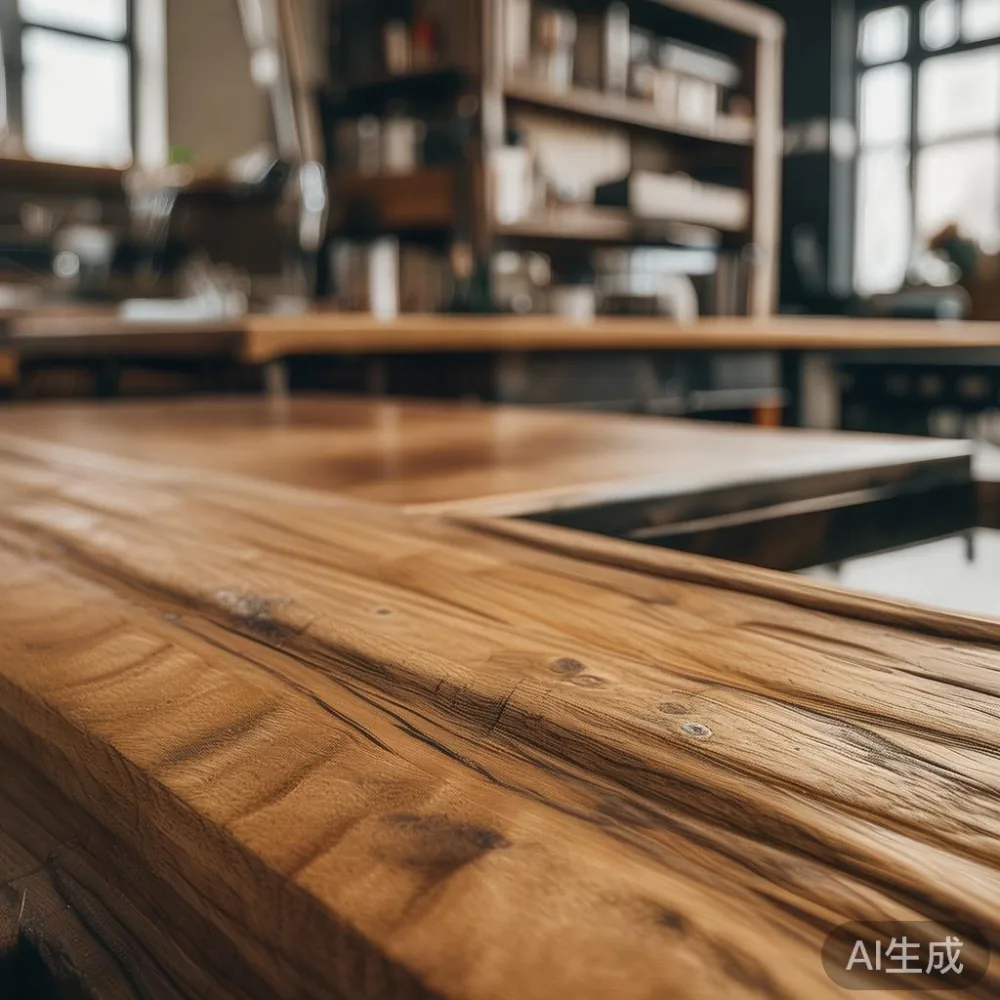
At MIDHILL, industrial style furniture combines visible solid wood character with disciplined lines and durable finishes. Our solid wood sofa, bed frame, dining table, wardrobe, nightstand and marble table are made for real homes, including compact Singapore interiors and busy family routines. The lacquer-care routine below protects the finish without sacrificing the warm character expected from industrial style furniture.
Why does lacquered furniture need special care in Singapore?
Humidity is the main pressure point. Outdoor readings in Singapore commonly range from about 65% to 90% during wet periods, and a laundry balcony or corridor without good ventilation can remain humid after rain. A lacquer film resists moisture, but heat, ultraviolet exposure, trapped water and abrasive grit can still cause dulling, hazing, swelling or peeling over time.
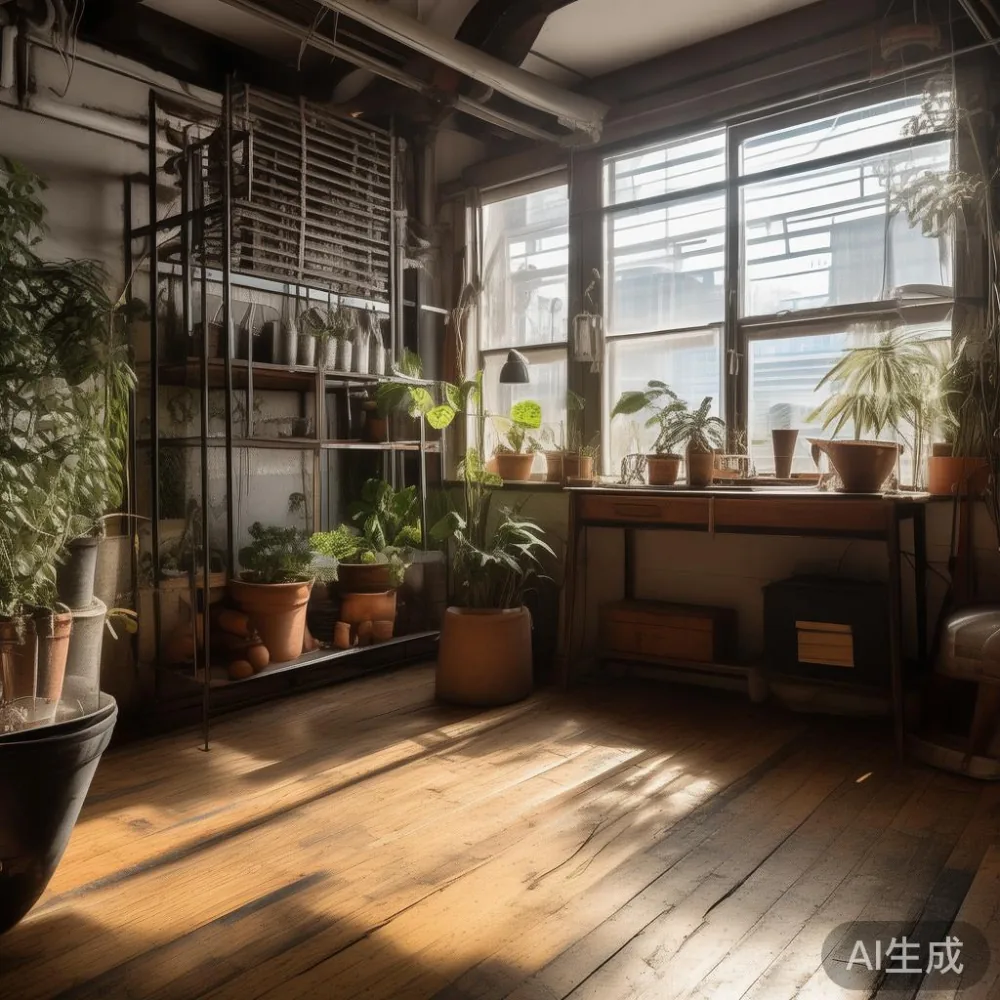
Temperature changes matter too. A near-window dining table may reach 36°C to 40°C in direct afternoon sun, while its air-conditioned room remains near 24°C to 27°C. Repeated movement across that range encourages the lacquer and wooden substrate to expand and contract at different rates.
Lift and corridor conditions deserve attention before delivery day. Confirm that the carton fits inside a common HDB lift opening of roughly 90 cm by 140 cm, and measure the turning space in corridors about 120 cm to 150 cm wide. For a dining table, compare the longest packaged dimension with the lift’s internal diagonal, not merely its door width. A wardrobe may weigh 75 kg to 130 kg, so plan a two-person carry and use the building’s service lift where available.
How should I clean a lacquered surface safely?
Use a soft, lint-free microfibre cloth, clean lukewarm water and a small amount of mild dish soap. Mix about 1 teaspoon of detergent into a 500 ml spray bottle of water, apply the solution to the cloth rather than the furniture, and wipe once. Follow with a second clean, damp cloth, then dry immediately with a dry cloth.
Do not spray cleaner directly onto a solid wood sofa, dining table, wardrobe or nightstand. Overspray can enter joints, soften an adhesive line or leave a faint ring. For a marble table, test the cleaner on an underside corner and avoid acidic liquids because marble can etch. Keep silicone spray, furniture polish, solvent, nail-polish remover and multipurpose cleaners away from lacquer.
Wipe spills promptly. Water should be removed within 5 minutes, food residue within 15 minutes, and oily marks within 30 minutes. Use cool rather than hot water; heat can loosen residue and increase moisture loss from exposed wood edges. A soft-bristled brush can release dust from carved industrial style details, but hard brushes should never touch a lacquered panel.
For routine cleaning, 1 wipe every 7 to 14 days is sensible in a frequently used dining area. Bedside surfaces may need attention every 3 to 5 days because of lotion, sweat and daily contact. Dust from an open HDB corridor can settle quickly, so curtains or a cabinet top can help without blocking ventilation.
How far should lacquered furniture sit from windows and air-conditioners?
Aim for at least 1 metre between lacquered furniture and a window that receives direct sun. Where layout constraints reduce this to 50 cm, add a sheer curtain and UV film, but still avoid concentrating afternoon light on the finish. In a Tampines or Punggol flat, west-facing windows can be intense during the 2 p.m. to 5 p.m. period, while east-facing rooms need morning shading between 8 a.m. and 11 a.m.
Keep the surface at least 30 cm from an air-conditioner’s direct airflow. Continuous cold air can dry lacquer unevenly, especially near vents and door louvres. Maintain indoor relative humidity around 45% to 60% where possible; readings above 65% warrant closer attention. A hygrometer placed near the dining table or wardrobe gives a more useful result than one beside an exterior wall.
For coastal windows in Bedok or East Coast, close the window and run air-conditioning while wiping surfaces, rather than opening wet windows to dry furniture. Salt particles should not be left to accumulate because they absorb moisture and become abrasive when rubbed.
Small placement errors can affect appearance but do not automatically ruin a finish. If a cabinet is unavoidable beside a sunny corridor, rotate nearby accessories every 14 days so one panel does not fade continuously. Use a lamp positioned more than 20 cm away instead of resting it directly on a lacquered top.
Can I use polish, oil or wax on lacquered wood?
Do not add polish or wax unless the furniture maker confirms that the exact finish is compatible. Some lacquers tolerate a maintenance product, while others can develop patchy gloss, collect sticky residue or make future refinishing difficult. Oil is also unsuitable for a sealed lacquer film and may darken exposed timber around joints.
For a lacquered dining table, stick to the damp-cloth method. A manufacturer-approved cleaner may be applied once every 2 to 3 months if usage is heavy, but apply it with a fresh cloth and test a concealed area first. Never polish a surface weekly; excessive motion can create swirl-like haze that becomes more noticeable under the same 700-lux indoor lighting used every evening.
Solid wood beneath lacquer is not a reason to saturate the furniture with oil. The protective film, not the cloth or foam mat, separates daily moisture from the timber. A wooden serving board should be used for hot or wet food, and coasters should measure at least 8 cm in diameter for cups or 15 cm by 25 cm for a small vase.
Leather cushions require a different process from lacquered frames. Vacuum upholstery weekly at a moderate setting, remove cushions every 30 days, and avoid direct sunlight. Keep at least 60 cm between a solid wood sofa and a radiator-style object that produces concentrated heat, even though Singapore homes rarely use radiators.
What should I do if the lacquer fades, blisters or scratches?
Stop using abrasive products when a finish develops a defect. A white bloom may indicate moisture beneath the film, while fine scratches usually result from grit, rings or repeated friction. Blistering, lifting or a broad dull patch needs professional assessment because household repairs can enlarge the damaged area.
For a fresh scratch, place a clean microfibre cloth over the mark and warm it gently with a hairdryer for 15 seconds at a 30 cm distance. This can improve the appearance of some superficial scuffs, but it will not rebuild missing lacquer. Do not hold the dryer closer, because heat above about 60°C may worsen warping or whitening.
Keep pets and children away from the affected zone while arranging service. Photograph the furniture in daylight and provide the approximate purchase date, finish type and incident timeline. MIDHILL offers a 10-year structural warranty on qualifying pieces and lifetime refinishing support, with available periods confirmed according to the individual product and location.
A wardrobe door showing 5 cm of edge wear may need a different treatment from a 1 cm dining-table scratch. Refinishing options depend on whether the substrate remains sound, how much thickness can be removed and whether the original colour can be matched. Replace rather than force loose hardware, and avoid tightening a hinge repeatedly if the carcass has begun to shift.
How do I coordinate lacquer care with different interior styles?
French light luxury often uses pale upholstery, brass-toned details and gently curved forms, while American light luxury favours generous proportions and a relaxed finish. In either setting, a lacquered dining table becomes the centre of the room and receives frequent water rings and hand oils. Simple liners, coasters and a wipe-after-use rule preserve the surface without hiding the material.
Post-modern light luxury can pair one lacquered wardrobe with a solid wood bed frame and a marble table. The contrast is attractive when finishes differ by texture rather than by neglect. A European light luxury dressing table may have a lacquered drawer front; protect its fine lines with soft jewellery trays and keep perfume bottles on a tray rather than sliding them over the top.
When browsing examples of top 10 Modern furniture, look for the material and finish details, not merely a ranked appearance. A Mid-century modern accent chair offers a useful lacquer-care comparison because its exposed seat edges receive frequent rubbing, while a French sofa vs Modern sofa decision may involve tighter upholstery seams that need different cleaning methods. An American sofa vs Japandi sofa comparison is more relevant to room spacing than lacquer, but the selected piece should still be kept away from wet hands and direct airflow.
Our 2026 light luxury furniture direction uses measured contrast, restrained metal accents and durable timber rather than fragile ornament. MIDHILL TV console designs should sit level against a wall, with cables routed through a dry opening and electronics given at least 15 cm of ventilation space. Check the top every 14 days because warm exhaust can deposit fine dust even when the room feels clean.
What delivery and after-sales details should Singapore buyers confirm?
Confirm the delivery window in writing, preferably within a 2-hour arrival block. Standard shipments to Singapore commonly take 25 to 45 days after production, although schedules vary by piece, quantity and port activity. Requests over SGD 350 qualify for free shipping under MIDHILL’s current delivery terms; GST and any duties shown at checkout must be reviewed rather than assumed.
Inspect the lacquer before the delivery team leaves. Walk around the furniture under normal room lighting, check corners under a 400-lux task lamp, and note chips, scratches, stains or moisture marks on the delivery record. Keep packaging for 14 days if possible, including foam and corner protectors, because they can protect a return or approved service move.
Plan returns within the stated 14-day period and retain labels, assembly instructions and protective materials. Made-to-measure wardrobes may require particular handling arrangements, so measurements and finish approvals should be confirmed before production. Keep 60 cm of access around large furniture for cleaning, and 10 cm behind a closed wardrobe unless the installation requires less clearance.
For a condo, include the loading bay, parking approach, lift reservation and floor number in the delivery request. For an HDB block, provide the unit number only to the authorised carrier and avoid leaving cartons in a corridor wider than about 150 cm. Sustainable packing and careful moves protect both the furniture and shared access.
What is a practical 10-minute care routine for an industrial style home?
Start with ventilation. Open internal doors for 15 to 20 minutes after the shower, run air-conditioning when exterior air is humid, and check that no furniture blocks a grille. Then read the hygrometer. Above 65%, inspect lacquered joints and exposed edges; below 45% for several hours, remove unnecessary heat and humidity sources without directing strong airflow at the wood.
Next, remove objects from the top surfaces. Lift coasters, trays and electronics, dust the surrounding area and wipe lacquer with a lightly damp cloth. Work from the rear edge to the front in one direction, then dry. Allow 30 minutes before replacing items so moisture does not remain trapped beneath them.
Once each quarter, inspect a dining table, bed frame, wardrobe and nightstand with a 100-lux flashlight at a low angle. Look for scratches longer than 2 cm, bubbling along a joint, colour variation larger than a 5 cm patch or doors that no longer close within 3 mm of their previous alignment. Record issues rather than repeatedly rubbing them.
Finally, review the room’s light and airflow monthly. Track sun exposure for 30 minutes across the hottest part of the day and note dampness after rain. A solid wood sofa may need weekly vacuuming, a lacquered dining table an immediate wipe and a marble table a pH-neutral cleaner. This small routine supports industrial style furniture by keeping strong surfaces and warm timber visually balanced.
The right approach is not constant treatment but consistent restraint: mild products, soft cloths, controlled moisture and protection from concentrated sunlight. With a 5-minute response after spills and a 10-minute weekly check, lacquered pieces can remain serviceable for many years while preserving the clean lines and crafted presence expected from MIDHILL furniture.