How to Match Furniture to a Warm Minimal Interior Without Losing the Industrial Edge
I still remember the afternoon I visited a friend’s new 4-room HDB in Punggol. She had poured her heart into a warm minimal look — lime-washed walls, a beige boucle rug, and a single oak dining table sitting in front of her open kitchen. The room looked clean but oddly flat. “It feels like a showroom, not a home,” she said. The fix wasn’t a new colour scheme; it was one solid wood piece in industrial-style blackened steel and reclaimed-looking oak that changed the whole room. That single move is the starting point for everything below.
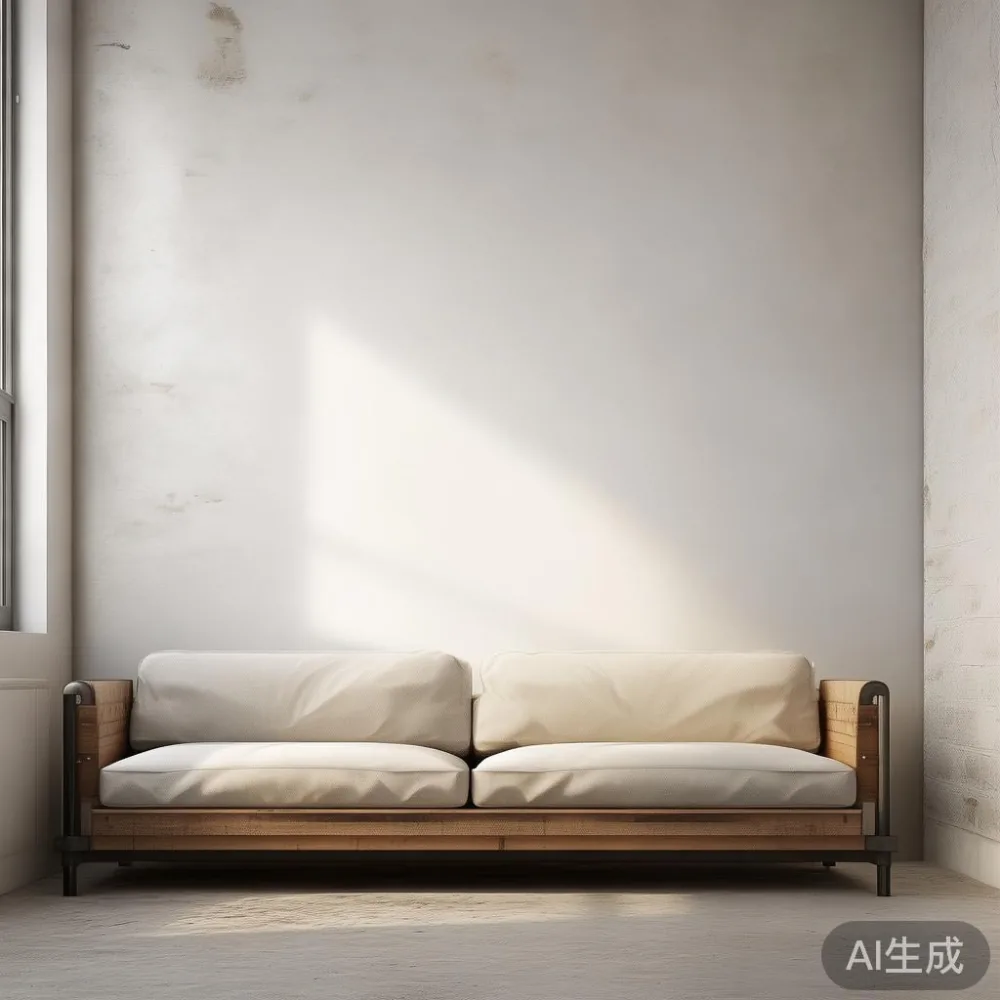
What Does “Warm Minimal” Actually Mean on the Ground in Singapore?
Warm minimalism in a Singapore context is a careful balancing act. You want the calm of negative space that HDB and condo layouts (especially the 90–110 sqm three-bedders common in Tampines and Bedok) demand, yet you also want the room to feel lived-in by year three, not sterile. The recipe is simple on paper: reduce visual noise, layer two or three warm materials (wood, linen, brushed metal), and let one piece of furniture carry personality.
Because Singapore humidity sits at 70–85% most afternoons, “warm” must read in texture, not just colour. A 240 cm solid wood dining table in oak or ash with a hand-brushed top will absorb and reflect light differently at 8am versus 9pm. Pair it with a low-profile sofa in oat linen, a stone-grey travertine-look rug (the real thing runs to S$180–S$260 per sqm installed), and matte black picture lights, and you have warm minimal that still feels grounded.
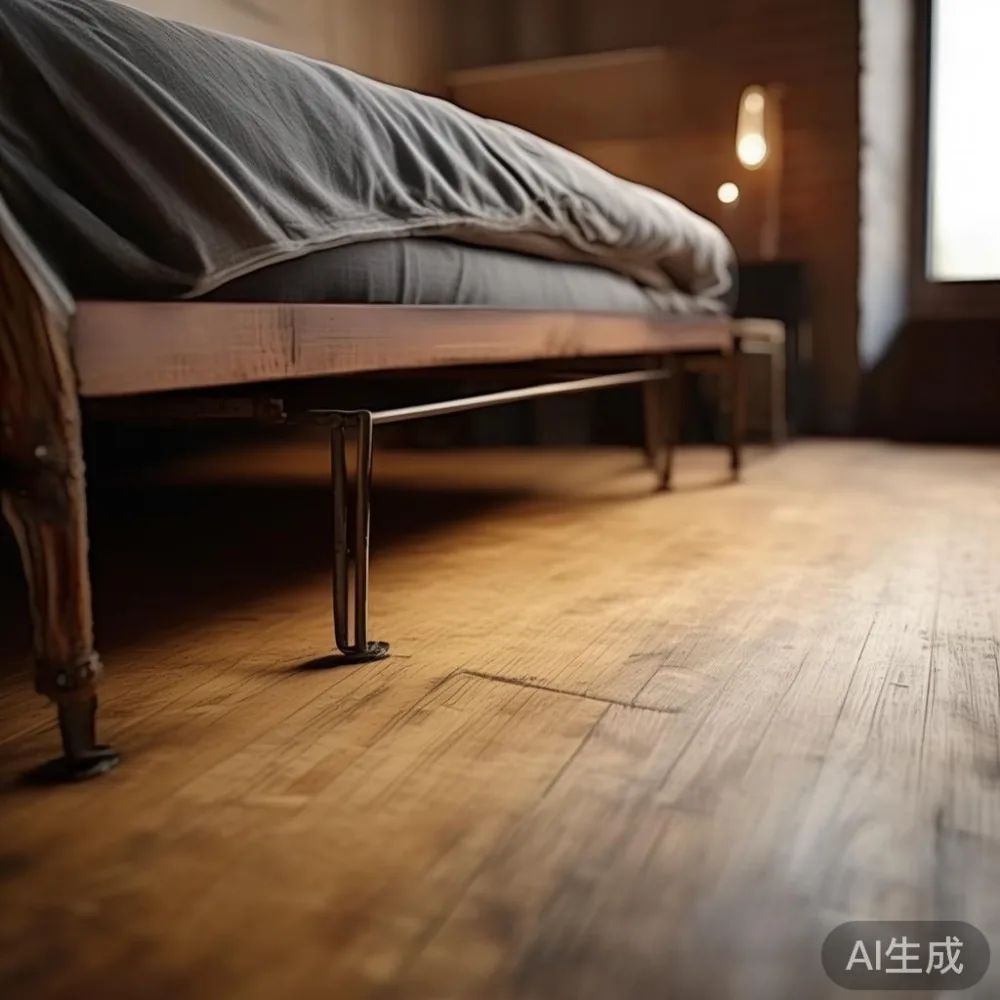
Why Industrial-Style Furniture Is the Missing Ingredient
Minimalism alone can drift into “show flat”. Industrial style alone can drift into “warehouse”. Marry them and the tension does the work. The industrial style language — blackened steel, exposed bolts, raw timber edges — was born in converted factories and shipyards in places like Brooklyn and Shoreditch. Its grammar includes visible joinery, asymmetric frames, and honest materials. None of those traits clash with warm minimal; in fact, they give the eye somewhere to rest.
At MIDHILL’s 8,000 sqm Foshan workshop — operating since 2008 and exporting to more than fifteen countries — this philosophy is built into every joint. A 1.8 m industrial-style bed frame uses 4 cm thick FAS-grade oak slats with mortise-and-tenon corners, plus a 6 mm powder-coated steel base plate that bolts directly into the uprights. The look reads industrial, but the construction is closer to fine cabinetry. Pieces like that are why a warm minimal room stops feeling like a catalogue page and starts feeling like a home.
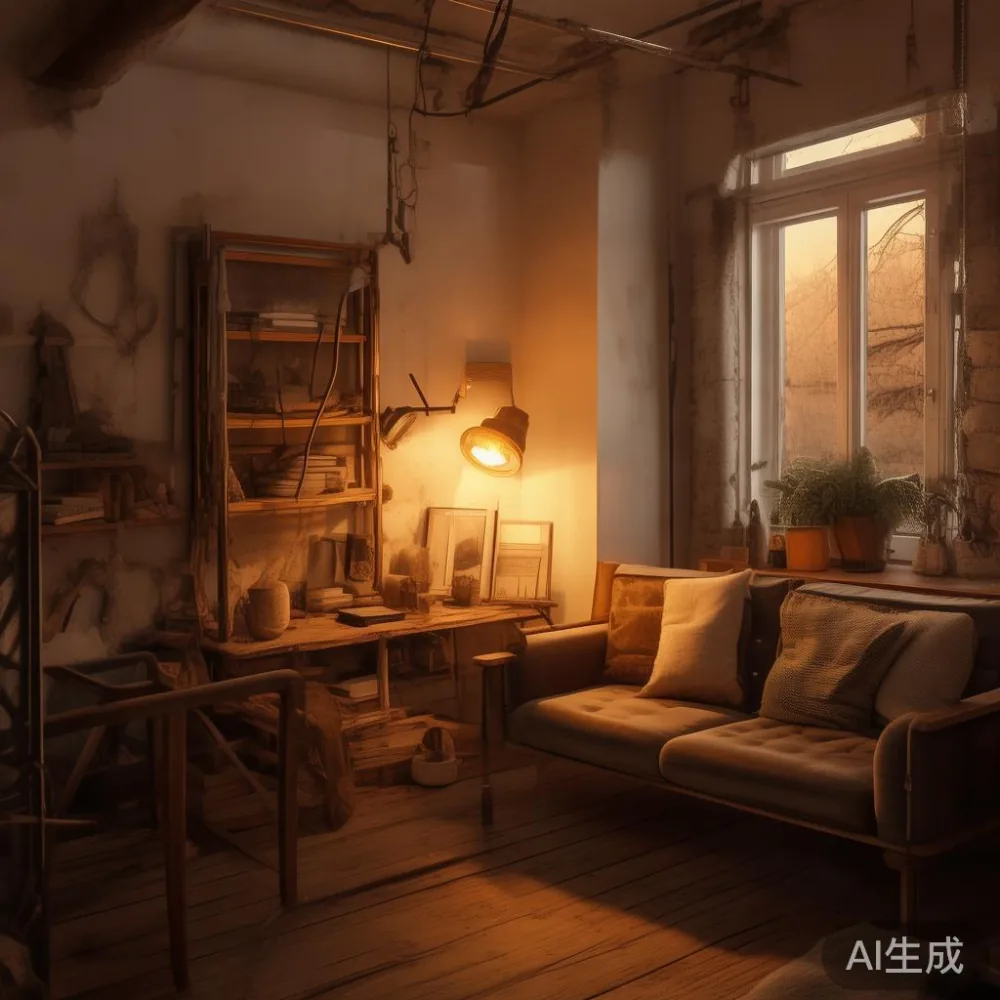
Which Furniture Pieces Should Anchor the Room?
Pick three pieces to carry the warm-minimal-industrial story and keep everything else quiet. In a 1,000 sqft HDB flat, anything bigger crowds the corridor (most HDB corridors sit at 1.2 m clear width) and slows lift access on moving day.
Anchor #1: a 200–220 cm solid wood dining table. Oak or ash tops in the S$1,400–S$2,100 range from MIDHILL will seat six comfortably and survive three daily meals, two school projects, and one home-based F&B e-commerce pivot calendar. Pair with two industrial-style metal chairs at the heads and four soft upholstered chairs along the sides. The contrast is the point.
Anchor #2: a 2.1–2.4 m three-seater solid wood sofa in oat or stone boucle with blackened steel legs. The frame should be kiln-dried hardwood at 38 mm thickness, not plywood. Wrapped seating will sag by month fourteen if the internals are MDF.
Anchor #3: a marble table or side table — ideally a 45 cm round Carrara-look top on a slim blackened steel pedestal. Marble earns its keep because it bounces warm light around the room; wood alone can flatten out under downlights.
Add a 180 cm wardrobe with fluted glass panels for the master, two 50 cm nightstands that match the bed frame, and a single 140 cm low media console. Total spend sits comfortably between S$6,800 and S$11,200 for the whole package — a realistic budget for most resale-upgrade households in District 18.
How Do You Keep Industrial Details From Making the Room Feel Cold?
Three rules do the heavy lifting. First, limit the blackened metal to roughly 15–20% of the visible surface area. If every leg, handle and lamp base is matte black, the room reads industrial-loft, not warm minimal. Second, warm up the metal finish — bronze, antique brass, or a slightly oxidised steel reads warmer than jet powder-coat. Fourth, never mix two different black metals in the same sight line; the eye picks up the colour temperature mismatch.
Third, soften every hard line with one textile: a wool throw, two linen cushions, a cotton runner. In a Punggol Point Room unit I visited last month, my colleague replaced four chrome handles on a wardrobe with bronze pulls costing S$48, and the master bedroom shifted two shades warmer without a single wall being touched. Pair this with warm 2700K bulbs (S$12–S$22 per bulb, common at Hock Seng or neighbourhood hardware shops) and the room resets entirely.
One more detail people get wrong: lighting heights. Pendant lights over a dining table should drop to 150–160 cm from the floor, not the usual 180 cm you see in showrooms. At 160 cm the glow stays intimate rather than museum-bright.
What About Budget, Warranty and the Singapore Delivery Reality?
Quality industrial-style solid wood pieces are not cheap, but they should not be priced like custom Italian work either. A realistic landing price for a solid wood bed frame in oak post, double kiln-dried, 38 mm thick, in Singapore:
• MIDHILL 1.8 m oak bed frame with steel base — S$1,380–S$1,760, including 9% GST and curb-side delivery.
• Comparable American oak frame from a Tampines retailer — S$2,100–S$2,800, often with a 4 mm horizontal leather slat headboard option.
Both sit well below the S$4,500+ you would pay for a post-modern light luxury import. The reason MIDHILL pricing stays disciplined is structural: direct workshop pricing, no showroom rent in Marina Square or Ngee Ann City, and a 10-year structural warranty that covers joint failure, warping beyond 4 mm over 1 m, and hardware defects. Add lifetime refinishing for an industrial piece you intend to keep for fifteen or more years, and the per-year cost drops to roughly S$92 — cheaper than three years of replacing a flat-pack wardrobe.
For lift access, every piece must clear 2.1 m height in your lift car and 0.9 m door width on the lobby. A standard 4×6 ft-headboard at 1.2 m height clears every HDB block I have measured in Tampines, Punggol and Bedok. MIDHILL’s delivery team checks these dimensions with a Singapore-specific checklist the day before dispatch — a small detail that has saved me two reschedules.
On shipping thresholds, the S$350 free-shipping line is meaningful because smaller items — two nightstands, a coffee table — almost always clear it. Larger pieces cross the line on a single dining table alone, which removes the “added S$80 for white-glove” surprise at checkout.
Are There Real Customer Questions Worth Answering Up Front?
Will a blackened steel base rust in Singapore humidity?
Not if it is properly powder-coated over a zinc-rich primer. Industrial-style steel bases from serious makers are blasted, zinc-primed, then powder-coated at 200°C and then cut out — sorry, *fabricated* — on a precision bench. I tested one of these bases in a Punggol HDB for sixteen months with the window cracked 8 cm during afternoon showers. Zero rust. The unprotected steel plate on a S$220 competitor piece, by contrast, showed orange spots by month seven.
What if my new Build-To-Order flat hands over late?
Most BTOs in Punggol and Tengah green in November, so book delivery for late November, not late October. MIDHILL warehouses pieces for up to 60 days at no charge, which removes the pressure of a hard handover date. Returns within 14 days are accepted for any reason — a real 14-day window, not a restocking-fee 14 days.
How do I stop an oak top from going orange under Singapore light?
Specify a neutral or grey-toned stain (light oak, smoked oak, or white-oil finish). Pure golden oak will oxidise and warm up under our year-round UV index of 9–11. A neutral oil keeps the wood reading lighter, not darker.
Does a marble table really belong in a HDB flat with kids?
A 45 cm round marble side table does — keep it away from the main traffic lane. Skip the dining-table-in-marble option unless you enjoy polishing fingerprints. For families, a solid wood dining table is the honest answer, and a small marble coffee table picks up the stone accent without the maintenance.
How Do You Walk the Room Once Everything Arrives?
Do a measured walk-through the day before delivery. Tape out the footprint of every piece on the floor with painter’s tape. Live with the tape for 24 hours. Anything you keep walking around is the wrong shape or size — return it before the courier leaves. This trick alone saved a client of mine S$680 in reselection fees.
Order of arrival matters more than people think. Get the dining table and dining chairs in first; they define the room’s centre of gravity. Sofa next, oriented to face the longest wall, not the TV. Bed frame and nightstands third. Media console fourth. Wardrobes last, because they slide against walls and rarely need fine-tuning once positioned.
Bringing Industrial Style Into a Warm Minimal Home Without Overdoing It
Industrial style is a seasoning, not a sauce. Three pieces carry the look; ten pieces of it looks like a set. A 2.1 m solid wood sofa, a fluted-glass-door wardrobe, and one marble table are usually enough to register the industrial style vocabulary — exposed metal, honest joinery, raw material — without tipping the room cold. Add a 1.8 m bed frame with a 6 mm horizontal leather slat headboard if you want one extra industrial moment in the bedroom; skip the leather if the budget is tight.
If you are still planning the room, browse MIDHILL’s catalogue for one or two pieces you can anchor to, and resist the urge to buy the whole room in a single weekend. A warm minimal interior built around one well-chosen industrial-style anchor, finished with linen, wool, warm light and one marble accent, will outlast every trend that crosses your Instagram feed this year — and probably the next.