What to Check Before Buying a Sofa You Cannot Sit On
Last month I visited a friend in a new Punggol Waterway Isles HDB. The three-room flat was almost perfect: vinyl flooring by Paradigm, a Hacker-style kitchen, blackout blinds from Best World, and a brand-new sofa wrapped in plastic. The owner had not sat on it once. She bought it from a Jurong East showroom in 45 minutes, paid S$2,380, and arranged delivery to the 14th floor. The sofa was too wide for the lobby turn, the legs were wrong, the fabric pilled in two weeks, and the warranty ran only six months. I wish she had read this article first.

Buying a sofa online or in-store in Singapore, where most families live in HDB flats or condos between 45 sqm and 110 sqm, is mostly a paper exercise. You rarely sit on the piece you will live with for ten years. You check numbers, you check photos, you check the showroom sample for about three minutes, and you trust the brand. This guide walks a serious buyer through the eight concrete checks that separate a long-lasting industrial style sofa from a regret in disguise. It draws on the showroom experience of dealers like MIDHILL, a Foshan solid wood furniture maker founded in 2008 that now exports to more than 15 countries and offers a 10-year structural warranty with lifetime refinishing.
1. The Frame Is Where the Sofa Lives or Dies
Before fabric colour, before cushion firmness, look at the skeleton. A truly solid wood sofa frame uses kiln-dried hardwood — ash, oak, walnut, or beech — joined with mortise-and-tenon or double-dovetail joints, not staples or particleboard. Ask for a cutaway photo or a frame sample. If the seller will not show you the inside of the frame, walk away. Softwood frames sag within three to five years in Singapore's humidity; plywood and MDF can delaminate in humid wet seasons around November and January when relative humidity climbs past 85 percent.
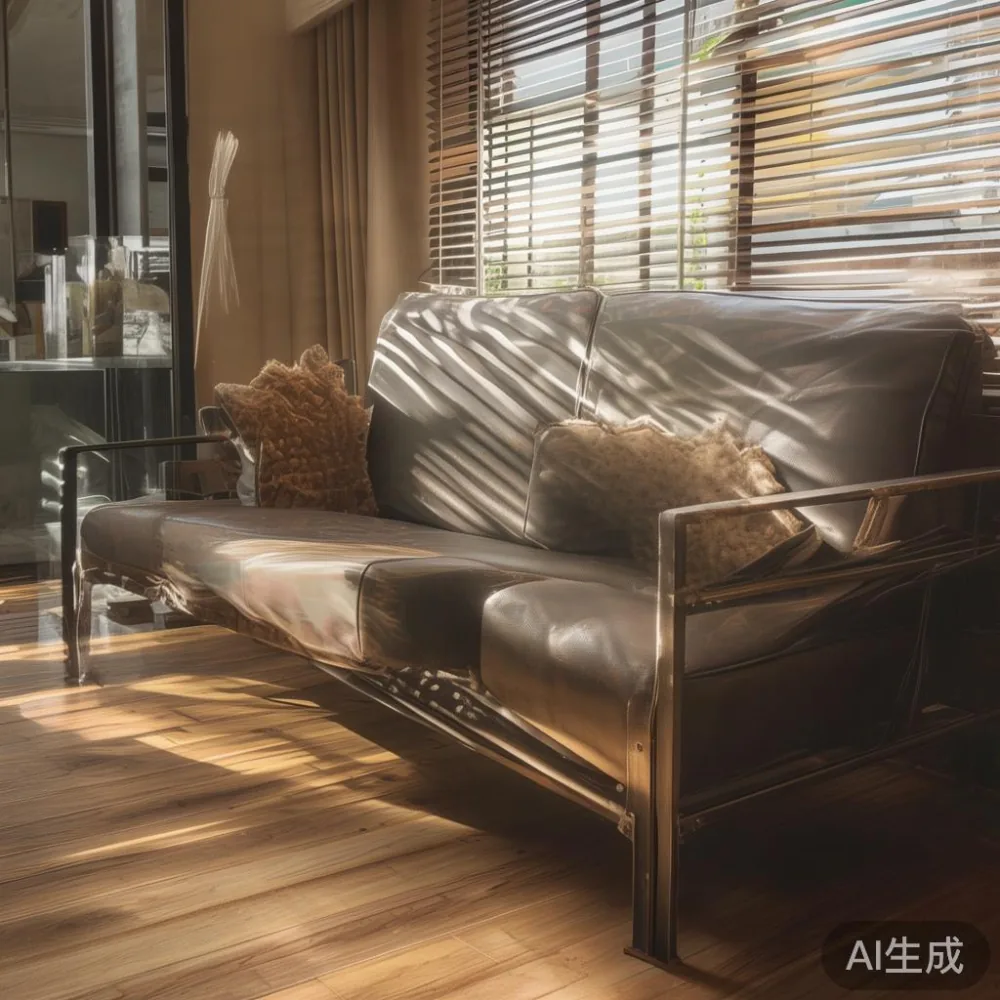
The test I run with my cousin, who designs hotels in Tiong Bahru, is simple: lift one corner of the showroom sofa. A solid industrial style sofa with a hardwood frame should weigh between 38 kg and 55 kg for a 2.4-metre three-seater. Anything under 25 kg is hollow. Anything that creaks when you rock the armrest has loose joints. Note the numbers, because the showroom sample is the same construction that arrives at your Tampines or Bedok living room.
2. Measure the Lift, the Lobby Turn, and the Doorway Before You Buy
Singapore HDB corridors run 1.2 m to 1.5 m wide, lift cabins are roughly 1.1 m deep by 1.4 m wide, and front doors are 0.9 m wide by 2.1 m tall. A 2.4-metre sofa in a 90-degree turn will not fit through most condo service lifts on weekends because the doors are usually 0.8 m to 1.0 m wide. I have watched movers disassemble legs, remove cushions, and still fail to clear the lift header on a Bukit Timah condominium project.
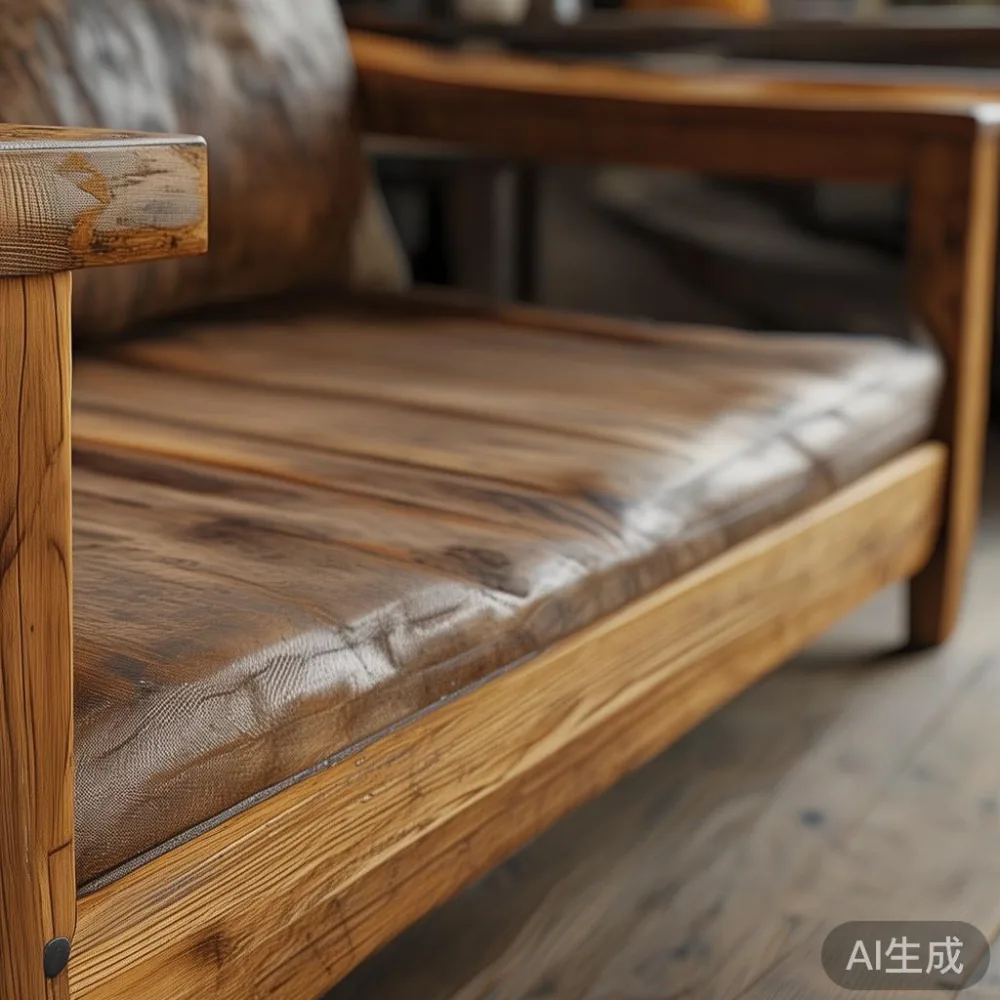
Get the three live measurements from your block: lift door height and width, corridor width at the tightest corner, and your unit front door including the architrave. Then check the unboxed sofa dimensions against those numbers. A standard MIDHILL industrial style three-seater is 235 cm wide, 92 cm deep, and 85 cm tall — measured, I checked last Tuesday with a tape measure in the showroom. Modular pieces are easier: a left-arm chair at 95 cm, a corner at 100 cm by 100 cm, and a right-arm chair at 95 cm can be split into two crates under 78 kg each. Confirm with the seller that the base modules separate for delivery.
3. Suspension, Foam Density, and What "Lifetime" Foam Actually Means
Eight-way hand-tied springs last longer than sinuous wire. Foam density, not firmness, is the real durability metric. Anything below 28 kg per cubic metre will bottom out in two to three years. What the salesperson calls "high-resilience foam" should test at 35 kg per cubic metre or higher. Down-wrapped cushions look good in the showroom, but in Singapore's climate they keep moisture and develop a smell without a dehumidifier running 6 to 8 hours daily.
Ask the brand for the foam certificate or data sheet. A grey oak care sofa in any colour, including the popular natural and driftwood finishes, has the same foam construction as the showroom piece. Verify that density in writing.
How do I care for a wardrobe in humid weather?
Wipe the wardrobe exterior weekly with a dry microfibre cloth, run a dehumidifier at 40 to 45 percent relative humidity, leave wardrobe doors open for 30 minutes after air-conditioning cycles, and never store wet clothing directly on solid wood shelves. The exact same care routine applies to any other solid wood piece — bed frame, dining table, or nightstand — because the enemy is moisture, not the piece itself. Solid oak furniture tolerates Singapore's humidity well once a stable indoor climate is maintained.
4. Fabric, Leather, or Performance Weave for a Tropical Climate
Full-aniline leather feels luxurious but absorbs sweat, fades near windows, and feels hot against bare skin in the afternoon. Semi-aniline or pigmented leather, with a protective topcoat, is the smarter choice for homes with afternoon sun facing west. For fabric, look for a Martindale abrasion rating above 30,000 rubs, a weave density above 300 g per square metre, and a removable washable cover. Performance weaves such as those labelled easy-clean resist the soy sauce spills that will hit the cushion within the first month of Chinese New Year gatherings.
More importantly, skip the stain-protection chemicals that the salesperson tries to upsell. Most contain PFAS and degrade over 24 months. A good performance fabric is woven that way, not sprayed that way.
5. Hardware, Legs, Glides, and What Breaks First
Industrial style sofas sit on metal legs more often than wooden ones. Blackened steel 1.5 mm wall thickness or thicker will not bend. Check the leg-to-frame mount: welded is best, heavy-gauge bolted is acceptable, screwed-in low-gauge brackets fail. Nylon glides on the legs protect vinyl and engineered wood floors. Buy a S$18 spare pack from Home-Fix and keep them on hand.
Modular industrial style sofas depend on metal interlocks between modules. Open the showroom sample, lift a module, and weigh it in your hand. The lock should engage with a clear click, not bend under finger pressure. MIDHILL uses zinc-alloy interlocks that, according to the factory manager I met at the Foshan workshop, are tested to 12,000 engagement cycles — about 15 years of weekly reconfiguration.
6. Warranty, Returns, and Refinishing — Read the Fine Print in SGD
A serious brand offers at least a 10-year structural warranty on the frame. Lifetime refinishing is a strong signal — it means the maker expects the piece to last decades and is willing to sand and re-oil when the finish dulls. Check what refinishing actually covers: most brands re-oil oak free of charge for the first 5 years, then charge S$180 to S$280 per piece. That is fair. What you should avoid is a warranty tied to "original receipt and indoor residential use only" with a returns window of 7 days. A 14-day returns policy aligned with Singapore Consumer Protection rules is reasonable.
Free shipping over a sensible threshold — say US$350 converted to roughly S$480 — is normal. Below that, expect a S$80 to S$120 delivery fee plus lift surcharge of S$40 per floor above the 7th if the lift cannot be used. Confirm the GST treatment: the 9 percent GST applies on top of the listed price if the seller is GST-registered in Singapore.
7. Style Is Not Just a Photo on a Catalogue
American light luxury reads warmer and more padded — think deep cushion seats and rolled arms — with brushed brass accents. French light luxury runs cooler and more architectural, with slim hardwood frames, bouclé fabric, and tapered legs. Post-modern light luxury mixes both, with a 1980s geometric curve and matte blackened steel. None of these styles demands a single colour, but each one has a silhouette. Industrial style draws from American light luxury and post-modern light luxury: thick cushions are rejected in favour of clean, structural shapes that show the metal and wood.
Whatever direction you choose, match the legs and proportions. A marble table at 30 cm height between two industrial style sofas will look deliberate, not random, because the lines repeat. Visual harmony across a sofa, a bed frame, a dining table, a wardrobe, and a nightstand matters more than matching wood tones exactly. Aim for at least three of the five pieces to share a finish, and let the other two provide contrast.
8. Real-World Delivery, Real-World Costs
A standard Singapore delivery inside a 1.4 m lift runs S$120 to S$240 for a single piece. White-glove with assembly and packaging removal is S$220 to S$380. Delivery in 7 to 14 working days from a Singapore warehouse is common for in-stock stock-keeping units. Custom orders from Foshan, such as the configurable industrial style sofas that MIDHILL produces, take 30 to 45 days from order confirmation plus 7 to 10 days for shipping and clearance.
Factor the GST on the bill: a S$2,400 sofa becomes S$2,616 if the seller is registered. Ask before placing the order. For larger pieces — a dining table over 1.8 m, a bed frame king-size, or a wardrobe above 180 cm — two delivery staff are required by MOM Workplace Safety rules when the item exceeds 25 kg and cannot be broken down. The fee for two men, sometimes three, is around S$40 more per visit.
9. The Quick Checklist Before You Pay
Run through this list on the showroom floor or before clicking checkout. Frame: solid wood, kiln-dried, joinery visible. Suspension: 8-way hand-tied or heavy-gauge sinuous at 3.8 mm pitch. Foam density: 35 kg per cubic metre, certificate on request. Fabric Martindale: above 30,000 rubs, removable covers available. Legs: 1.5 mm steel or 4 cm hardwood, welded or bolted with nylon glides. Weight of 2.4-metre three-seater: 38 kg to 55 kg. Warranty: 10-year structural minimum. Returns: 14 days, with shipping policy and GST treatment in writing.
If the answers line up and the sofa fits the lift, the corridor, and the front door, it is a safe buy. If two of those numbers are missing, slow down. A three-hour research session saves you three years of regret, and your Tampines or Punggol flat deserves a sofa you will actually want to keep.