Caring for a Lacquered Surface in a Tropical Climate
I learned this the hard way last March. My colleague in Tampines had a six-seater solid wood dining table delivered to her new BTO at Treasure Crest, and within eleven weeks the tabletop developed a dull, cloudy patch right where her family eats breakfast. The culprit was not bad workmanship. It was 86% relative humidity on most mornings, a ceiling fan that was never switched on, and a placemat that trapped condensation under a cold mug of kopi. We wiped it back to a soft sheen with two microfibre cloths and a pH-neutral spray, and the patch never came back. That table is still the centerpiece of her open-concept living room, sitting on a reclaimed-wood base that suits her industrial style apartment down to the exposed conduit trunking on the ceiling.
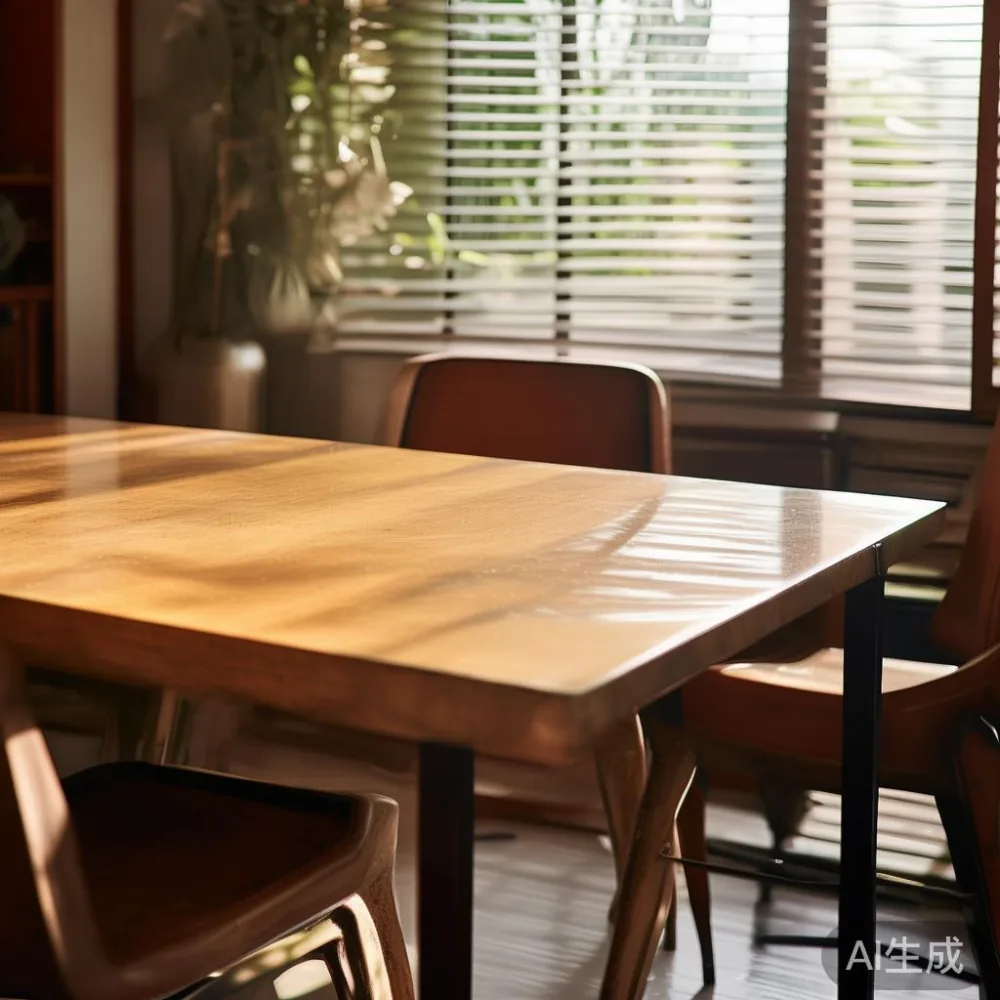
If you live between Bedok Reservoir and Punggol Way, or anywhere in Singapore where the annual humidity rarely drops below 70%, lacquered furniture needs a different kind of care than the care sheets shipped from temperate factories. The good news: lacquer is one of the most repairable finishes on earth, and a few minutes each week will keep a piece looking sharp for a decade or longer. Below is the working routine I use on every MIDHILL sample that lives in our Tampines showroom, plus the questions I get asked every Saturday by walk-in customers who have just collected a new bed frame, wardrobe, or nightstand from our loading bay.
Why does lacquer struggle in a Singapore HDB flat?
Lacquer is a film finish. Once cured, it forms a continuous skin over the wood underneath, and that skin breathes through microscopic pores. When the air holds a lot of water (and Singapore averages 78-82% RH across the year, with spikes during the December monsoon), the wood beneath the film absorbs and releases moisture at a different rate than the lacquer itself. The result is micro-cupping, a slightly hazy bloom, or — in worst cases — hairline cracks along the grain. Add 28°C room temperature, afternoon sun through a west-facing window, and an air-conditioner that cycles on and off, and the wood is being asked to move three or four times a day.
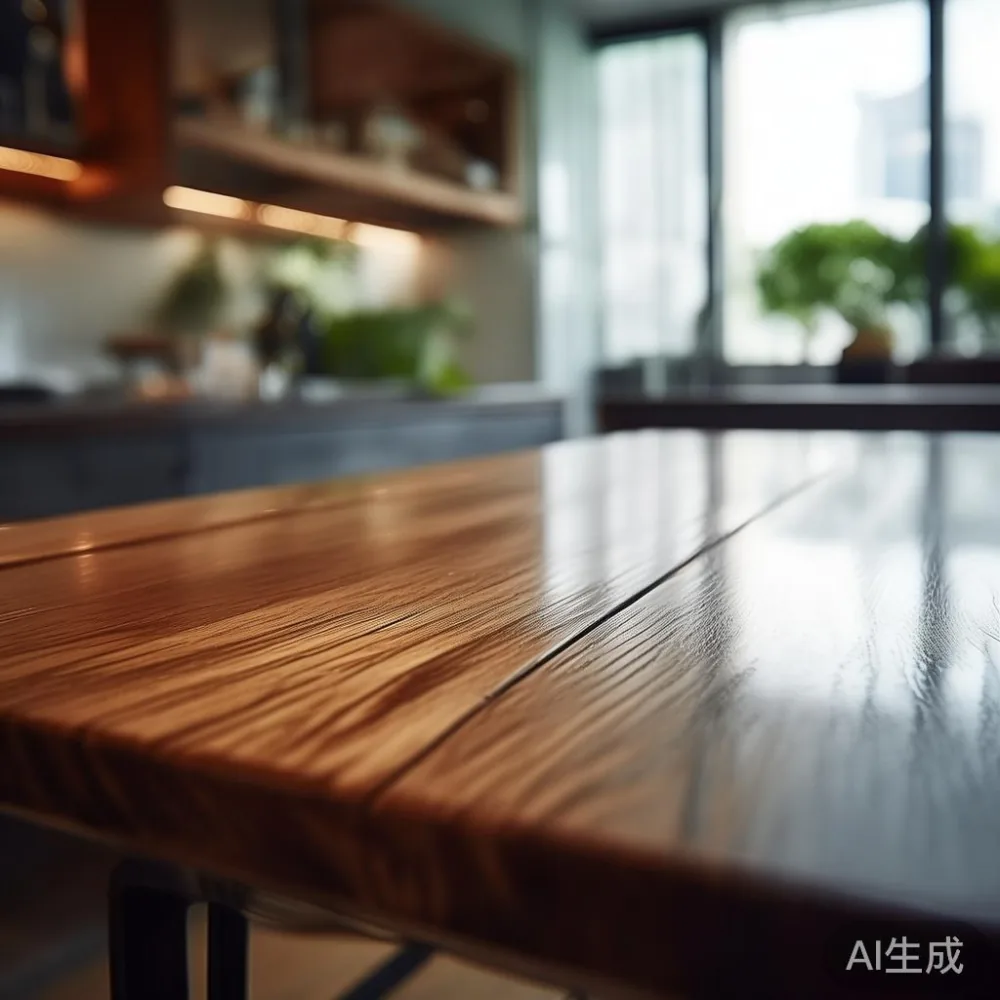
An industrial style interior actually helps here, because most pieces are built from thicker stock (a MIDHILL dining tabletop is typically 4-5 cm thick solid oak or ash) and the darker stain tones common to the look disguise minor patina. Still, the film on top is doing all the visible work. Treat it like the clear coat on a car parked at East Coast Park: rinse off the salt, polish occasionally, and park in shade.
What is the difference between American country loveseat and modern furniture?
An American country loveseat is a small two-seater sofa, usually 140-160 cm wide, with a low back, rolled or square arms, exposed turned legs in oak or pine, and upholstery in muted stripes, ginghams, or faded florals — its character comes from visible wood, hand-rubbed finishes, and a sense of handmade imperfection, whereas modern furniture (including most post-modern light luxury pieces) is defined by clean planes, narrow profiles, engineered hardwood or lacquered MDF, and a stricter geometric vocabulary.

Why does this matter for lacquer care? Because country pieces are usually finished with oil, wax, or a thin shellac that can be re-applied with a cloth in twenty minutes. A modern lacquered nightstand or marble table cannot. The film has to stay intact. A loveseat can be forgiven a scuff; a high-gloss wardrobe door will catch the corridor light and advertise the mistake until you buff it out. Knowing what finish is on your piece decides which cleaning cloth you reach for, which is the whole point of asking the question in the first place.
The 10-minute weekly routine I run on every MIDHILL showroom piece
Every Tuesday and Friday morning, before the lifts at our Tampines HQ start moving customers up to Level 3, I do a single pass on the floor samples. Here is the exact sequence, written so you can copy it on Saturday after your weekly clean.
Step 1. Dust with a dry microfibre cloth (I use a 40 cm x 40 cm yellow one, roughly S$6 for a pack of three at any neighbourhood FairPrice). Wipe with the grain. Do not use feather dusters — they move dust around, they do not lift it. Pay attention to the inside lip of drawers on the nightstand and the lower edge of the bed frame, where the factory often misses a coat.
Step 2. Lightly mist a second microfibre with a 1:10 mix of pH-neutral wood soap and water. Never spray directly onto the surface. The cloth should be damp enough to glide, not wet enough to leave a bead. Wipe in 60 cm sections.
Step 3. Buff dry with a third cloth within thirty seconds. This stops water from sitting on the film, which is the single biggest cause of the white rings Singapore owners panic about.
Total time for a four-piece industrial style bedroom set (wardrobe, bed frame, two nightstands): twelve minutes. Total time for a six-seater dining table plus four chairs: eight minutes. Total cost of cloths per year, if you replace quarterly: under S$30.
How do I handle the four problems I see most often in HDB corridors and condos?
White heat rings. Mug of kopi on a coaster-less table, three hours, then a cloudy ring. I fixed one last month on a customer's solid wood dining table in Punggol using a folded microfibre, a few drops of mineral oil, and a circular buff for forty-five seconds. The ring vanished. For deeper marks, a paste of baking soda and water (1:2) applied with a soft cloth, left for one minute, then buffed, works on most nitrocellulose lacquers. Test on the underside of a nightstand first.
Sun fade. West-facing windows in HDB blocks along Bedok Reservoir Drive get punishing afternoon sun. UV breaks down the resins in lacquer over 12-18 months, leaving a yellow or pale patch shaped exactly like the sun's arc. Rotate accessories monthly so the same 40 cm of tabletop is not always exposed. Consider a 3% UV film on the window — installation runs about S$18 per square foot.
Scratches from lift delivery. Our delivery team uses padded blankets and a 1.5-ton tail-lift truck, but HDB service lifts are narrow (often 1.1 m wide x 2.1 m deep), and a 2.2 m wardrobe sometimes needs to be tilted. Tiny scuffs happen. A matching wax filler stick (about S$12 from any hardware shop in Bras Basah) pressed into the scratch, then leveled with a plastic card, hides 90% of marks.
Sticky residue from festive decorations. Chinese New Year ang bao displays, Hari Raya cookies on trays, Deepavali lamps — all leave a tacky square if left too long. Mineral oil on a cloth, left for sixty seconds, then buffed, lifts residue without damaging the film. Avoid citrus-based removers; they soften nitrocellulose lacquer in under five minutes.
Can I use a space saving king bed for entryway placement in a small HDB?
Yes — a space saving king bed for entryway styling is one of the more interesting moves I have seen in 3-room resale flats around Tampines East, where the entry corridor often runs 2.4-3.0 m long and 1.0-1.2 m wide. The trick is choosing a platform bed frame with a headboard under 110 cm tall, a depth of 188 cm (slightly shorter than the standard 190 cm king), and either built-in drawers or a hydraulic lift so you are not losing storage in an already tight room. Style it as a daybed: a single bolster, two lumbar cushions, a throw, and a slim console table behind it at 30 cm depth to take keys and mail. The lacquered headboard panel will read as a designed feature wall rather than a piece of bedroom furniture in the wrong room, which is the whole point of borrowing a bed frame into an entry context.
For care, this is the one configuration where lacquer needs extra attention: hands, bags, and wet umbrellas brush the headboard constantly. Add a thin felt strip along the top edge of the headboard (S$4 for a 2 m self-adhesive roll) and the lacquer will look new for years.
What should I avoid completely? Five rules I never break
No silicone polishes. They look gorgeous for one afternoon, then attract dust like a magnet, and a future refinisher will charge you 30% more to strip the silicone before re-lacquering.
No ammonia, no bleach, no vinegar at full strength. All three cloud nitrocellulose lacquer within one application. Diluted vinegar (1:20) is acceptable for a once-a-year deep clean, but rinse with a damp cloth within twenty seconds.
No furniture directly against an exterior HDB wall. The thermal difference between the wall surface (often 26-27°C) and the room air creates micro-condensation on the back of a wardrobe that never dries. Keep 4-5 cm of airflow behind tall pieces.
No plastic tablecloths. They trap moisture and leave a permanent haze on lacquer after about six months. Use cotton or linen instead.
No dragging. Lift the marble table or solid wood dining table when moving it. Even 2 mm of grit under a 90 kg oak leg will score both the floor and the table's underside finish.
How often should I book a professional refinish, and what does it cost in Singapore?
For a well-maintained lacquered piece, every 8-10 years is plenty. A standard 1.8 m x 0.9 m dining tabletop, sanded back to bare wood, sealed, and re-lacquered in three coats, runs S$280-S$420 depending on the workshop. A 2.2 m wardrobe door panel is S$180-S$260 per panel. MIDHILL offers lifetime refinishing on every piece we ship, so our customers pay only the freight (S$80 round-trip for a single item within mainland Singapore, free for orders over S$480) and the materials if the original finish is outside warranty. Either way, the structural frame is covered by our 10-year warranty, and the lacquer — if you follow the routine above — should outlast the warranty by a comfortable margin.
Where can I read the full care guide before I commit to a purchase?
Every MIDHILL product page on our site carries a downloadable PDF with the same steps written here, plus diagrams showing which cloth to use on which surface. The PDF is 4 pages, takes about 6 minutes to read, and is the same document our after-sales team in Tampines hands out at every Saturday open house between 10 am and 5 pm. If you are weighing a solid wood sofa with a satin-lacquered base, a bed frame with a high-gloss headboard, a marble table with a matte-lacquered plinth, or a full industrial style dining set, the care routine is identical across all of them. The finish changes; the discipline does not.
Bring a photo of your living room, the direction your windows face, and the height of your service lift. We will talk you through the order, the GST (8% in Singapore on all furniture), the delivery window (3-5 working days for in-stock pieces, 21-28 days for custom widths), and the right microfibre to put in your cleaning caddy on day one. The lacquer will thank you in year ten.