How to Match Furniture to a Warm Minimal Interior Without Killing the Industrial Style
I spent the second weekend of last month wandering through three BTO flats in Punggol with a client who had just collected her keys. Two of them were empty shells, one was half-furnished by the previous owner. What struck me was how different each space looked depending on one single piece — the dining table. In the empty unit, a raw oak slab on matte black legs turned a 92 sqm layout into something close to a gallery. In the half-furnished one, a glossy particleboard set made the same floor plan feel like a 2014 catalogue page. Same walls, same 2.7 m ceiling, same Tampines sunlight at 4 pm. The furniture did the work.
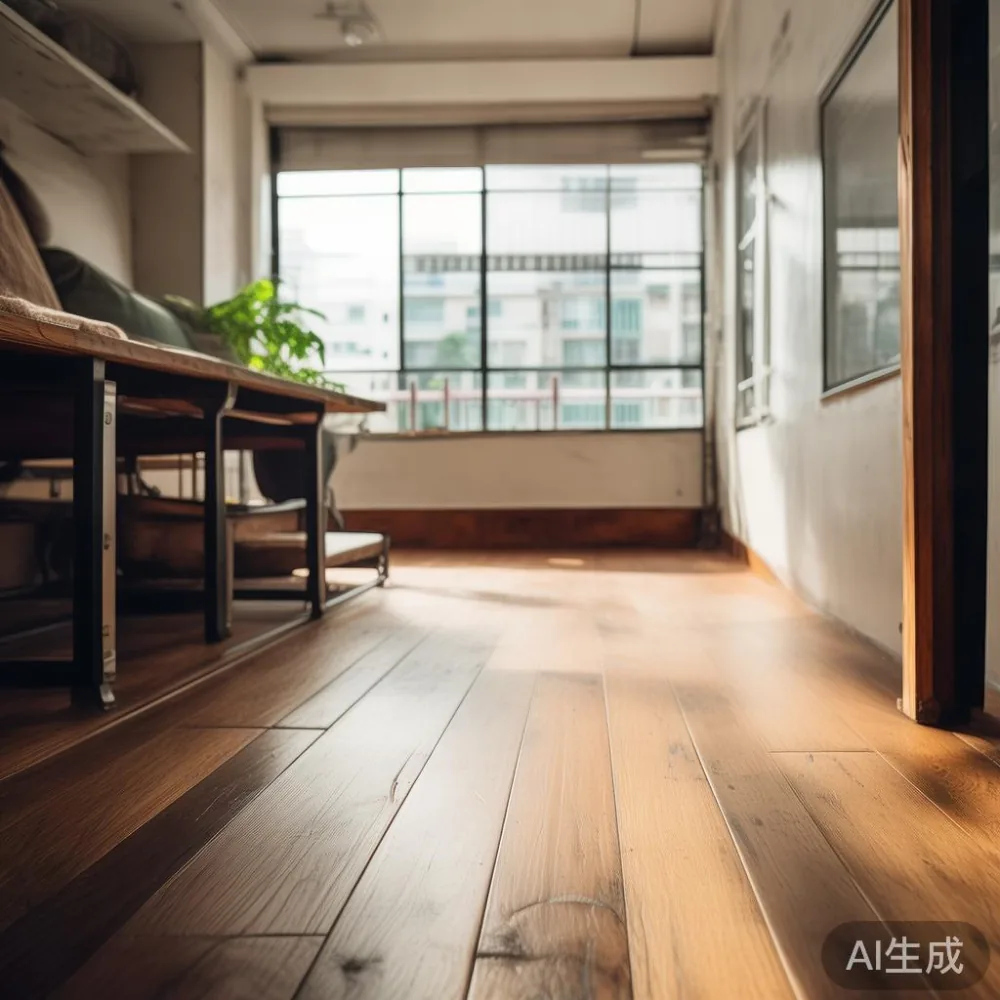
This guide is written for Singapore owners of HDB flats in Tampines, Bedok, and Punggol — and for condo buyers in the OCR districts who have measured their corridor widths and lift openings before buying anything heavier than a stool. The goal is to build a warm minimal interior that still carries an industrial style backbone, while staying inside realistic lift dimensions (typically 1.2 m wide × 2.1 m deep for HDB passenger lifts, with cargo lifts around 1.5 m × 2.4 m in newer condos) and a realistic budget once the 9% GST is added on top.
What "warm minimal" actually means in a 4-room HDB
Warm minimal is not the same as Japandi, not the same as Scandinavian, and definitely not the same as the all-white condo look you see on property portals. The recipe is: one neutral wall tone (commonly Warm White 9032 or a muted clay from the Benjamin Moore Affinity range, roughly S$95–S$140 per gallon), one hard flooring that reads warm (engineered oak planks at S$45–S$75 per sqft installed), and furniture with visible grain. Solid wood sofa frames, oak bed frames, and a properly proportioned dining table do most of the heavy lifting. Without wood, the room tilts cold and the industrial style loses its anchor.
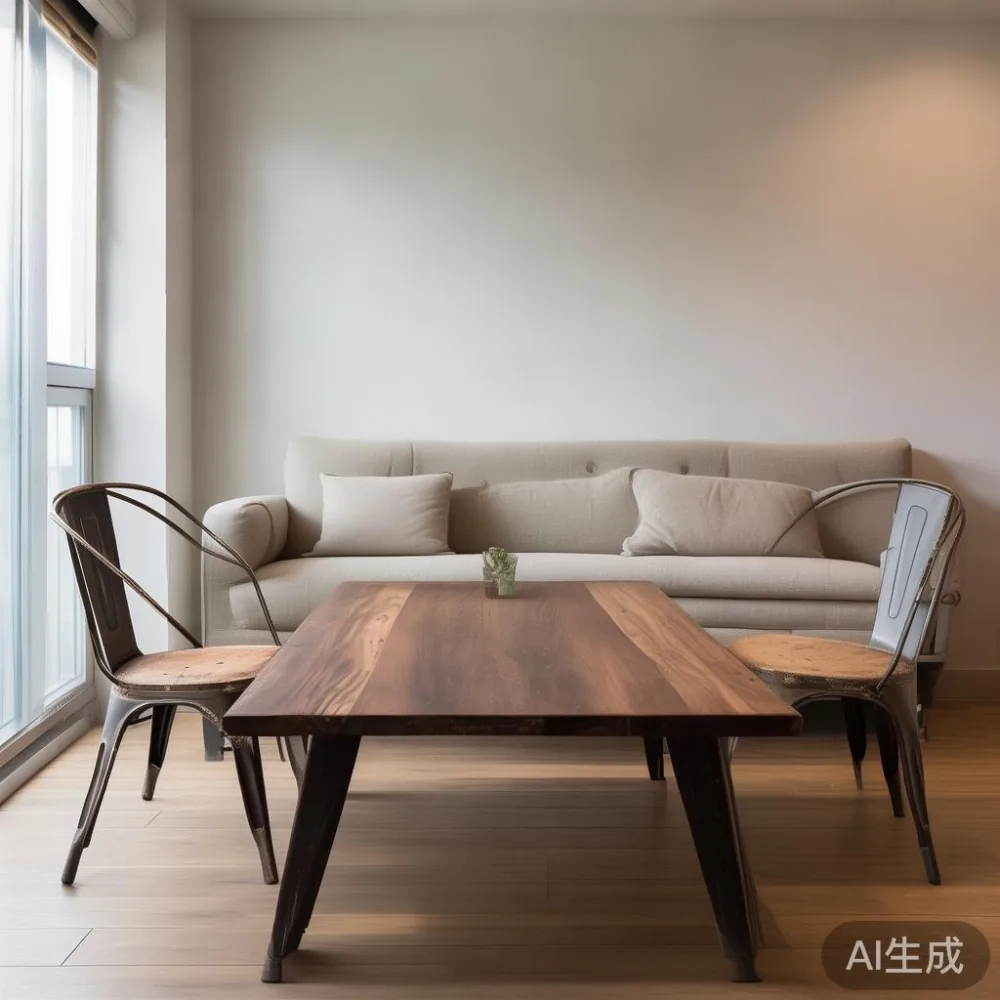
In my Punggol walkthrough, the client had been quoted S$28,000 for a full particleboard package from a local ID. We replaced that proposal with a 1.6 m MIDHILL dining table in white oak, two solid wood bedside tables, a 1.8 m bed frame, and a 2.1 m sliding wardrobe — landed, delivered, and installed for S$11,400 before GST. The ID's quote did not include better materials; it included more parts. That is usually the case.
Can a solid wood sofa and dining table coexist with an industrial style?
Yes, and this is the core question most Singapore buyers ask after they fall in love with a Pinterest board. The trick is material honesty: if your industrial style is built from black steel window frames, exposed conduit, and a concrete-look floor, then a glossy lacquered MDF dining table will fight the room every evening. A solid wood sofa frame on a low steel plinth, or a dining table on a cast-iron base, will sit inside the industrial style instead of next to it. The same logic applies to a bed frame — a black metal and oak combination reads industrial, while an upholstered sleigh bed reads something else entirely.
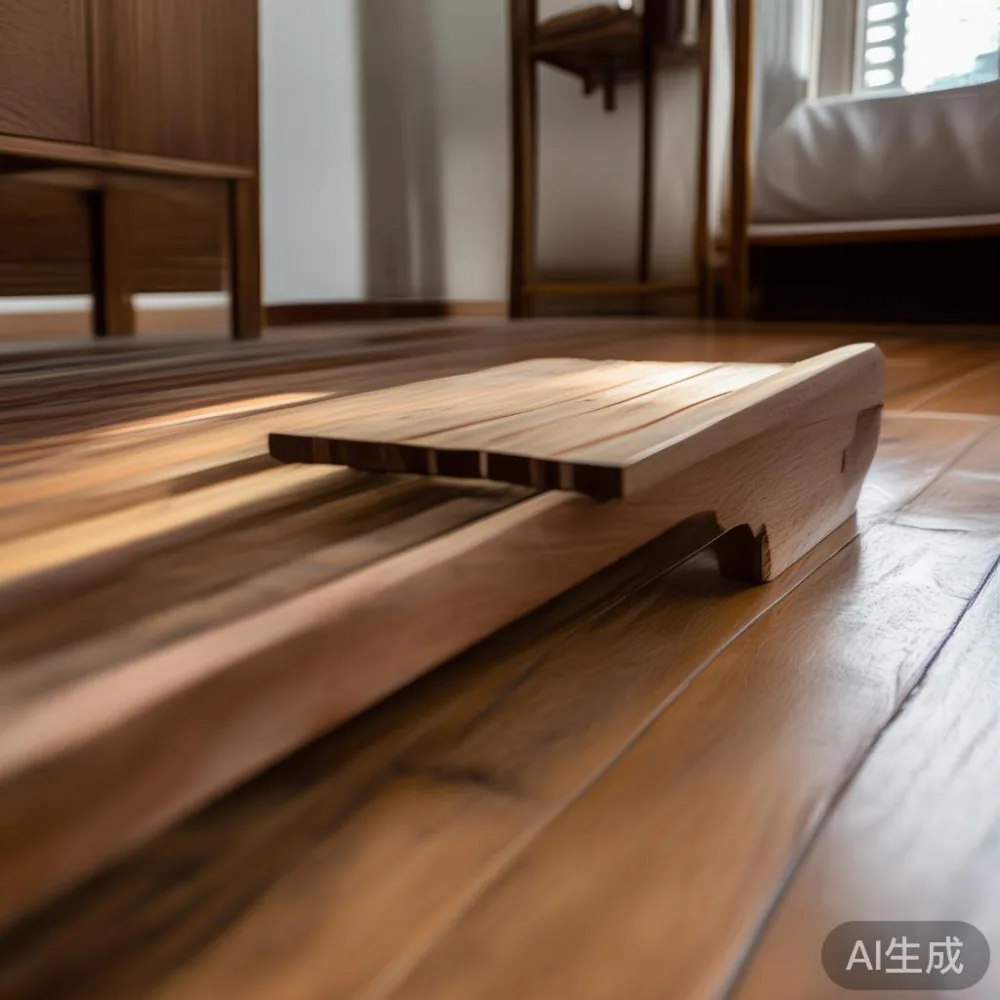
For a standard 4-room HDB living room of about 3.2 m × 4.0 m, I work with a 2.0 m–2.2 m solid wood sofa, a 1.4 m–1.6 m coffee table, and a TV console no deeper than 40 cm so the walkway stays above 80 cm. Anything bulkier swallows the room and forces you into a darker palette, which then kills the warm side of the equation.
Choosing the bed frame, wardrobe, and nightstand for Singapore humidity
Singapore sits at 78–92% relative humidity for most of the year. A bedroom in Bedok without afternoon cross-ventilation can hold moisture against wardrobes for hours. This is why I steer clients away from MDF wardrobes with paper laminates and toward solid wood carcasses or marine-ply boxes with real wood veneers. The price gap on a 2.1 m wardrobe is roughly S$900–S$1,600, which sounds heavy until you account for the fact that a swollen MDF wardrobe cannot be repaired — only replaced.
The best Minimalist wardrobe for 2026 in a warm minimal interior will be one with flush fronts, no visible handles, and an off-the-floor base of about 5 cm so a robot vacuum can pass under it. Three internal configurations cover 90% of HDB buyers: 60% hanging, 30% shelving, 10% drawers — with at least two soft-close drawers near the bottom for linen. A pair of 55 cm nightstands in matching oak, 50 cm tall to clear most mattress profiles, keeps the bedside reading zone calm. Bed frame sizing for a standard master bedroom in a 4-room flat: 1.6 m × 2.0 m if the room is under 12 sqm, 1.8 m × 2.0 m if it is 13 sqm or more. Anything larger and the corridor from door to wardrobe falls below 60 cm, which is the minimum I allow for daily use.
How does the lift and corridor clearance change your furniture list?
More than people think. I keep a folding tape measure in my car for site visits, and about a third of "I'll just buy a 2.4 m wardrobe" conversations end at the lift lobby. A standard HDB passenger lift at 1.2 m wide and 2.1 m deep, with a door opening of roughly 0.9 m, will accept a wardrobe carcass up to about 1.15 m wide if it is fully assembled. Wider than that, and you are paying for two delivery men to stand in the corridor holding doors open. Most Foshan exporters, including the warehouse behind MIDHILL, will split a wardrobe into two 1.05 m halves for delivery and join them in the bedroom with a hidden cleat. This adds 30 minutes on site and zero cost on the quote.
For dining tables, the lift issue is height, not width. A 1.6 m table in solid oak weighs 70–95 kg depending on thickness. If your block is on the 7th to 12th floor and the lift is a passenger lift rated at 1,000 kg, you are fine. If you are above the 20th floor in a Punggol or Tengah condo, check the cargo lift schedule — many are locked after 6 pm, which means a weekday delivery slot between 10 am and 4 pm. A marble table in travertine or Carrara will weigh 180–240 kg for a 1.4 m top, and most HDB lifts simply will not accept it on a single trip. Plan for two trips or a hoist through a service window, which adds S$280–S$450 to the install.
What is the real cost of building this interior in SGD?
Here is a worked example for a 92 sqm BTO in Punggol, with prices collected from two Foshan exporters and landed in Singapore with 9% GST, including marine freight, customs (typically 7%–8% CIF), and last-mile delivery within HDB zones:
- 1.6 m white oak MIDHILL dining table, 75 cm tall, 4 cm top, on black steel plinth: S$2,180 landed, add S$216 GST = S$2,396.
- 2.0 m solid wood sofa frame with linen-blend cushions, seat height 42 cm: S$2,650 landed, add S$239 GST = S$2,889.
- 1.8 m oak bed frame with under-bed clearance of 15 cm: S$1,780 landed, add S$160 GST = S$1,940.
- Two 55 cm oak nightstands: S$620 landed total, add S$56 GST = S$676.
- 2.1 m × 2.4 m sliding wardrobe, three doors, oak veneer over marine ply: S$2,950 landed, add S$266 GST = S$3,216.
- 1.4 m coffee table in solid ash, 35 cm tall: S$780 landed, add S$70 GST = S$850.
Total furniture, before any ID work: S$11,967. For a warm minimal interior with industrial style bones, this lands within 10% of what a Singapore ID would charge for materials alone on a package deal, and the wood quality is two grades higher. Add free shipping over US$350 (about S$475) which most Foshan exporters now mirror for Singapore routes, and the math closes further.
Which bed frame style actually fits warm minimal without going coastal?
The French bed vs Mid-century modern bed question comes up in almost every Tampines consult. A French light luxury bed — think slim tapered legs in brushed brass, a low upholstered headboard in oatmeal boucle, and a 12 cm under-bed clearance — reads soft, romantic, and slightly dressy. A Mid-century modern bed — typically walnut or teak, splayed legs at 8 degrees, no headboard or a thin floating one — reads graphic, architectural, and slightly colder. In a warm minimal interior with industrial style, the French bed wins about 70% of the time because the curved headboard counterbalances the hard black window mullions and the concrete-look floor. The Mid-century option works if the wall behind the bed is a deep clay or terracotta tint, which then warms up the wood legs visually.
I steered my Punggol client toward a French-style oak bed frame with a 90 cm tall upholstered headboard in a stone-washed linen. She had originally picked a low walnut platform. Both are correct in their own rooms, but only one of them softens the black steel door frame she had specified for the master bedroom entrance.
Italian light luxury with storage — does it translate to HDB?
Italian light luxury with storage is a phrase I hear from interior designers in the Bukit Timah and River Valley segments, then I hear the same phrase from a Sengkang client who read it on a forum. The category is real: think a credenza in oak veneer with reeded glass sliding doors, or a dining sideboard in solid ash with push-to-open drawers and a marble top. For HDB buyers, two pieces make sense: a 1.6 m sideboard for the dining wall (about S$1,450 landed), and a 1.2 m TV unit with closed storage (about S$980 landed). What does not translate is a full Italian modular wall system in 4 cm Calacatta marble — the weight alone rules it out for most HDB floors without a structural check.
Where Italian light luxury overlaps cleanly with industrial style is in hardware. Brushed brass pulls on oak fronts, or blackened steel cup pulls on ash, both read industrial at the detail level. The bodies of the pieces stay warm; the metalwork keeps the room from drifting into cottage or coastal.
How do Boho pieces fit into a dining room without breaking the system?
Used selectively, Boho for dining room works. The trick is to pick one piece, not a theme. A single hand-loomed wool rug under the dining table, in a muted terracotta and ivory pattern, will sit comfortably between four black steel chairs and a white oak table. A wall hanging in undyed jute above a sideboard does the same. Two or more Boho pieces in the same room, and the industrial style loses its grip — the room tilts eclectic, then drifts toward bohemian, and the warm minimal interior collapses into something noisier.
For a 4-room flat dining zone of about 2.4 m × 3.0 m, I would specify a 2.0 m × 2.8 m rug, leaving 50 cm of floor visible on all sides. The rug should sit flat under the table even when the chairs are pulled out, which means a low-pile wool or a flatweave cotton. Avoid anything with a heavy fringe — it catches chair legs and looks messy within a week.
What about a marble table in a warm minimal interior?
A marble table earns its place in this interior on two conditions. First, the slab is real, not a printed ceramic. Real marble in travertine or honed Carrara, in a 1.2 m–1.4 m round or a 1.6 m rectangle, weighs 160–240 kg. Honed finish is more forgiving in a warm minimal room than polished, because the matte surface picks up the oak tones instead of reflecting them cold. Second, the base is solid wood or patinated bronze — never a chrome disc, which would push the room toward 1980s hotel lobby.
If the lift cannot accept a single-piece marble top, ask the supplier about a two-piece top with a concealed seam under the centre. The seam is grouted with a matching resin and disappears at viewing distance. Most Foshan workshops do this for an extra S$220–S$380 depending on the stone. For my Bedok client, the two-piece option was the only way to get a 1.6 m travertine top into a 10th-floor unit without a hoist.
How do you keep the industrial style visible after six months of living?
The pieces that drift first are the soft ones. Cushions flatten, rugs fade near the dining chairs, and upholstered headboards pick up a grey patina from hair products. The industrial style bones — the steel window frame, the oak dining table, the cast-iron lamp base — keep their character for years. This is why I always push clients to spend more on the bones and less on the soft goods. A S$2,180 dining table that you refinish every eight years costs less per year than a S$900 table you replace every five.
MIDHILL ships its solid oak dining table with a care kit and offers refinishing on request, which is unusual for an exporter at this price point. The same goes for the bed frame and the wardrobe carcasses. Lifetime refinishing on wood, ten-year structural warranty on frames, and a 14-day return window are the three details that close most of my Singapore clients. They are not advertising lines — they are the reason a Tampines buyer can order a S$2,400 table without flying to Foshan to inspect it.
Where does the top 10 European furniture list actually help a HDB buyer?
It helps as a reference, not as a shopping list. Most of the top 10 European furniture brands that surface in editorials are priced for European households earning in EUR, not for Singapore HDB buyers paying in SGD with GST on top. A EUR 4,500 dining table lands at roughly S$6,600, which is more than double the comparable MIDHILL piece once you add freight, customs, and the 9% GST. The visual language — oak, slim black metal, low profile — translates. The brand premium does not, for most owner-occupier buyers under 40.
What I borrow from European editorials is proportion: the 75 cm table height, the 42 cm sofa seat, the 35 cm coffee table, the 50 cm nightstand. These numbers come from decades of European ergonomics research and they work in a Punggol flat as cleanly as they work in a Stockholm apartment. Copy the numbers, skip the brand name.
How should you phase the purchase across the 14-day returns window?
Phase one — order the dining table, one nightstand, and the bed frame first. These three pieces tell you whether the wood tone, the steel finish, and the grain pattern match what you expected from the swatches. If they do, phase two ships the wardrobe and the sofa. If they do not, you return within 14 days and you have lost freight on one shipment, not three. The 14-day window is short for a Foshan-to-Singapore cycle, so I always time the order to land on a Monday or Tuesday, which gives the client the weekend to inspect before the clock runs out.
For my Punggol client, phase one landed on a Wednesday, she inspected on Saturday, and phase two shipped the following Monday. The whole project, from first swatch to last screw driven, took 38 days. A local ID would have quoted 8–12 weeks for the same scope, with materials roughly 40% cheaper in grade and no refinishing warranty.
What should you measure before you click order?
Five numbers, in this order: lift door width, lift depth, corridor width at the tightest turn, bedroom door width, and distance from lift lobby to bedroom door. If any one of these falls below 80 cm, your furniture list shrinks. A 2.4 m wardrobe becomes a 2.1 m wardrobe with two doors instead of three. A 1.8 m bed frame becomes a 1.6 m. A 2.2 m sofa becomes a 2.0 m. None of these compromises will hurt a warm minimal interior, because the room reads proportion, not size. A 2.0 m solid wood sofa in a 3.2 m living room looks correct. A 2.4 m sofa in the same room looks like the furniture is hosting the family.
Take the five numbers. Write them on a single piece of paper. Tape it next to your swatches. Order accordingly.
Where does French light luxury earn its keep in this interior?
French light luxury earns its keep in two places: the bedroom headboard and the dining lighting. A slim brushed brass pendant over a 1.6 m oak table, hung 70 cm above the surface, casts a warm pool of light that flatters both the food and the wood grain. A French-style upholstered headboard in stone-washed linen does the same for the bedroom wall. Neither piece is expensive in absolute terms — a good pendant runs S$280–S$520 landed, a headboard S$420–S$780 — but both pieces raise the perceived quality of the room by a full grade.
This is the French light luxury contribution to a warm minimal interior with industrial style bones. The bones do the structural work; the French pieces do the finish. Skip the bones, and the room feels under-built. Skip the French pieces, and the room feels under-dressed. You need both.
How does the best European wardrobe for 2026 translate to a Singapore bedroom?
The best European wardrobe for 2026 in a Singapore HDB is one that takes the European internal layout — soft-close drawers, full-length hanging, dedicated shoe shelves at 15 cm spacing — and pairs it with a carcass built for tropical humidity. Marine ply with a real wood veneer, or solid oak with a factory-applied matte lacquer, both work. The European hardware (Blum hinges at S$18–S$28 per pair, Hettich slides at S$24–S$36 per pair) is worth importing even on a locally made carcass, because the soft-close action is what makes the wardrobe feel expensive every morning.
For a 4-room HDB master bedroom, the wardrobe footprint is usually 2.1 m wide × 0.6 m deep × 2.4 m tall. Leave 5 cm off the floor for ventilation, and the doors will not swell in July. Add a 30 cm filler panel on the side that meets the wall, and the whole unit reads built-in, even though it is freestanding and can be moved when the next renovation cycle comes around.
Will this interior still feel right in five years?
This is the question I ask my clients to ask themselves before they confirm the order. If the answer is yes, the project is correctly specified. A warm minimal interior with industrial style bones, built on solid oak and blackened steel, ages into itself. The oak darkens by 8–12% over five years, the steel picks up a faint patina, the linen softens. None of these changes fight the room. A glossy MDF package, by contrast, starts to look dated the moment a new colour trend lands on TikTok.
Order the swatches. Measure the lift. Phase the delivery. Check the warranty in writing, including the refinishing terms and the 14-day return window. And if you can, visit a showroom in Foshan or a pop-up in Singapore before you commit — the grain pattern and the steel finish look different under a 4000K downlight than they do under the warm white 3000K bulb most HDB owners use at home.