Veneer vs Solid Wood: A 5-Year Cost Comparison for Singapore Homes
Choosing furniture for a Singapore HDB flat or condominium often comes down to two broad material choices: veneer or solid wood. The price tag may favour veneer, but a fair comparison must include purchase price, delivery, GST, maintenance, repairs, refinishing and likely replacement cycles over 5 years. This is especially important for industrial style interiors in Tampines, Bedok and Punggol, where exposed timber, strong frames and carefully proportioned silhouettes carry much of the room’s character.
Singapore’s compact homes also make practical dimensions inseparable from cost. A dining table that fits an 80 cm corridor may be impossible to carry past a 75 cm doorway or around a tight lift turn. A heavy solid wood wardrobe can require more people, a longer delivery window and a higher service lift booking, while a lighter veneer cabinet may cost less simply because it is easier to move. The figures below use realistic Singapore ranges and show where the lower purchase price can disappear.
What Is the Difference Between Veneer and Solid Wood?
Veneer furniture uses a real timber face, often 0.3–1.2 cm thick, bonded to particleboard, MDF, plywood or a mixed core. A well-made piece can have a stable carcass, precise joints and convincing grain, but its long-term behaviour depends heavily on the core, adhesive, edge banding and surface finish. Solid wood uses structural timber throughout the load-bearing parts. It may contain veneers on a secondary surface, so a retailer’s “solid wood” label should be checked against the frame, legs, rails and drawer construction.
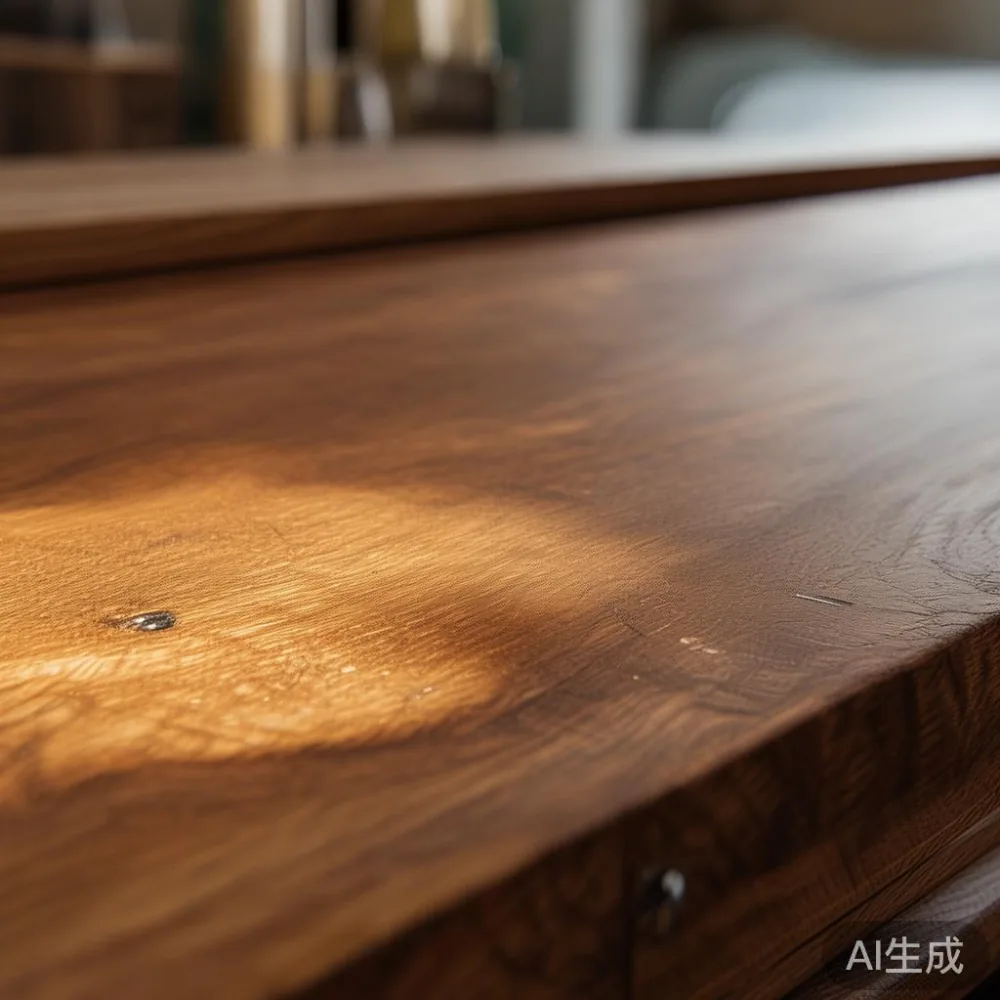
The distinction matters because veneer is primarily a surface material while solid wood can be repaired and refinished. A 6 mm scratch through a veneered top exposes the core or filler, whereas a shallow 2–4 mm mark in solid timber can usually be sanded and refinished. That difference can affect the cost of ownership, although moisture control, daily habits and product quality still matter.
For a Singapore household, weight is another practical variable. A 180 cm × 90 cm solid oak dining table may weigh 55–75 kg, while a comparable veneer table may weigh 35–50 kg. A 2-door solid wood wardrobe might weigh 120–180 kg, compared with 75–120 kg for a quality veneer model. Those figures influence the number of porters, stair turns and delivery hours required.
How Are the Purchase and Delivery Costs Calculated?
The comparison starts with retail prices before GST. Singapore’s current GST rate is 9%, so an SGD 1,800 item becomes SGD 1,962 after tax. Some quotations include GST while others display tax separately, which can make two offers appear closer than they are. Delivery, lift booking, installation and removal of packaging should also be recorded as separate lines rather than treated as incidental.
| Representative item | Quality veneer price | Solid wood price | 5-year assumptions |
|---|---|---|---|
| 3-seat solid wood sofa | SGD 1,500–1,900 | SGD 2,100–2,900 | Solid wood frame; veneer uses engineered core |
| Queen solid wood bed frame | SGD 1,050–1,450 | SGD 1,600–2,400 | Both include ordinary mattress support |
| 180 cm solid wood dining table | SGD 1,450–2,050 | SGD 2,300–3,300 | 6–8 people; complete with delivery |
| 2-door wardrobe | SGD 950–1,450 | SGD 1,500–2,350 | 180–220 cm high; 2 shelves and rails |
| Solid wood nightstand | SGD 150–260 | SGD 280–460 | 1 drawer; 45–60 cm wide |
These ranges are planning examples, not fixed quotations. Timber species, grade, dimensions, hardware and finish alter prices. The point is to compare equivalent functions. A veneer dining table with 6 matching chairs should not be compared with a solid wood table alone. Likewise, a solid wood sofa with a timber frame should not be compared with a frame made from metal or plastic simply because both are called sofas.
Delivery in a public block is rarely just a loading time. A service lift may be booked for 30–60 minutes, and a lift permit may be required for certain moves. For furniture above 80 kg, two porters may be needed for 45–90 minutes. In a landed condominium, loading bays, parking and corridor access may improve the physical handling but introduce a parking fee of SGD 10–40. These costs appear in only one purchase cycle unless the entire item is replaced.
What Does a 5-Year Cost Comparison Look Like?
A practical 5-year comparison should divide expenses into the initial acquisition, routine care, likely repairs and end-of-life value. It should not assume every solid wood item lasts 50 years and every veneer item fails after 5. Households differ greatly. A rental unit used for 2 years has a different horizon from a family home occupied for 25 years.
For the working example, assume an average HDB or condo household uses each item daily, dusts it weekly, wipes spills promptly and keeps indoor relative humidity around 45–60%. Singapore’s humid climate makes stable indoor conditions important. Solid wood can move slightly as humidity changes, and veneer can edge-lift or develop joint marks if moisture enters the core. Neither material should be placed beside a permanently damp balcony wall.
- Solid wood sofa: Assume SGD 2,500 including 9% GST and standard delivery, SGD 140 for care supplies over 5 years, SGD 180 for one partial refinishing job, and SGD 250 residual value after deductions. Total 5-year cost is SGD 2,570.
- Veneer sofa: Assume SGD 1,800 including 9% GST and delivery, SGD 80 for care supplies, SGD 240 for edge or surface repairs, and no resale credit. Total 5-year cost is SGD 2,120.
- Solid wood dining table: Assume SGD 2,700 including GST and delivery, SGD 120 for care, SGD 160 for sanding and refinishing, and SGD 300 residual value. Total 5-year cost is SGD 2,680.
- Veneer dining table: Assume SGD 1,850 including GST and delivery, SGD 70 for care, SGD 350 for one surface replacement or professional repair, and no residual value. Total 5-year cost is SGD 2,270.
In this model, veneer is still less expensive after 5 years. The comparison does not manufacture a universal winner. It demonstrates that solid wood becomes more economical when it remains in service, can be refinished and has resale or transfer value, while veneer becomes expensive when surface failure requires replacement or specialist work.
Is Solid Wood Always More Expensive Over 5 Years?
No. Solid wood is usually more expensive at purchase because more structural timber is used. That premium may be justified by repairability and longer useful life, but it does not guarantee lower spending inside 5 years. The outcome depends on the use of the room, the exposure of the piece and the quality of the supplier’s construction.
A solid wood bed frame in a master bedroom may last well beyond the comparison period and transfer to another HDB flat. A solid wood nightstand beside a busy children’s desk may be dented, marked with pen and eventually discarded. Veneer used on a low-traffic display cabinet may remain acceptable for 5 years with no repair. The material should be matched to the use rather than treated as a status symbol.
The financial argument for solid wood also includes avoided replacement. If a veneer wardrobe begins to swell at the bottom edge after 4 years and must be replaced, the apparent saving of SGD 600 at purchase can become a loss of SGD 300–900 after disposal, delivery and the new purchase. By contrast, a solid wood wardrobe can sometimes be repaired, refinished and moved to a study or bedroom, extending the interval between major purchases.
Which Material Works Better for Singapore’s Compact Interiors?
Neither material automatically solves space constraints. A deeper wardrobe may hold more, but a narrower model can suit a bedroom wall between 305 cm and 340 cm wide. A queen bed frame of 160 cm × 200 cm leaves only 72.5 cm per side in a 305 cm bedroom. An Ottoman, bedside tables and a door swing can then make the remaining clearance unusable.
For HDB kitchens, solid wood dining tables need careful expansion allowances. A 160–180 cm top in a 300 cm dining zone can still provide 60–70 cm for chair movement, but a 200 cm top needs a room closer to 330 cm. Veneer does not change these dimensions, although its lighter weight may make a one-piece table easier to relocate. For a console, sideboard or nightstand, solid wood’s heavier feel can make a compact item appear more substantial, but a narrow profile of 35–45 cm may be more useful than extra mass.
Lift and corridor widths deserve precise checks. A sofa section of 96 cm can fit through a 90 cm doorway if angled, but a 105 cm section may not clear a 100 cm opening without turning on its side. A wardrobe panel of 240 cm may need to be tilted on a stair landing. Ask for the largest packaged dimension rather than relying on the product width; cartons add 2–6 cm on each side. This is especially relevant when shopping under 2000 Industrial furniture, where several slim pieces may be shipped flat or in modular boxes.
What Maintenance and Repair Costs Should You Budget?
For solid wood, maintenance is usually gentle if the finish remains intact. Dust with a dry microfibre cloth, wipe spills within 10 minutes and avoid silicone-based sprays. Use a pH-neutral wood cleaner and a coaster for a hot mug. A coaster should be at least 8 cm across. Do not place a 75 kg person on a dining chair merely because the timber is solid; joints and finish can still fail.
Minor solid wood maintenance might include one application of renewal oil at SGD 25–60, replacement felt pads at SGD 10–25 and a 30-minute scratch repair. A professional full refinishing service may cost SGD 180–500 for a dining table and SGD 250–700 for a wardrobe, depending on stripping, moving and the finish selected. Veneer often needs less oiling, but repairs are less forgiving. Filling a chipped edge may cost SGD 80–180, while re-veneering a drawer front may cost SGD 220–450. Replacing the entire top panel can approach SGD 500–900.
One first-person experience sharpened these estimates. Last month, I visited my colleague Sarah in Bedok after she had moved a 180 cm solid wood dining table from her Tampines HDB flat. It was delivered in 2 cartons and weighed 62 kg. The building’s lift opening measured 90 cm, and one carton measured 184 × 96 × 14 cm. The porters turned it diagonally on the landing, but the table still took 70 minutes to move from the van to the dining area. Sarah had budgeted SGD 100 for delivery; an SGD 85 service-lift booking and SGD 40 parking charge brought the actual entry cost to SGD 225.
Sarah’s table was worth the extra handling because the seller agreed to lifetime refinishing for structural timber. Two years later, she expects a partial refinishing visit to cost less than replacing a veneer top. I also checked the wardrobe route in her bedroom: the corridor was 110 cm wide, the lift car was 140 cm deep, and the 220 cm-high wardrobe had to be raised onto a 4 cm trolley. That logistics calculation is as important as the material label.
How Do Light-Luxury Styles Affect the Material Decision?
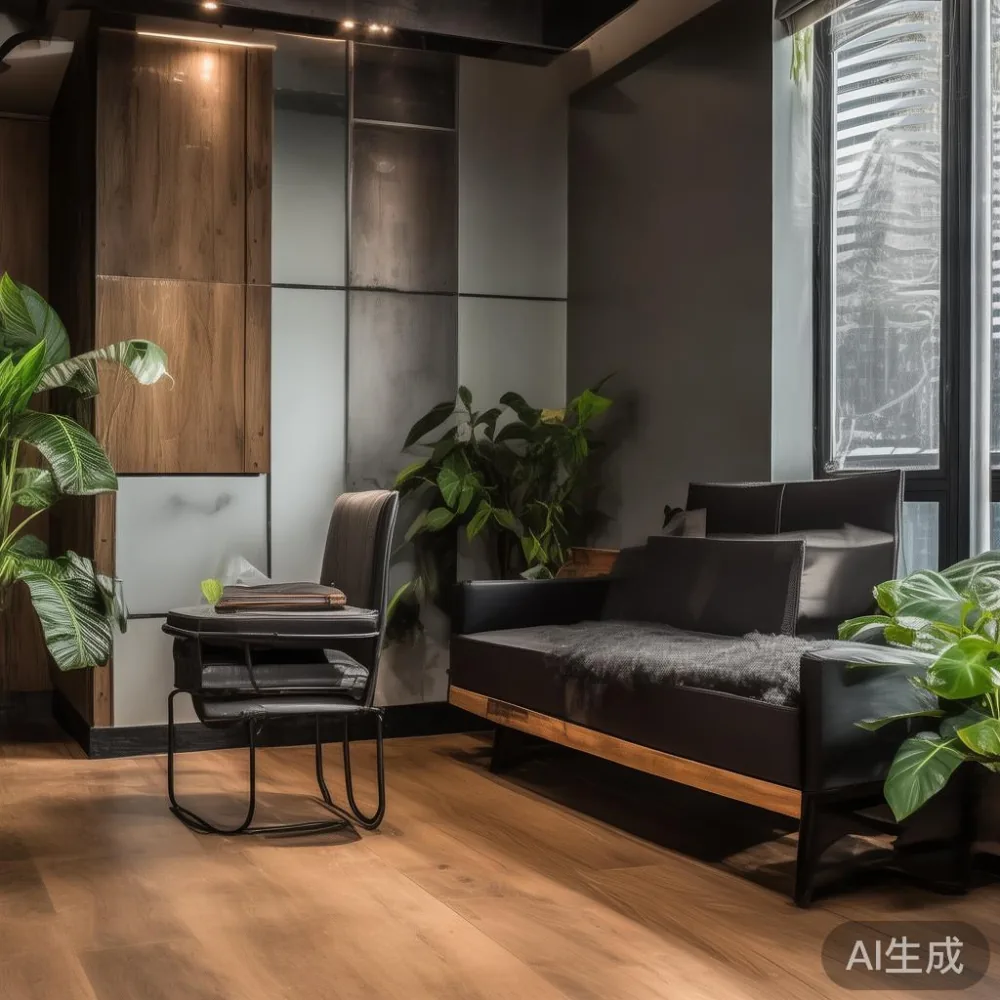
Material and style interact. French light luxury favours pale oak, walnut accents, rounded profiles and layered textiles. American light luxury leans towards generous proportions, deep cushions and darker timber. Post-modern light luxury can use clean planes with one contrasting stone or grain. Industrial style, by contrast, often exposes blackened metal, linear frames, visible fixings and darker wood with a matte finish.
For a light luxury sofa vs Modern sofa comparison, consider both the frame and upholstery. A solid wood frame may improve a loose-cover or leather sofa, but poor suspension, compressed foam or weak joints can undermine a 2,500 SGD purchase. A quality veneer frame may be more comfortable if its joints and foam are specified well. If you are learning how to style French sofa in bedroom, keep the silhouette restrained: a 210–230 cm French-inspired sofa in cream linen can work in a 305 cm HDB living room, provided the coffee table is 90–100 cm long and circulation remains 70–80 cm.
Stone and timber also need visual balance. A marble table with a 6–8 cm top can be paired with an industrial solid wood dining table, but a high-contrast combination may feel too formal in a compact flat. A 120 cm marble table with a blackened steel base can make a 300 cm living room appear layered without adding a large cabinet. For a European bed vs Italian light luxury bed comparison, focus on usable clearance, headboard height and frame support rather than nationality alone. A solid wood queen frame at 160 × 200 cm may suit an HDB bedroom, while an Italian-style upholstered bed can require a wider wall and 10–15 cm more side clearance.
Wardrobes present the same point. If you are weighing whether is Mid-century modern wardrobe worth it, measure the wall and test the daily routine before ordering. A 180 cm-wide, 210 cm-high unit with 2 sliding doors may suit a 240 cm wall, but sliding doors can be harder to access in a narrow bedroom. If you are learning how to style Japandi wardrobe in bedroom, pale veneer can work well when the internal fittings, handles and grain direction are disciplined. A solid wood frame is useful where the piece will be moved, repaired or retained across homes.
What Should You Check Before Ordering?
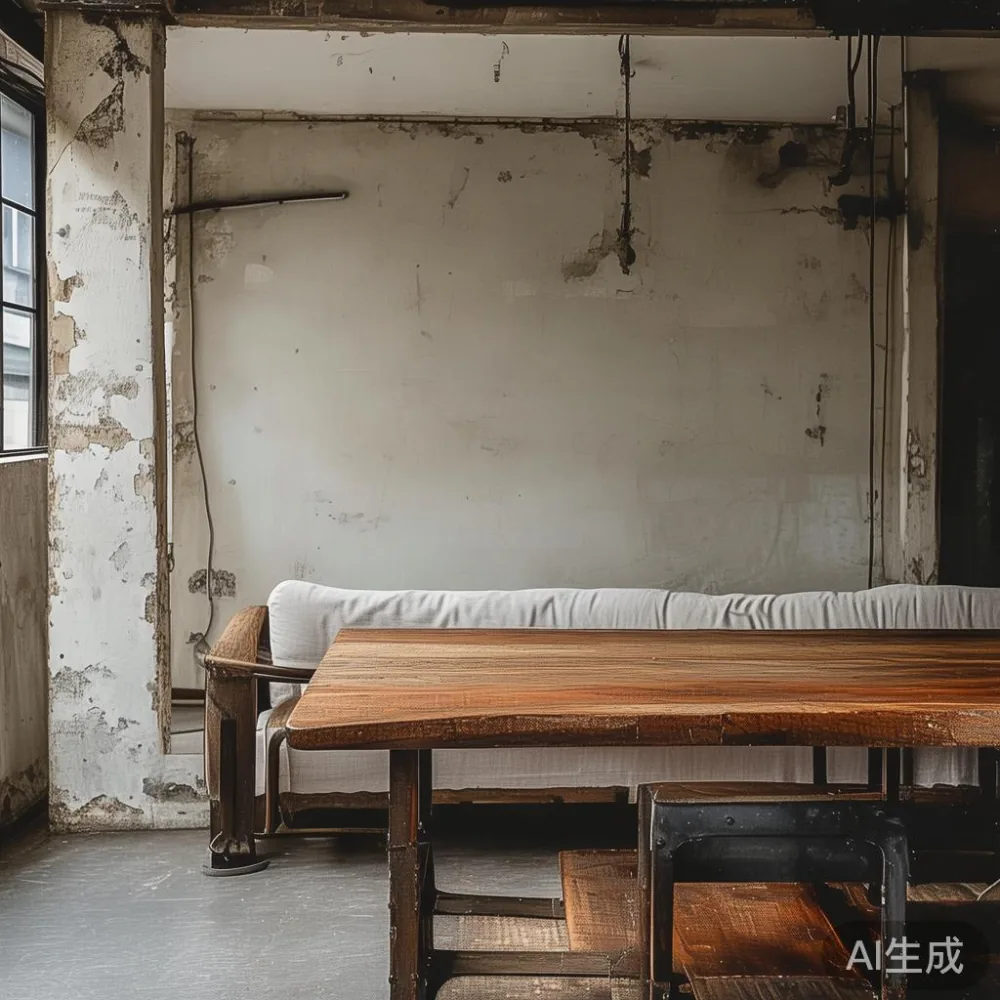
Ask the supplier for the exact frame material, core material, timber species, veneer thickness, joint construction and finish. Confirm whether “solid wood” refers to the whole carcass or only visible parts. For an industrial style dining table, request photographs of the underside, drawer boxes and corner joints. A 10-year structural warranty should name what it covers, but a warranty is not a substitute for understanding which components are replaceable.
- Measure the lift door, lift car, corridor turns, stair width and the largest carton, including packaging.
- Confirm the final price includes 9% GST, delivery, installation and packaging removal.
- Ask for a written care guide and realistic repair prices for veneer edges and solid wood finishes.
- Check whether floor protection, wall anchoring and assembly are included.
- For a marble table, request the slab dimensions, weight and edge treatment; confirm the route can carry the load.
- Check delivery lead times. A made-to-order wardrobe might take 30–60 days, while a stocked nightstand could arrive in 7–14 days.
Singapore is a useful test bed because humidity, limited dwelling sizes, high delivery friction and a culture of careful renovation decisions are all visible within a short period. A product that suits a 200 cm corridor in another market may be inconvenient in a Punggol HDB block, while a lighter or modular piece may be handled more easily through an 80 cm condominium service lift.
How Do You Make the Final Five-Year Decision?
For a low-pressure, replaceable piece such as a nightstand, a good veneer model may be financially sensible. For a dining table that anchors an industrial style room, receives daily use and may move between homes, solid wood can justify a premium if the supplier supports long-term refinishing. For wardrobes, examine the construction around moving parts: rails, hinges, drawer runners, back panels and corners. For a sofa or bed frame, the frame must work with the suspension, mattress or upholstery system; timber alone cannot guarantee comfort.
The arithmetic can be expressed as a simple decision formula: total 5-year cost equals purchase price plus 9% GST, delivery, care, repairs, likely replacement cost, and minus residual value. Do not add the same repair to both alternatives without evidence. Use actual household habits, not hypothetical disasters. If a home has children, pets or frequent meals, the probability of surface damage rises. If a piece is displayed, lightly used and replaced when the room changes, a shorter life may be intentional.
MIDHILL’s solid wood range is positioned around industrial style construction, with a 10-year structural warranty, lifetime refinishing, 14-day returns and free shipping on orders over US$350. Its export experience across 15-plus countries also makes material specifications and overseas packing relevant, although every Singapore delivery still needs its own lift and corridor check. The practical conclusion is not that one label wins every comparison. It is that solid wood tends to have the stronger long-term case when repair, refinishing and continued use carry financial value, while well-built veneer can remain the more economical choice for lighter-duty furniture.
Before signing the order, measure the route twice, compare equivalent specifications and put the likely 5-year repair and replacement costs on paper. That small amount of arithmetic can prevent a 2,500 SGD table from becoming a 3,200 SGD ownership experience—or make a higher initial price produce a lower long-term cost.