What Actually Drives the Price of Solid Wood Furniture
In the world of furniture, prices can swing dramatically. A simple wooden stool might cost SGD 150, while a solid wood dining table can easily reach SGD 3,000 or more. For those living in Singapore, where space is a premium and style is a priority, understanding what you are paying for is key, especially when considering an industrial style for your HDB flat or condo in areas like Tampines or Punggol. This article breaks down the tangible factors that determine the cost of solid wood furniture, moving past marketing buzz to reveal the real value in the materials, craftsmanship, and logistics.

Why Does a Solid Wood Sofa Cost More Than an Upholstered One?
The primary reason a solid wood sofa commands a higher price than a fabric-upholstered one is the sheer volume of premium material used. A typical industrial style solid wood sofa frame is constructed from kiln-dried oak or mango wood, with each major component—the backrest, arms, and frame—often being a single, solid piece of timber. A standard 3-seater sofa might require over 25 cubic feet of solid wood. This contrasts sharply with a sofa built with a plywood frame, which uses a fraction of the wood and is covered entirely in foam and fabric. The weight is a clear indicator; a solid wood sofa can weigh between 45 to 60 kg, while an upholstered version might be 30 kg. This density of material is the foundation of the price difference, reflecting the cost of sourcing large, high-quality timber planks.
Is the Wood Type the Biggest Factor in the Price?
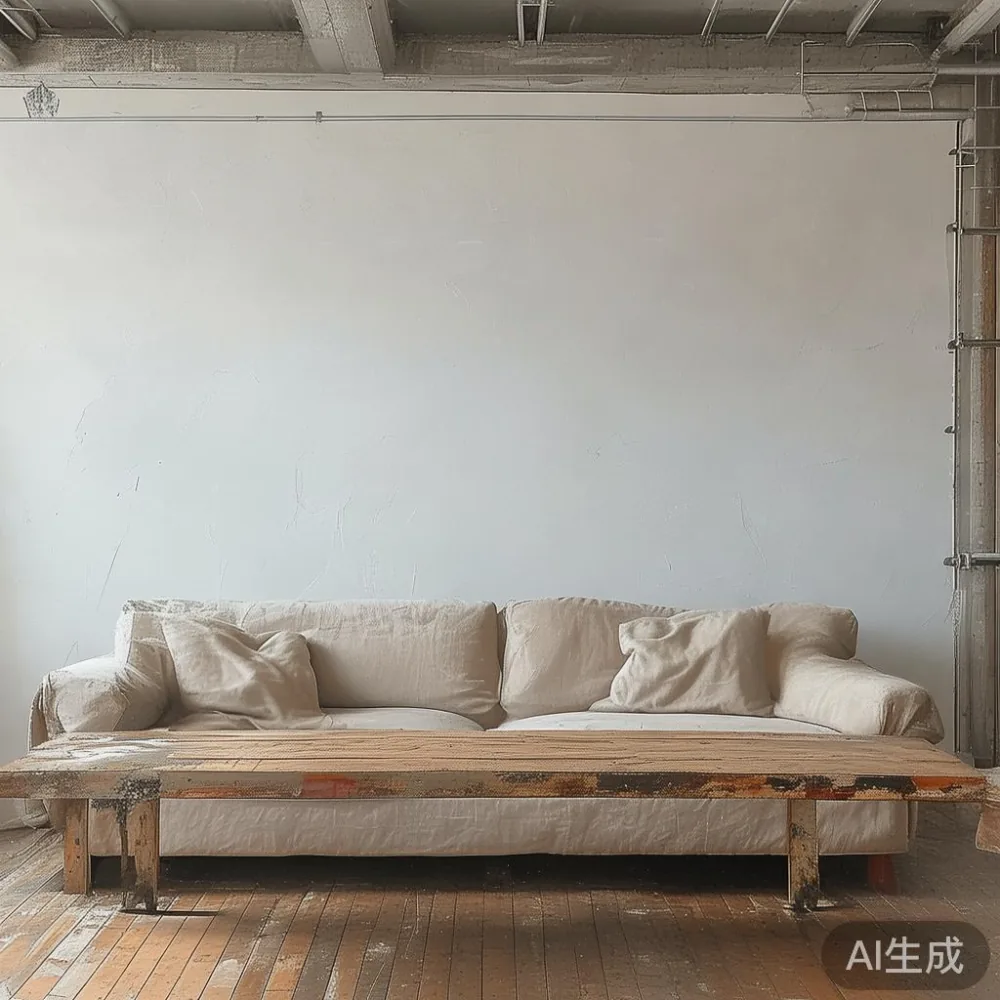
Yes, the species of wood is one of the most significant cost drivers. Furniture makers categorize woods into two main types: hardwoods and softwoods. Hardwoods, like oak, walnut, and maple, come from deciduous trees and are denser, more durable, and more expensive. A solid wood dining table made from European white oak will cost considerably more than one made from Indonesian acacia, even if both are genuine solid wood. The origin also plays a role. North American oak, for instance, is highly prized for its straight grain and stability, often commanding a premium. Softwoods, such as pine or fir, grow faster and are more affordable, making them common for more budget-friendly pieces. For a homeowner in a Singapore condo, choosing a durable hardwood like oak for a marble table base ensures the piece can withstand the humidity and daily use for decades, justifying the initial investment.
How Does Construction Quality Affect Long-Term Value?
Beyond the wood itself, the method of construction separates a fleeting purchase from a lifelong investment. High-end furniture employs traditional joinery techniques that require immense skill and time. Look for terms like 'mortise and tenon' or 'dovetail joints'—these are interlocking wooden connections that create a bond stronger than any screw or nail. A well-constructed wardrobe using these methods will remain solid and wobble-free for its entire lifespan. Cheaper alternatives rely on screws, staples, and glue, which can loosen over time. A colleague of mine recently visited a workshop in Foshan and saw the difference firsthand. He watched a craftsman hand-cut a mortise and tenon joint for a bed frame, a process that took 45 minutes for a single connection. In a mass-production factory, that same joint would be made in 30 seconds with a machine. The human time and precision are directly reflected in the furniture's structural integrity and, consequently, its price. This is why a 10-year structural warranty, offered by brands with a commitment to quality, is a sign of confidence in their construction.
What About Design and Finishing?
The aesthetic of a piece, particularly within an industrial style, adds another layer to its cost. Design is not just about how it looks; it's about how it functions within a specific space. For a Singapore HDB flat, a designer must account for standard corridor widths of 1.2 metres and lift dimensions that are often tight. A bulky wardrobe might not fit, so a design must be both stylish and spatially efficient. This thoughtful design process adds cost. Similarly, the finish—the protective layer applied to the wood—impacts price. A simple, natural oil finish is less expensive than a multi-layered lacquer system that provides a deep, glossy sheen and superior protection against scratches and moisture. For a light luxury for apartment aesthetic, a high-gloss finish on a solid wood bed frame can transform the piece into a statement, a process that involves multiple sanding and application steps by a skilled technician. This attention to detail is what defines a piece of French light luxury furniture from a standard one.
Why is Shipping and Assembly So Expensive for Large Items?
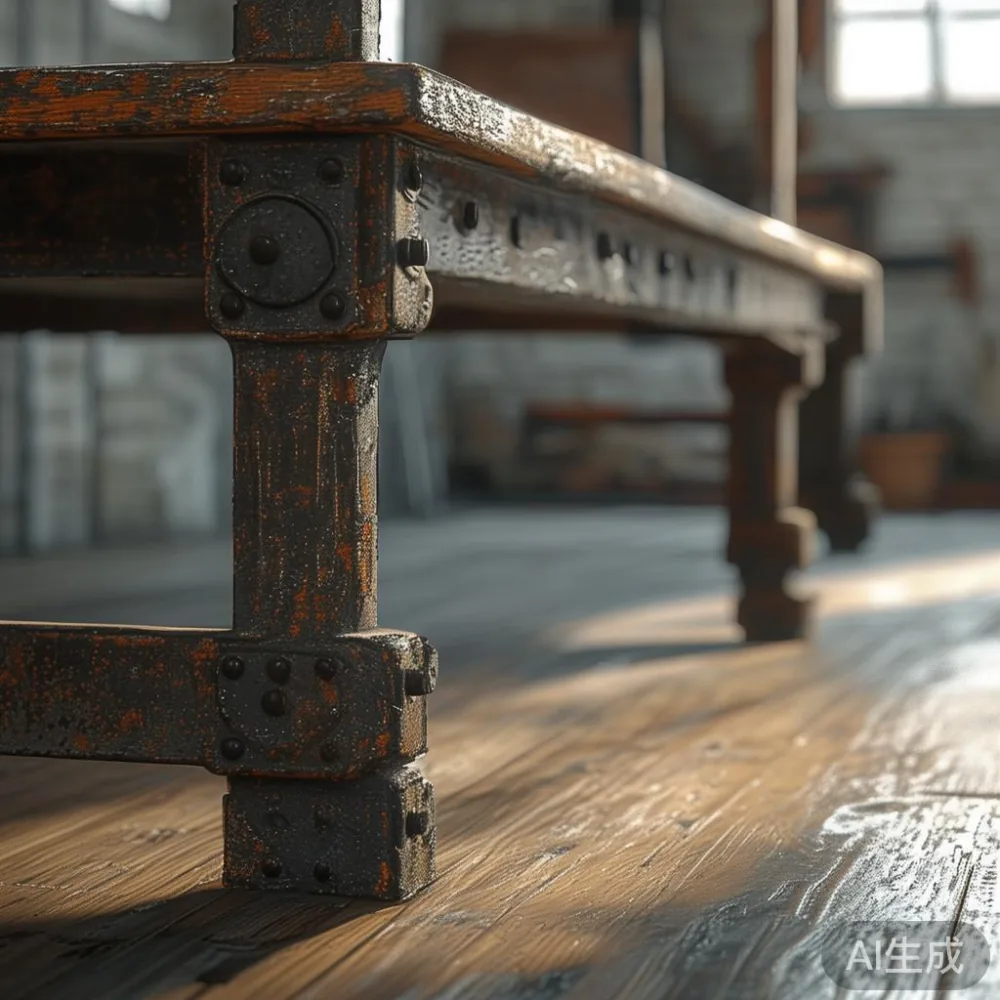
The final, often underestimated, cost component is logistics. Solid wood furniture is heavy, bulky, and fragile. Shipping a dining table from a manufacturer in Foshan to Singapore involves significant expenses. The process includes custom crating to protect the piece during its 25-30 day journey by sea, international freight charges, and local delivery within Singapore. For a piece like a solid wood wardrobe, which can be 2 metres tall and weigh over 80 kg, the delivery cost is substantial. There's also the matter of assembly. A flat-pack wardrobe from a budget store might require a screwdriver and an hour of your time. A premium solid wood wardrobe often arrives as a fully assembled piece that needs to be manoeuvred through your apartment door, up the lift, and into your bedroom. This 'white glove' service, where professionals handle the entire delivery and placement, is a significant part of the final price tag. Free shipping over a certain purchase value, like SGD 350, is a practical solution for brands to offset these high per-item delivery costs for customers.
European light luxury sofa vs Nordic sofa: Which Offers Better Value for Singapore Homes?
This is a common question for homeowners seeking a specific aesthetic. The difference lies in material philosophy and form. A European light luxury sofa, often favoured in condos in Bedok, typically features rich, dark woods like walnut or mahogany, plush leather or velvet upholstery, and more ornate metal accents. It aims for a dramatic, opulent feel. A Nordic sofa, in contrast, prioritises light woods like birch or pine, clean lines, and natural fabrics like linen or wool, focusing on minimalist functionality. For a small living room in a Singapore HDB, the Nordic approach often provides a sense of space and airiness that a heavier European piece might not. However, a European light luxury sofa vs Nordic sofa debate isn't just about style; it's about maintenance. The dark woods and leathers of the European style may require more frequent conditioning in Singapore's humid climate, while the Nordic woods are generally more forgiving. The choice depends on whether you value the bold statement of luxury or the understated practicality of minimalism.
How Do I Know If I'm Paying for Quality or Just a Brand Name?
Discerning the value behind the price requires looking beyond the label. A brand name can add a premium, but it doesn't always guarantee superior quality. Instead, focus on the specifics. Ask about the wood's origin and grade. Is it 'select' grade with a uniform grain, or 'common' grade with more knots and imperfections? Inquire about the joinery. If a salesperson cannot explain how the pieces are connected, it's a red flag. Check the warranty. A lifetime refinishing warranty, offered by established makers, is a strong indicator of confidence in the wood's quality and the durability of the finish. A 14-day return policy is standard, but a 10-year structural warranty is a commitment to lasting craftsmanship. When you're browsing for something like a midhill.co industrial-style nightstand, you can see these details in the product specifications, allowing you to compare the tangible attributes rather than just the brand story.
Is Solid Wood Furniture a Good Investment for Singapore's Climate?
Given Singapore's high humidity, a common concern is whether solid wood furniture is a practical choice. The answer is a resounding yes, provided it's the right kind of wood and properly treated. High-density hardwoods like teak and oak are naturally more resistant to the effects of humidity than softer woods like pine. The key is the manufacturing process. Reputable manufacturers kiln-dry their wood, a process that reduces the moisture content to a stable level of around 6-8%. This prevents the wood from absorbing moisture from the air and swelling or cracking. A solid wood bed frame from a quality maker will have been through this process, making it perfectly suited for a Singaporean climate. The initial higher cost is offset by the furniture's longevity; a well-made piece will not need to be replaced, unlike cheaper alternatives that may warp or degrade within a few years.
What Hidden Costs Should I Consider Beyond the Price Tag?
When budgeting for furniture, think beyond the purchase price. There are several hidden costs to factor in. GST in Singapore is 9%, so a SGD 2,000 dining table will actually cost SGD 2,180 at checkout. Then there's the potential cost of professional assembly. While some pieces come ready to assemble, a complex wardrobe or a solid wood sofa might require a specialist, adding SGD 80 to SGD 150 to your total. Don't forget the cost of maintenance. A marble table top, for example, while beautiful, needs to be sealed annually to prevent stains, which involves purchasing a sealant and potentially hiring a professional. For a light luxury for apartment look, this upkeep is part of the ownership. Finally, consider the cost of potential replacement. A cheap, flat-pack wardrobe might need to be replaced in 5 years, whereas a solid wood wardrobe could last 30 years or more. The true cost is spread over its entire lifespan.
How to Choose Japandi Bed: A Practical Guide for Small Spaces
The Japandi style, a blend of Japanese minimalism and Scandinavian functionality, is incredibly popular for Singapore's compact homes. When you need to choose Japandi bed, the focus should be on clean lines, natural materials, and clever storage. A low-profile platform bed is a hallmark of the style, creating a sense of space in a bedroom. Look for beds made from light-coloured woods like ash or oak to maintain the airy feel. The construction should be simple but strong, with visible joinery that celebrates craftsmanship. Storage is paramount in a small HDB bedroom. A Japandi bed with integrated drawers underneath is a fantastic solution, eliminating the need for a bulky standalone chest of drawers. This multi-functionality is a key part of the style's appeal and a smart way to maximise your floor area. The price of such a bed reflects the quality of the wood and the complexity of the drawer mechanism, but it's an investment in both style and space-saving functionality.
Modern for small living room: Maximising Style and Function
Creating a modern for small living room in a Singapore apartment is a design challenge that requires smart choices. The industrial style is particularly effective here because of its emphasis on open space and clean lines. To make a room feel larger, opt for furniture with exposed legs. A solid wood sofa on slender metal legs, for example, allows light to pass underneath, making the floor seem more expansive. A nesting coffee table set is another excellent choice; you can use one small table when you need space and pull both out when guests arrive. When selecting a dining table for a combined living and dining area, consider a drop-leaf design. A 160 cm table can be extended to 200 cm only when needed, saving precious space the rest of the time. These are not just stylistic choices; they are practical solutions that define the modern for small living room aesthetic. The cost of these multi-functional pieces is often higher than their static counterparts, but the benefit of space efficiency in a Singapore condo is invaluable.
Final Thoughts on Value and Longevity
Ultimately, the price of solid wood furniture is a reflection of its tangible components: the volume and quality of the wood, the skill of its construction, the thought of its design, and the complexity of its delivery. It is not an abstract cost but a sum of real, measurable parts. For a homeowner in Singapore, where living spaces are compact and furniture is a long-term fixture, investing in a well-made piece is a decision in quality of life. A solid wood dining table becomes the centrepiece of family gatherings. A sturdy wardrobe holds your clothes for a lifetime. An industrial style bed frame provides a stable foundation for rest. When you look at the price tag, consider the object's entire lifecycle. A piece of furniture from a maker established in 2008, with a track record of exporting to 15+ countries and backing its products with a 10-year warranty, represents a commitment to that longevity. It’s an investment in enduring design and functional art for your home.