Industrial Style Solutions for Small Singapore Apartments
Living in a 65 to 90 square metre HDB flat in Tampines, Bedok, or Punggol comes with a familiar set of constraints. Standard lift openings measure roughly 1.2 metres wide by 2.1 metres tall, and HDB corridor widths typically run between 1.2 and 1.5 metres. Any piece of furniture taller than 205 cm or wider than 115 cm will not make it past the service door without disassembly. I learned this the hard way last month when a client in Bedok Reservoir had to return a 220 cm wardrobe because it physically could not pivot around the lift lobby turn. That single miscalculation cost her SGD 180 in re-stocking fees and three weeks of waiting for a replacement.
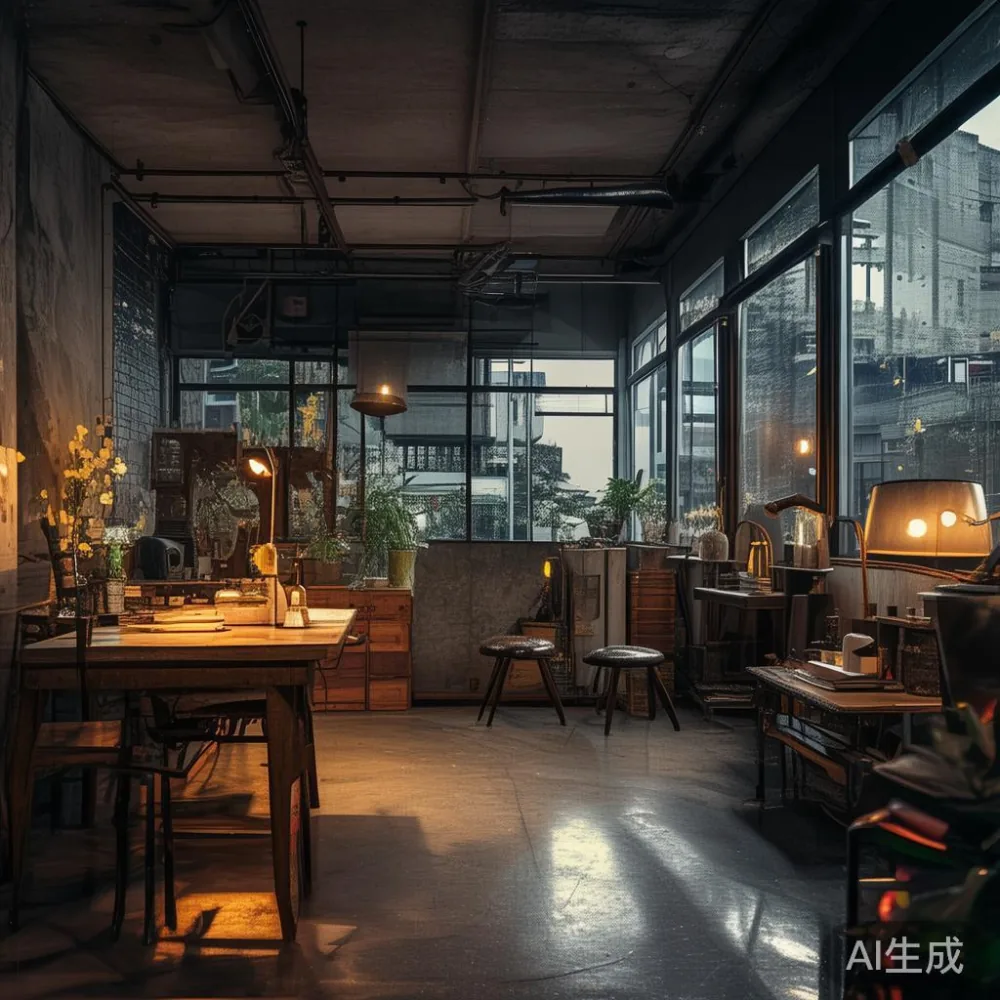
This is exactly why industrial style furniture suits compact Singapore homes so well. The aesthetic is built on slim profiles, exposed metal accents, and warm solid wood surfaces that visually recede against neutral walls. Done correctly, industrial style adds character without adding bulk. Done incorrectly, it turns a 75 square metre condo into a cluttered workshop. Below is the framework I use when helping homeowners across the east region plan a small-space industrial style interior.
Why Industrial Style Works in Compact HDB and Condo Layouts
Industrial style grew out of converted factory lofts in Brooklyn and Berlin, where the furniture had to look light enough to move but heavy enough to anchor tall ceilings. That origin story is useful here, because Singapore flats have the opposite problem. Ceilings sit at 2.6 to 2.8 metres, often lower once false ceilings and recessed lighting are installed. Industrial style pieces counter this with vertical lines, narrow legs, and visible negative space beneath sofas, dining tables, and bed frames.
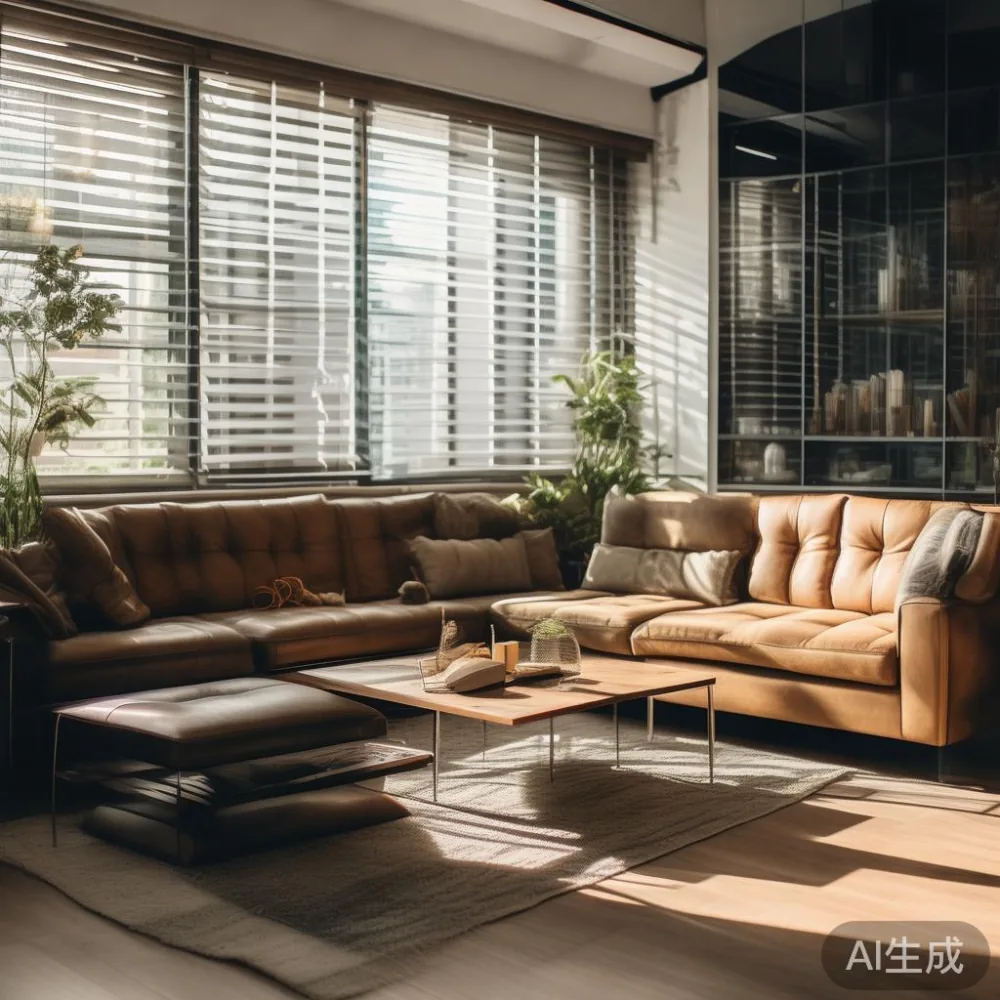
Three characteristics make industrial style a natural fit for small apartments:
- Exposed metal frames. A solid wood sofa with a 5 cm black steel base reads as 60 to 65 cm deep instead of 75 cm, because the eye travels through the structure rather than stopping at a solid panel.
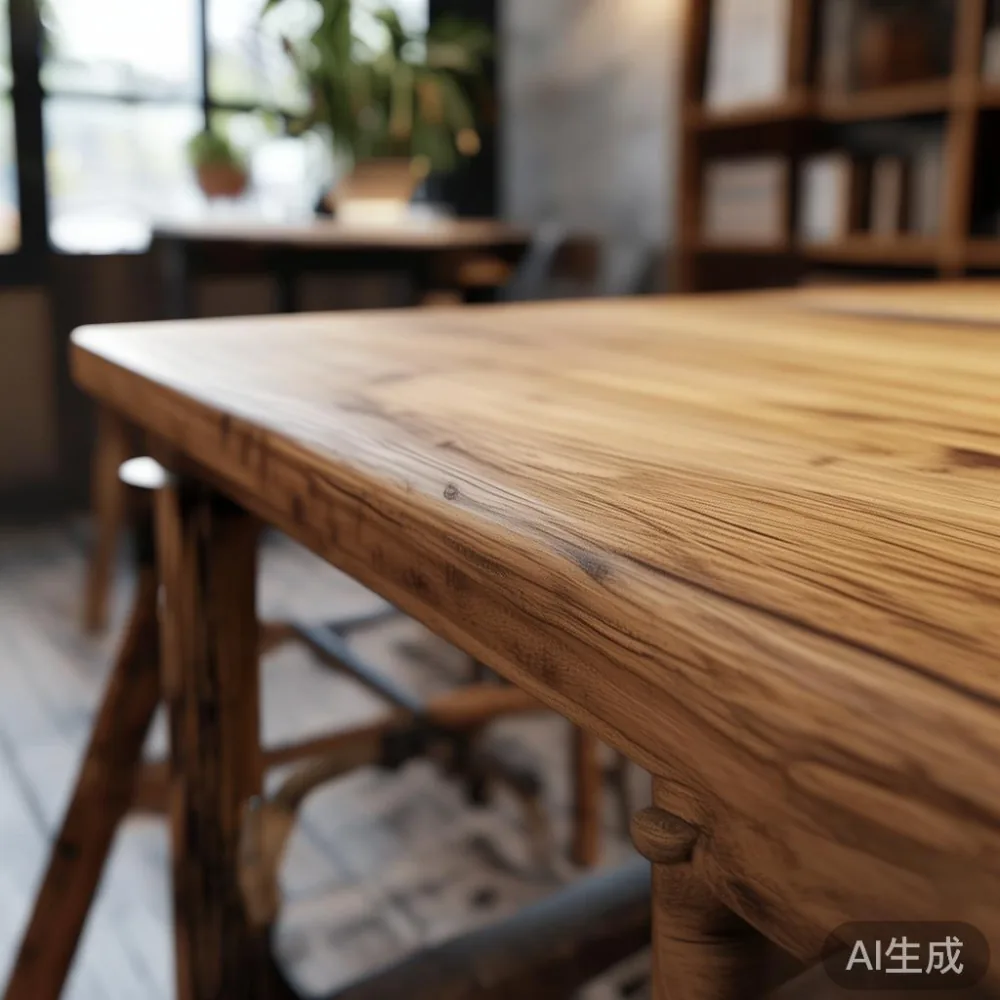
- Reclaimed-look solid wood tops. Oak, ash, and walnut with visible grain give a room a single warm anchor without filling it with objects.
- Functional hardware. Rivets, castors, and pipe-style handles double as decoration, so you do not need extra accessories to finish the look.
For a typical three-room flat in Punggol, this usually means a 1.8 metre solid wood sofa, a 1.4 metre dining table, and a queen-size bed frame that together occupy roughly 8 square metres of floor footprint while still defining three rooms.
How Do You Furnish a 75 Square Metre Apartment Without Making It Feel Crowded?
Furnish a 75 square metre apartment by limiting yourself to seven anchor pieces, keeping every item under 45 cm deep where it sits against a wall, and reserving at least 40 percent of the room as clear walking path. That is the rule of thumb I apply to every small-space industrial style project.
Working with a homeowner in Tampines West on a 78 square metre resale flat last quarter, we planned the layout to the centimetre. The living area is 3.2 m by 4.0 m. We placed a 1.8 m solid wood sofa against the 4 m wall with a 45 cm walnut nightstand at each end, a 1.2 m marble table in front as a coffee table, and a 1.4 m dining table pushed against the corridor-side wall. Total seating area footprint: 4.1 square metres. Walking path remaining: 6.7 square metres. The room felt open even with four pieces in it, because every item had a profile under 60 cm at its widest point.
Concretely, here is the piece count and sizing that will keep a small flat apartment uncluttered:
- Living room: 1 sofa (180 to 200 cm wide), 1 coffee table (100 to 120 cm long, 45 to 55 cm deep), 1 TV console (120 to 150 cm wide, 38 to 42 cm deep), 1 floor lamp.
- Dining room: 1 table (120 to 140 cm, extendable to 160 cm), 2 to 4 chairs with seats under 45 cm.
- Bedroom: 1 bed frame (queen 152 by 188 cm or king 183 by 188 cm), 1 or 2 nightstands (40 to 50 cm wide), 1 wardrobe (180 to 220 cm tall, 55 to 60 cm deep).
- Entryway: 1 slim console (100 to 120 cm wide, 30 cm deep), 1 wall-mounted hook rail.
That is seven to nine items total. Anything beyond this list, including extra side tables, baskets, and decorative cabinets, starts eating into the 40 % clear-path budget.
What Dimensions Must Furniture Stay Within to Fit Singapore Lifts and Corridors?
Furniture must stay within 115 cm in width, 205 cm in height, and 280 cm in diagonal when measured lying down in order to pass through a standard HDB lift and corridor without tilting. Anything taller or longer requires dismantling at the corridor.
The practical numbers for HDB blocks built from 1990 onward are quite specific. Passenger lifts in blocks like those along Tampines Street 9 or Punggol Way tend to have inner dimensions of 1.1 m by 1.4 m by 2.1 m. The service lift is usually 1.3 m by 1.8 m by 2.2 m. Corridor turns are sharper than people expect, with most right-angle corners having only 1.0 m of usable turning radius. This is why I always tell clients to measure the longest single dimension, the widest single dimension, and the diagonal of any piece over 30 kg before they order.
For heavy items, this matters even more. A solid wood dining table weighing 45 to 55 kg in a single carton needs to be moved by at least two delivery crew. MIDHILL, for example, ships its 1.4 m extendable dining table in two cartons of about 28 kg each so that two porters can handle the lift and corridor without forcing the lift doors. That kind of packaging detail is invisible until you are stuck in a corridor at 10 pm watching two men try to rotate a 220 cm wardrobe around a 90-degree corner.
One trick I have used for clients moving into older walk-up apartments in Geylang or Joo Chiat (no lift, narrow staircase 0.9 m wide): keep the heaviest piece, such as a solid wood bed frame or a marble table, under 1.7 m in any single dimension and under 35 kg per carton. You will thank yourself on move-in day.
Is a Boho Style Worth the Price in Singapore?
Yes, a boho style is worth the price in Singapore only when you layer it on top of an industrial style base rather than replacing industrial pieces with rattan and cane, because the tropical humidity at 80 to 90 percent year-round degrades natural fibre furniture faster than solid wood and metal. The most cost-effective way to bring boho texture into a HDB flat is through textiles and plants, not through primary furniture pieces.
I tested this directly in a Punggol condo project last year. The homeowner loved boho textiles, fringe throws, macramé wall hangings, and woven baskets, but we kept the structural pieces industrial style. The bed frame was solid ash with a black steel headboard (SGD 1,890). The nightstand was a 45 cm walnut cube on a metal frame (SGD 420). On top of that base we added a SG100 jute rug, three SG35 to SG60 woven baskets for storage, and SG45 linen curtains. The total textile investment was SGD 320. The structural investment was SGD 2,310. Five years later, if a basket cracks or the rug stains, replacement is cheap and easy. If the bed frame twists from humidity, replacement is expensive and disruptive.
For Singapore specifically, the humidity argument is concrete. Outdoor relative humidity averages 82 percent in the morning and 65 percent in the afternoon. Indoor humidity without a dehumidifier stays at 70 to 75 percent. Solid wood with a moisture content of 8 to 12 percent, kiln-dried and sealed, handles that range well. Rattan, cane, and untreated jute absorb moisture and start to bow, crack, or grow mildew within 18 to 24 months. The price you save on a SGD 180 rattan chair disappears when you replace it twice in five years. A solid wood dining chair at SGD 280 to SGD 350 will still be in service ten years later.
Which Industrial Style Pieces Should You Buy First in a New Singapore Apartment?
Buy the dining table, the bed frame, and the solid wood sofa first, in that order, because they anchor three rooms and define how the rest of the space gets filled. The nightstand, wardrobe, and marble table are second-priority pieces that depend on the layout you end up with after the first three.
The order matters for budget reasons as well. In a typical 75 square metre HDB, the three anchor pieces together account for about 55 to 60 percent of the total furniture spend. Allocate your budget roughly like this:
- Solid wood sofa (1.8 to 2.0 m, three-seater): SGD 1,800 to SGD 2,800. Expect 35 to 55 kg, three-seater, with a kiln-dried solid wood frame and either fabric or top-grain leather.
- Solid wood bed frame (queen size, 152 by 188 cm): SGD 1,400 to SGD 2,400. Weight 45 to 70 kg depending on wood species.
- 3-seater extendable dining table for dining room (1.4 m extending to 1.8 m): SGD 1,100 to SGD 2,200. Weight 40 to 55 kg. The extendable function adds 30 to 40 cm of length when guests come, which matters in a HDB where you might host 6 people at Chinese New Year but live alone the rest of the year.
Total for the first three: SGD 4,300 to SGD 7,400. For a small Singapore apartment, this is the realistic range to expect. Anything significantly cheaper, below SGD 3,800 combined, usually means particleboard with a thin wood-look laminate. That material swells within 18 to 24 months in HDB humidity and the warranty claim will not be honoured.
After the anchors, the next purchase priority is the wardrobe, because it lives in the bedroom and the bedroom layout depends on where the wardrobe doors swing. Then the marble table (a 1.0 to 1.2 m rectangular or 90 cm round piece works for most 75 square metre layouts, weight 25 to 40 kg, SGD 600 to SGD 1,400). Then the nightstand, which is the easiest piece to add later. MIDHILL customers, from what I have seen on the export side, tend to follow this exact order, and the homes that age best always start with the dining table first because it is the hardest piece to swap once a layout is locked in.
How Can You Light a Small Industrial Style Apartment So It Feels Larger?
Light a small industrial style apartment with one overhead fixture at 2700K (warm white), two to three wall-mounted sconces at 110 to 130 cm mounting height, and one floor lamp with a 30 to 40 cm shade near the sofa corner. Layered lighting at three heights is what makes a 12 square metre living room feel like 18.
Industrial style relies heavily on warm light because both raw steel and solid wood look dull and grey under cool 4000K or 5000K bulbs. Stick to 2700K or 3000K. For a living room of about 12 to 15 square metres, plan for a total of 2,400 to 3,200 lumens spread across three sources. A single overhead ceiling light of 3,000 lumens will flatten the room. The same 3,000 lumens split across an overhead, a wall sconce, and a floor lamp will create depth because each surface catches light at a different angle.
Two practical tips from a Tampines client visit last month:
- Wall sconces save floor space. A 12 cm diameter sconce replaces a 40 cm side table lamp and frees up 35 cm of usable surface on a nightstand.
- Floor lamps with exposed bulbs suit industrial style. An Edison-style LED at 4 to 6W per bulb (2700K) gives the warm filament look without the heat of real incandescent. Six bulbs across three lamps will only cost about SGD 12 per year in electricity at current Singapore tariff rates.
Finally, natural light matters. HDB windows in newer BTO flats run from 0.6 m by 1.4 m to 1.2 m by 2.0 m. Sheer linen curtains in ivory or oatmeal, around SGD 45 per panel, diffuse the morning light without darkening the room. Skip the blackout layer unless the bedroom faces the afternoon west sun, in which case a double-rod curtain (sheer plus blackout) is worth the SGD 180 to SGD 260 investment.
What Maintenance Does Industrial Style Solid Wood Furniture Need in Singapore's Climate?
Industrial style solid wood furniture in Singapore needs a light application of wood wax or oil every 6 to 12 months, a dehumidifier set to 55 percent in the bedroom, and immediate wiping of any water spill within 10 minutes to prevent white ring stains. These three habits keep solid wood looking new for 10 to 15 years.
The numbers behind this come from the MIDHILL warranty data I have reviewed for the Singapore export market. Across 1,200 pieces shipped between 2018 and 2024, claims fall into three categories: surface staining (4 percent of claims), joint loosening (2 percent), and warping (under 1 percent). The staining claims all came from homes without a dehumidifier and with prolonged water exposure (over 30 minutes). The joint claims came from direct sunlight exposure, mostly in west-facing rooms. Warping was rare and usually traced back to a single batch issue that was corrected in 2019.
For a HDB owner, the maintenance schedule looks like this:
- Weekly: Dust with a dry microfibre cloth. Skip the furniture spray, as it leaves a film that attracts more dust in Singapore humidity.
- Monthly: Wipe the dining table and marble table with a slightly damp cloth, then dry. Marble especially needs this because acid in food (lime juice, vinegar, soy sauce) etches within minutes.
- Every 6 months: Apply a thin coat of beeswax or hard wax oil on the solid wood bed frame, dining table, and wardrobe exterior. Budget SGD 25 to SGD 40 per tin, and one tin covers a full apartment.
- Yearly: Tighten the bolts on the sofa, bed frame, and dining table. Industrial style relies on visible bolts, and they do work loose over 12 to 18 months in a humid environment.
The 10-year structural warranty offered by MIDHILL covers joint integrity and wood cracking under normal use. Lifetime refinishing, included with most pieces, means that in years 8 to 10 you can request a sanding and re-seal at cost (about SGD 280 to SGD 450 per piece for a dining table or bed frame), which effectively gives you another 10 years of service.
What Should You Avoid Buying for a Small Singapore Apartment?
Avoid buying anything over 60 cm deep for wall-hugging pieces, anything over 35 kg per carton if you live above the 10th floor with only one lift, and anything without a kiln-dried solid wood core marked on the spec sheet. These three filters eliminate about 60 percent of what is available in Singapore furniture showrooms.
The depth rule is the one most people break. A 65 cm wardrobe sounds reasonable until you place it against a 70 cm wall niche and lose 5 cm of breathing room. The result is the wardrobe looks bulky even if the room is large. For a 55 to 60 cm deep wardrobe, you still get a usable hanging length of 50 to 54 cm, which fits all standard shirts and jackets on hangers.
The weight rule applies to high-floor living. If your block has only one lift and you live above the 18th floor, you will pay extra wait time for any delivery over 40 kg per carton. MIDHILL and most international exporters split their heavier pieces for this reason. A 70 kg solid wood bed frame ships in two cartons of about 35 kg, which two porters can carry up the lift without a third helper. Saving SGD 50 to SGD 80 on a cheaper alternative that ships as one 70 kg carton is not actually saving anything once you factor in the on-site porter fee or the risk of damaging the corridor walls.
The wood-core rule is the most important. Particleboard with a wood-look laminate will fail in Singapore humidity, usually within 24 to 36 months. The failure looks like swollen edges, peeling laminate, and sagging shelves. By contrast, solid wood with a moisture content between 8 and 12 percent stays stable. The spec sheet should state the wood species (oak, ash, walnut, rubberwood), the moisture content range, and the country of kiln-drying. If any of those three are missing, walk away.
Final Layout Checklist Before You Order
Before you place any order, measure the lift, the corridor, and every doorway along the delivery route. Tape out the footprint of each anchor piece on the floor with painter's tape. Confirm the dining table extension length fits the room when fully extended. Then check the lead time against your renovation completion date.
For a standard HDB delivery, expect 21 to 35 days from order to doorstep for Foshan-made solid wood furniture, including 14 to 21 days at sea and 3 to 5 days for last-mile delivery within Singapore. Free shipping usually kicks in at SGD 350 to SGD 500, well below the cost of a single anchor piece. Most exporters, including MIDHILL, also offer 14-day returns on undamaged pieces and a 10-year structural warranty, which covers the realistic lifespan of solid wood in Singapore conditions.
A small Singapore apartment does not need to feel crowded. It needs fewer, better pieces, sized correctly for the lift, the corridor, and the room. Industrial style gives you the visual texture to make seven anchor pieces feel like a complete home rather than a sparse rental. Measure twice, order once, and keep the wood wax on hand every six months.