What Actually Drives the Price of Solid Wood Furniture
The industrial aesthetic, with its raw honesty and celebrated imperfections, has become a defining feature of modern Singaporean homes. From the open-plan living spaces in a Punggol Waterway Point condo to the compact, efficient layouts of a Bedok HDB flat, industrial-style furniture offers a unique blend of durability and design. But when you see a solid wood dining table or a wardrobe priced at SGD 2,800 versus another at SGD 1,200, what exactly justifies the difference? It's a question many homeowners in Tampines or Ang Mo Kio ask themselves while browsing online or at a showroom. The answer is not a single factor, but a complex interplay of material, craftsmanship, design, and logistics.

Material Matters: More Than Just "Solid Wood"
The term "solid wood furniture" is broad, and its price is fundamentally dictated by the type of wood used. Not all solid wood is created equal. A solid wood sofa frame made from Sheesham, a dense and durable hardwood from India, will cost significantly more than one made from Pine, a softer, more readily available wood. This difference comes down to three key factors: origin, density, and scarcity.
For example, a solid wood bed frame crafted from North American White Oak, a classic choice for its prominent grain and strength, might weigh around 45 kg and cost upwards of SGD 1,800. In contrast, a similar-sized frame made from Rubberwood, a sustainable and more affordable option, might weigh 35 kg and be priced at SGD 900. The weight and density are indicators of the wood's quality and longevity. Heavier woods are often more resistant to dents and wear, justifying a higher price point for furniture meant to last a lifetime. This is a core principle of French light luxury, where the inherent beauty and quality of the material are the stars of the design.
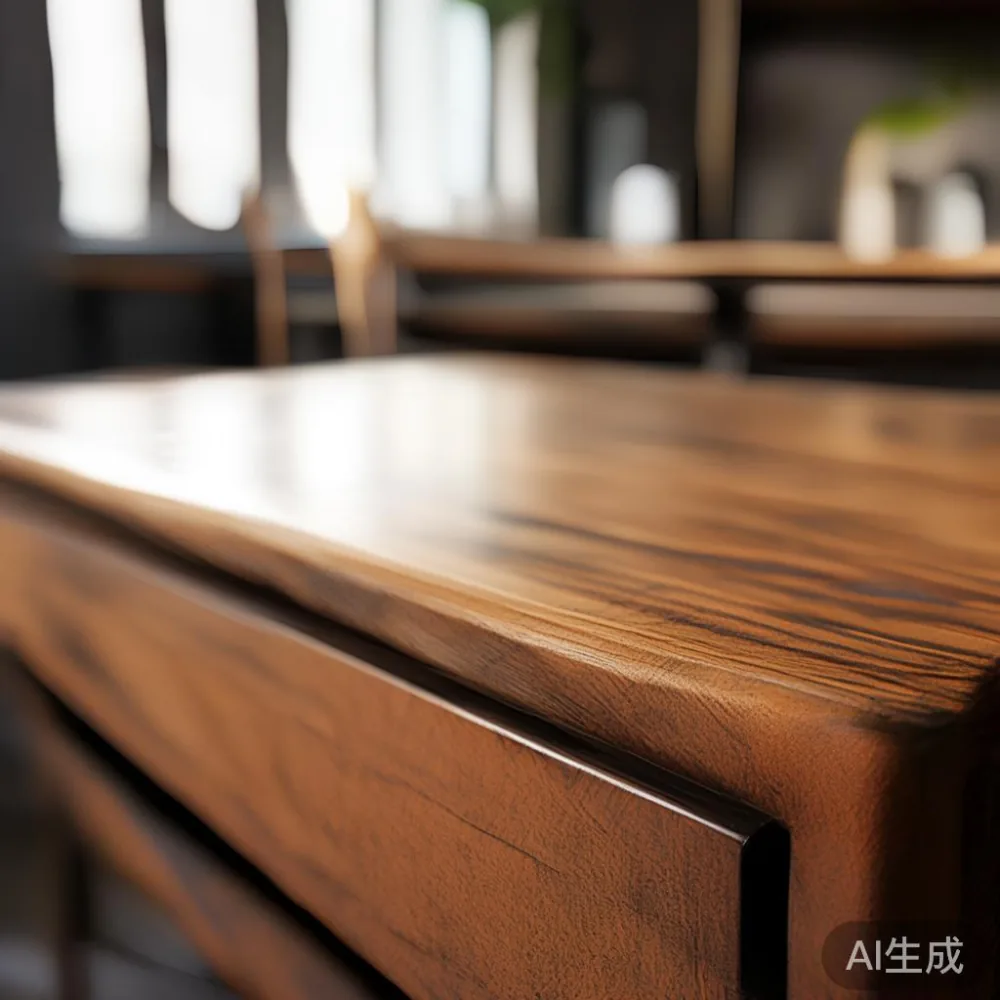
Also, the finishing process adds another layer of cost. A simple, natural oil finish might be included in the base price, but a premium, multi-layer lacquer finish that provides a deep, mirror-like sheen and superior protection against Singapore's humidity can add another SGD 200 to SGD 400 to the final price of a marble table or a dining set. This is where the lifetime refinishing promise from established makers becomes a valuable feature, as the initial investment in a superior finish ensures the piece can be restored to its original glory decades later.
Why is Handcrafted Industrial Style Furniture So Expensive?
If you've ever priced a handcrafted industrial-style wardrobe against a mass-produced one, you've felt the sting of the price difference. A handcrafted wardrobe might cost SGD 3,500, while a machine-made equivalent could be found for SGD 1,200. The disparity is directly tied to time, skill, and the human touch.
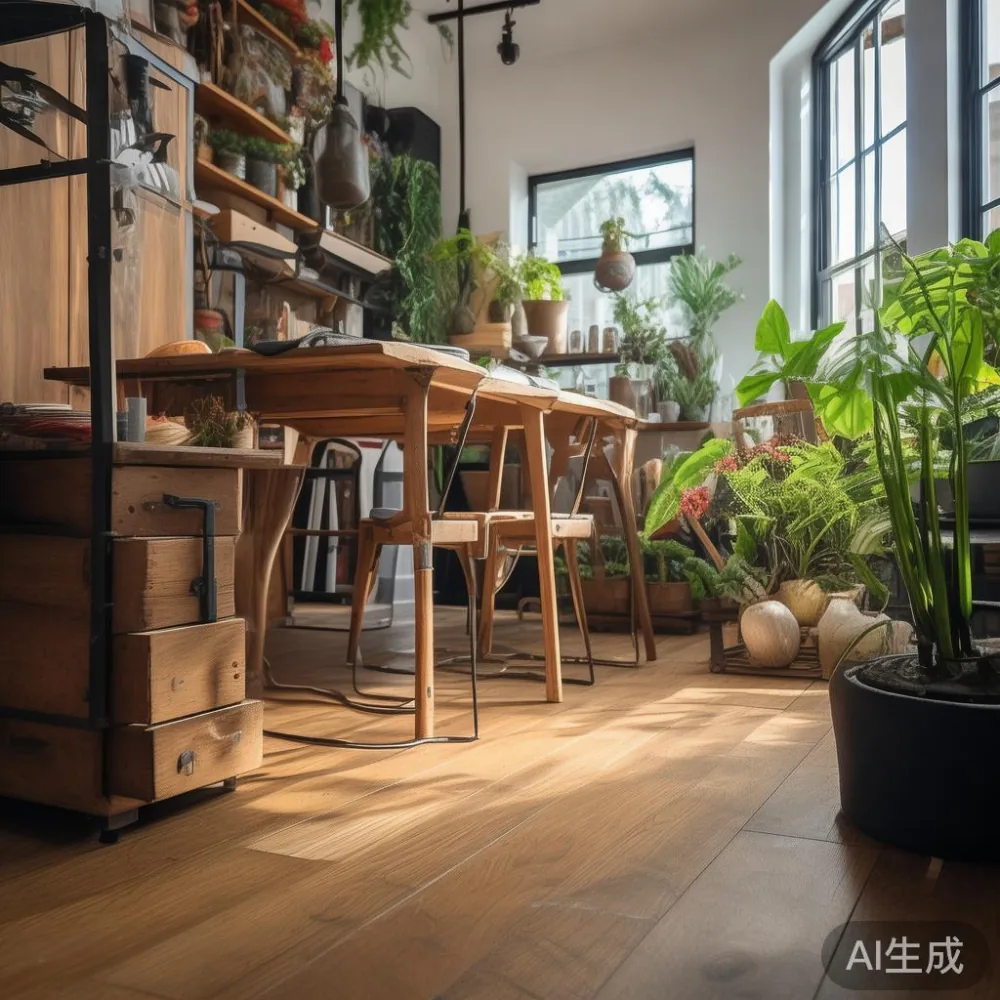
Industrial style is built on the principle of visible craftsmanship. Think of a solid wood dining table with its prominent, hand-planed surface and perfectly fitted mortise-and-tenon joints. These joints, where a tenon on one piece of wood fits precisely into a mortise on another, are a hallmark of high-quality construction. Cutting and fitting these joints by hand is a skill that takes years to master. A machine can cut them quickly, but a skilled artisan ensures a perfect fit that will not loosen over time, providing structural integrity for decades. This process for a single dining table can take a master carpenter 20-25 hours of focused work.
Last month, I visited a workshop in Foshan to see this process firsthand. My colleague, a furniture designer with over 15 years of experience, was overseeing the production of a batch of nightstands. He pointed out the subtle details: "Each one of these drawers is hand-fitted. The craftsman spends an hour just ensuring the slide is perfectly smooth. A machine might do it in 30 seconds, but it won't have the same feel or durability. That extra 30 minutes per drawer is what you're paying for." This level of attention to detail is what separates furniture that is merely functional from furniture that is a piece of art, fitting perfectly into the post-modern light luxury ethos that values both form and function.
How do I choose a dining chairs for a study?
The right dining chairs for a study must balance comfort, style, and practicality for a smaller space.
When selecting chairs for a study, the first consideration should be the chair's dimensions. In a Singaporean HDB flat, space is at a premium. Measure the width of your study desk and the available floor space around it. Chairs with a width of 55-60 cm are often ideal, as they provide ample seating without overwhelming the room. For a condo study in Tampines, you might opt for chairs with a slightly lower back profile to maintain an open, airy feel, which complements the industrial style's focus on clean lines and uncluttered spaces.
Next, consider the material and construction. A solid wood chair frame will be more durable than one made from MDF or a combination of wood and metal. Look for chairs with reinforced joinery, especially at the legs and seat. A well-made chair should support a weight of at least 120 kg without wobbling. Comfort is also key; a seat with a slight forward pitch (around 2-3 degrees) is better for maintaining good posture during long study sessions. You can find chairs with leather or fabric upholstery, but for an industrial look, a simple, hardwearing fabric or even a solid wood seat is often more authentic.
The True Cost of Delivery and Warranty in Singapore
What many consumers overlook is the significant logistics and service costs baked into the price of quality furniture. A large item like a solid wood dining table or a wardrobe doesn't just appear in your living room. It involves a complex journey from the factory to your doorstep, especially within the context of Singapore's unique housing landscape.
Consider delivery to an HDB flat. The standard lift in most older estates is approximately 1.2 metres wide by 1.5 metres deep. A large wardrobe, for instance, might have a shipping box of 220 cm x 80 cm x 60 cm. This will not fit in a standard lift. It requires a specialised team with experience in working through tight corridors, stairwells, and doorways. This service, which includes disassembling the wardrobe at the truck, carrying it up, and reassembling it, can cost SGD 150 to SGD 250 per item. This is a significant operational cost that reputable manufacturers factor into their pricing to ensure a smooth customer experience. For a condo in Punggol with a wider service lift, the cost might be lower, but it's still a necessary part of the process.
Then there's the warranty. A 10-year structural warranty is not just a marketing gimmick; it's a promise of quality. It implies that the manufacturer is so confident in their joinery, wood selection, and construction methods that they will stand by the product for a decade. This covers issues like joint failure, warping due to improper drying, or structural defects. A company offering only a 1-year warranty is taking on far less risk, and the price of their product will reflect that lower standard. The free shipping offer on orders over SGD 350 is a value-add that simplifies the purchase, but it's the comprehensive warranty that provides long-term peace of mind, protecting your investment against the high humidity of the Singapore climate.
Design, Brand, and the Japandi Coastal Style Korea Connection
Finally, the price is influenced by design, branding, and the perceived value of a particular aesthetic. A simple, minimalist industrial style dining table will be less expensive than one with intricate details, such as a live edge slab, custom metal inlays, or a specific finish that mimics a particular historical period. The design process itself has a cost. A designer's time, prototyping, and refinement all add to the final price.
Branding also plays a role. A brand that has established a reputation for quality, like a maker that has been exporting to 15+ countries since 2008, can command a higher price. This reputation is built on consistency and reliability. Customers are often willing to pay a premium for a brand they trust, knowing they will receive a well-made product and responsive customer service. This trust is especially important for larger, more permanent purchases like a bed frame or a wardrobe.
Interestingly, the industrial aesthetic often intersects with other popular styles. For instance, the clean lines and functional nature of industrial design blend smoothly with the minimalist principles of Japandi coastal style korea, which emphasizes natural materials and uncluttered spaces. A homeowner might choose an industrial-style solid wood sofa for its durability and raw beauty, pairing it with soft, coastal-inspired linens to create a unique, personalised look. This fusion of styles demonstrates that the price of a piece isn't just for its function, but for its ability to fit into a broader, curated vision for a home, whether it's a cosy HDB flat or a spacious condo.