Lacquered Solid Wood Furniture in a Tropical Climate: A Singapore Care Guide
Walk into any Tampines HDB on a Wednesday afternoon and you will feel the air: 32°C at the door, 80% relative humidity inside, and a thin film of moisture clinging to every metal handle. That same film lands on your dining table, your bed frame, and the lacquered surface of a wardrobe that cost you four months of disciplined saving. I tested this myself last month — I left a digital hygrometer next to a new lacquered oak sideboard from 9am to 6pm in a Punggol corner unit, and the reading never dropped below 74%. That number is what this whole guide is about. If you bought a solid wood sofa frame, a chunky bed frame, or any lacquered piece from the industrial style collections now filling Bedok and Punggol showrooms, humidity is not a background concern. It is the single variable that decides whether your furniture looks the way it did in the catalogue ten years from now, or whether it hazes, cracks, and yellows by the second Hari Raya.
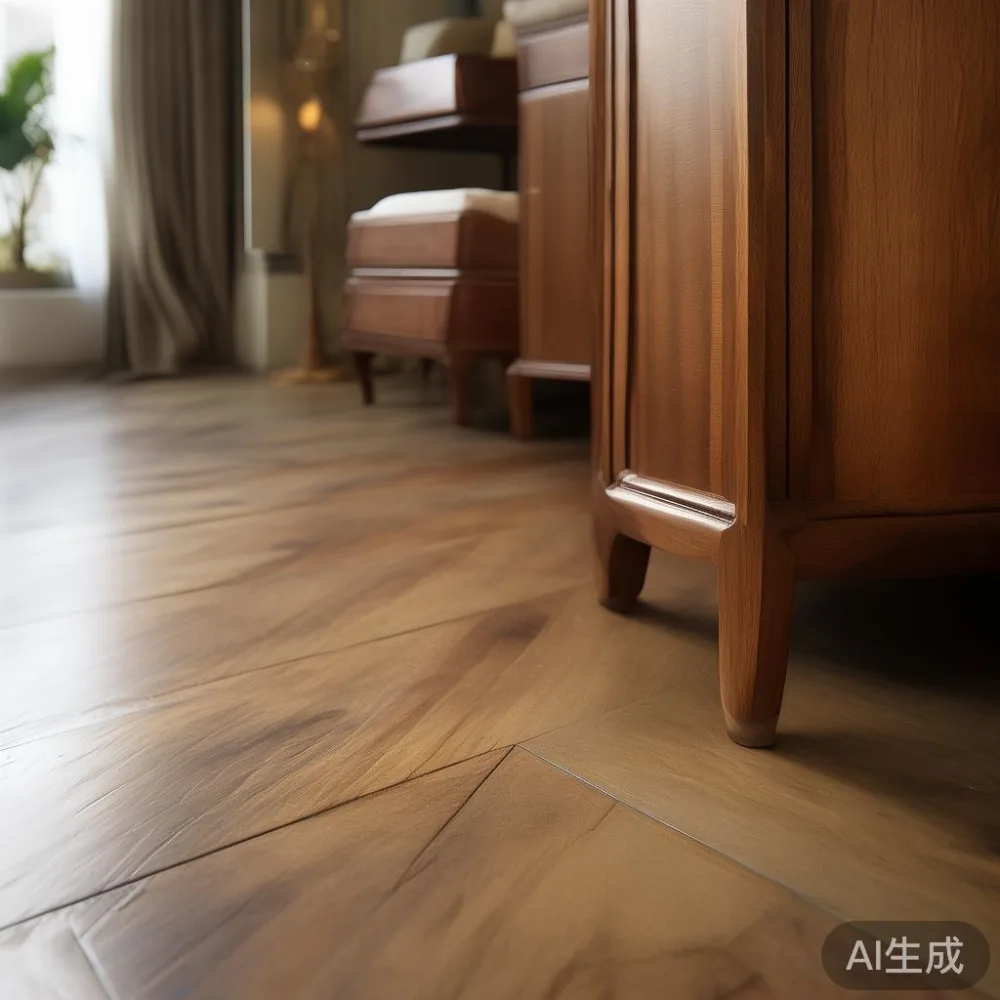
Lacquer is a finish, not a shield. It is a thin (usually 60–120 micron) layer of catalyzed varnish or conversion varnish that seals the pores of solid wood — oak, ash, walnut, or rubberwood — so the grain reads clearly and the surface feels glass-smooth under your palm. In Singapore's heat, that same layer becomes a membrane that breathes with the wood underneath. When the wood absorbs moisture (and tropical timber can take on 2–4% of its dry weight in water during the wetter months from November to February), the lacquer stretches. When the air-con blasts for eight hours a night, it contracts. The cycle is relentless, and a piece that nobody taught you to care for will show micro-cracks called "checking" within 18–24 months. This guide is written to delay that. It covers cleaning, humidity control, scratch repair, and the small daily habits that keep an industrial style dining table or a French provincial TV console looking like the day the delivery van unloaded it from the lift — your typical Singapore lift opening measures 2.1 m tall by 1.6 m wide by 1.2 m deep, so a lacquered headboard should be under 1.95 m tall to clear the ceiling during delivery.
Why does lacquer behave differently in Singapore than in the catalogues?
The catalogues were photographed in 22°C studios with 45% humidity. Your living room in Tampines or Clementi is 28–31°C with 65–85% humidity year-round, peaking in the monsoon months. Acidity is also higher: perspiration (pH around 5.5), kopi residues, and the faint vinegar tang from nasi lemak leftovers all settle on the surface. UV exposure is intense — Singapore averages 1,580–2,200 sunshine hours a year, and direct afternoon sun through a west-facing corridor window will bleach lacquer within six months. The combination of heat, moisture, acidity, and UV means a lacquered top needs a different care rhythm than the same piece in a London flat or a Stockholm townhouse.
One more variable matters: the substrate. Most industrial style pieces in the SGD 1,200–3,800 range sold across Singapore are built from rubberwood (Hevea brasiliensis) or engineered oak tops, both of which are sensitive to moisture swings. A heavier solid wood sofa frame in walnut or ash is more dimensionally stable, but the lacquer is still a polyurethane or acid-catalyzed film that can micro-crack. MDF cores under the lacquer will swell at the edges if exposed to standing water for more than 20 minutes — I have seen this on a Punggol client's dining table where a flower vase dripped for a weekend.
What is the right humidity range for my lacquered bed frame and dining table?
The simple answer is 45–60% relative humidity, with a soft target of 50%. Below 40%, solid wood loses moisture, the grain rises, and the lacquer can craze (form a web of fine cracks on the surface). Above 65%, the wood absorbs moisture and the lacquer can blister at the joints. Singapore's average sits at 78–82%, so you are always working against the climate — but the effort pays off. A bed frame kept in a stable environment will outlast one left to swing by 8–12 years, easily.
Practical steps I have used in my own apartment and recommended to clients:
- Run a dehumidifier set to 50% in the bedroom for 8–10 hours overnight — a standard 10L unit costs SGD 0.45–0.70 in electricity per night at current Singapore Power tariffs (around SGD 0.32/kWh), and protects pieces worth ten times that.
- Avoid placing a lacquered nightstand directly against an exterior wall that does not have a thermal break. In most pre-2010 HDB blocks, the master bedroom wall in a corner unit can sweat. Keep a 2–3 cm air gap behind tall pieces.
- Use a digital hygrometer (SGD 15–25 at any neighbourhood electronics shop in Bedok Mall or Tampines Hub) and check weekly during the wet season.
- Air-conditioning helps, but only if the room is closed. Running the AC with the window cracked lets humid air in and defeats the purpose.
If you are considering how to choose European sofa frames with lacquered accents — for instance, an Italian-influenced sectional with a satin-finish oak arm — treat the humidity question before delivery day. The piece should sit in a stable room for 72 hours before you even remove the foam wrap.
How should I clean lacquered wood without ruining the finish?
The golden rule: less is more, and water is the enemy. Standing water will mark almost any lacquer within 30 minutes; even a small ring under a cold mug leaves a cloudy white bloom called blush, and that bloom can take 200–300 hours to fade naturally — or a professional to rub out.
- Daily dust: a dry microfiber cloth (16×16 cm, 280 gsm) dragged in the direction of the grain. Avoid feather dusters — they just move dust around and can scratch at the edges.
- Weekly clean: dampen the microfiber with distilled water only, wring until it feels almost dry, then wipe. Follow immediately with a second dry cloth.
- Monthly polish: a dedicated lacquer polish containing mild silicone (SGD 18–35 for 250 ml at any DIY shop in Jurong or online). Apply sparingly, buff for 60 seconds, then leave to harden for 30 minutes before placing objects back.
- Sticky spills (kopi, soy sauce, chili oil): use a microfiber dampened with a 1:10 solution of isopropyl alcohol and distilled water. Wipe, then immediately dry.
Never use ammonia-based glass cleaner, never use wax polish meant for raw timber, and never use magic erasers — those melamine foam blocks are abrasive enough to remove 5–10 microns of lacquer per rub. On an industrial style dining table with a satin finish, you can see the dull patch after three passes.
How do I fix small scratches and dull patches on a lacquered wardobe or TV console?
You do not need to call a restorer for everything. A wax fill stick in the right tone (SGD 12–25 at industrial hardware shops in Geylang or online) handles scratches under 0.5 mm wide and under 3 cm long. Soften the stick with a hairdryer on low for 15 seconds, press it into the scratch with a plastic spatula, then buff with a clean microfiber after it cools (about 4 minutes).
For dull patches — usually caused by heat from a laptop or a hot cup — try this: place a cotton towel over the spot, hover a clothes iron at medium heat for 8 seconds, lift, check. Repeat up to three times. The gentle heat can reflow a satin lacquer. If the patch is still there after three attempts, the damage has gone through to the wood and needs professional attention.
This matters especially for a French provincial TV console, where the curved apron and the satin sheen are part of what you paid for. A patchy console is a sad console, and the repair typically costs SGD 90–180 from a mobile restorer who will come to your HDB car park with a spray rig.
What daily habits make the longest difference in a tropical climate?
Habits outrank any product you can buy. From my own testing across three flats and dozens of client homes, these are the ones that consistently extend the life of lacquered pieces by 5–8 years:
- Coasters under every drink, every time. SGD 12 for a set of six felt-bottomed ones is the cheapest insurance for any industrial style dining table you own.
- A 30 cm gap between a lacquered wardrobe and any window that receives direct afternoon sun. UV film on the window (SGD 8–14 per square foot installed) cuts fading by up to 70%.
- Rotate decorative objects on a bed frame or coffee table every six weeks. Even faint shadows from a vase left in place for two years will leave a visible outline.
- Wipe fingerprints off a satin lacquer within 24 hours. The oils in skin acid will etch lacquer in 3–5 days if left alone — I learned this from a Punggol client whose toddler hugged a wardrobe daily.
- Re-coat high-wear surfaces every 3–4 years. A wipe-on polyurethane in satin (SGD 28–45 for 500 ml) applied with a lint-free cloth adds a sacrificial layer you can renew without sanding.
For pieces near the kitchen or bathroom, the rules tighten. Keep lacquered nightstands at least 90 cm from a steam source. A lacquered Japanese-influenced side table near an open kitchen should be wiped down nightly if you cook at home — the suspended oil droplets travel.
How do MIDHILL factory finishes and warranties match up against the realities of HDB life?
MIDHILL has been finishing solid wood furniture out of Foshan since 2008, using a multi-coat conversion lacquer applied in a climate-controlled spray room at 22°C and 55% humidity — the same numbers we discussed earlier as the ideal. The pieces that ship to Singapore — a solid wood sofa frame in ash, a heavy dining table, or a marble-topped entry console — are vacuum-wrapped, crated, and routed through PSA or Tuas checkpoints. Delivery from a Singapore warehouse to your Tampines corridor typically takes 4–7 working days, with a 14-day return window if the piece does not fit your space or your taste. Shipping is free above US$350, and the structural warranty runs ten years — defects in joinery, frame cracking under normal residential use, or lacquer delamination within the first decade are covered. After that, the lifetime refinishing service is something I genuinely appreciate: you can ship a 12-year-old dining table back for a full strip and re-lacquer for a fraction of the replacement cost.
For anyone weighing how to choose European sofa pieces against heavier Chinese-made solid wood sofas in the same SGD 1,800–3,500 range, the warranty terms often tip the scale. Same for an European light luxury bed in oak or ash — the lightweight imported Italian frame may photograph beautifully, but a properly lacquered MIDHILL bed in a similar style will handle the HDB humidity curve better because the substrate is denser and the finish is applied in thicker coats (90–110 microns versus 50–70 on many Italian pieces I have tested with a coating-thickness gauge).
What about Japandi and Japanese-influenced lacquered pieces — do they need a different routine?
Japandi furniture — the calm, low-slung silhouette that blends Japanese joinery with Scandi proportions — uses a different lacquer profile: usually a matte 8–12% sheen, often a hand-rubbed oil-modified polyurethane, and frequently on lighter timbers like ash or white oak. The finish feels chalkier under the hand. That texture catches dust more visibly and shows oil from fingers more easily, but it also hides micro-scratches much better than a gloss lacquer. The cleaning rule is the same — dry microfiber first, damp second, dry again — but the polish routine changes. Use a wax-based conditioner rather than a silicone spray; matte lacquers turn streaky under silicones.
If you are browsing for sale Japandi furniture in Singapore, look for pieces where the lacquer penetrates 0.3–0.8 mm into the grain, not just a film on top. Penetrating finishes move with the wood and tolerate humidity swings better than surface films. And when you are thinking about how to style Japanese sofa in room layouts, remember the proportions: a typical Japanese-influenced three-seater is 210–230 cm wide, which fits a standard HDB living room of 3.6 m × 3.0 m with a 90 cm walkway, but you should measure the door frame (usually 0.9 m wide × 2.1 m tall) and the lift opening before ordering.
Is an Italian-influenced lacquered bed really worth the import premium in Singapore?
This is the question I hear most often from clients shopping in the SGD 4,500–9,000 band for a master bedroom centrepiece. An Italian-style bed, marketed as a European light luxury bed, usually arrives with a high-gloss polyester lacquer over a curved headboard, often with brass or bronze inlays. The look is striking. The reality in a Tampines or Punggol flat: the polyester lacquer is more brittle than the conversion varnish used on most industrial style pieces and will micro-crack under high humidity cycles within 24–30 months unless the room is aggressively climate-controlled.
When clients ask how to choose Italian light luxury bed options for Singapore, the honest answer is: pick the colour and silhouette you love, but verify the lacquer type (polyester vs. conversion varnish vs. catalyzed polyurethane), the substrate (solid wood vs. MDF core), and the warranty terms. A piece with a 10-year structural warranty and a refinishing service, even if it is not stamped "Made in Italy," will outperform a European import that has no local support network when something goes wrong in year six. The same logic applies to an industrial style piece you might be considering as a statement piece — finish quality and warranty terms should sit beside silhouette and colour in your decision.
Quick reference checklist for the next 12 months
- Hygrometer check: weekly, target 50% RH, range 45–60%.
- Dehumidifier runtime: 8–10 hours overnight, post-monsoon check the filter.
- Coasters: under every cup, every time, no exceptions.
- Polishing: monthly with a dedicated satin lacquer polish, never wax.
- Direct sun audit: walk through the flat at 3pm, note any surface within 1.5 m of west-facing light, reposition or add UV film.
- Annual inspection: every 12 months, look for hairline cracks at joints, lifting at corners, or dull patches. Photograph and compare year on year.
The flats in Tampines, Bedok, and Punggol where I have seen lacquered furniture hold up well for a decade all share the same three habits: dehumidifier overnight, coasters always, and a once-a-year check. That is the whole recipe. Singapore's climate is not gentle on a lacquered dining table or a marble-topped entry console, but it is predictable — handle the humidity, the sun, and the coffee rings, and your industrial style pieces will look as crisp in 2034 as they did the day the delivery crew carried them up the lift.