How Southeast Asian Humidity Affects Solid Wood Furniture in Singapore Homes
Singapore’s tropical climate makes solid wood furniture beautiful but demanding. In a typical Tampines HDB flat, a dining table may sit in a room that feels comfortable at 27°C and 65% relative humidity in the evening, then becomes damp and warm around 29°C and 80% relative humidity after rainfall. Those changes affect timber movement, joints, finishes and the everyday comfort of furniture. For residents in Bedok, Punggol and private condominiums, choosing industrial style furniture means choosing construction details that tolerate humidity rather than simply matching a dark metal-and-wood aesthetic.
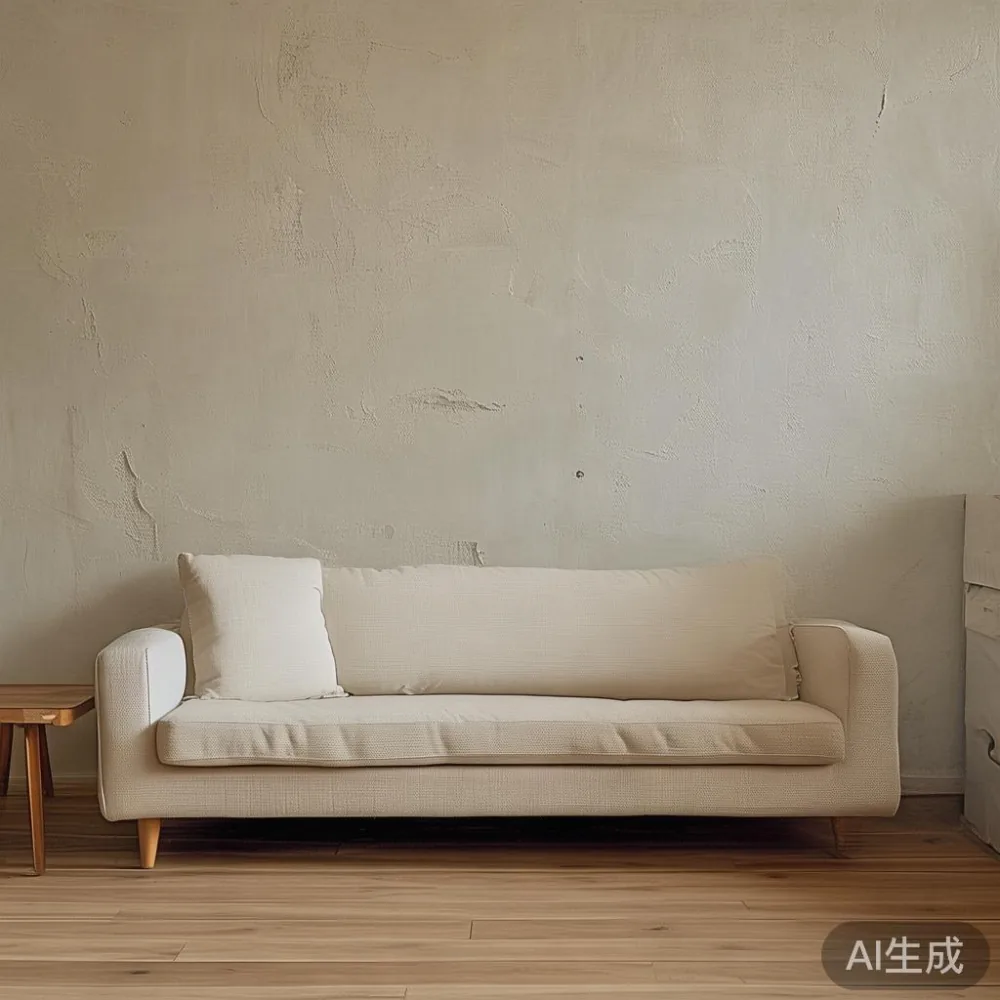
This guide explains how moisture affects common furniture pieces, how to measure conditions at home, and what to ask before ordering a solid wood sofa, bed frame, dining table, wardrobe, nightstand or marble table. It also considers delivery access in Singapore, including lift doors, corridors and GST. MIDHILL has made solid wood furniture since 2008, and every order includes a 10-year structural warranty and lifetime refinishing. Shipping is free above US$350, while Singapore orders follow the quoted delivery schedule rather than an automatic overseas lead time.
Why does humidity change solid wood furniture?
Wood is hygroscopic: it absorbs atmospheric moisture when the air is humid and releases it when the air is drier. Movement follows the grain, not simply the length or width of a panel. A solid oak dining table with a 180 cm top may expand by several millimetres as moisture levels change. That amount is small, but a rigid frame, oversized fasteners or tightly sealed panels can turn normal seasonal movement into sticking drawers, bowed doors or a squeaking bed frame.
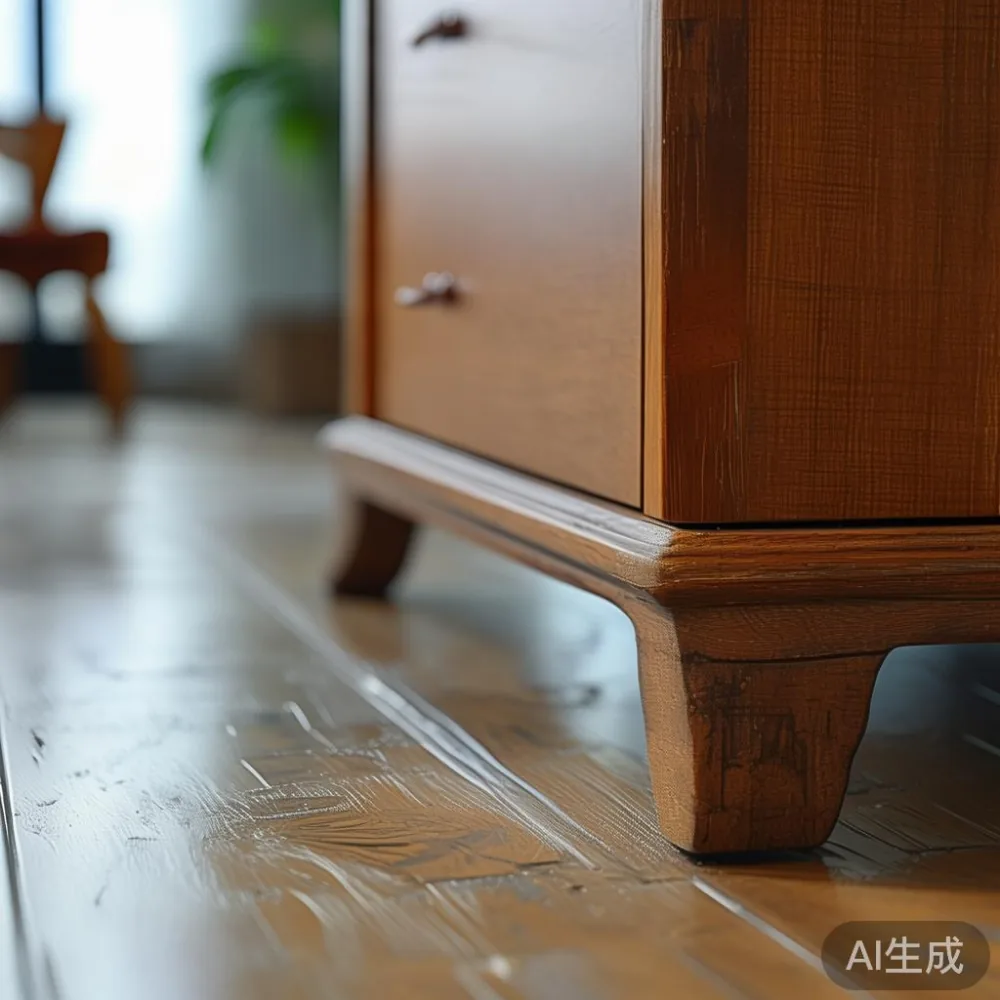
Singapore has no simple hot-and-cold season. A dry north-east wind can lower indoor humidity in a Punggol flat, while monsoon humidity and rain can raise it quickly. Air-conditioning also creates a sharp contrast: one side of a room may be near 50% relative humidity while a window-side wall reaches 75%. Frequent cycling matters more to long-term finish quality than one isolated humid day.
Solid wood generally tolerates this variation better than thin veneer on particle board, provided that it is kiln-dried responsibly, built to move and finished on all relevant faces. The metal elements in industrial style designs deserve equal attention. Powder-coated steel resists moisture, but untreated weld zones, screw recesses and steel plates trapped against timber can collect condensation. A frame with good drainage, sealed contact points and access for inspection is more practical than a heavier assembly with inaccessible joints.
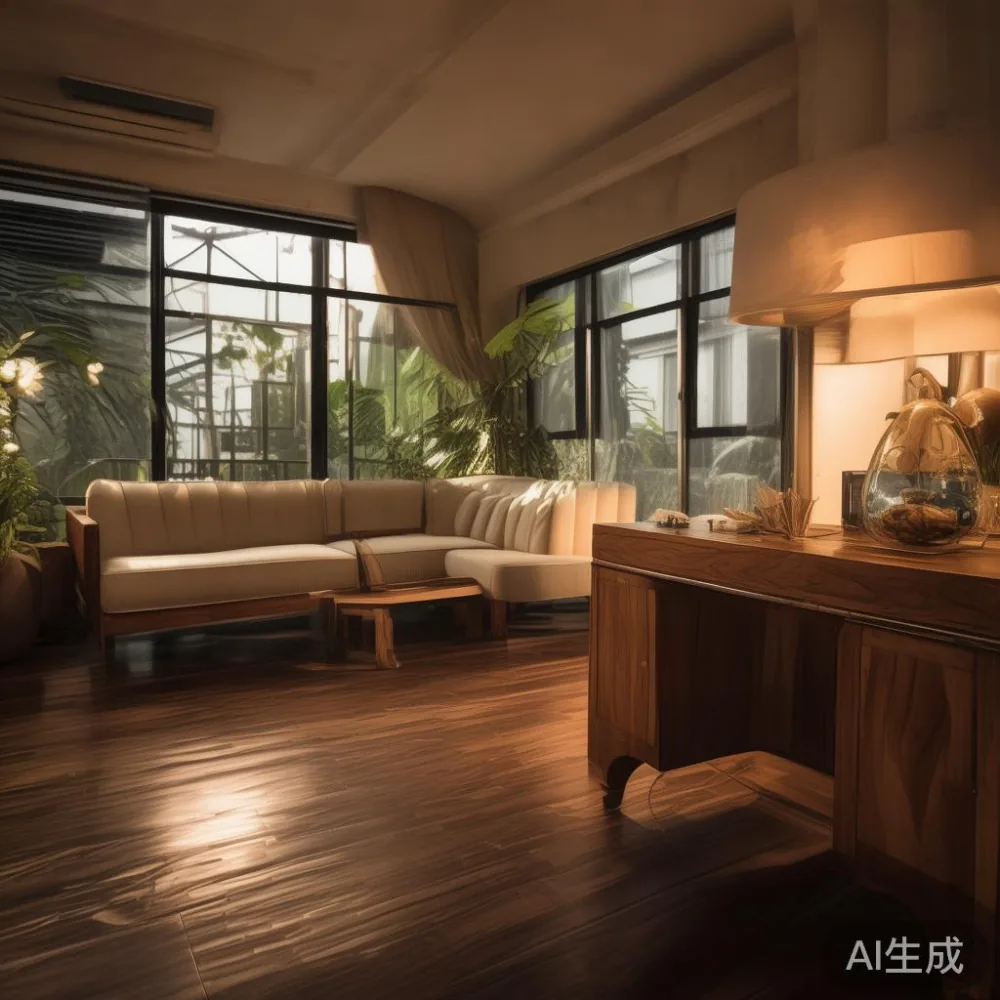
What humidity level should Singapore homes maintain?
A practical indoor target is around 45% to 65% relative humidity at 24°C to 28°C. Short periods outside that band are not a reason to discard furniture, but persistent readings above 70% call for better ventilation and closer inspection. Readings below 40% can produce shrinkage and dry joint lines, especially in air-conditioned bedrooms where a dehumidifier rarely runs.
Place a hygrometer on an interior wall rather than beside a bathroom, kitchen or air-conditioning vent. Check it at 8 a.m., 3 p.m. and 10 p.m. for 7 days. If the evening reading stays above 70%, inspect wardrobe gaps, the underside of a bed frame and the back of a solid wood sofa. If condensation appears on a window or marble surface, improve airflow and move the furniture at least 15 cm away from the wall.
Last month I visited a family home in Tampines and measured a reading of 78% beside a south-facing window at 9 p.m. A colleague placed a simple hygrometer beside the sofa and another near the air-conditioned corridor. The readings differed by 19 percentage points within 4 m. That gap explained why one wardrobe door closed cleanly while a drawer in the dining table felt tight. The solution was not a stronger finish; it was air circulation, a 3 cm relocation from the wall and a more stable location for the table.
How does humidity affect a dining table and other daily-use pieces?
A dining table receives moisture from meals, mopping and open windows. Wipe spills promptly, use coasters and felt pads, and avoid leaving a damp cloth overnight on the surface. In humid weather, keep the table clear of a long-running air-conditioner vent. Legs and joints need room to move, and a solid wood dining table should not be screwed so tightly that seasonal expansion is prevented.
A solid wood sofa can develop minor surface condensation if it sits directly against a cold condensation wall in a Bedok condominium. Leave 5 cm to 8 cm of ventilation space and check the underside after heavy rain. Cushion covers should be removable and washable; dense foam can retain moisture if the timber base remains wet.
A marble table needs attention too. Marble does not warp like timber, but moisture can affect the sealer, adhesives and supporting substrate. Use a stable base, wipe water away promptly and avoid acidic liquids. For a 120 cm marble table, inspect the joints every 6 months. A simple professional check can cost from SGD 80 to SGD 180, depending on the service scope, while replacing a failed support component may cost considerably more.
For a coordinated room, French light luxury styling pairs pale upholstery with restrained brass details, while American light luxury uses darker timber and broader proportions. Comparing a French sofa vs Nordic sofa is useful for humid flats: a tightly woven, removable cover may be easier to dry than a loose boucle or linen surface. Keep either sofa at least 30 cm from an exterior wall when condensation is frequent.
Can humidity damage a bed frame or nightstand?
Bed frames need stable support because movement at the rail or tenon joint can affect noise and alignment. Check that all bolts remain snug without crushing the wood, and examine the slat spacing after the first 30 days. For a 160 cm bed frame, spacing of roughly 5 cm to 8 cm supports common mattress sizes, but the manufacturer’s loading guidance should take priority.
Do not place bedding against a cold wall or directly on a damp floor. In a ground-floor Bedok HDB home, raise storage boxes by at least 10 cm and leave air gaps around them. A nightstand should have sealed underside panels and raised legs if children or frequent mopping are concerns. The top should not be used as a drying surface, because trapped moisture can enter end-grain joints.
For shoppers comparing designs, European light luxury bed vs Mid-century modern bed often comes down to visual finish rather than moisture performance. The practical question is whether the bed uses solid timber rails, accessible fixings and a finish applied to the underside. Post-modern for small living room layouts can introduce slimmer silhouettes, but a narrow bed with poor clearance may still trap humidity against the wall.
Why do wardrobes need extra attention in Singapore?
Wardrobes combine large timber panels, moving doors and enclosed cavities. In Singapore, the back panel may face a humid corridor while the interior benefits from air-conditioning. That split can cause a door to bind near the top or edge. If you are working out how to choose Japanese wardrobe for a compact HDB bedroom, consider the carcass construction, ventilation, hardware and adjustment range rather than only the sliding mechanism.
A sliding door reduces the clearance required in a narrow corridor, but it can conceal moisture trapped near the rear panel. A hinged wardrobe should have adjustable hinges, and premium or imported hinges may add SGD 90 to SGD 320 per pair. Solid timber back panels of 12 mm to 18 mm offer greater stability than very thin flexible sheets. Maintain 2 cm to 3 cm of wall clearance where possible and open the wardrobe for 15 to 30 minutes after showering.
For a more decorative direction, searching for the best French provincial wardrobe for 2026 can prioritise removable trim, replaceable hardware and a finish that can be maintained. However, ornate moulding needs more frequent dust and moisture checks than a flat-front panel. Inspect the top corners, where condensation often lingers. If mould appears, identify the water source before treating the surface; repainting over damp timber merely seals moisture inside.
Is industrial style furniture suitable for humid apartment living?
Yes, when its construction accounts for moisture movement. Industrial style commonly combines solid timber with black steel, open shelving and visible fixings. Those exposed elements can make maintenance straightforward: owners can wipe steel surfaces, inspect screws and reach the back of panels. Dark finishes also show fingerprints and pale mineral spotting, so a clean microfibre cloth is useful.
Modern light luxury for apartment living fits particularly well in Singapore because restrained timber tones and metal details can make a 90 sqm HDB flat feel ordered without filling it with oversized furniture. The phrase Modern light luxury for apartment should guide scale, not encourage crowded rooms. A 150 cm dining table, 120 cm solid wood sofa and 45 cm nightstand can define separate zones in an open-plan living and dining area.
Watch the contact points. Steel brackets should be sealed where they meet wood, and feet should not sit in a tray that traps water. Shelves should be fixed to suitable masonry or structural supports, not decorative plasterboard. For a 180 cm wide wardrobe in a HDB corridor, check whether the lift door is at least 70 cm wide and the turn at the landing allows the packaged carton to pivot. A 180 cm wardrobe may weigh 75 kg to 120 kg, so it often needs 2 delivery workers and a 14-day booked installation window.
How can buyers check dimensions before delivery?
Measure the furniture and the route, not only the room. A sofa that fits in an HDB living room may fail at the stairwell. Record the narrowest lift door, internal lift dimensions, corridor width and turning radius. Common lift doors measure about 80 cm to 90 cm, while some condominium service lifts are narrower or include a fixed obstruction. Ask the supplier for the packaged width, height and weight, then compare those numbers with your own measurements.
For a solid wood dining table requiring a 220 cm top, request an actual packed carton size rather than assuming the table will arrive unboxed. Check for at least 90 cm of clear turning space where possible. Keep 5 cm to 10 cm between the table edge and curtains, and do not block lift or corridor operation during delivery. Professional movers may charge SGD 120 to SGD 350 for a bulky item, depending on distance and stair access.
Singapore orders shown in local currency include GST. If a dining table is listed at SGD 2,480 before GST, the payable amount with 9% GST is SGD 2,703.20. Delivery and installation may be quoted separately, so request the complete amount. A clear quote should state the delivery window, access conditions, assembly requirements and return terms.
What should I do if a wooden joint starts to stick?
First identify the cause. If the humidity is above 70%, reduce it and allow the piece to acclimatise for 24 to 72 hours. Do not force a swollen drawer. Remove items, loosen the relevant fastener slightly and check whether the furniture is level. A dining table rocking on a 2 mm gap can place uneven pressure on its joints; use adjustable feet or shims rather than tightening every joint aggressively.
For a wardrobe door that catches at the top, adjust the hinge rather than planing the door immediately. Check the frame for square alignment and look for a swollen panel. If the door is visibly bowed across a 60 cm width, stop repeated adjustment and contact the maker. Minor movement should not split the timber.
Finish maintenance is simpler than repair. Clean with a lightly damp cloth, dry immediately and apply a suitable maintenance product at the intervals recommended for the finish. Avoid silicone-based sprays and household ammonia. Test any cleaner on a 10 cm square area first, then wait 24 hours before treating the full surface.
MIDHILL supports its furniture with a 10-year structural warranty, and lifetime refinishing makes finish renewal part of long-term ownership. Solid wood can be sanded and refinished when its surface becomes dull, while marble and metal components require their own care instructions. Singapore customers have 14 days to return an eligible unused item, subject to the stated return conditions, and qualifying orders over US$350 receive free shipping.
What routine keeps solid wood furniture stable?
Use a hygrometer, manage condensation and inspect moving parts twice a year. In high-rainfall months, check the rear of a wardrobe and the underside of a bed frame every 2 to 4 weeks. Keep sofas and dining tables away from persistent damp walls, and leave sufficient space for air to move. Wipe surfaces dry rather than allowing water to sit for more than 10 minutes.
Seasonal care is more effective than constant polishing. Vacuum upholstery and dust timber with a soft cloth. Keep leather or faux-leather away from direct heat, and rotate cushions every 2 weeks to reduce uneven moisture exposure. For an open-plan flat, run air conditioning or dehumidification consistently during humid evenings; changing the target by more than 15 percentage points in a single day is unnecessary.
Choose furniture with a stable construction, a moisture-aware finish and repairable components. In an industrial style home, visible screws, replaceable hardware and solid wood panels allow owners to maintain the look over 10 years or more. The aim is not to make wood behave like metal in Singapore’s humidity. It is to let the timber move safely, keep water away from joints and preserve the finish through careful, measured care.