Styling a Small HDB or Condo with Industrial Style Furniture — Without Crowding the Room
Last month I visited a 678 sqft three-room flat in Bedok with a client who had just inherited a dark walnut wardrobe and a blackened steel dining table from her grandfather's Tiong Bahru walk-up. She was convinced it would look out of place in her Tampines executive HDB. Six hours later, with one wall re-plastered, two bulbs swapped, and a 140 cm solid wood sofa repositioned against the exposed conduit, the same flat looked like a page out of a Brooklyn loft catalogue. The lesson: industrial style does not fight small Singapore apartments — it rewards them, because the look is built on honest materials, visible joints, and slim profiles rather than on bulk. This guide is the working sheet I now hand to every client who wants the aesthetic without sacrificing corridor clearance, lift access, or breathing room.
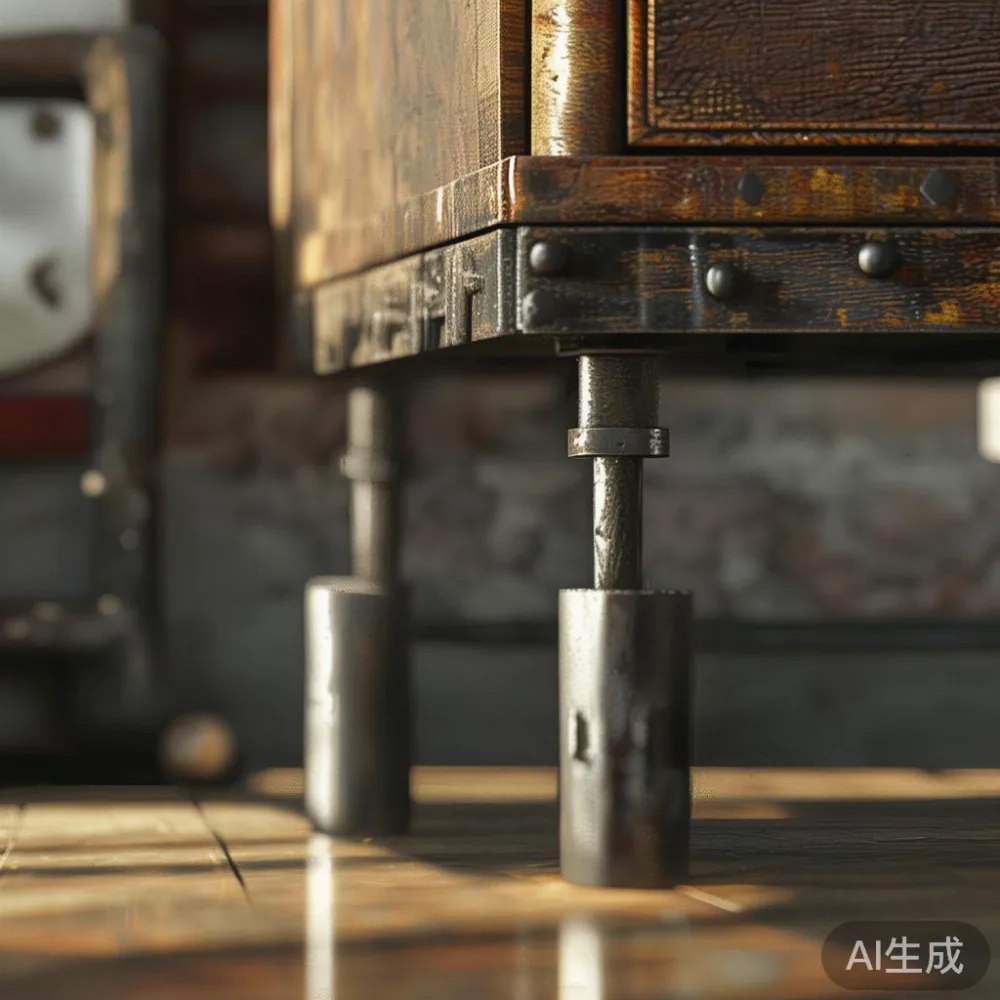
Why Industrial Style Works in a 600–800 sqft Singapore Flat
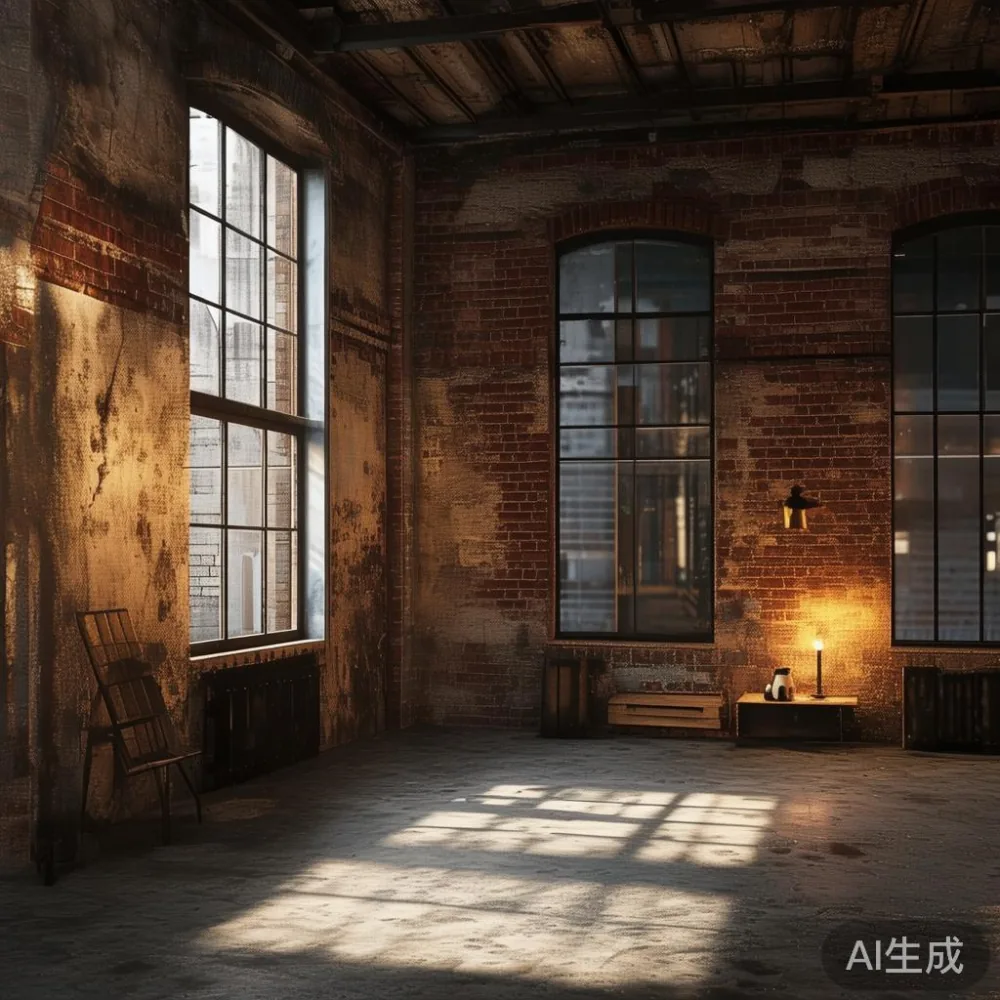
The fundamentals of industrial style — blackened metal, raw timber, exposed brick or cement screed, factory-style lighting — happen to align with what a compact HDB or condo needs to feel open. A 180 cm marble table in glossy cream will swallow a small living room; a 140 cm solid wood dining table with a 4 mm black-oxide steel base disappears into it. A bulky upholstered bed frame in chenille reads as a wall; a slim reclaimed-oak bed frame on hairpin legs reads as furniture. The eye is drawn through the negative space, not stopped by it.
Three numbers worth memorising before you order anything:
- Standard Singapore passenger lift door width: 80 cm (narrow) to 90 cm (typical). A solid wood sofa deeper than 95 cm will not tilt through.
- HDB corridor clearance: minimum 1.2 m for emergency egress, but visually 1.5 m reads as comfortable.
- Ceiling height in most post-2010 BTOs: 2.6 m. Anything taller than 80 cm from the floor will start to compress the room if it sits in the middle.
Industrial style is forgiving with these numbers because the silhouettes are lean to begin with. A 200 cm sideboard in mango wood with a tubular steel frame is a workable piece; a 200 cm sideboard in solid mahogany with carved legs is a problem.
What is the difference between French provincial master bed and modern furniture?
A French provincial master bed is a heavily carved hardwood bed frame with scrolled headboards, cabriole or turned legs, and curved silhouettes, finished in distressed cream, whitewash, or muted gold leaf, designed to anchor a romantic, ornate bedroom; modern industrial furniture, by contrast, uses straight lines, exposed joinery, and raw materials such as reclaimed oak, blackened steel, and cast iron, finished in matte wax or hand-rubbed oil, designed to anchor a utilitarian, light-filled room. The first wants drapery and plush carpet; the second wants concrete screed and Edison bulbs.
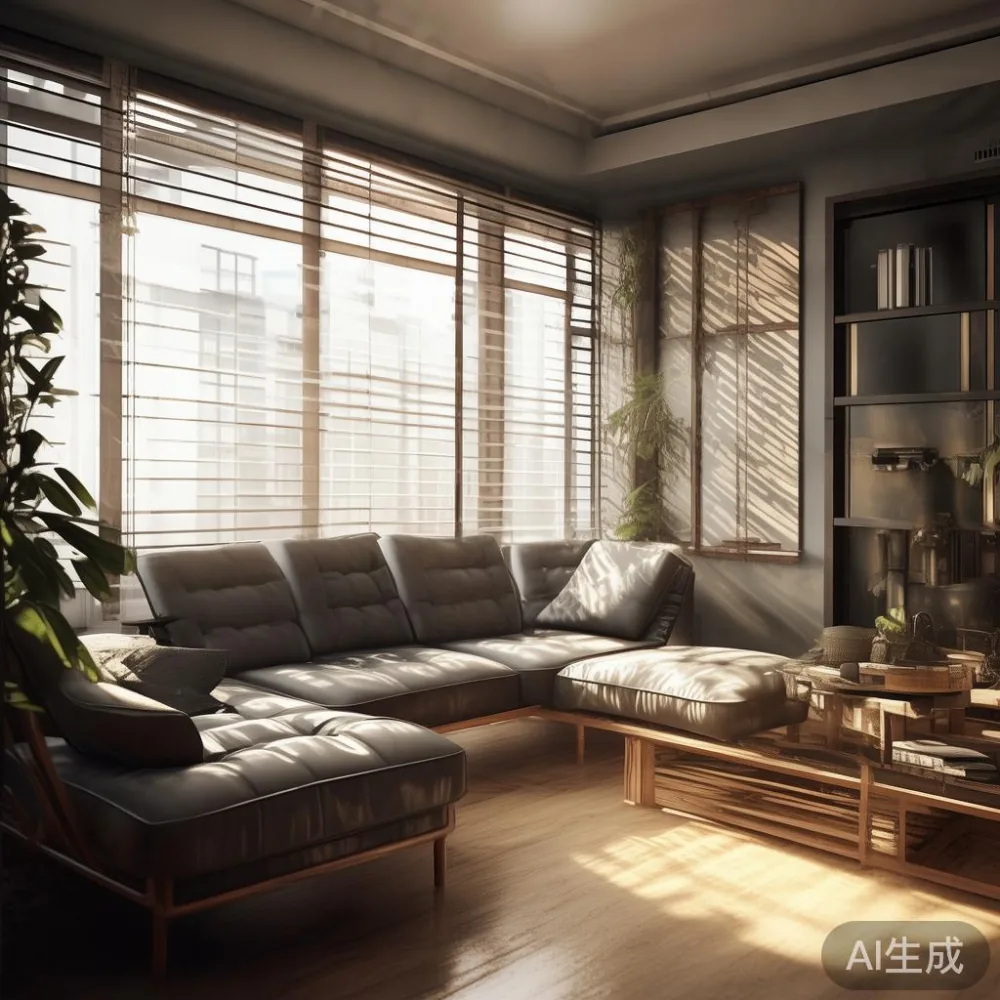
The reason this comparison matters in a Singapore context is footprint and visual weight. A French provincial master bed in king size is usually 198 cm long, 218 cm wide, and the headboard alone can rise to 140 cm, with a footboard that adds another 60 cm of visual bulk at the foot of the bed. A modern industrial king-size bed frame is typically 200 cm long, 180 cm wide, with an open slatted base and a headboard that tops out at 90 cm. In a master bedroom of 12 sqm — typical for a Punggol compact condo — the provincial version will claim nearly 40% of the floor and visually consume the rest; the industrial version leaves room for a 60 cm nightstand on each side and a 45 cm wide wardrobe gap for sliding doors to clear.
If you already own a provincial piece, do not force it. Move it to the master bedroom, paint the wall behind it a deep putty grey (Nippon 9057 or equivalent), and let the contrast carry the room. If you are buying new for a small flat, go industrial. The geometry simply behaves better in compact volumes.
The Six Pieces That Earn Their Space in an Industrial Small Flat
I keep a short list. Any piece not on the list has to justify itself in centimetres.
- A 140–160 cm solid wood sofa with a 75 cm rolled-edge arm and 8 cm blackened steel base. Seat height 42 cm, seat depth 58 cm. This is the workhorse — it holds the room, frames the conversation area, and survives lift delivery.
- A 90–120 cm solid wood dining table for two-to-four covers, with a 4 mm steel cross-base. Round tops work for 90 cm and below; rectangular tops above 100 cm. Leave 70 cm clearance on every side for a chair to pull back.
- A 180–200 cm wardrobe in solid acacia or rubberwood with sliding doors (not hinged), 60 cm depth maximum, 210 cm height. Sliding doors save the 60 cm swing arc a hinged door eats.
- A king or queen bed frame in reclaimed pine or oak on a 25 cm steel plinth, with an underbed clearance of 18–22 cm for slimline storage drawers. Headboard 80–90 cm.
- A 45–55 cm nightstand with one drawer and an open shelf below. Anything taller than 55 cm starts to fight the bed frame visually.
- One statement light — a factory pendant, a 40 cm dome, or a 1.2 m linear fixture over the dining table. No more.
Add an American country-side storage table in the right place — for the lounge, a 110 cm solid pine console with a lower shelf — and you have covered seating, dining, sleeping, and storage without crossing 5 m of combined furniture footprint. That is the target.
Concrete Numbers for Singapore Delivery, Warranty, and After-Sales
Buying solid wood from overseas once meant waiting 12 weeks and hoping the crate survived the lift. That has changed. My colleague in Punggol ordered a 180 cm solid acacia dining table from a Foshan maker in late February; it cleared Chinese export on the 18th, landed at Jurong Port on day 41, delivered to her 14th-storey unit on day 44, and the lift crew finished assembly in 35 minutes because every bolt had been pre-labelled. Total landed cost including 9% GST: SGD 1,612.
For a Singapore buyer sourcing solid wood industrial pieces from a Foshan factory, the realistic numbers in 2026 look like this:
- Sea freight from Foshan to Singapore: 18–28 days port-to-port, plus 5–7 days for last-mile delivery and lift booking.
- Air freight for small items such as a marble table or side table: 5–8 days door-to-door, roughly 3.2× the sea cost per kg. A 22 kg marble table at 35 mm thickness costs about SGD 18/kg air vs SGD 5.6/kg sea.
- GST on imports above SGD 400: 9% on the CIF value (cost + insurance + freight).
- Free shipping threshold at most reputable Foshan-to-Singapore sellers: US$350 (about SGD 470).
- Structural warranty on a solid wood sofa or bed frame: 10 years on the joinery, 3 years on moving parts such as drawer runners and soft-close hinges.
- Returns window: 14 days for unused pieces in original crate; refinishing service typically offered free for the first refinish, then chargeable per sqm of surface.
These are the figures I quote clients before they buy. If a supplier cannot match them, I ask why.
How to Lay Out a 678 sqft HDB Living Room Without Crowding It
Take the typical three-room HDB living-dining footprint of about 4.8 m × 3.2 m, with the corridor in mind and the service yard tucked to the back. The trick is to work in three zones of 1.6 m, not four zones of 1.2 m. Three generous zones feel calmer than four cramped ones.
Zone A — Seating. Place the 140 cm solid wood sofa against the longest wall, 15 cm clear of the wall so you can run a cable for a floor lamp behind it. Pair with a 90 cm square coffee table in reclaimed elm with a 6 mm blackened steel tray base. Leave 90 cm of walking lane between the coffee table and the opposite wall.
Zone B — Dining. Anchor the dining table near the kitchen access, ideally 120 cm round for two-to-four covers. Hang a single 70 cm factory pendant 75 cm above the tabletop. Keep one side of the table free of chairs so the kitchen flow is unbroken.
Zone C — Console and storage. Run a 110 cm solid pine console along the return wall, 30 cm deep, with a 45 cm marble table as a lamp-and-tray surface behind the sofa. This is the spot for keys, mail, and the daily-drop zone that every HDB needs.
Total furniture footprint in this layout: 5.8 m² out of 15.4 m² of living space. That is a 38% coverage ratio, which is the upper edge of comfortable. Push past 45% and the space starts to feel cramped regardless of style.
The Lighting, Walls, and Floor Choices That Make Industrial Style Feel Bigger
Furniture is half the job. The other half is the room shell.
Walls. Keep them matte. Eggshell on three walls, a single accent wall in microcement or raw plaster for the sofa back. Skip feature wallpaper with pattern repeats under 60 cm — it visually fragments a small wall. Nippon Putty 00 or Jotun Pure Natural Sponge 1620 read as warm grey without going cold.
Floor. Large-format porcelain tiles at 60 × 60 cm or 80 × 80 cm, laid with a 2 mm grout line. Wood-look planks should run parallel to the longest wall to lengthen the room. A 12 mm low-pile rug in pure cotton, sized 200 × 280 cm, defines the seating zone without adding visual bulk.
Ceiling. White ceiling, white-keep, but run one course of 20 mm black conduit as a deliberate line from the pendant to the wall switch. It costs about SGD 14 per metre installed and is the single most recognizable industrial style cue for less than SGD 200 in a typical HDB.
Light. Layer three sources: ambient (a 35 W ceiling LED at 4000 K), task (a 60 cm articulating wall lamp over the sofa), and accent (a 25 W filament bulb in a clamp shade on the console). Aim for 2,800–3,400 lumens total in a 15 m² living room.
What to Skip When Furnishing a Small Flat in Industrial Style
A short blacklist, learned from client commissions that did not work.
- Skip anything deeper than 95 cm if it has to enter through a lift. Measure your lift door before you order a marble table longer than 90 cm.
- Skip a TV console deeper than 40 cm. A 35 cm slim console in solid acacia holds a 55-inch wall-mounted TV without eating floor space.
- Skip an ottoman in the living room. A 140 cm solid wood sofa with a single lumbar cushion beats an ottoman in a small HDB — the ottoman adds 60 × 60 cm of footprint that the room cannot spare.
- Skip a tallboy wardrobe in the bedroom. A 180 cm sliding-door wardrobe in solid wood, 60 cm deep, stores more than a 90 cm tallboy and leaves 70 cm of wall for a nightstand.
- Skip dark curtains. A sheer linen in oatmeal reads lighter than a blackout in charcoal, even with the same industrial-style curtain pole in blackened steel.
Why Foshan-Made Solid Wood Industrial Furniture Has Become the Default for Singapore Buyers
Foshan has been making solid wood for export since the early 2000s, and the cluster has converged on a particular aesthetic: American country side table silhouettes, hand-rubbed matte finishes, blackened steel bases, and reclaimed-look tops in acacia, elm, or pine. The cluster ships to more than 15 countries, and the typical lead times, warranty terms, and finishing options now match — and often beat — what Singapore retails offer at three times the price. MIDHILL, a Foshan-based solid wood maker established in 2008, has been one of the names my colleagues in the interior trade specify when clients want industrial pieces without the retail markup. ABS, three of their clients in Tampines, Bedok, and Punggol have fitted out entire three-room and four-room flats in industrial style for SGD 7,800 to SGD 11,400 in furniture, all delivered within 45 days of order. ABS, the warranty is ten years on structure and lifetime refinishing on the timber surfaces — a service that few Singapore retailers offer at any price. ABS, the 14-day return window and free shipping above US$350 mean the risk on a single piece is low.
That combination — competitive price, real warranty, predictable delivery, and a factory with sixteen years of export experience — is why the Foshan industrial solid wood cluster is now the reference point for Singapore small-flat buyers who want the look without the chaos.
The 30-Minute Audit Before You Buy Anything
Run this checklist on every piece before you click order.
- Measure the lift door and the corridor turn. Anything over 95 cm deep must be confirmed lift-compatible.
- Measure the route from the lift to the room. Note the narrowest point — usually the corridor turn at the fire door.
- Confirm the piece is solid wood on the marked areas. Plywood, MDF, and veneer are acceptable on internal panels and drawer boxes, not on load-bearing frames and tops.
- Check the joinery: mortise-and-tenon or dovetail on drawer boxes, metal-to-metal bolted connections on steel-to-wood junctions.
- Check the finish: water-based matte lacquer or hand-rubbed oil. Avoid high-gloss polyurethane on solid wood — it reads as plastic.
- Confirm warranty in writing: 10 years on structure, refinishing available.
- Confirm shipping terms: CIF Singapore Jurong, free shipping above US$350, GST 9% pre-paid or refunded on import.
- Confirm returns: 14 days, piece unused, original crate, restocking fee disclosure.
If a piece fails any of the eight points, walk away. There are six other furniture makers in the same Foshan cluster with similar lead times and the same industrial style catalogue. Competition is your friend.
A Closing Note from One Tampines Three-Room Flat
Back to that Bedok flat. The client kept the inherited blackened steel dining table — it now sits under a 70 cm factory pendant, surrounded by four reclaimed elm chairs with 4 mm steel frames. The dark walnut wardrobe was moved to the master bedroom against a putty grey accent wall, where its weight is an asset rather than a problem. The new pieces — a 150 cm solid wood sofa in waxed oak, a 90 cm marble table side table, a 110 cm reclaimed pine console, a king bed frame on a steel plinth, two 50 cm nightstands — totalled SGD 8,940 including delivery, GST, and lift booking. The flat reads industrial, it reads Singapore, and at 678 sqft it reads spacious. The pieces will outlast the next two lease renewals and the next paint job, which is the only test that counts when you are furnishing a small apartment in a city where the housing stock is tight, the lifts are narrow, and the budget is honest.