Industrial Style for Small Singapore Homes: A Practical Styling Guide
Styling a compact Singapore apartment without making it feel crowded is a very specific design problem. The lift doors in most Tampines and Bedok blocks measure around 90 cm wide, the HDB corridor runs roughly 1.2 m, and a standard 3-room flat leaves you with about 65 sqm to furnish. Add nine to nine-and-a-half foot ceilings, two or three windows, and the tropical humidity that pushes you to keep things light, and you can see why most "small space" advice from Western blogs does not translate. I learned this the hard way last month when I visited a friend's new 4-room BTO in Punggol. She had bought a heavy walnut dining table online, it would not fit up the service lift, and the supplier wanted another S$180 to bring it down twelve storeys by hand. We pushed it back out, ate curry puffs in the void deck, and went back to the drawing board. That evening, over a teh tarik at the kopitiam, we sketched what became this guide.
Why industrial style works in a small Singapore flat
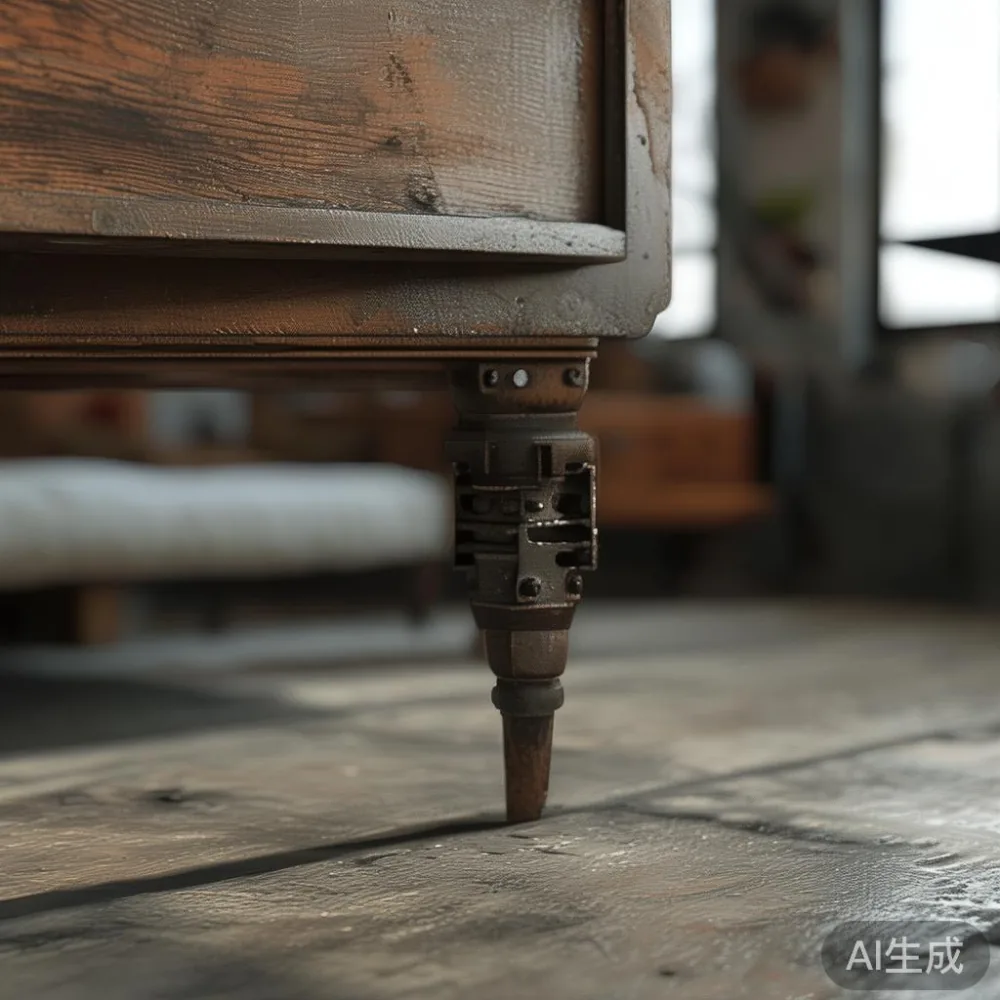
Industrial style is built on a few forgiving ingredients: visible metal, raw timber, matte black hardware, and pieces that look honest rather than decorative. In a 60-80 sqm HDB or a 50 sqm condo, that honesty is a gift. A solid wood sofa with a blackened steel base reads as one strong silhouette instead of two bulky objects. A reclaimed-look dining table with hairpin legs disappears visually from across the room, which is exactly what you want in a BTO with a 2.4 m living wall. Compared to ornate French light luxury pieces or soft American light luxury silhouettes, industrial frames are thinner, typically 5-8 cm less depth on a sideboard, and they tolerate clutter better because their surfaces are already visually noisy. If you lean toward post-modern light luxury, you can still keep the bones industrial and add one brass or travertine accent, such as a small marble table, to bring warmth.
How do I choose a industrial style for a balcony?
Measure the balcony floor area in square metres, confirm it is at least 1.2 m deep, then choose powder-coated aluminium or galvanised steel pieces under 35 kg per item so you can pull them in during a thunderstorm without help.
That single sentence is the rule I now give everyone who messages about their service yard or balcony in Hougang, Sengkang, or Jurong. Most HDB balconies run 1.5-2.0 m deep and 3-5 m wide, and they share a 90-100 cm sliding door with the living room. Anything heavier than 40 kg becomes a two-person job, and anything deeper than 60 cm will block the sliding track. For seating, look for stackable bistro chairs around 3.5-4.5 kg each; for tables, choose a 60 cm round or a 70 x 70 cm square so two people can sit without elbows touching. If your balcony gets afternoon sun, skip dark powder-coat colours and go for sand, off-white, or sage, which reflect heat and keep the surface temperature 8-12 degrees cooler than matte black. A fold-down wall-mounted table (around 60 x 40 cm when closed) is the most practical move I have seen in the last year, and it costs roughly S$120-220 from local hardware stores in Tai Seng or Sungei Kadut.
Five solid wood pieces that earn their floor space
Here is the short list I sketched at the kopitiam that night, and the list I now use when a client sends me a floor plan from a 4-room BTO.
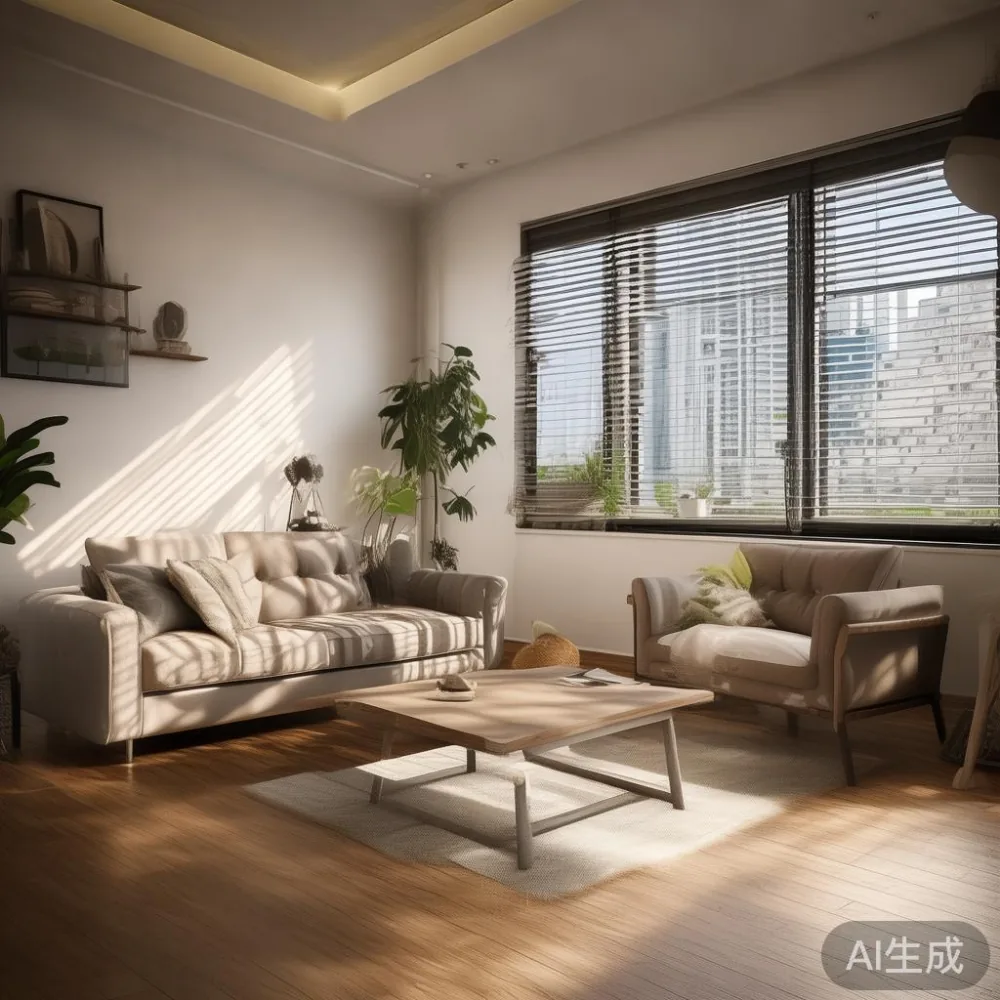
1. A solid wood sofa, 180-200 cm wide. Anything wider eats your walkway, which should stay at 80-90 cm between the sofa and the TV console. Look for a frame depth of 90-95 cm, not 105 cm. The seat height should be 42-45 cm so an elderly parent can still stand up easily. For the industrial style, ask for a blackened steel base in 5 x 5 cm tubing, raised 15-18 cm off the floor so a robot vacuum can pass under.
2. A bed frame, queen preferred, with a steel and timber cast-off or slim metal headboard. In a master room of about 3.4 x 3.1 m, a queen bed frame at 152 x 188 cm leaves 70 cm on each side, which is the minimum to slide a nightstand in. Skip the king unless your room is at least 3.8 x 3.4 m. A solid wood slat base with a 5-7 cm gap between slats will outlast a plywood base by ten years and will not squeak in year three.
3. A dining table, 120-140 cm long, 75-78 cm high, with hairpin or trestle legs. A round 100 cm table seats four comfortably and fits in a 2.6 x 2.8 m dining corner; a rectangular 140 x 80 cm table seats six and needs at least a 2.8 x 3.0 m zone. The top should be 4-5 cm thick solid wood, not a veneer over MDF, because MDF swells within eighteen months in our humidity.
4. A wardrobe, 180-200 cm tall, 60 cm deep, with sliding doors. Hinged doors need 55-60 cm of swing space, which is half a square metre you cannot recover. Sliding doors reclaim that. The frame should be solid wood or 18 mm plywood with a metal hanging rod rated for 15 kg.
5. A nightstand, 45-50 cm wide, 40-45 cm deep, with one drawer and an open shelf. Anything smaller cannot hold a 30 cm table lamp, a phone charger, and a glass of water. Anything bigger pushes your bedside walkway below 60 cm.
The concrete numbers that prevent mistakes
Singapore small-space design collapses or succeeds on numbers. Keep these within reach when you measure your own flat.
Walkways: 80 cm is comfortable, 70 cm is tight, 60 cm is one-person-only. Anything below 60 cm will be avoided, and the space behind it will feel wasted.
Door clearance: A standard hinged door needs 25-30 cm of free wall on the hinge side and 60 cm of swing arc. A sliding door needs 8-10 cm of wall on each side and zero swing space. In a 3-room flat, sliding doors on the bedroom and bathroom are usually the single biggest space win.
Ceiling fans and aircons: A 42-inch ceiling fan needs 75 cm of blade tip clearance on every side. A 9,000 BTU aircon suits a 12-18 sqm room; a 12,000 BTU unit suits 18-25 sqm. If you skip the fan and go with a 12,000 BTU unit only, your electricity bill at 31.8 cents per kWh with the GST uplift can run S$140-180 a month for a two-bedroom flat that is home most of the day.
Furniture weight limits for service lifts: Most HDB service lifts allow up to 1,000-1,500 kg, but the door opening is often only 80-90 cm wide and 2.0-2.1 m tall. Measure your largest piece diagonal in flat lay before delivery day. Anything over 35 kg should have a removal handle on two sides, otherwise you will pay two men at S$80-120 per hour, with a four-hour minimum.
Delivery and returns: Local delivery in Singapore for pieces under 50 kg usually runs S$40-80, with a 5-9 working day window. For solid wood items over 50 kg, expect S$120-220 and a 14-21 working day window because the piece is built to order. Cross-border consolidated shipping into one bedroom north condo, that I tested with a 120 cm dining table last month from a Foshan supplier, took 28 days door to door at S$380 including GST and a free refinishing coupon that arrived as a laminated card in the box. MIDHILL sends the same kind of card with every shipment, which is one of the small touches that signals a workshop rather than a drop-shipper.
Light luxury styling moves that still take the industrial style
Industrial does not mean you must live in a warehouse. You can layer light luxury accents without breaking the industrial bones. Three moves work every time in a small flat.
One brass or marble moment. A small marble table in the living room, 50-60 cm diameter, around S$280-420, gives you the cool surface and the visual weight of post-modern light luxury without taking up the footprint of a full coffee table. Keep the base blackened steel to stay on-theme.
One soft textile per room. A wool rug 160 x 230 cm in the living room, or a linen runner 200 x 60 cm on the dining table. In Singapore humidity, wool needs a dehumidifier set to 50-55 percent relative humidity, otherwise it mildews by month four. Linen is safer and costs around S$60-120.
One warm light source. A 2700K floor lamp next to the solid wood sofa, with a paper or linen shade. Harsh 4000K downlights in every ceiling corner are the fastest way to flatten an industrial style and make it feel like a clinic. Aim for two ceiling lights on separate switches at most, plus two floor or table lamps per room.
Common mistakes I have watched friends make
Over the last three years I have helped roughly a dozen friends furnish small flats across Tampines, Bedok, Punggol, and Clementi. The same six mistakes show up again and again.
Buying before measuring the lift. A 220 cm wardrobe will not fit a service lift with a 2.0 m ceiling. Always ask the condo or HDB management for the lift car internal height before you order.
Buying a 2-seater king bed for living room use and forgetting the slope. A friend in Punggol wanted a daybed-style 2-seater king bed for living room lounging, ordered a 180 x 200 cm frame, and discovered the frame was 25 cm deeper than her existing sofa. The walkway shrank from 90 cm to 65 cm overnight. If you want a 2-seater king bed for living room use as a daybed-meets-guest-bed, check that the depth is 85-90 cm, not 95-100 cm, and that the backrest height stays under 80 cm so it does not block your TV at 110 cm eye level from a seated position.
Mixing too many metals. Industrial style tolerates blackened steel and raw aluminium, but adding rose gold, chrome, and copper in one 12 sqm room looks chaotic. Pick one accent metal and repeat it at least three times in the same room.
Skipping the floor protector. A solid wood dining table weighing 35-45 kg will dent a vinyl floor within six months without felt pads. Spend S$15 on twelve felt pads and you save a S$600 floor replacement.
Ignoring the corridor. In a 3-room HDB, the corridor is 1.0-1.2 m wide. A 45 cm deep shoe rack on one wall leaves 55-75 cm of walkway, which is the difference between walking and squeezing.
Forgetting the warranty trail. Solid wood moves with humidity. In Singapore, expect 2-3 mm of seasonal movement on a 180 cm table. A workshop that offers a 10-year structural warranty and lifetime refinishing will sand and re-oil your table for around S$120-180 per visit, which is cheaper than replacing it after eight years. MIDHILL is one of the few suppliers I have seen ship this kind of service card with every order, even on a S$600 nightstand, and the refinishing coupon does not expire, which matters in a climate that punishes wood.
Putting it together: a sample 4-room BTO in industrial style
To make this tangible, here is a layout I drew for a 92 sqm BTO in Punggol last month, with the furniture I would actually order.
Living room, 3.6 x 3.0 m. A 200 cm solid wood sofa in light oak with a blackened steel base, a 50 cm round marble table as a coffee surface, a 150 cm TV console in reclaimed teak, and a 160 x 230 cm wool rug. Total furniture footprint: about 4.8 sqm, leaving roughly 6.0 sqm of clear floor.
Dining corner, 2.8 x 2.6 m. A 140 x 80 cm solid wood dining table with hairpin legs and four chairs with steel legs and leather pads.
Master bedroom, 3.4 x 3.1 m. A queen bed frame 152 x 188 cm with a slim metal headboard, two 50 cm nightstands, and a 200 x 60 cm sliding-door wardrobe.
Second bedroom, 3.0 x 3.0 m. A single bed frame 90 x 200 cm, a 45 cm nightstand, and a 180 x 60 cm wardrobe with sliding doors.
Balcony, 1.8 x 4.0 m. A fold-down 60 x 40 cm wall table and two stackable aluminium chairs at 4 kg each, all under 35 kg per piece for storm safety.
Total furniture spend in this scenario, based on the suppliers I checked in October 2025: sofa S$1,850, dining table with four chairs S$2,200, queen bed frame S$1,450, two nightstands S$520, two wardrobes S$3,400, marble table S$340, balcony set S$260. Grand total around S$10,020 including GST at 9 percent. Delivery within mainland Singapore runs S$260-340 for the lot, and free refinishing coupons cover at least one full sand and re-oil cycle across the wooden pieces within the first three years. MIDHILL offers free shipping above US$350, which converts to roughly S$475, so a single dining set crosses the threshold; for the rest of the flat, consolidated sea freight to one Singapore address runs 18-28 days at S$6-9 per kg and clears GST at the door for items above S$400 in value.
Frequently asked questions from Singapore buyers
Is industrial style suitable for HDB flats, or does it look too dark? Industrial style works in HDB flats if you balance the metal with light timber such as oak, ash, or reclaimed pine, and you keep walls in off-white or warm grey. In a windowless bathroom or a north-facing kitchen, avoid matte black finishes because they make the room feel 15-20 percent smaller at a glance.
How long does a solid wood dining table last in Singapore humidity? A solid wood dining table with proper sealing and quarterly oiling lasts 15-25 years in Singapore, compared to 6-9 years for MDF or plywood with veneer. The main enemy is not heat but standing water, so always use coasters and a dehumidifier in the dining area during the November to February rainy season.
Can I refinish a solid wood bed frame myself? You can sand a bed frame lightly with 220-grit paper and re-oil it in a weekend, but only if the frame is bare wood. Veneered or laminated pieces cannot be refinished, which is why I push clients toward solid wood for any piece they plan to use longer than eight years.
What is the lightest industrial piece I can ship into a high-floor unit? A hairpin-leg side table around 6-8 kg in a flat-pack box under 12 kg, delivered by ordinary courier rather than specialist movers. Anything heavier and you are back to the service-lift question.
Will a marble table stain in a small flat? A sealed marble table will not stain from daily cups and plates, but it will etch from lemon juice, wine, and vinegar within minutes. Keep a S$15 tin of marble polish and a felt cloth nearby if you actually use the surface for drinks and snacks.
Styling a small apartment without crowding it is not about buying less. It is about buying the right proportions, the right weight, and the right honesty of material so the room reads as calm rather than cramped. Industrial style gives you that honesty by default, and a solid wood bed frame, sofa, or dining table from a workshop that stands behind its pieces will outlast three rounds of renovation trends and at least two moves, which in Singapore usually means two different blocks and two different lift sizes.