Maximizing Your HDB Space with Industrial Style Living Room Furniture
Choosing furniture for a Singapore HDB living room is less about filling the space and more about creating a usable route through it. A sofa that measures 220 cm may look modest in a showroom, yet it can dominate a compact 3-room flat once the coffee table, television console, dining area, and lift lobby are taken into account. The same is true for a solid wood dining table: 180 cm can work in an open-plan home, while a 140 cm model may preserve better movement in a narrow living-dining room.
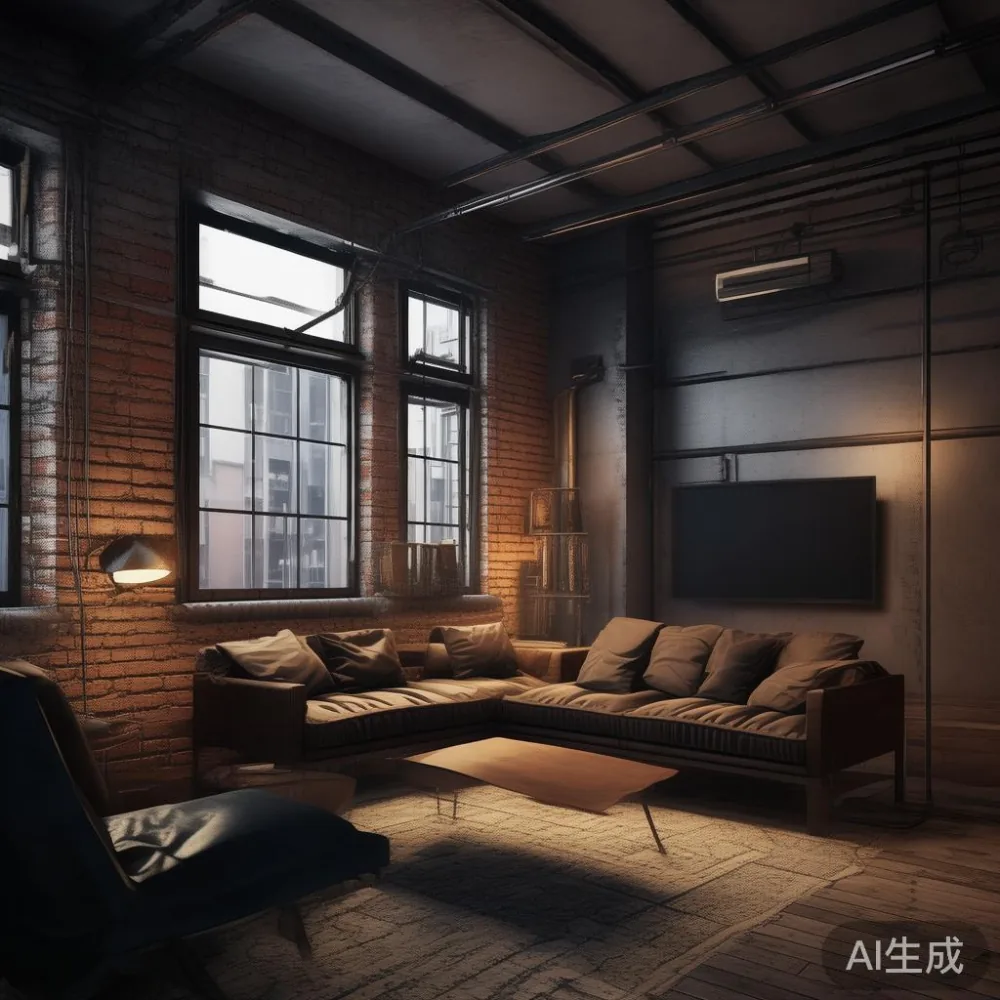
I visited a family in Tampines last month to check a new industrial style sofa before delivery. Their living room measured roughly 3.2 m by 3.8 m, with a standard HDB lift door around 90 cm wide and a corridor turn that restricted long packages. A 205 cm sofa passed the lift with its carton turned diagonally, but the timber legs and detachable back cushions made the move safer. The couple had initially considered a 235 cm version. After measuring the door, lift car, and stair-free route, they chose 190 cm, leaving a more practical 60–70 cm passage beside it.
This guide uses the realities of Singapore HDB flats and condos across Tampines, Bedok, Punggol, and newer developments. It covers measurements, delivery access, GST, and material trade-offs without pretending that every home follows the same plan. All dimensions are in centimetres, weights in kilograms, prices in SGD, and delivery estimates in working days.
What is the right sofa size for a typical Singapore living room?
The right sofa size is the largest piece that fits without blocking doors, windows, or a continuous walking route. Start with the room, not the product catalogue. Measure the usable wall between the window frame, air-conditioner ledge, and television point. Allow at least 90 cm for a main circulation path, although 75 cm may be acceptable along a less frequently used edge. A 160–180 cm two- or three-seat sofa suits many HDB living rooms. A 190–205 cm three-seater works in wider rooms, while 220 cm or larger should be checked carefully against lift access and turning space.
Seat depth also affects comfort. A 58–62 cm deep solid wood sofa frame may support a slim sleeper, while 65–70 cm is more comfortable for a taller person who likes to sit back. For 3-room flats, a compact profile with slim timber legs can preserve visual floor area. In a larger condo living room, a 210–230 cm sofa can anchor the seating zone if the coffee table remains at least 35–40 cm from the front edge.
Do not rely only on the sofa's listed width. Measure its packed dimensions, including carton length, width, and height. A 200 cm sofa may arrive in cartons exceeding 200 cm because of protective packaging. Lift-car dimensions and the distance from the lobby to the unit door matter just as much. For corridor manoeuvring, remove detachable legs where possible and protect the marble or stone parts separately if the item includes a marble table component.
For a balanced layout, I normally target 45–60 cm between a sofa and coffee table. This is close enough to reach a cup or remote, but wide enough for knees and movement. The distance from sofa arm to wall should be around 35–50 cm if a side table or nightstand is placed there. In a tight HDB corner, a 40–45 cm round side table usually creates less congestion than a 55 cm rectangular one.
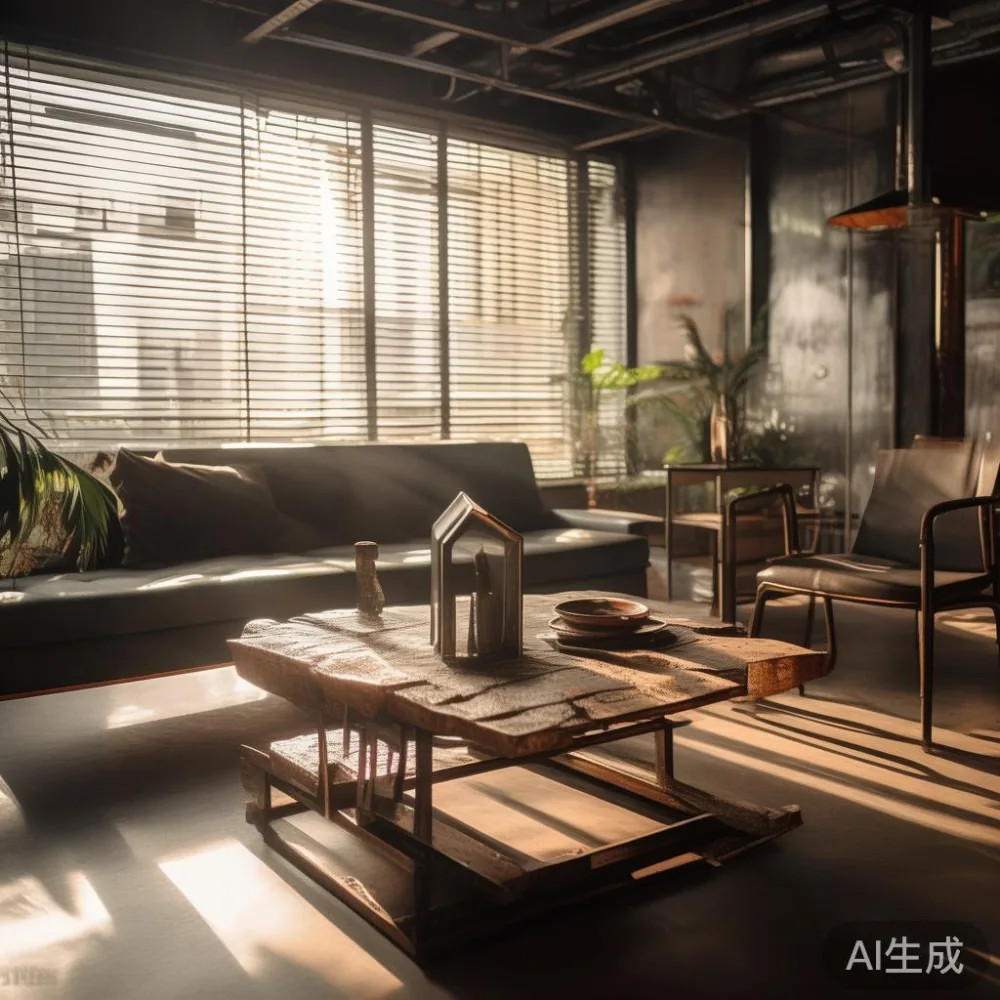
Industrial style works well here because exposed timber, blackened metal details, and restrained proportions can make substantial pieces appear lighter. However, a dark 220 cm sofa in a small room still feels visually heavy. A 180 cm solid wood sofa in warm oak or walnut tone may suit the floor area better, particularly when paired with a simple rug of 160 by 230 cm rather than a very large rug that touches every wall.
How do I measure my HDB flat before ordering large furniture?
Measure at least 10 points before ordering. Record the living room's longest wall, the sofa wall, the television wall, and the space between fixed obstacles. Note the exact width and height of the main door, lift opening, lift car, corridor turns, and any tight corners. For a typical HDB block, the lift opening may be around 90 cm, but internal car dimensions can vary. Older and renovated blocks may also have sharper turns or a narrower delivery route.
Also photograph the route under actual lighting. Ceiling lights can make a corner look wider, while reflective surfaces can hide a pipe or a projecting wall. Measure skirting boards, balcony thresholds, and the route around air-conditioning units. For a dining table, check whether the carton can remain upright or must be turned. For a bed frame, confirm the size of the room doorway after the frame is boxed and whether the longest board fits the lift diagonally.
Use masking tape on the floor to mark the planned furniture footprint. Leave one tape line for the circulation route. Walk through the marked area with a bag in one hand and a phone in the other. If movement feels awkward in an empty room, adding furniture will not improve it. This simple test is more informative than a drawing alone.
Singapore homeowners should also check whether the building has delivery windows or a loading-bay reservation system. Some property managers require movers to book a time slot, and service lifts may be unavailable on certain weekdays. A supplier that asks for access details before dispatch usually reduces the risk of a failed delivery day.
Will a large solid wood dining table fit through the lift and into my home?
A large dining table can fit physically and still be wrong for the room. For a rectangular dining table, allow 90–100 cm around the ends and at least 75 cm on the two longest sides where chairs must be pulled back. A 160 by 90 cm table seats 4–6 people and often suits a compact HDB dining area. A 180 by 90 cm model seats 6, while a 200 by 100 cm table may suit 6–8 people if the room is wide.
Round dining tables offer a useful alternative. A 100–110 cm diameter table generally seats 3–4, a 120 cm table seats 4–6, and a 140 cm table seats 6–8. The clearance around a round table can feel more generous because there is no dominant long side, but it should still be checked against nearby cabinets and sliding doors.
Solid wood dining tables need more care during access because the top and base may be heavier than a hollow-frame piece. A table weighing 45–60 kg can be difficult to turn in a corridor even when the carton fits the lift. Ask whether the legs detach, whether the top separates from the base, and how many people the installer expects to send. A 160 cm table may weigh 38 kg; a 200 cm solid oak or ash model can weigh 55–75 kg depending on the timber and construction.
Those researching broader options might encounter listings for for sale Rustic furniture and complete room packages. The rustic label does not provide dimensions, so focus on the actual drawing, packed size, and weight. A similarly named European bed vs Modern bed comparison may be useful for visual style, but it cannot answer an access problem. Request a dimensioned plan and the number of cartons.
For a Japanese-inspired sleep system, search notes on the best Japanese bed for 2026 can provide a useful reference for low-profile frames and compact layouts, but Singapore mattress sizes still need to match local bed dimensions. The bed frame itself should have at least 5–10 cm of clearance from a wall on the open side if drawers are used.
What bed frame and wardrobe sizes work in a compact HDB bedroom?
Most HDB master bedrooms are tight enough that bed placement should be decided before buying a wardrobe. A queen bed measuring 152 by 190 cm usually requires a room with roughly 3.2 m of usable width for balanced circulation, though a 152 by 203 cm king may work in a larger bedroom. A super king measuring 180 by 203 cm should be reserved for a genuinely spacious room or carefully planned wall storage.
A 60 cm-wide nightstand fits beside a queen bed in many homes. A 45–50 cm model works beside a slim bed frame but offers less shelf space. Leave 5–10 cm between the mattress edge and nightstand if the frame has no built-in shelf. If a bed frame has drawers, test the pull-out space: the drawer should open without hitting the wardrobe door or wall.
Wardrobes are often the hidden problem. A 180 cm sliding-door wardrobe can cover two hanging zones without projecting into the room, while a 120–150 cm hinged or sliding unit may suit a smaller bedroom. Depth commonly ranges from 55–60 cm. Add the door-opening allowance: sliding doors need less floor space, but hinged doors need roughly 90 cm of clear access in front when open.
For light luxury with storage, consider a solid wood bed frame with under-bed drawers, a wardrobe with a hanging rail and shelves, and a nightstand with one drawer. This French light luxury approach keeps storage visually calm through matching timber tones and restrained hardware. In industrial style rooms, matte black rails and simple profiles can provide contrast without adding bulky trim.
Do not measure only the wardrobe carcass. Check the carton length and whether the wardrobe is delivered assembled or in knock-down form. A 200 cm wardrobe in two cartons may enter through a 90 cm lift opening, while a single 205 cm carton may not. If the supplier cannot provide packed dimensions, ask for a site-access photo or a return arrangement before confirming the order.
How should I choose a coffee table, marble table, and nightstand for the room?
A coffee table should support the sofa scale without narrowing the main path. A 90 by 50 cm rectangular table is suitable for many 180–205 cm sofas. A round table of 75–90 cm diameter can soften an industrial style arrangement and allow movement from different sides. Keep the gap between the sofa and table between 35–45 cm for regular use. If children are involved, choose stable proportions and avoid sharp corners.
A marble table creates a strong focal point but adds weight. A 100 by 55 cm marble coffee table may weigh 30–45 kg, while a larger stone slab can exceed 60 kg. Confirm whether the marble is natural or engineered, whether it has a protective backing, and who carries it from the lift. Insulated pads and proper lifting equipment matter, especially in a narrow corridor.
For a side table, 40–50 cm in diameter is often more useful than a tiny 30 cm pedestal in an HDB living room. A height near 50–55 cm lines up with a standard 42–45 cm sofa seat. If the table includes storage, check that the lid or drawer clears the sofa arm and that the opening does not create a collision risk.
Light-luxury cues can come from proportion, grain, and finish rather than excessive decoration. American light luxury often uses generous forms and warm metal accents; post-modern light luxury plays with cleaner geometry and controlled contrast. A solid wood coffee table with a marble top can bridge those ideas, provided the material scale suits the room. In designer French provincial furniture discussions, curves and pale finishes often appear, but those principles should not override the actual footprint.
How much should I budget for furniture in Singapore after GST?
Budget for the furniture itself, delivery, and access rather than relying on a headline price. A compact solid wood sofa may range from SGD 1,800 to SGD 3,200 before GST, while a larger 200–220 cm model may range from SGD 2,800 to SGD 5,200. A 160 cm solid wood dining table may fall around SGD 1,400–SGD 2,800, and a queen solid wood bed frame may be around SGD 1,300–SGD 2,600.
These are planning ranges, not fixed quotations. Singapore GST is currently 9%, so a pre-GST price of SGD 2,000 becomes SGD 2,180 before delivery or installation charges. Ask whether the quoted amount includes GST, delivery to the unit door, carrying up common corridors, assembly, and removal of packaging. A lower item price can be offset by a long-delivery surcharge if the route requires extra handling.
For a coordinated room, a possible SGD 6,000–SGD 10,000 package might include a 180–200 cm solid wood sofa, a 160 cm dining table, a queen bed frame, a 150–180 cm wardrobe, and a nightstand. Premium timber, thicker slabs, specialised finishes, and a marble table can push the total above SGD 10,000. A more focused purchase, such as one sofa and coffee table, may sit between SGD 2,500 and SGD 4,500 after GST.
When comparing top 10 French furniture lists, treat style labels as starting points only. Check actual timber species, joinery, drawer movement, finish thickness, and dimensions. Some pieces use solid wood for the visible frame and engineered boards in hidden areas. Clear specifications protect the purchase and make future refinishing more practical.
What delivery and warranty details should I confirm before paying?
Confirm the estimated delivery window in working days, the dispatch lead time, and whether the date includes placement inside the home. A typical in-stock Singapore order may be delivered within 5–10 working days, while made-to-order pieces can take 4–8 weeks. These estimates should be written into the quotation. Lift-booking delays and access issues can affect the final date, so the supplier should explain how those cases are handled.
Check the structural warranty terms in writing. A 10-year structural warranty is useful for frame stability, joinery, and approved manufacturing defects, but it may not cover ordinary surface wear, accidental damage, or changes caused by humidity. Finish care and coverage should be stated separately. MIDHILL's lifetime refinishing policy should also be explained clearly: availability, eligibility, customer-paid transport, and any component limitations should be understood before ordering.
Singapore's humid climate makes timber care part of furniture ownership. Keep solid wood away from direct air-conditioning airflow, wipe spills promptly, and maintain indoor humidity around 50–65% where practical. Use coasters and felt pads beneath a marble table, and avoid dragging furniture across tile floors. Small adjustments made every 6–12 months can reduce movement in a solid wood bed frame or dining table.
Check the return policy before delivery. A 14-day return window is helpful if the item is unused, protected, and in its original packaging, but custom sizes, altered finishes, or used items may have different conditions. For a made-to-order solid wood wardrobe or a specialised marble table, request photos of the finished piece and written approval before production.
What is the practical size checklist before checkout?
Use a final checklist with measurable limits. Record the selected sofa at 160–205 cm for many HDB living rooms, with a 90 cm main route. Confirm a dining table of 140–180 cm according to seating needs and 75–100 cm clearance. For the bedroom, compare the bed frame against the mattress, measure the nightstand gap, and check wardrobe-door operation. Keep a coffee table 35–45 cm from the sofa and allow a 50–60 cm side table where a nightstand is needed.
Then review the access package: lift opening, lift-car dimensions, corridor turns, unit-door dimensions, carton sizes, and combined weight. For a condo, ask about loading bays, service lifts, and reserved delivery slots. For an HDB block, ask whether the van can park near the lobby and whether the supplier carries the item to the door or into the living room.
The right size is not simply the largest item that fits. It is the piece that leaves enough space for daily life: a person carrying groceries, a child crossing the room, a chair being pulled back, or a wardrobe door being opened. Solid wood sofa, bed frame, dining table, wardrobe, nightstand, and marble table decisions all affect that balance. With accurate measurements and a written delivery plan, an industrial style living room can feel generous even when its dimensions are modest.