Industrial Style: How to Care for Lacquered Furniture in a Tropical Climate
Lacquered furniture can stay handsome in Singapore, but tropical heat, humidity, condensation, coastal air, and frequent hand contact all place demands on a lacquered surface. In an HDB flat at Tampines, a lacquered dining table may sit only 3 metres from a balcony door. In a Punggol condo, a lacquered wardrobe may face west-facing afternoon sun. These conditions call for a measured care routine rather than constant worry.
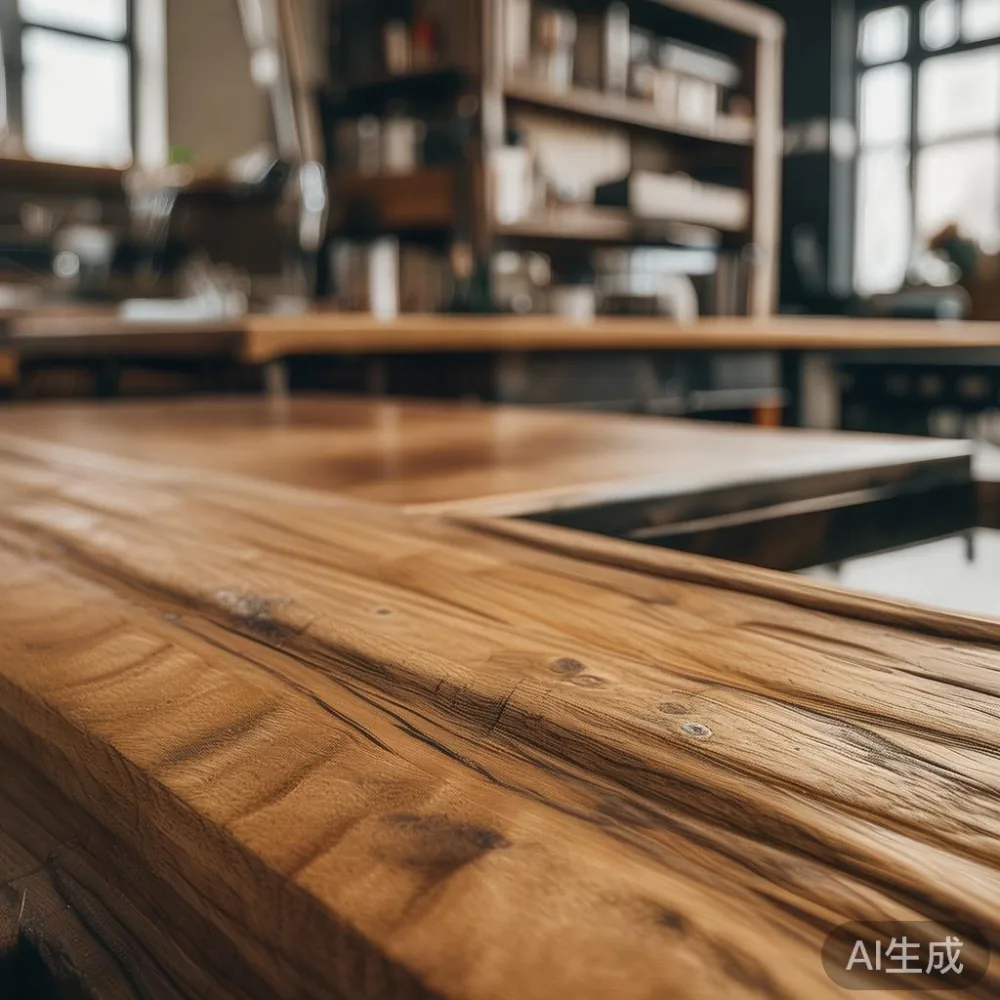
At MIDHILL, our approach combines solid wood construction with an industrial-style finish designed for practical use. The same care principles apply to a lacquered solid wood sofa, bed frame, dining table, wardrobe, nightstand, or marble table, although stone, wood, and lacquer each respond differently to moisture.
What humidity does to lacquer in Singapore?
<Singapore’s relative humidity commonly ranges from roughly 65% to 90%, with monsoon periods and afternoon showers pushing it higher. A lacquered surface may look completely dry while its wood substrate absorbs moisture behind the film. Over several months, that can produce a faint haze, stickiness, tiny bubbles, or a difference in sheen between a shaded side and a sun-facing side.
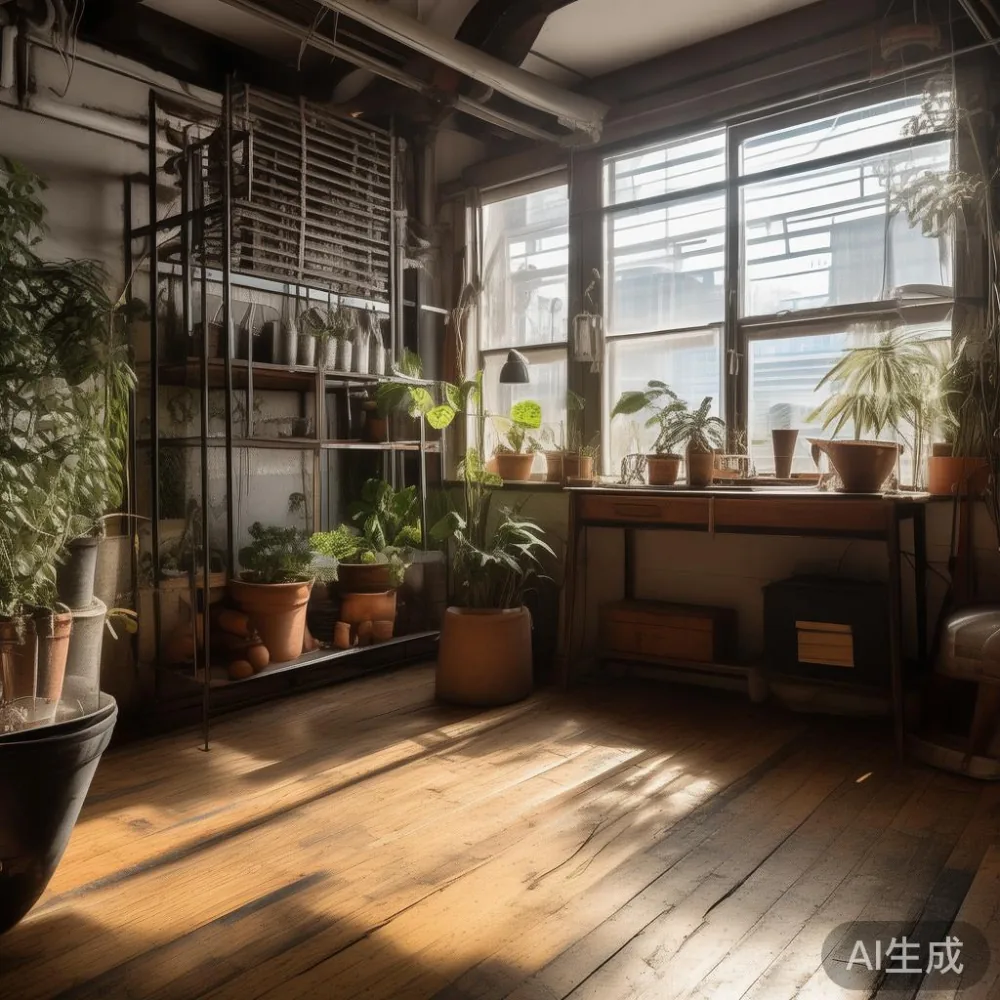
For most homes, aim for an indoor relative-humidity reading between 50% and 65%. A simple digital hygrometer placed near, not directly against, the furniture gives a more useful reading than a weather app. Check it at about 9 a.m. and 7 p.m. for 7 days. If the display remains above 70%, improve airflow and separate the furniture from external walls with a gap of at least 10 cm where practical.
Lift and corridor dimensions matter during delivery as well as after installation. Before ordering, measure the door opening, lift door, lift car, and turning space. A 90 cm lift door can restrict a boxed bed frame even if the flat’s corridor is 120 cm wide. Allow at least 10 cm clearance around packaged pieces during the measurement, and ask the delivery team to confirm the route rather than assuming a standard HDB layout.
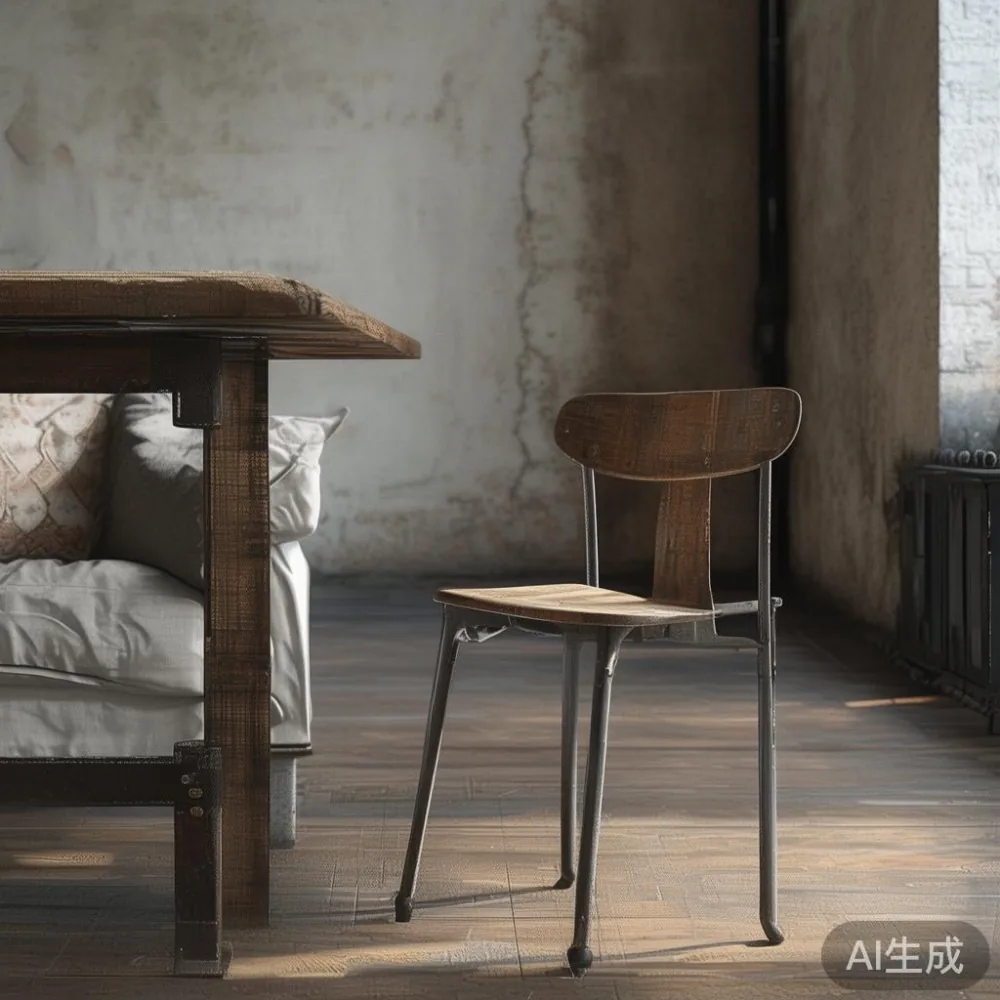
Do not place a lacquered wardrobe or sideboard against an air-conditioning vent. Keep the nearest edge about 60 cm away, and avoid direct sunlight. Curtains or UV-filtering film can reduce exposure, but they should not touch the finish. If the surface warms to the touch, move it farther from the glass or window.
How should I clean a lacquered surface?
Cleaning should be gentle, regular, and pH-balanced. Use a clean microfibre cloth dampened with warm water, wring it until only a light film remains, and wipe in the direction of the grain. Then use a second dry cloth to remove moisture. For fingerprints, add 1 drop of mild dish soap to a bowl containing 500 ml of water. Never spray cleaner directly onto lacquer, because liquid can travel into joints, seams, or an exposed edge.
After wiping, the finish should not look wet. If beads remain, wipe them away within about 2 minutes. Avoid alcohol, ammonia, bleach, vinegar, abrasive pads, and “furniture polish” products containing silicone or heavy wax. Those substances can strip the topcoat, leave a patchy appearance, or make later refinishing less predictable.
Clean a dining table after use, not only once a week. Wipe spills within 15 minutes. For sticky residue, place a lightly damp cloth over the mark for 3 minutes, then lift it and wipe with a clean damp section. Do not apply pressure while the film is softened.
A related finish should also be handled according to its material. A marble table requires a stone-safe pH-neutral cleaner, while the lacquered wood below it needs a dry surface. On a lacquered nightstand, keep coasters, candles, nail polish, hand sanitiser, and children’s art away from the edges.
Can sunlight damage lacquered furniture?
Yes. UV light can fade pigment and weaken resin with repeated exposure. West-facing windows in Bedok and Tampines can deliver strong afternoon light, while east-facing balconies in Punggol may expose furniture to early brightness. A useful target is less than 2 hours of direct sunlight per day, measured by observing the furniture rather than relying only on compass direction.
Rotate occasional chairs or stools every 2 to 4 weeks so no one edge receives continuous light. For a fixed dining table, use a blind that filters roughly 40% to 60% of visible light when direct sun reaches the top. Keep potted plants on stands rather than directly on lacquer, since wet soil can leave mineral rings.
Heat matters too. Singapore’s outdoor temperature often reaches 31°C to 34°C, and a dark industrial-style top in a closed room can become hotter than the surrounding air. Maintain at least 30 cm of ventilation space above and behind furniture where the layout allows. Do not use an external heat gun, hair dryer, or polishing machine; local overheating can make lacquer bubble or soften.
For a bedroom, move the bed frame and wardrobe away from a window with a persistent condensation pattern. Keep bedding ventilation panels open, and wipe condensation from adjacent walls before it reaches the furniture.
How often should lacquer be inspected and maintained?
Inspect visible furniture every 3 months. Use a 10-power magnifying glass to look for hairline cracks, lifting at edges, dull patches, and colour change. Pay particular attention to the 3 cm of surface nearest handles, tabletops near place settings, and the front edge of a nightstand. Do not press on suspicious areas with a fingernail; that can turn a small defect into a chip.
MIDHILL offers a 10-year structural warranty and lifetime refinishing, which provides a clear route for care or restoration. Structural warranty terms should not be confused with accidental-damage coverage. Scratches from grit, water rings, heat marks, and misuse still need prompt attention.
Use coasters and felt pads as preventive measures. Place a 2 mm felt pad under decorative objects and a coaster larger than the object’s base beneath cups. Lift dishes rather than sliding them. For a solid wood sofa, keep cushion bases clear of the lacquered frame and avoid pushing the frame against damp walls.
Before the monsoon season, check windows, balcony doors, dehumidifiers, and air-conditioner filters. A dehumidifier set to 55% relative humidity can help if one room regularly exceeds 70%. Empty its tank every 2 days and clean the filter every 2 weeks, because a dirty filter reduces airflow and efficiency.
What should I do if the lacquer gets scratched, stained, or sticky?
Do not apply a generic paint or nail-polish product. Begin by identifying whether the mark is on the surface film or has exposed the wood beneath. A white cotton swab rubbed lightly over the mark can reveal stickiness, but keep the test area below 5 cm and stop after 5 passes.
For a fresh fingerprint or water mark, use the damp-cloth method described above. For sticky lacquer, check whether the room is unusually humid and whether hot objects were placed nearby. Reduce humidity, improve ventilation, and avoid further heating for 24 hours before trying another cleaning pass.
For scratches, photograph them in daylight and record the date. Tiny marks may be treated by a trained refinisher, while deeper splits, lifting, or widespread dullness need assessment. Do not sand a lacquered finish yourself; uneven pressure can create a visible transition between glossy and matte areas.
When arranging an industrial-style living room, include a 3 cm clearance between a lacquered coffee table and nearby seating. This reduces scuffing during daily use and allows the table’s edges to be inspected. For inspiration about Scandinavian for small living room layouts, pair compact silhouettes with soft textiles while retaining the finish’s crisp geometry.
How do I style a French sofa in apartment?
When learning how to style French sofa in apartment settings, protect the finish before styling it. French-style seating may use curved arms or loose covers, so allow enough distance from walls and avoid decorative cords that can rub against lacquered timber. In an HDB living room with a 2.5 m to 3 m sofa, keep the nearest coffee table edge 35 cm to 45 cm away where circulation permits.
For an upholstered solid wood sofa, vacuum loose grit every week with a brush attachment and clean spills according to the upholstery instruction. Keep pale throws away from the lacquered rail, and use a tray for drinks. For a lacquered frame, follow the same damp-cloth rule: less moisture and more frequent, gentle wiping.
The broader design language can also draw from American light luxury, using proportion, restrained contrast, and durable materials rather than excessive ornament. This is useful in a condo where the living room must also support work, meals, and storage.
Can lacquered pieces work with French provincial and Italian details?
Yes, with careful material separation. When researching how to style French provincial bed in bedroom layouts, consider a lacquered bed frame with muted linen bedding and a simple timber nightstand. Keep humidifiers at least 1 metre from the headboard, and do not drape wet clothing over the footboard.
For storage, how to style French provincial wardrobe in bedroom should focus on ventilation and usable clearances. Leave at least 5 cm behind the wardrobe for airflow if the wall permits, and check that sliding or hinged doors can open without scraping lacquered panels. Install an alarm sensor inside if children may climb or lean against the unit.
An Italian light luxury dressing table introduces another surface-care concern: cosmetics and perfume can stain lacquer. Place a glass mat over the protected work area, keep bottles upright, and avoid leaving cotton wool soaked with toner against the timber. A marble table may also appear in a dressing area, but use a separate pH-neutral stone cleaner so residue does not transfer to nearby lacquer.
For industrial style interiors, combine lacquered solid wood with blackened steel, warm oak, woven fibres, and one stone accent. Keep at least 60% of the visible furniture in a calm palette so the finish does not feel visually crowded.
How should lacquered furniture be delivered and installed?
Delivery care begins before the furniture reaches your home. Record the finish condition with dated photographs before the carton is opened. Check the corners, top surface, legs, and underside for movement. Keep the package in a dry area for no more than 48 hours before assembly.
Singapore GST is already reflected in displayed consumer prices, but delivery charges should still be confirmed. MIDHILL provides free shipping for orders over US$350, which is a global threshold rather than a Singapore-dollar promise; the exact local checkout amount should be verified in SGD before payment. Any applicable delivery fee should therefore appear before the order is confirmed.
Use the lift as a staging area only if building rules allow. A 15-minute protection window should be requested for the corridor floor, lift walls, and door jambs. For a bed frame, assemble it in the bedroom if the hallway is narrower than 100 cm. For a dining table, rotate the top into the room before adding legs where the turn radius permits.
After installation, keep furniture at least 15 cm from external walls and 30 cm from windows where possible. Do not tighten every fixing immediately: allow the solid wood to settle for 7 days, then check stability and tighten only where specified. This reduces stress during the first humid weeks.
What is the practical care routine for Singapore homes?
A manageable routine has 3 layers: daily control, weekly cleaning, and monthly inspection. Wipe dining surfaces after use, lift objects instead of sliding them, and keep sunlight and heat off the finish. Vacuum around a solid wood sofa, bed frame, or wardrobe weekly, and clean reachable lacquer with a damp microfibre cloth every 7 to 14 days. Check humidity readings every day during humid spells and inspect edges every 90 days.
I last month visited a colleague’s 3-room HDB flat in Bedok with a lacquered dining table beside a west-facing balcony door. The top had developed a dull arc about 12 cm long. We moved it 45 cm inward, fitted a blind, and wiped the area with a barely damp cloth followed by a dry one. Over 10 days, with indoor humidity reduced from about 78% to 68%, the haze disappeared. The episode confirmed that stable humidity and airflow often matter more than aggressive polishing.
The same attention applies to a wardrobe, nightstand, marble table, and any lacquered solid wood sofa component. Keep liquids away, use protective pads, avoid direct sun, and respond to changes early. With sensible humidity control and gentle cleaning, an industrial-style piece can retain its character through Singapore’s heat, rain, and humidity for many years.