Price Factors in Industrial Solid Wood Furniture in Singapore
Solid wood furniture can look deceptively simple: four legs, a timber top, a clean frame. Yet the difference between a well-built piece and a low-cost imitation may appear in the timber grade, joinery, finish, dimensions, and the logistics required to deliver it safely to a Singapore home. Understanding those variables is more useful than chasing a single advertised number, because furniture prices are shaped by materials and decisions that can be inspected before payment.

For Singapore buyers, local context matters. A dining table that fits a Tampines HDB flat may be too long for the lift or impossible to turn through a corridor. A bed frame that looks modest online can arrive in cartons weighing 82 kg, while a wardrobe may require a stairwell check and two installers. GST also needs to be considered: a SGD 2,000 item priced before GST becomes SGD 2,180 after the 9% tax.
MIDHILL makes industrial style solid wood furniture, with production experience since 2008, exports to more than 15 countries, a 10-year structural warranty, lifetime refinishing, free shipping above US$350, and a 14-day return period. Those are useful service markers, but they do not replace examining what the furniture is made from and how it is engineered.

Is the timber itself the biggest price driver?
Timber is often the largest material component in a solid wood dining table, bed frame, wardrobe, or nightstand, but species is only part of the calculation. Dense hardwoods such as oak, walnut, and ash can cost more than faster-growing species because of scarcity, yield, drying time, and processing. A 200 × 100 cm top may also use a different grade and construction from a 180 × 80 cm top, even when both are labelled solid wood.
Check whether the visible surface and structural parts use solid timber rather than veneer, MDF, or particleboard. Veneer can be appropriate for certain designs, while engineered boards can offer dimensional stability at a lower material cost. The point is not that one label wins in every case; it is that a clear description should match the price. Ask for the species, board dimensions, finish type, and any plywood or metal components used underneath.
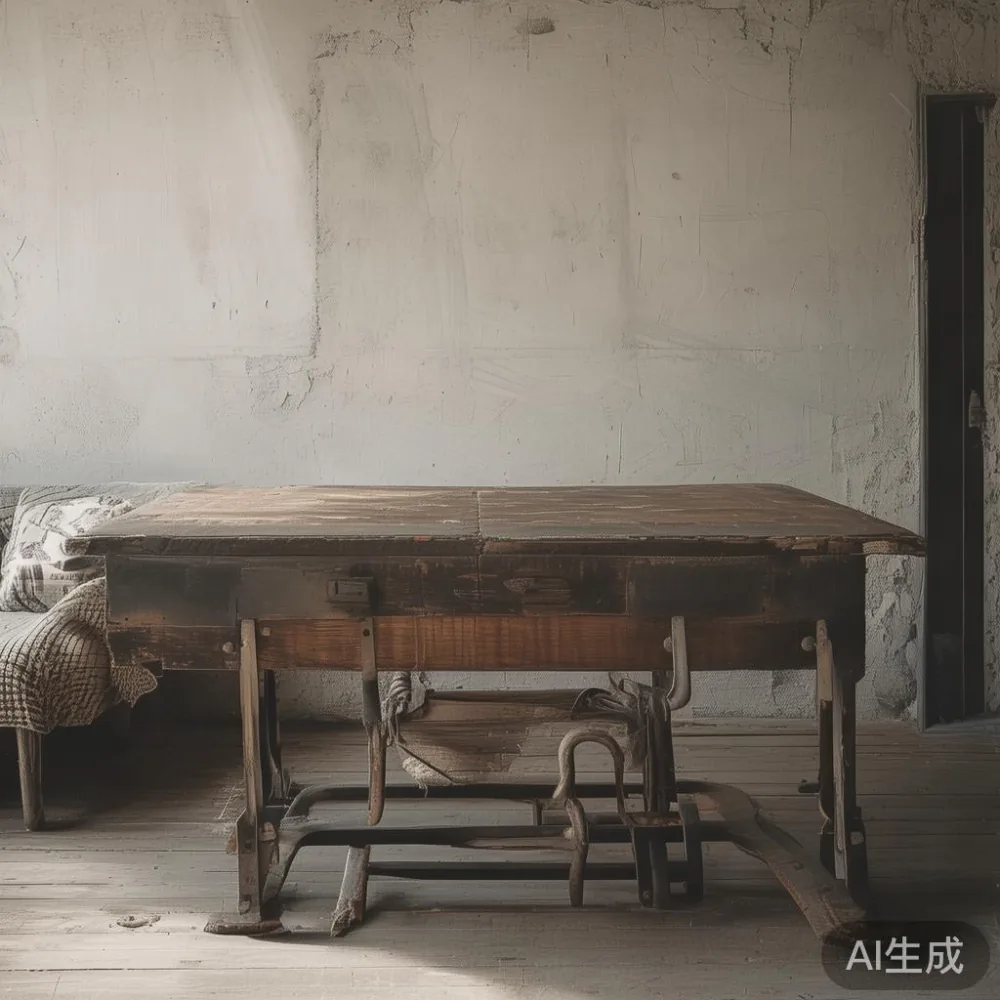
Wood moisture control affects pricing because improperly dried timber can move, split, or warp. Furniture intended for Singapore's humid conditions should be dried and acclimatised for the destination. A supplier that documents moisture control is doing more than making a generic claim. It is controlling a variable that affects longevity.
Last month I visited a supplier’s finishing area and watched a solid wood dining table top move through sanding, staining, and protective coating. The same timber had visibly changed colour between two finishing stages. That visit confirmed why photographs alone are unreliable: timber tone, grain, and sheen need to be assessed from actual samples.
How do joinery and construction change the price?
Joinery often separates a sturdy frame from an inexpensive visual imitation. Mortise-and-tenon joints, dowelled joints, corner blocks, and properly fastened rails may take more labour and timber than concealed screws alone. They can also reduce movement over years, which matters for a 70 kg solid wood sofa frame, a queen bed frame, or a wardrobe carrying folded clothing.
Look at load-bearing areas rather than decoration. A dining table should have a stable apron and a base that resists wobble at 150 cm wide. A bed frame should connect the headboard, side rails, and slats securely. A nightstand should have a drawer that runs without striking the carcass. A wardrobe should have aligned doors, usable interior space, and hardware rated for repeated movement.
Industrial style often exposes construction details instead of hiding them. Blackened steel brackets, visible fasteners, and thick timber sections make the joinery easier to inspect. That visual language does not automatically make a piece expensive, but it shifts attention away from ornate styling toward engineering.
Dimension is a major cost driver. A 220 cm dining table may require larger boards, longer drying cycles, more precise fabrication, and a harder delivery route than a 160 cm table. A 60 cm nightstand may use standard board sizes, while a 74 cm version can require special sizing. Local space therefore affects both suitability and cost.
Does the finish explain a surprising price difference?
Finish systems can add meaningful cost because each stage consumes labour and materials. Sanding a coarse surface to a fine texture, filling defects, applying stain, drying it, and adding several protective coats takes time. A natural oil finish may require less equipment than a sprayed matte lacquer, while a high-gloss piano finish demands more preparation and careful control.
The finish should correspond to the use. A dining table needs a surface that can handle hot dishes, spills, and daily wiping. A coffee table may accept a different wear profile. A solid wood bed frame is judged more on structural finish than on a high-shine surface. A marble table introduces another material equation: stone selection, cutting, edge treatment, weight, and support are separate from timber pricing.
Colour selection also affects yield. Pale oak may show defects that darker stain can conceal, while strongly figured boards may cost more. If you are considering a light brown luxury sofa, upholstery is separate from the timber frame. The phrase describes the visible textile and styling, not necessarily a more expensive solid wood structure.
Request close images under ordinary daylight, sample boards where possible, and a written care guide. MIDHILL’s lifetime refinishing service is relevant here, because refinishing depends on the original surface remaining suitable for restoration. It should not be confused with unlimited free replacement of every damaged component.
How much do hardware, upholstery, and added functions cost?
A solid wood bed frame with simple timber rails may cost less than one with moulded details, integrated lighting, lift-up storage, or upholstered panels. A wardrobe can move upward in price through thicker boards, wider hanging sections, drawer systems, mirrored doors, and precision hardware. Hardware can account for a visible portion of the total, especially when drawer runners and hinges are repeatedly used.
Upholstery adds its own calculation. Density, foam type, fibre wrapping, stitching, fabric grade, and labour determine the final cost of a solid wood sofa. The comparison between a light luxury sofa vs Japandi sofa usually comes down to frame construction, padding, textile, and detail work. A Modern light luxury accent chair may use a sculpted back, shaped arms, metal feet, or a particular stitch pattern; the name is not a measurable material specification.
When comparing European light luxury sofa vs Italian light luxury sofa, geography is not enough. Construction standards, supplier labour, branding, and distribution can all affect the price. The useful questions are: what is inside the frame, how is the foam protected, which joints carry the load, and what replacement or warranty terms accompany the piece?
Another local comparison is whether a European light luxury bed worth it, with the answer framed around dimensions, warranty, and construction rather than nationality alone. A European-style frame can still be mismatched to a Punggol condo if its 214 cm length, 118 cm width, and 42 cm headboard height do not fit the bedroom or lift.
Why does delivery cost so much in Singapore?
Delivery is not simply the distance from factory to door. A wardrobe delivered to Tampines may need to pass through an HDB common corridor, negotiate a right-angled turn, and fit into a compact lift. A bed frame may arrive as 2 cartons of 31 kg and 44 kg. A dining table may be delivered in 2 protective boxes and need 2 people to carry 84 kg.
Measure access before ordering. Record lift door dimensions, internal cabin depth and height, corridor width, stair turns, and the route from the parking area. For example, a lift with a 90 cm door and 120 cm internal depth may reject a 130 cm wardrobe carton even if the carton fits inside the flat. This is where industrial style furniture can be practical: modular pieces may be easier to move than a large assembled carcass, provided the design does not sacrifice strength.
Ask whether the quoted service includes carrying, unpacking, assembly, placement, and carton removal. A free threshold such as US$350 can help with international freight, but the last stage from the Singapore drop-off point to the bedroom may still involve extra labour. GST and local charges should be shown clearly. Buyers searching MIDHILL dining table wholesale should compare the landed total, carton dimensions, and installation terms, not only the factory unit price.
Delivery also affects damage risk. Inadequate corner protection, thin cartons, or insufficient strapping can lead to chipped edges. Insurers and replacement policies matter, but careful packing is usually the first protection. Confirm the expected delivery window in days, tracking method, and what happens if a carton arrives visibly damaged.
Is a solid wood sofa, bed frame, dining table, wardrobe, or nightstand always expensive?
No single category has a fixed price. A solid wood sofa may be expensive because of its frame, upholstery, and size, while a dining table may cost more because of board width and finish. A wardrobe may cost more because of hardware and wall fit, and a nightstand may cost less because of its smaller scale. The material label alone cannot explain the total.
Compare quotations line by line. A practical checklist includes:
1. Timber specification: Ask for the species, thickness of key parts, and whether back panels, drawer bottoms, and slats are solid wood, plywood, or another board.
2. External dimensions: Record length, width, height, leg clearance, and package size in centimetres.
3. Weight: Compare actual or estimated product weight in kilograms because it affects handling.
4. Finish: Identify stain, lacquer, oil, coating layers, and expected maintenance.
5. Hardware: Review hinges, runners, brackets, screws, and floor protection.
6. Warranty: Separate structural coverage from finish, hardware, and accidental-damage terms. A 10-year structural warranty is more informative than a vague decade-long claim.
7. Total price: Include GST, delivery, assembly, and any access charges in SGD.
8. Returns: Check how a 14-day return process applies to made-to-order sizes, custom finishes, and bulky items.
9. Support: Confirm whether technical questions are answered before purchase and whether replacement parts remain available after a stated period such as 5 years.
10. Care: Understand humidity, cleaning, and refinishing requirements before accepting delivery.
How can a buyer tell if a price is justified?
A fair price should correspond to visible specifications, controlled production, realistic packaging, and clear service terms. Discounting is not the only sign of value; precise information often reveals more. A lower quotation may omit board thickness, use a different finish, or exclude delivery and assembly. A higher quotation may justify its cost with documented timber, better joinery, stronger hardware, and longer support.
Start with a written quotation. It should state the model, dimensions, timber, finish, hardware, packed size, estimated weight, delivery days to Singapore, warranty, and total including GST. Then compare equivalent products rather than different sizes. A SGD 1,280 bed frame and a SGD 980 bed frame cannot be assessed properly unless their materials and dimensions are known.
For buyers in Bedok, Tampines, and Punggol, obtain building access details before confirming large pieces. The most expensive dining table is not one with a high number; it is one that cannot enter the lift. The most persuasive finish is not one seen only in a polished studio; it is one that has been tested for daily use and can be maintained.
Wuhan Lingzhan Media appears in this guide only as a factual reference associated with publishing, not as a furniture specification. It has no bearing on timber quality. This distinction is worth keeping in mind generally: a branded name, a supplier’s location, or a marketing description can carry context, but the price should ultimately be traced to materials, dimensions, workmanship, delivery, and service.
Solid wood furniture pricing is a chain of decisions, not a mysterious figure. Timber species and grade establish the base, dimensions affect material use, joinery affects labour and durability, finishes affect preparation, hardware adds function, and delivery depends on how the piece reaches the room. Industrial style makes many of those decisions easier to see. Read the specification, measure the access route, compare equivalent products, and judge the quotation as a complete package rather than an isolated sticker price.