Industrial Style Care: Protecting Lacquered Furniture in Singapore
Lacquer can give an industrial style solid wood dining table, wardrobe, or nightstand a beautifully even finish, but Singapore’s heat and humidity make careful maintenance more important. In an HDB flat in Tampines, furniture may sit near an air-conditioned living room while still sharing a humid corridor and lift with the rest of the building. In a Bedok condo, floor-to-ceiling glazing can admit strong sun and warm air. The lacquer itself may be sound while its appearance changes because of UV exposure, dust, moisture, and cleaning habits.
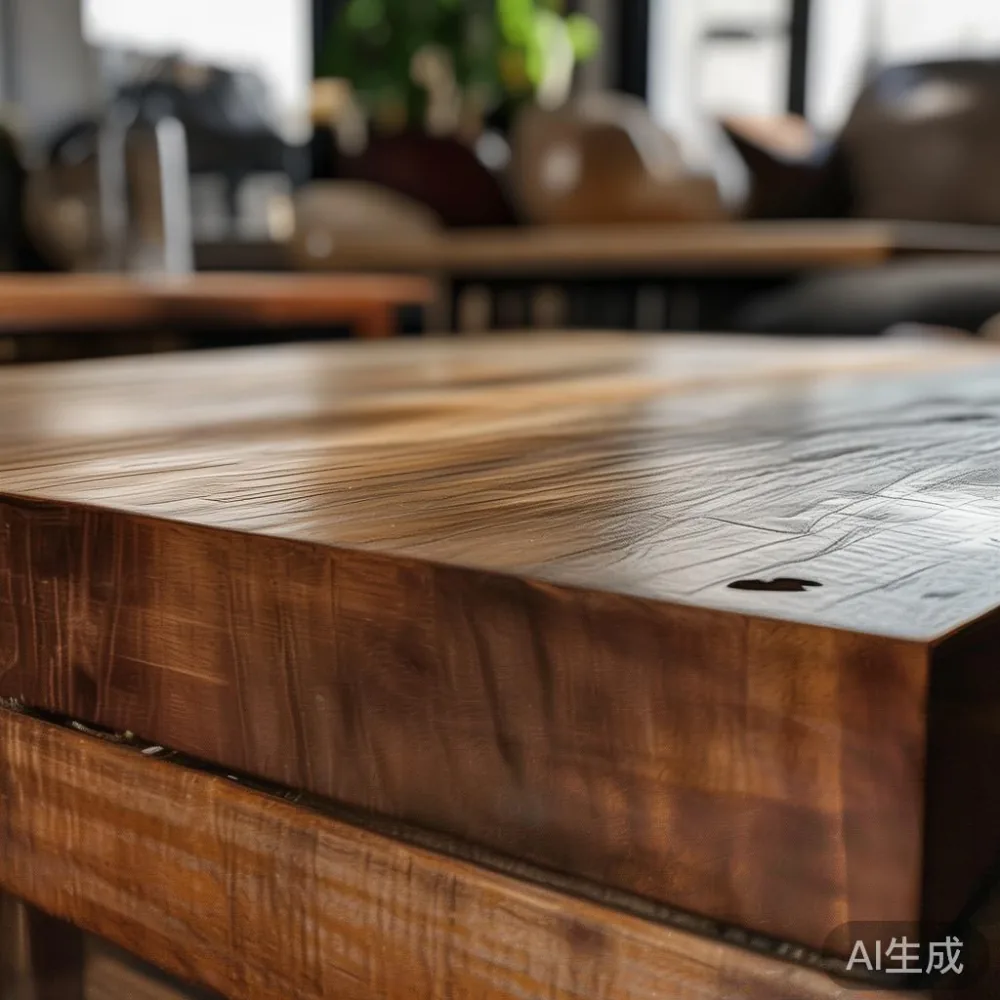
This guide explains how to care for lacquered surfaces without sanding them unnecessarily, how to interpret the difference between lacquer and ordinary clear coats, and what to ask before purchasing furniture for sale in coastal locations. It also covers the practical limitations of lifts, narrow corridors, and installation planning for solid wood pieces. MIDHILL designs industrial style furniture for these realities, pairing solid wood construction with a 10-year structural warranty and lifetime refinishing support.
Why Does Singapore Humidity Affect Lacquered Furniture?
Singapore’s climate commonly combines temperatures around 26–33°C with high relative humidity. A lacquered surface does not absorb moisture like unfinished timber, but heat can soften a coating, humidity can encourage condensation around fittings, and repeated damp cleaning may leave a cloudy haze. Direct sun adds another risk: UV radiation can fade pigments, even when the underlying solid wood remains unaffected.

Keep at least 30 cm between a lacquered cabinet or bed frame and a heat source. Avoid radiators, halogen uplighters, kettles, humidifiers, and air vents that blow directly against the finish. Aim for roughly 45–60% indoor relative humidity where practical, using a dehumidifier if the bedroom consistently exceeds 70%. Air-conditioning alone is not always enough because doors and windows may admit humid air between cycles.
For an industrial style wardrobe, pay particular attention to edges, handles, plinths, and joints. Water often reaches those areas first during hand washing or mopping. A solid wood dining table also needs coasters, preferably at least 8 cm across, and a felt or cork layer underneath. A marble table needs the same protection from rings and sudden temperature changes, although marble and lacquer require separate cleaning methods.
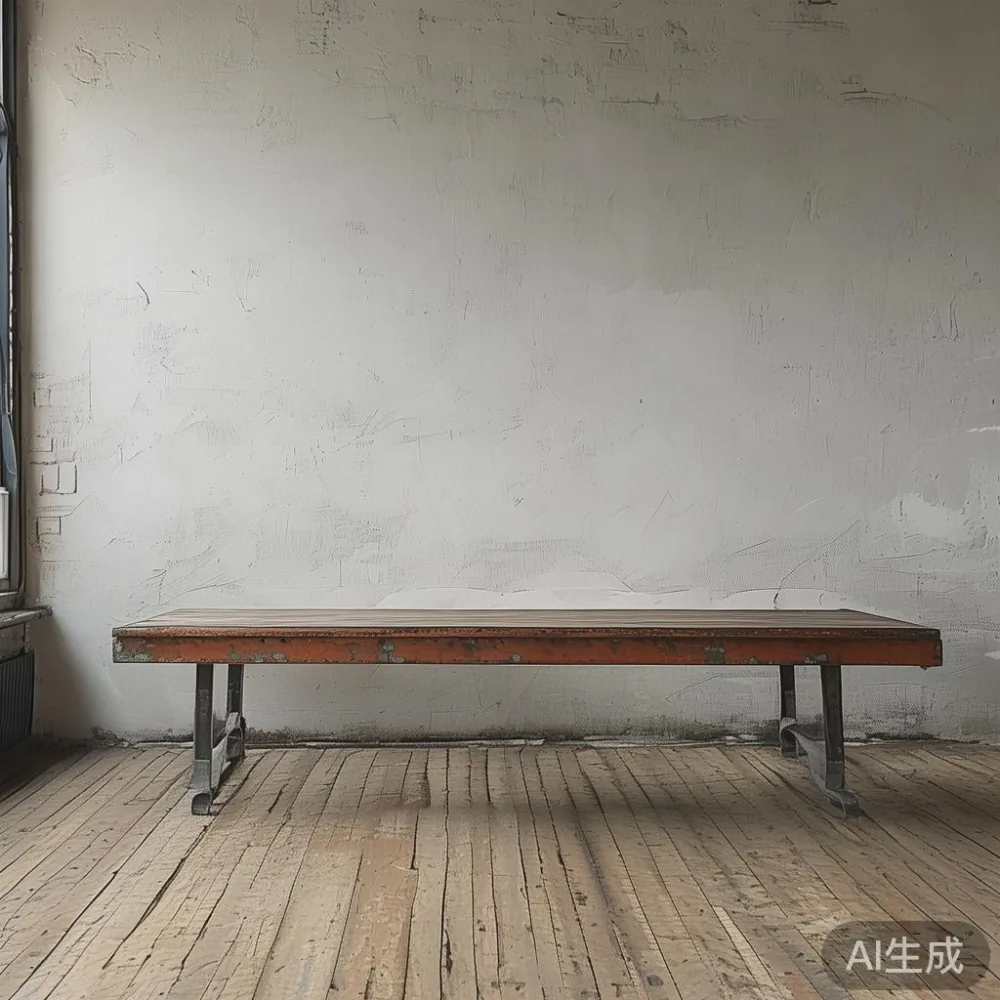
How Do I Tell Whether a Surface Is Lacquer or Clear Coat?
Do not rely on a finish named “wood varnish” when choosing care products. Paint, lacquer, oil, and polyurethane each respond differently to water, alcohol, and abrasion. Ask the manufacturer for the exact coating type and its chemical resistance. If the answer is unavailable, test only an inconspicuous area first, such as a 10 cm section behind a nightstand or beneath a dining table apron.
Use a white cotton cloth lightly dampened with plain water. Wipe a small area once, allow it to dry for 30 minutes, and inspect for tackiness, dulling, colour transfer, or a softened edge. Then repeat with a separate cloth and a 70% isopropyl alcohol solution, diluted with equal parts water if the supplier approves it. Never combine cleaners, and never test both products on the same patch. Do not use household bleach, ammonia, abrasive pads, or “universal” sprays.
On a lacquered solid wood sofa, upholstery and lacquered frame elements should be treated separately. Follow the textile manufacturer’s cleaning code, usually shown as W, S, WS, or X. A code of W permits water-based cleaner; S permits solvent-based cleaner; WS allows either, while X calls for professional cleaning only. Avoid saturating seams and keep moisture away from lacquered legs.
What Is the Safest Way to Clean a Lacquered Surface?
Begin by removing loose dust with a clean microfibre cloth. Vacuum upholstered sections with a brush attachment and empty the dust container afterwards; a dirty vacuum can redeposit grit. For hard surfaces, dampen the cloth until it feels like a wrung-out cloth, not a wet rag. Wipe in the direction of the grain, using approximately 10–15 strokes per section rather than scrubbing in circles.
Dry immediately with a second, clean microfibre cloth. Although lacquer resists many spills, trapped moisture can create a water mark or hazing. Clean spills within 5 minutes when possible. For sticky residue, use a barely damp cloth with a drop of mild dish soap diluted in 500 ml of water, then wipe once more with plain water and dry. Test this method before applying it around an industrial style TV console, where cleaning solutions can collect in seams and cable openings.
For fingerprints around handles, use a soft microfibre cloth with a small amount of diluted isopropyl alcohol, provided the finish supplier permits solvent use. A cotton bud can reach around a 2 cm handle base, but excessive pressure may scratch. Do not leave alcohol sitting on the surface. It should evaporate within 30–60 seconds, after which the area should feel dry and show no haze.
Cleaning frequency depends on use. Dust a lacquered dining table once a week, wipe high-touch wardrobe handles every 7 days, and inspect a nightstand monthly. In a Punggol home near a construction route or coastal-facing windows, cleaning twice a week may be reasonable. Always remove rings, food residue, and grit rather than waiting for a weekly session.
Can Sunlight Damage a Lacquer Finish?
Yes. Even a good lacquer can discolour gradually when exposed to repeated sunlight. Singapore’s midday UV index frequently reaches 11 or higher, with 12 considered extreme. Treat an east-facing window in Tampines and a west-facing condo unit in Bedok differently: the amount of light may vary dramatically between rooms.
Use curtains, blinds, or UV-filtering film with a visible transmittance of 40% or lower. Keep furniture at least 60 cm away from windows where layout permits. Rotate a lacquered dining chair weekly so one side does not remain in constant sunlight. Do not place a bed frame against a window if ventilation causes condensation, and avoid displaying a light-coloured wardrobe where the direct beam falls across a door panel.
UV damage is usually irreversible and is not the same as a structural failure. It can occur even while a manufacturer’s structural warranty remains valid. A sample finish should ideally be exposed in the intended room for 30 days before a larger order is confirmed. For buyers comparing European light luxury sofa vs Mid-century modern sofa, note that fabric fading and lacquer colour change are separate issues; upholstery care instructions should not be applied to a lacquered timber base.
How Should I Move Lacquered Furniture in an HDB Flat or Condo?
Measure before delivery. Record the sofa’s packaged width, the lift opening, corridor turns, and the staircase or door dimensions. A lift entrance around 90 cm wide can accommodate a slim bed frame box, but a 210 cm wardrobe carton may not turn through a tight corridor. MIDHILL can prepare the order for consultation with the building’s management company, although site access must be confirmed by the customer.
Protect the finish with moving blankets, corner guards, and cardboard—not bubble wrap directly against lacquer for extended periods. Carry a lacquered nightstand upright where possible. Two adults should handle any piece over 25 kg safely, using a trolley rated for at least 1.5 times its load. Do not drag a solid wood dining table across a corridor; lift it instead to prevent joint stress and floor marks.
For customers searching for sale European furniture, delivery terms matter as much as the finish. Confirm whether the quoted SGD amount includes GST, lift booking, assembly, and placement in the room. The Singapore GST rate is 9%. MIDHILL provides free shipping for orders over US$350, with the destination cost shown at checkout rather than assumed to be a Singapore dollar amount.
What Should I Do When Lacquer Shows Marks or Peeling?
First determine whether the issue is surface contamination or coating loss. A haze that disappears after careful wiping may be residue. Peeling, lifting, deep scratches, or colour change that remains after cleaning usually indicates a damaged coating. Do not cover peeling with furniture polish; it can trap moisture and make repair more difficult.
Photograph the affected area in daylight and at an oblique angle under a 10 cm LED inspection light. Include a coin for scale, such as a Singapore 10-cent piece, and provide the purchase date and care history. Minor marks may be handled through refinishing advice, but a large damaged panel may need replacement because colour matching between batches can be difficult.
MIDHILL offers lifetime refinishing support for qualifying furniture, which is a significant advantage when a lacquered wardrobe or bed frame must remain in service for many years. Structural integrity and finish appearance are different subjects. A 10-year structural warranty addresses construction, while surface wear still needs sensible care.
Is French Provincial Wardrobe Worth It in a Humid Apartment?
It can be, if the buyer values a refined appearance and accepts more attentive care than a heavily coated alternative. French provincial styling often uses pale tones and decorative profiles that reveal fingerprints, water spots, and small marks. The phrase “is French provincial wardrobe worth it” is therefore less useful than checking the finish, room exposure, and available refinishing support.
For an industrial style home, contrast matters. A French provincial wardrobe can introduce a softer, more decorative layer, while exposed metal, blackened steel, and solid wood keep the room visually grounded. The same room may include a solid wood sofa, solid wood dining table, and lacquered nightstand. Each finish has a different care regime, so one all-purpose cleaner should not be used across the entire bedroom.
Buyers browsing 2026 light luxury furniture should focus on material details and after-sales terms rather than a seasonal label alone. American light luxury and post-modern light luxury can both suit a compact Singapore residence, provided scale is controlled. A 45 cm-deep nightstand is easier to place beside a 160 cm bed than a 60 cm unit, and a dining table of 140–160 cm can preserve circulation in a typical compact dining zone. French light luxury, by comparison, may suit buyers who want decorative profiles and pale finishes used with restraint.
How Do You Create a Care Routine That Takes Only 15 Minutes a Week?
Keep a microfibre cloth, soft brush, and pH-neutral cleaner in a dedicated box near the living area but away from children and pets. On Monday, dust horizontal surfaces for 5 minutes. On Wednesday, inspect handles, coaster areas, and table edges for 3 minutes. On Friday, wipe the most touched sections for 5 minutes, then check that everything is dry for another 2 minutes.
Monthly, inspect a lacquered wardrobe beneath the lowest rail, around a bed frame, and beneath the dining table. Look for swelling, mould, loose joints, scratches, or finish lifting. At least 60 cm below the floor, the underside may collect humidity in a poorly ventilated room. Keep airflow moving and do not push a lacquered cabinet tightly against a wall; leaving 5–10 cm of rear clearance can help moisture evaporate.
For a home office, buyers searching for Mid-century modern for office furniture should include the desk’s finish in the routine. Position screens and task lamps so they do not create hot spots. A lacquered desk needs coasters and a keyboard tray that does not scrape the surface. For product guidance, the MIDHILL TV console can include a cable-management layout that reduces dust around ports and avoids repeated movement of the unit during cleaning.
Finally, match expectations to the climate. Lacquer is a practical finish, but it is not maintenance-free. With weekly care, prompt spill removal, sensible UV protection, and professional advice when damage appears, an industrial style wardrobe or dining table can retain its crisp appearance for years. For larger pieces, obtain a finish sample, request delivery planning details, and keep the care instructions with the receipt; those three records make future refinishing decisions much easier.