The Ultimate Guide to Buying a Sofa You Can't Try: A Singapore Homeowner's Checklist
The modern Singaporean home, whether a compact HDB flat in Tampines or a spacious condo in Punggol, is a sanctuary of personal style. It’s where we unwind after a long day, host friends for gatherings, and create memories with family. The sofa is the undisputed centrepiece of this space, the piece of furniture that anchors the living area in both comfort and design. But what happens when you find the perfect industrial style sofa online, a statement piece of solid wood and leather that speaks to your soul, but you can't sit on it? For many Singaporeans, this is a common dilemma, especially when sourcing from international brands or working through the vast digital marketplace.
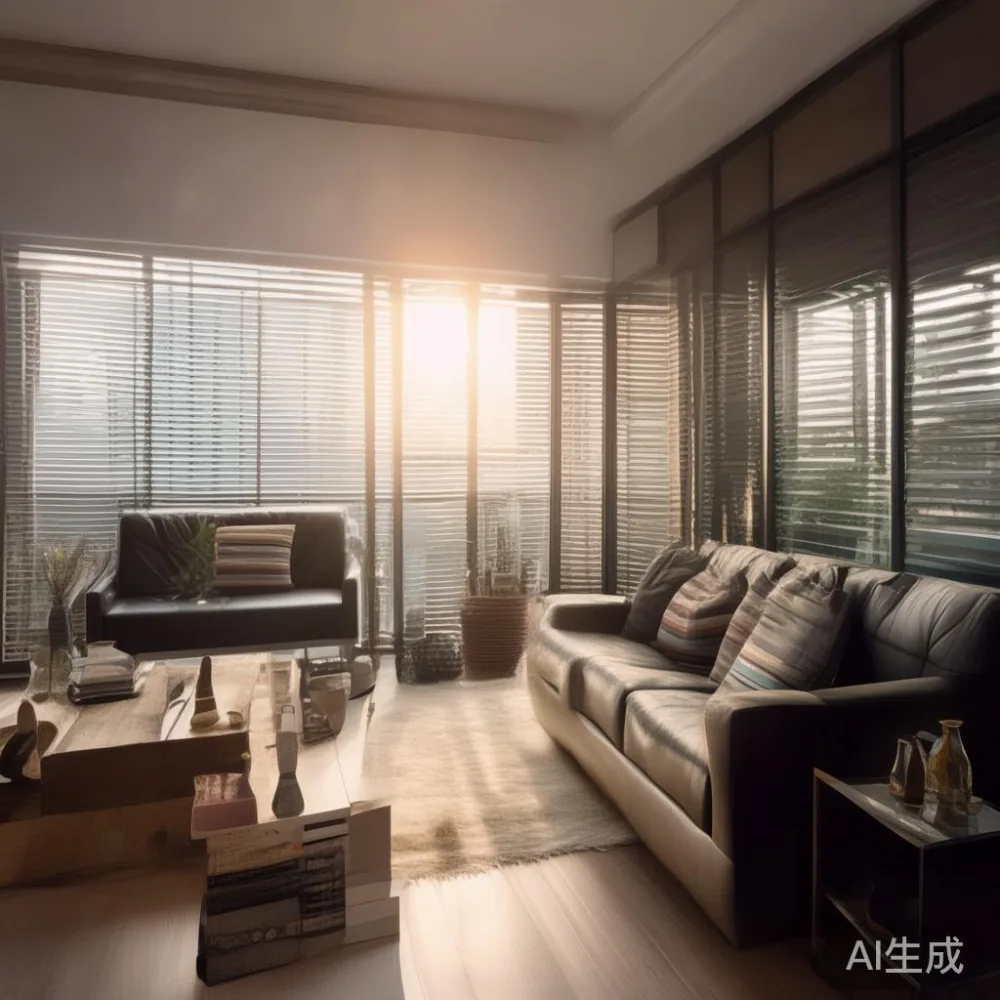
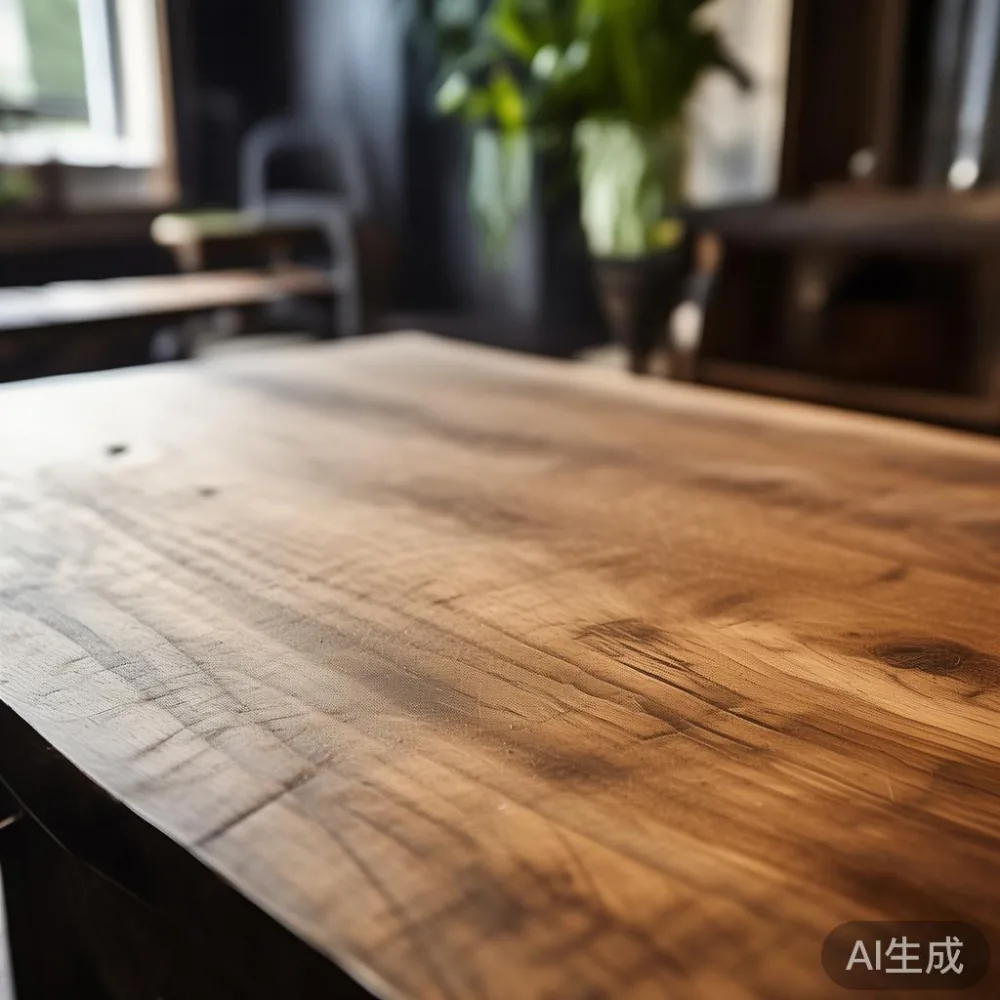
How Will This Sofa Fit Through My Singapore Apartment Door?
This is the most practical and non-negotiable first step. In Singapore, spatial constraints are a reality. A beautiful industrial style sofa is useless if it gets stuck in your lift or hallway. You need to gather three key sets of measurements: the sofa's dimensions, your access points, and the final room dimensions.
1. Sofa Dimensions (cm): The product description must provide the exact measurements. Look for Length, Width, and Height. A standard 3-seater sofa might be 180cm long, 90cm deep, and 85cm high. A larger L-shaped configuration could be 240cm x 180cm x 85cm. Note these down precisely.
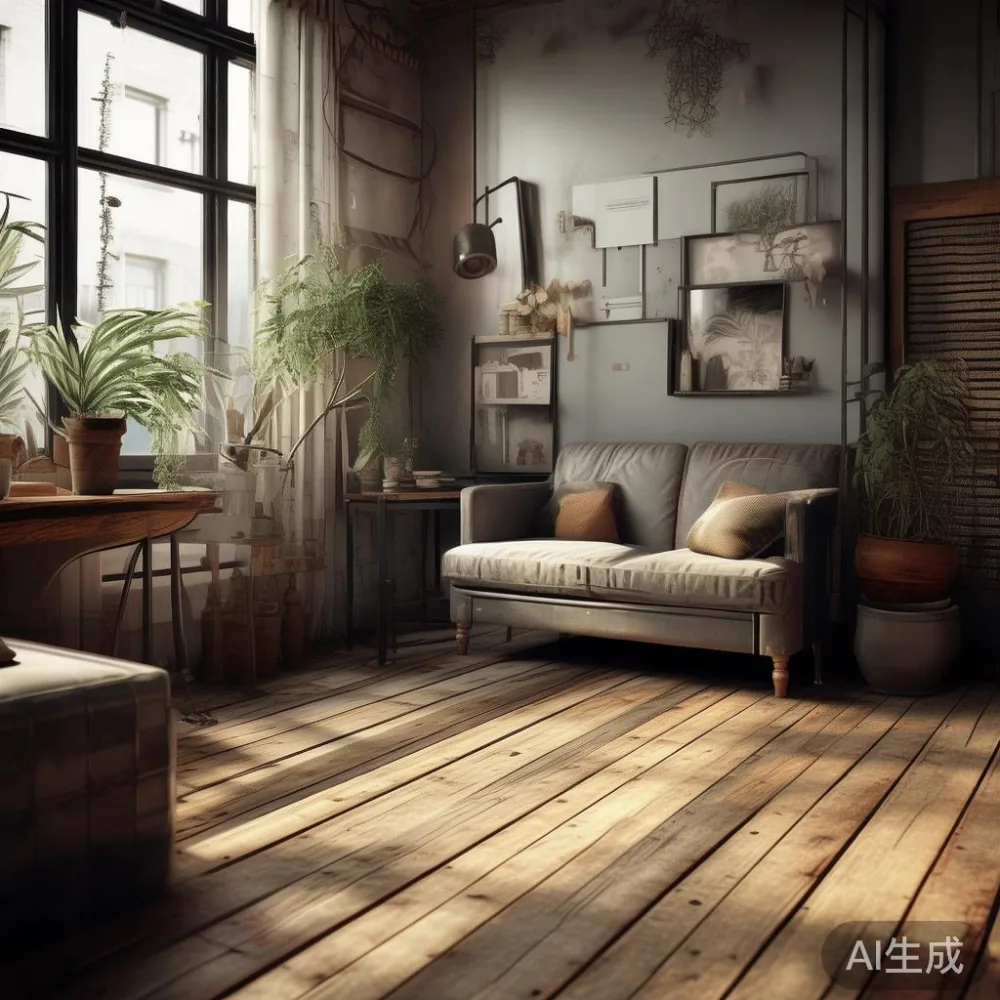
2. Access Points (cm): This is where Singapore-specific context comes in.
- HDB Lift & Corridor: Most HDB lifts have internal dimensions of approximately 110cm x 210cm (Width x Depth). Your corridor width in older flats can be as narrow as 120cm. A sofa that is 90cm wide will fit, but one that is 100cm wide might not. Measure the lift car and the path from the lift to your apartment door, including any tight turns.
- Condo Lift & Hallway: Condo lifts are often larger, sometimes 140cm x 220cm or more. However, the hallway width can still be a constraint, especially in older buildings. Always measure the narrowest point of the path.
- Doorway & Staircase: Measure your main doorway. A standard door is about 80cm wide, but you need to account for the door frame itself. If you're in a walk-up apartment, measure the staircase width and the turn at the landing.
3. Room Dimensions (cm): Measure the length, width, and height of your living room. Consider the placement. Will the sofa be against a wall? How much space do you need to walk around it? A general rule is to leave at least 45cm of walking space on all sides. A sofa that is 200cm long will dominate a small 300cm x 300cm room, but it could work perfectly in a 400cm x 400cm space.
Pro Tip: Don't forget about the packaging! The sofa will likely arrive in a wooden crate. Ask the seller for the crate dimensions to ensure it can be maneuvered through your access points.
What Should I Look for in a Sofa Frame and Construction?
The frame is the skeleton of your sofa. A flimsy frame leads to a sagging, uncomfortable, and short-lived piece of furniture. When you can't physically test the sofa, scrutinizing the product description for frame details is paramount. This is where the difference between a mass-produced item and a well-crafted piece like a MIDHILL dining table becomes apparent.
1. Material: The gold standard is solid wood, such as oak, beech, or acacia. Solid wood frames are incredibly durable and resist warping over time. Avoid descriptions that only mention 'wood' or 'engineered wood,' which can be a catch-all for particleboard or MDF (Medium-Density Fibreboard). MDF is cheaper but lacks the strength and longevity of solid wood and can be damaged by moisture, a consideration in Singapore's climate.
2. Joinery: This is a key indicator of quality. Look for terms like 'mortise and tenon,' 'dovetail,' or 'corner blocks.' These are traditional, strong methods of joining wood. A sofa with screwed or glued joints is less durable. A 10-year structural warranty, which reputable brands offer, is a good sign that the manufacturer stands behind the quality of their frame construction.
3. Spring System: The springs provide support for the seating and back cushions. There are two main types:
- Serpentine Springs: These are S-shaped, continuous wires running front to back. They offer a uniform, bouncy feel and are very durable. They are commonly found in higher-end sofas.
- Hand-Tied Springs: Each spring is individually tied to the next with twine. This is a labour-intensive process that creates an exceptionally supportive and comfortable seat, often found in premium French light luxury pieces.
Ask the seller about the spring system. A good sofa will have 8-way hand-tied springs or a high-quality serpentine system with a gauge of 11 or lower (the lower the number, the thicker and stronger the wire).
What Kind of Upholstery Will Last in Singapore's Humid Climate?
The upholstery is the skin of your sofa, and it takes the most abuse. In Singapore's heat and humidity, the choice of material is critical for both comfort and longevity. You need something that is breathable, durable, and easy to clean.
1. Fabric:
- Performance Fabric: This is an excellent choice for Singaporean homes. These are typically microfibre or polyester blends treated with a stain-repellent finish. They are durable, fade-resistant, and easy to wipe clean, making them ideal for homes with children or pets. A good performance fabric will have a high rub count (e.g., 50,000+ double rubs), indicating it will withstand years of use.
- Linen:
While beautiful and breathable, linen wrinkles easily and can be prone to staining unless treated. It's a great choice for a formal living room that sees less frequent use.
2. Leather: Leather is a classic choice for industrial style furniture. It's durable, develops a unique patina over time, and is relatively easy to clean. Full-grain or top-grain leather is the highest quality. Bonded leather is a lower-cost alternative made from leather scraps bonded with polyurethane; it is less durable and can peel over time. In a humid climate, ensure the leather is aniline or semi-aniline, which is more breathable than protected leather.
3. Maintenance: Ask about the care requirements. A good seller will provide specific instructions. For example, leather may need periodic conditioning with a specific cream to prevent it from drying out in an air-conditioned environment. Knowing this upfront helps you maintain the sofa's appearance for years.
How Do I Choose the Right Comfort Level Without Sitting on It?
Comfort is subjective, but it's not entirely guesswork. Without a physical test, you must rely on detailed descriptions, understand the components, and consider your own preferences.
1. Cushion Fillings: This is the primary determinant of feel.
- High-Density Foam: This provides firm, supportive cushioning. It is very durable and less likely to sag than standard foam. A sofa with high-density foam in the seat cushions will offer a more structured, upright sitting experience.
- Down or Feather Blend: Down cushions are incredibly soft and luxurious, conforming to your body. However, they require regular fluffing and can lose shape over time. A common compromise is a 'down-wrapped foam' core, which offers the support of foam with the softness of a down layer on top. This is a hallmark of American light luxury comfort.
- Fibre Fill: This is a synthetic material that mimics the feel of down. It is soft and affordable but can flatten out faster than foam or down.
2. Back Cushion Style: The back cushions significantly influence the comfort.
- Attached (Tight Back):strong> These cushions are not removable and are part of the sofa's back. They offer a clean, tailored look and a firm, consistent back support.
- Loose Back: These cushions are removable and can be rearranged. They are generally softer and more casual. The type of filling in these cushions (foam, down, etc.) will dictate their feel.
When reading descriptions, look for terms that match your desired comfort. If you want a plush, sink-in feel, look for down-wrapped or high-resilience foam. If you prefer a more supportive, upright posture, look for high-density foam cores.
What is the Total Cost and What Does it Include?
The sticker price is just one part of the equation. A savvy buyer calculates the total landed cost and understands what is included in the purchase. This is especially important when importing goods, where additional fees can apply.
1. The Base Price (SGD): This is the listed price for the sofa. For example, a solid wood industrial style sofa might be listed at SGD 2,800.
2. Delivery & Installation: This is a major cost factor. Ask for a detailed breakdown. Does the price include delivery to your address in Singapore? Does it include unpacking, assembly, and removal of packaging? For a large sofa, professional assembly is highly recommended. Some sellers offer free shipping over a certain amount, such as USD 350 (approx. SGD 470), which can be a significant saving.
3. Taxes (GST): In Singapore, Goods and Services Tax (GST) is currently 9%. This is applied to the value of the goods plus any shipping and insurance costs. If a sofa costs SGD 2,800 and shipping is SGD 200, the total taxable value is SGD 3,000. The GST payable would be 9% of SGD 3,000, which is SGD 270. Ensure the final invoice clearly lists these charges.
4. Other Potential Fees: Be aware of possible customs duties, although for furniture from many countries, these are often minimal or waived. Also, check if there are fees for delivery to specific floors or locations with difficult access.
5. The Warranty & Returns Policy: This is your safety net. A reputable manufacturer will offer a strong warranty. Look for a 10-year structural warranty on the frame and a lifetime refinishing warranty on the upholstery. This protects you against manufacturing defects. Also, confirm the return policy. A 14-day return period gives you a short window to inspect the sofa upon delivery and report any issues. For instance, you might discover the colour is slightly different from what you saw online or that there is a minor flaw.
For example, a customer searching for the best Rustic sofa for 2026 might find a beautiful piece from an overseas seller, but the shipping cost alone could be SGD 500. Factoring in GST on the combined total is a necessary step to avoid an unexpected bill. Similarly, someone looking for Italian light luxury for dining room should confirm if the price includes delivery of a heavy marble table to their condo.
How Do I Know This Sofa is Worth the Price?
When you can't physically experience a product, value is derived from trust, transparency, and brand reputation. A higher price tag should reflect superior materials, craftsmanship, and design. Here’s how to assess the value proposition of a sofa you can't sit on.
p>First, scrutinize the product details. A detailed description with specific materials (e.g., 'solid acacia wood frame,' 'top-grain aniline leather') is a good sign. Vague language like 'high-quality materials' is a red flag. Look for specifics on the joinery, spring system, and foam density. This transparency builds confidence that you're paying for quality, not just a name.p>Second, research the brand's history and ethos. A company established in 2008, like MIDHILL, has over a decade of experience in crafting solid wood furniture. This longevity suggests a commitment to quality and customer satisfaction. Look for reviews from customers in Singapore or similar markets. See what they say about the product's durability and the company's customer service. A brand that offers a 10-year structural warranty is confident in its product's construction.p>Third, consider the design and its fit with your home. The industrial style, for instance, is defined by raw materials like solid wood and metal, and a focus on functionality. If a sofa embodies this aesthetic with clean lines and honest materials, its value is in its design integrity. You are paying for a piece that serves as both functional furniture and a statement of style.p>Finally, compare the total value proposition. A cheaper sofa might save you money upfront, but if it uses MDF frames and low-density foam, it may need to be replaced in 3-5 years. A more expensive, well-made sofa could last 15-20 years. Over time, the more expensive option often represents a better investment. The best light luxury sofa for 2026, for example, should be an investment that you will enjoy for many years to come, blending comfort, style, and durability.Can I Trust Reviews and Online Photos?
In the absence of a physical showroom, online reviews and photos become your primary sources of information. However, they must be approached with a critical eye to avoid being misled by clever marketing or staged settings.
1. Analyzing Reviews: Don't just look at the star rating. Read the detailed reviews, especially the critical ones. Look for recurring themes. If multiple customers mention a specific problem, such as a colour that is much darker than the photos suggest or cushions that flatten quickly, take it seriously. Pay attention to reviews from customers in Singapore, as they will have a similar living context and can comment on suitability for local homes.
2. Decoding Online Photos: Product photos are designed to make the sofa look its best. To get a realistic sense of the piece, you need to look beyond the marketing shots.
- Look for Lifestyle Shots: Photos showing the sofa in a living room setting help you visualize its scale and how it might fit into your own space.
- Zoom In on Details: Look for close-up photos of the wood grain, stitching, and texture of the fabric. This will give you a better idea of the actual quality.
- Check for Multiple Angles: A good product page will show the sofa from the front, back, sides, and top. This helps you assess its profile and see details like the leg height or the back design.
- Be Wary of Lighting: Professional photography uses flattering lighting to enhance colour and texture. A sofa might look vibrant in a photo but appear dull in your home's lighting. Try to find photos in different lighting conditions if possible.
Remember, a trustworthy seller provides comprehensive information. If a seller is hesitant to provide detailed photos or answer specific questions about materials and construction, it's a warning sign. You are looking for a partner in furnishing your home, not just a transaction.