The 5-Year Financial Breakdown: Veneer vs. Solid Wood in Singaporean Homes
Choosing furniture for a Singaporean home is a decision made with a specific set of constraints in mind. The compact dimensions of HDB flats in Tampines or Bedok, the narrower corridors of older condos, and the practicalities of daily life all play a role. The material of your furniture is not just a matter of aesthetics; it's a long-term financial and lifestyle commitment. This article provides a detailed, 5-year cost comparison between two common options: veneer and solid wood, using the context of a typical Singaporean residence to illustrate the real-world implications.

Understanding the Materials: Veneer and Solid Wood
Before diving into the numbers, it's important to define the two contenders. Veneer furniture is constructed from a core material, often MDF (Medium-Density Fiberboard) or plywood, which is then covered with a very thin slice of real wood. The visible surface is wood, but the structure beneath is engineered. Solid wood furniture, on the other hand, is made from a single piece of lumber or solid wood panels. The entire structure, from the frame to the legs, is crafted from the same natural material. This fundamental difference in construction dictates everything from price point to longevity and maintenance requirements.
The Initial Investment: A Head-to-Head Price Comparison
The most immediate difference between veneer and solid wood is the upfront cost. For a standard 3-room HDB flat, let's consider a set of core living room and bedroom pieces. We will use Singapore Dollars (SGD) for all pricing, inclusive of the current 9% Goods and Services Tax (GST).
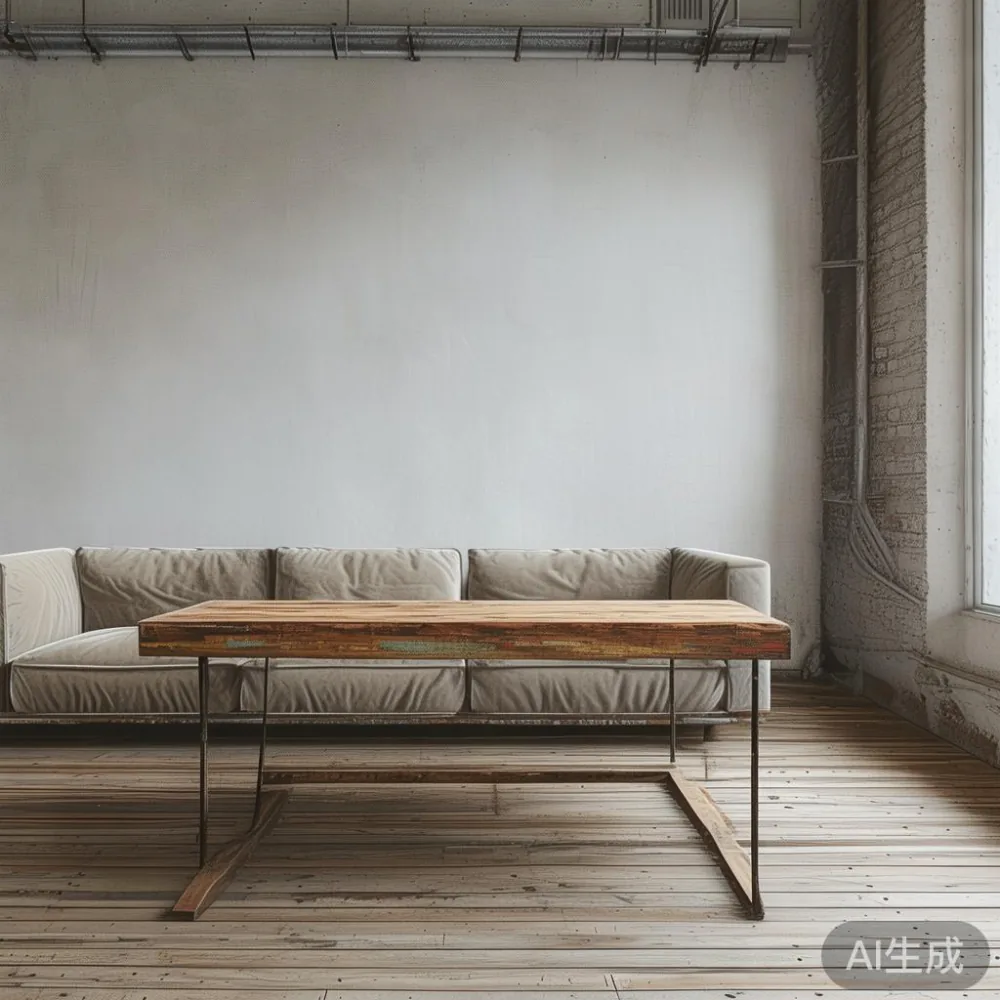
A typical veneer dining table set for 4 people, including chairs, might cost between SGD 1,200 and SGD 1,800. A solid wood dining table of comparable size and quality would start from SGD 2,500 and can easily exceed SGD 4,000. The price difference is driven by the material cost and the more complex joinery required for solid wood construction.
Similarly, a veneer queen-size bed frame might be priced at SGD 800 to SGD 1,200. A solid wood bed frame, with its solid construction and natural finish, would typically range from SGD 1,500 to SGD 2,500. For a wardrobe, the difference is even more pronounced. A veneer wardrobe with sliding doors could cost SGD 1,000 to SGD 1,500. A solid wood wardrobe, offering superior durability and timeless appeal, would begin at SGD 2,500 and go up based on the wood type and design.
My colleague, who recently furnished her new Punggol apartment, shared her experience. She opted for a mix of veneer and solid wood to manage her budget. She noted that while the veneer pieces looked good initially, the solid wood solid wood sofa she purchased felt significantly more substantial and had a depth of colour that the veneer pieces couldn't match. The initial saving on the veneer pieces was quickly overshadowed by her desire for quality in her main seating area.
Year 1-2: The Aesthetic and Practical Reality
In the first two years, both veneer and solid wood furniture can look beautiful. Veneer technology has advanced significantly, allowing for very convincing wood grain finishes. However, the first signs of wear and tear often begin to appear, especially in high-traffic areas of a Singaporean home.
Consider the lift and corridor width challenge. Moving a large piece of furniture into an HDB flat often involves working through tight spaces. Veneer furniture, being lighter, is easier to handle. However, its lighter construction can also mean it's more susceptible to damage during these moves. A sharp knock against a wall corner can easily chip the thin veneer layer, revealing the MDF core underneath and compromising the piece's integrity.
For solid wood, the weight is a consideration, but its durability is a major plus. Solid wood is more forgiving of minor impacts. A small scratch on a solid wood surface can often be sanded out and refinished, blending back into the wood's natural character. A deep scratch on a veneer surface, however, is often permanent and unrepairable, leaving a visible blemish. This practical difference becomes apparent when you have children or pets, or simply from the daily use of placing items on a marble table or nightstand.
Year 3-4: Maintenance and Repair Costs
As the furniture enters its third and fourth years, the focus shifts from appearance to maintenance. This is where the long-term costs of veneer versus solid wood become more defined.
Veneer furniture requires careful maintenance. Exposure to Singapore's high humidity can cause the thin wood layer to warp, bubble, or peel at the edges. Cleaning must be done gently; harsh chemicals or excessive moisture can permanently damage the finish. Repairing a damaged veneer is difficult and expensive. It often requires a professional to carefully remove and replace the damaged section, a process that can cost several hundred dollars for a single piece, like a dining table or wardrobe.
Solid wood furniture, by contrast, thrives with proper care. It may develop a natural patina over time, which many owners view as a desirable characteristic. To maintain its lustre, occasional polishing with a suitable wood conditioner is recommended. The most significant advantage is its repairability. Deep scratches, dings, or stains can be sanded out and the piece refinished. A full refinishing of a solid wood dining table or bed frame can restore it to its original condition at a fraction of the cost of replacing a damaged veneer set.
For example, refinishing a solid wood dining table might cost SGD 400 to SGD 600, depending on the size and complexity. Replacing a veneer dining table that has suffered water damage or peeling would mean spending another SGD 1,200 or more. The cumulative cost of ownership for veneer begins to rise as repair and replacement become necessary.
Is Solid Wood Really a Better Investment Over 5 Years?
This is the central question for many homeowners. The answer depends on your definition of 'better'. If 'better' means the lowest initial price tag, then veneer wins. If 'better' means long-term value, durability, and a lower total cost of ownership, solid wood is the superior choice.
Let's model the 5-year cost for our 3-room flat scenario. We will assume the veneer set requires one major repair (e.g., a peeling dining table top) costing SGD 500 in year 4, and the solid wood set requires one professional polish in year 3 costing SGD 150.
5-Year Cost of Veneer Furniture:
Initial Purchase: SGD 4,000 (for dining, bed, wardrobe)
Repair Cost (Year 4): SGD 500
Total Cost: SGD 4,500
5-Year Cost of Solid Wood Furniture:
Initial Purchase: SGD 7,000 (for dining, bed, wardrobe)
Maintenance Polish (Year 3): SGD 150
Total Cost: SGD 7,150
On the surface, veneer appears cheaper. However, this calculation doesn't account for the risk of total failure. What if the veneer wardrobe's side panels warp and need to be replaced, costing SGD 800? Or the veneer bed frame's joints weaken? The potential for unforeseen, high-cost repairs with veneer is significant. Solid wood's structural integrity is far greater, reducing this risk. Also, a solid wood piece retains its value much better. After 5 years, you could likely sell your solid wood dining table for a reasonable price, whereas the value of a damaged veneer piece would be negligible.
Integrating Style: Industrial, Light Luxury, and Your Singaporean Home
The financial argument is only one part of the equation. The aesthetic must also fit your home. The industrial style, with its emphasis on raw materials, exposed construction, and a blend of wood and metal, is a natural fit for solid wood furniture. A solid wood bed frame with visible metal accents or a dining table with a thick, live-edge top perfectly embodies this aesthetic.
For those who prefer a softer touch, light luxury is a popular choice. French light luxury, for instance, often features elegant lines and lighter wood tones. A solid wood nightstand in a French provincial style can add a touch of sophisticated elegance to a bedroom. The question of how to style European light luxury wardrobe in an apartment is easily answered with a solid wood piece; its natural grain and sturdy construction provide the foundation for a timeless look. Similarly, when considering European light luxury for dining room, a solid wood dining table offers the durability and presence needed for a centrepiece that will last for decades.
Post-modern light luxury blends traditional forms with modern materials and a focus on comfort. A solid wood sofa with clean lines and plush cushions can anchor a living room in this style. The trend for sale Minimalist furniture also favours solid wood, as its natural beauty and honest construction require no elaborate ornamentation. When you learn how to style European light luxury bed in room, you see that a solid wood frame provides the perfect canvas for luxurious linens and textures.
Ultimately, the choice between veneer and solid wood is a choice between a temporary solution and a long-term partner for your home. While veneer may offer a lower entry point, the investment in solid wood furniture, like that crafted by MIDHILL furniture, is an investment in quality, resilience, and enduring style that will serve you well for the 5 years and beyond in your Singaporean home.
How to Style European Wardrobe in Room: A Practical Guide
Styling a European wardrobe, whether veneer or solid wood, involves more than just placing it in a room. It's about creating a cohesive look. For a solid wood wardrobe in a bedroom, position it against a wall with a complementary paint colour, perhaps a soft grey or a deep blue to make the wood's warmth pop. Pair it with nightstands of a similar material to create a unified suite. The wardrobe's natural texture can be balanced with softer elements like a plush rug and linen bedding, creating a space that is both grounded and inviting.