Solid Wood or Veneer? A 5-Year Cost Comparison for Singapore Homes
Choosing furniture for a Tampines HDB flat, a Bedok condo, or a Punggol home often comes down to two labels: solid wood or veneer. The sticker price can favor veneer, but a fair comparison must include care, repairs, replacement parts, delivery obstacles, and the number of years the piece remains in use. Over a 5-year period, solid wood can prove more economical than its lower purchase price suggests.
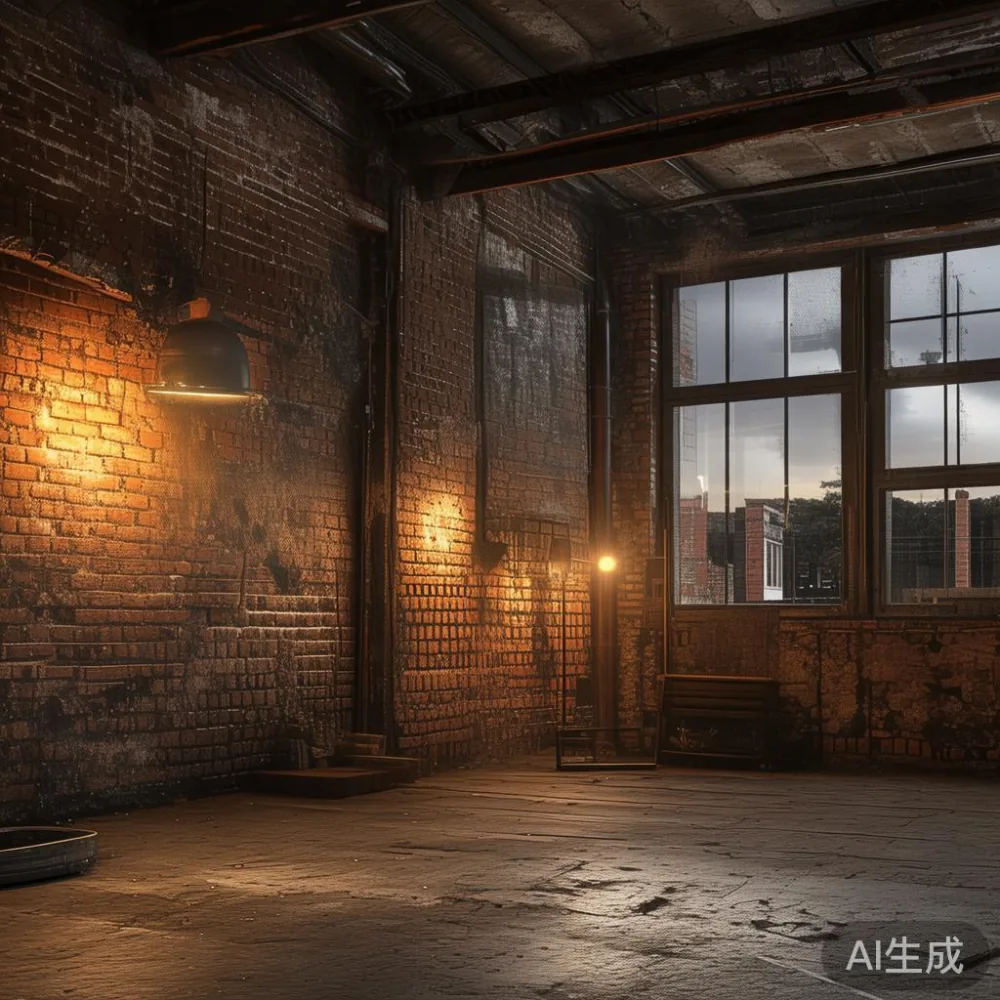
This comparison focuses on furniture suited to industrial style interiors: solid wood sofa frames, bed frames, dining tables, wardrobes, nightstands, and occasional marble tables. Prices are stated in Singapore dollars and include the 9% GST shown for Singapore purchases. Measurements are metric, delivery windows are estimates, and assumptions are listed so each household can adjust the figures.
Industrial style does not require a warehouse filled with heavy, dark pieces. It works well with exposed timber, black metal, restrained joints, and compact proportions. The material still affects the result. A solid wood dining table may look substantial and handle daily wear differently from a veneered table with a thin decorative layer.
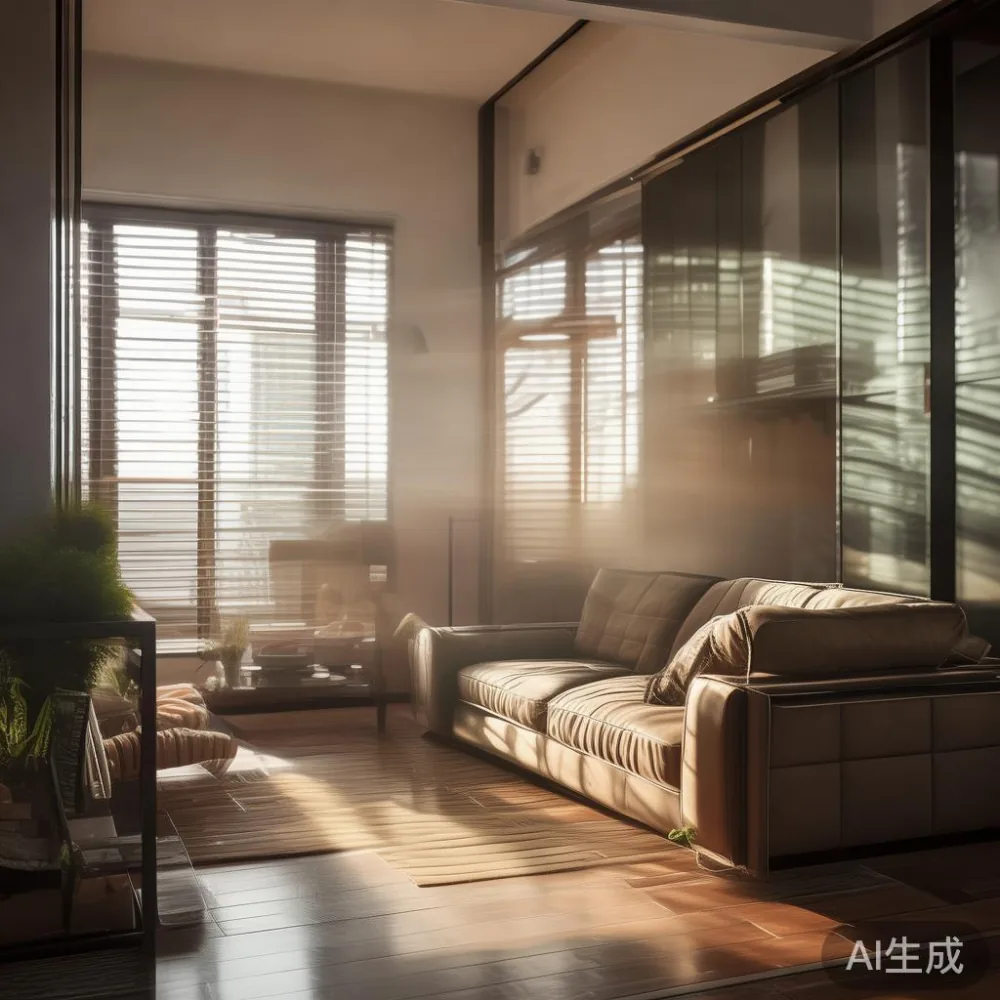
What is the real 5-year difference between veneer and solid wood?
The question sounds simple, yet the answer depends on how the furniture is made, where it is used, and whether it is repaired. Veneer is a real wood layer, often 0.6 mm to 1.2 mm thick, bonded to a particleboard or MDF core. Solid wood refers to timber used across the visible and structural sections, with common choices including oak, ash, beech, walnut, and rubberwood.
For this exercise, the sample budget is SGD 3,200 for a dining set, SGD 1,800 for a bed frame, SGD 1,500 for a wardrobe, SGD 450 for a nightstand, and SGD 1,200 for a sofa frame. The veneered versions total SGD 8,150, while the solid wood versions total SGD 10,450. That is an initial solid wood premium of SGD 2,300, or 28.2%.
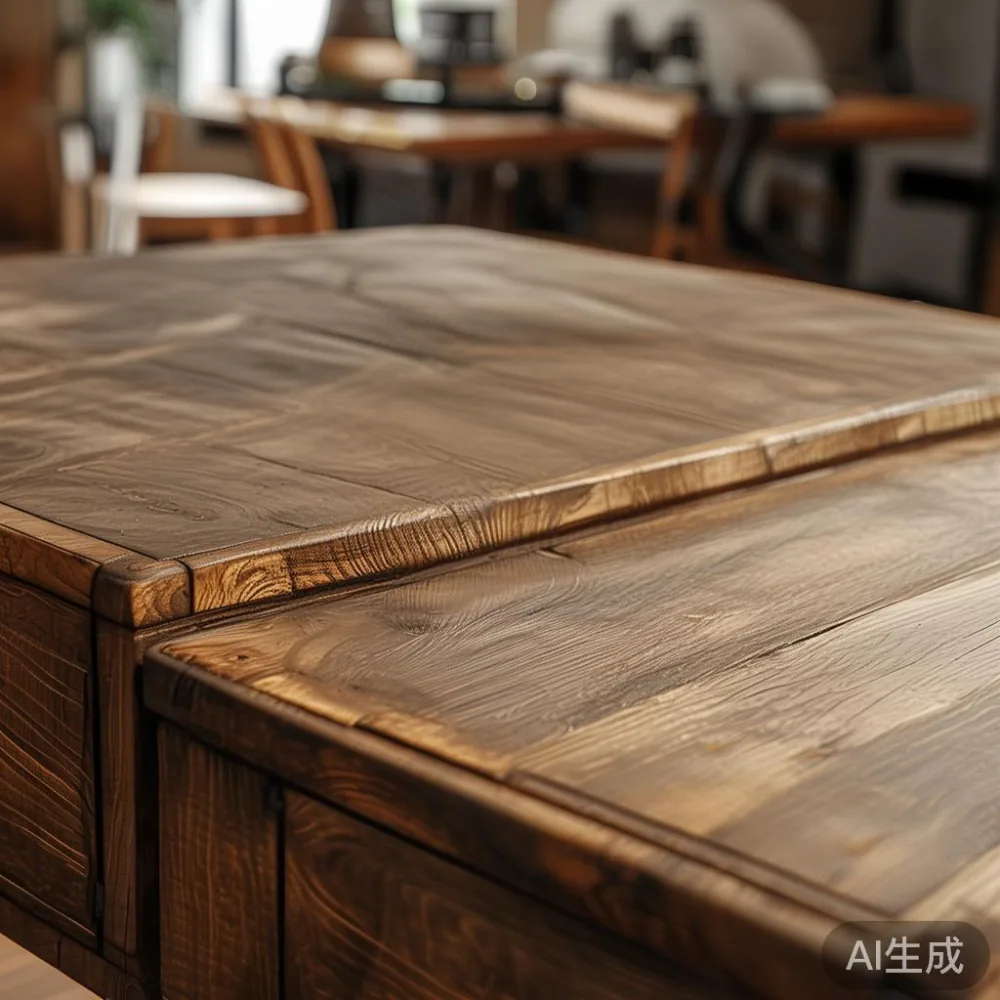
Across 5 years, the calculation below includes maintenance, likely repair costs, and a 10% reserve for replacement or unplanned expenditure. It does not include resale value, because wardrobes and dining tables are commonly moved, altered, or kept for longer than 5 years. GST is treated as part of each displayed price rather than added twice.
How do typical Singapore prices compare?
The table below presents indicative retail pricing before any promotional discount. A compact dining table is 120 cm wide and 75 cm high, making it practical for many 3-room HDB dining areas. A 160 cm version requires more turning room in a corridor or lift. For lift access, the package width should be measured before ordering; a 68 cm lift entrance cannot accept a 90 cm assembled cabinet without disassembly.
| Item | Typical size | Solid wood | Veneer | Difference |
|---|---|---|---|---|
| Dining table | 120 × 75 × 75 cm | SGD 1,600 | SGD 1,000 | SGD 600 |
| Bed frame | 150 × 200 cm | SGD 1,800 | SGD 950 | SGD 850 |
| Wardrobe | 180 × 60 × 200 cm | SGD 1,500 | SGD 900 | SGD 600 |
| Nightstand | 45 × 40 × 50 cm | SGD 450 | SGD 250 | SGD 200 |
| Solid wood sofa frame | 220 × 90 × 80 cm | SGD 5,100 | SGD 5,050 | SGD 50 |
A marble table is a separate case. A 100 × 60 cm marble table with a metal base may cost SGD 980 to SGD 1,600. Its maintenance profile differs from timber because porcelain or natural marble can stain, scratch, or chip. The repeated phrase “for sale light luxury furniture” belongs in natural market language, but it should not obscure the material differences that determine 5-year costs.
Buyers comparing Industrial for dining room layouts should check leg clearance, chair pull-out space, and doorway measurements. For compact flats, the Boho for dining room question may involve cane, light timber, woven textures, and softer edges. None of those features makes veneer solid wood, even when the surfaces look similar at first glance.
What maintenance costs should I budget over 5 years?
For the annual care allowance, solid wood receives SGD 180 for the dining table, SGD 140 for the bed frame, SGD 120 for the wardrobe, SGD 40 for the nightstand, and SGD 120 for the sofa frame. This totals SGD 600 over 5 years. The figures cover one professional refinishing cycle, polishing oil, hinge adjustment, minor scratches, and small hardware replacement.
The veneer allowance totals SGD 380 over 5 years. It includes reglue or patching at SGD 120 to SGD 280, surface treatment at SGD 25 to SGD 60 per year, and one edge or panel repair averaging SGD 160. Veneer care is not expensive when damage is small. The risk is that a lifted edge or swollen particleboard core cannot be repaired as neatly as a solid timber board.
Repairs create another gap. A solid oak dining table might need SGD 250 to replace a damaged section after 4 years. A matching veneered panel could require SGD 350 because the decorative layer, adhesive, and core may need separate work. A wardrobe hinge can cost SGD 18 to SGD 45 per side to replace, while an entire 45 cm solid wood drawer front may cost SGD 70 to SGD 120. Veneered fronts may cost SGD 35 to SGD 80 if matching stock is available.
Humidity deserves attention. Singapore’s outdoor air often moves between roughly 24°C and 33°C, while air-conditioned interiors may sit near 24°C. Nightstands and wardrobes near windows should not touch damp walls. A simple moisture check is useful: compare the back of the panel with the room surface and look for swelling, softness, or an open joint.
What happens when furniture must pass through a lift or corridor?
Delivery can erase apparent savings. A flat-packed veneer wardrobe may fit through a 70 cm lift door and travel in 3 to 5 delivery days after fabrication. A solid wood wardrobe may arrive in 7 to 12 days because it needs protective crating and separate handling. White-glove delivery to a Tampines tower may add SGD 90 to SGD 180 if the item is above 80 kg and requires two crew members.
Last month I visited a colleague’s 3-room HDB flat in Bedok with an unusually narrow service corridor, about 68 cm at the tightest point. A 180 × 60 cm wardrobe could not be turned into the corridor because its diagonal was larger than the available clearance. The solution was to order a flat-pack solid wood design with knock-down sides, not a heavier one-piece carcass. Delivery took 9 days, and the assembly took 95 minutes with 2 people and 8 hand tools.
This experience shows why construction matters more than a material label. A knock-down solid wood wardrobe can weigh 72 kg, while a fitted one-piece cabinet may weigh 118 kg. Both fit a lift differently. For Punggol and Tampines HDB moves, compare the packaged dimensions with the lift door, lift depth, turning radius, corridor width, and home entrance before checkout. Include at least 5 cm clearance on each side.
Cost comparison should therefore include delivery protection and labour. For a large solid wood dining table, use SGD 120 for protective packaging and SGD 160 for two-person carrying when the unit exceeds 85 kg. Add SGD 90 for stairs beyond the lift lobby if the building has only one short flight. Veneer furniture is often lighter by 20 to 45 kg, but dense MDF construction does not guarantee easier handling.
What does a 5-year cost comparison actually look like?
The following calculation uses the sample basket and the stated care and repair reserves.
| 5-year item | Solid wood | Veneer |
|---|---|---|
| Initial furniture cost | SGD 10,450 | SGD 8,150 |
| Planned care and repairs | SGD 600 | SGD 380 |
| Unplanned 10% reserve | SGD 1,045 | SGD 815 |
| Indicative delivery and difficult-access allowance | SGD 690 | SGD 340 |
| 5-year total | SGD 12,785 | SGD 9,685 |
On these assumptions, veneer is SGD 3,100 less expensive over 5 years. Solid wood has a higher purchase and handling cost, so it does not automatically win on arithmetic. It wins when the buyer values repairability, durability, and the ability to refinish a marked piece instead of replacing its skin.
Now consider a scenario with one major incident. A child’s marker pen reaches a dining table in year 3. Refinishing one solid wood top may cost SGD 180 and take 1 day. Re-edging a veneered top may cost SGD 310 and take 5 days, including colour matching. Add those amounts to the totals: solid wood reaches SGD 12,965, while veneer reaches SGD 9,995. The gap is SGD 2,970, still driven mainly by the purchase price.
A business buyer with a 12-hour workday may replace damaged furniture rather than wait for a repair. A homeowner willing to protect and maintain the piece will obtain better long-term value from solid wood. That is also why a product search for “where to buy dining table from MIDHILL” should lead to dimensions, finish details, and care instructions rather than a slogan.
Which choice suits each Singapore home?
For a compact HDB bedroom, a veneered bed frame can be sensible if the budget is fixed at SGD 950 and the surface is protected from moisture. Confirm that the headboard, side rails, and drawer components are clearly labelled. A “wood-look” finish on an MDF board is not a solid wood bed frame, even if the edge shows brown layers.
For a dining area used every day, solid wood is often easier to maintain. Joints can tighten, small marks can be sanded, and a dining table can be refinished after 5 or 10 years. An industrial style dining table with a 4 cm top and a 160 cm length may weigh 68 kg. Its owners should use a 160 × 75 cm floor area for chairs, a 90 cm lift door, and at least 5 cm around the table for movement.
Wardrobes need a different test. If the home has a 70 cm lift and a 75 cm corridor, a modular solid wood design with 18 to 22 mm panels may be more practical than a large fitted unit. The panels should be finished on all visible edges. A nightstand is usually easier to justify in solid wood because it is touched often and costs only SGD 200 more than veneer in the sample.
For sofas, the frame matters more than the outer upholstery. A MIDHILL sofa with kiln-dried hardwood or solid wood load-bearing members can remain serviceable after the covering is changed. Request the frame species, joint method, warranty period, and cushion measurements. The industrial style silhouette should also allow at least 60 cm of clear walking space in a Bedok or Tampines living room.
Home offices need a narrower approach. Modern light luxury for office can include a solid wood desk with concealed cable management, a marble table for a compact writing surface, and storage no deeper than 45 cm. Modern light luxury for office proportions should not crowd an HDB study. A desk 120 × 60 cm leaves 70 cm of movement space in many built-in layouts, while a 90 cm corridor needs the desk delivered flat.
How can light-luxury styling affect the 5-year decision?
French light luxury usually favours pale oak, cream upholstery, slim profiles, and gentle metal details. American light luxury often combines dark oak, leather, and visible but controlled hardware. Post-modern light luxury can mix timber, stone, and geometric forms. Across these looks, solid wood offers an advantage when a surface will receive visible handling: the grain can be repaired, and the colour can be renewed.
That benefit matters for a marble table too. A marble top may be paired with a solid wood or metal base, but stone and timber age differently. Seal marble every 12 months, keep acidic liquids away from it, and use coasters measuring at least 8 × 8 cm. For an industrial style interior, 2 mm metal trim around a solid wood cabinet may be added, but the underlying panels should remain accessible for repair.
Buyers browsing for sale Modern furniture should compare construction data with appearance. A 180 cm wardrobe with 18 mm solid wood panels, soft-close hinges rated for 30,000 cycles, and adjustable feet may offer more practical value than a cheaper unit with decorative veneer and particleboard backing. Ask for measured specifications, not just a finish photograph.
What should I check before ordering?
Check whether “solid wood” covers the whole piece or only selected parts. For a dining table, ask whether the top, apron, legs, and drawer boxes are solid timber and what species are used. For a bed frame, confirm the slats, centre support, and load rating. For a wardrobe, ask whether the back panel, shelves, and hanging rails are solid wood, plywood, or MDF. For a nightstand, verify the drawer sides and bottom.
Finish care instructions should state the expected maintenance interval. A hardwax-oil finish may need a fresh application every 18 to 24 months in a humid home. Lacquer may require only gentle cleaning, but scratches can be harder to blend. Keep furniture at least 5 cm from walls and out of direct afternoon sunlight where possible.
Warranty terms should also be compared over 5 years. MIDHILL was established in 2008, exports to more than 15 countries, provides a 10-year structural warranty, and offers lifetime refinishing on qualifying pieces. These are useful points to verify in writing for the exact product. For Singapore orders, confirm that the policy covers joint separation, frame defects, and the stated timber components rather than every kind of surface wear.
Delivery should be confirmed against the building’s access rules. The standard free-shipping threshold of US$350 may apply to international orders, while Singapore delivery charges depend on size, weight, distance, and access. Returns are generally permitted within 14 days under the applicable policy. Check the product condition, packaging, assembly, and collection terms before accepting.
For solid wood, a 5-year budget can include one professional refinishing visit costing roughly SGD 220 to SGD 420, plus SGD 80 to SGD 120 for care products. For veneer, hold SGD 200 to SGD 400 for one significant repair and add SGD 100 for preventive care. Those are planning ranges, not fixed quotations.
The most useful comparison is not the lowest invoice but the cost of ownership for the room where the furniture lives. Veneer can suit a controlled budget and a temporary fit-out. Solid wood can suit a home that expects to keep, repair, and live with the same piece for decades. Measure the route, inspect the specifications, and calculate the 5-year care budget before the style becomes the deciding factor.