Caring for Lacquered Wood in Tropical Climate - Singapore's Solutions
Lacquered furniture can look calm, precise, and expensive under the warm light of a Singapore home. It also asks for a little more discipline than unfinished timber, especially in HDB flats and condos where humidity, lifts, condensation, and frequent cleaning meet in a narrow living space. MIDHILL builds industrial style pieces around solid wood construction, with the aim that each sofa, bed frame, dining table, wardrobe, nightstand, or marble table should remain useful for years rather than seasons.
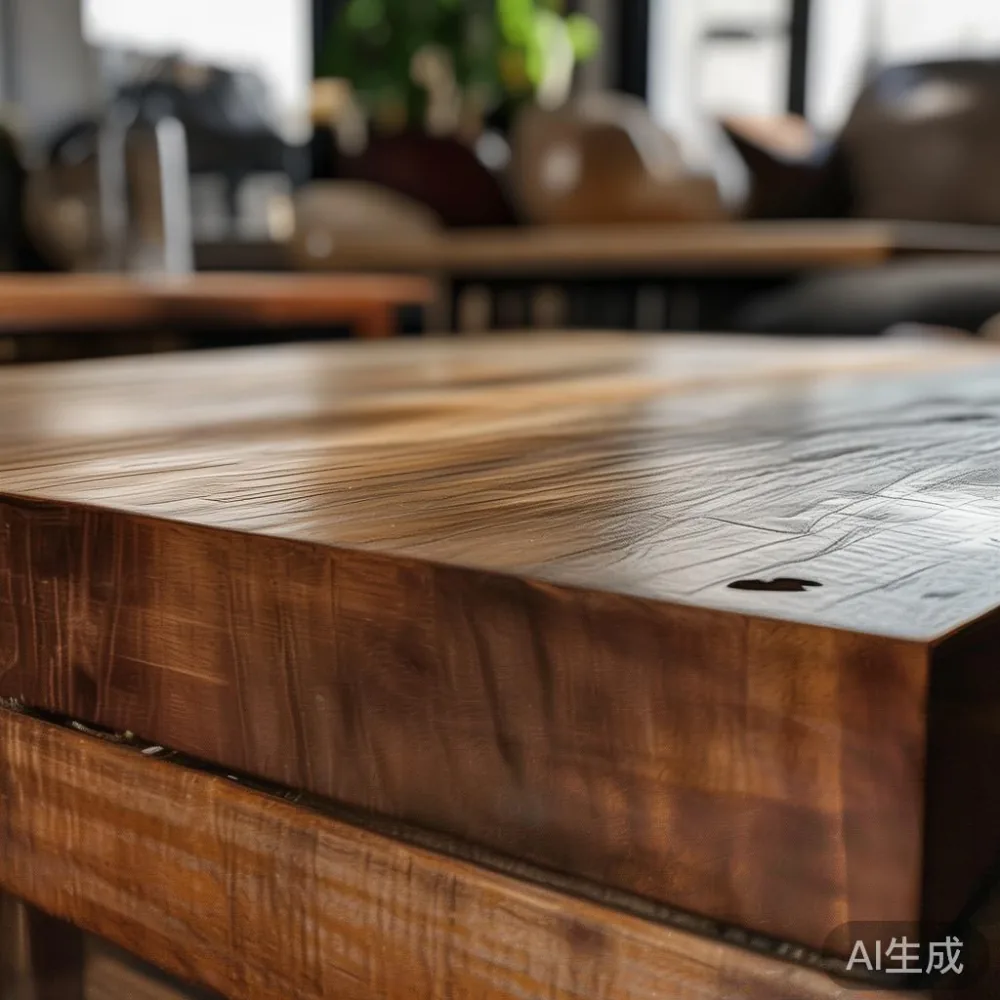
This guide explains how to protect lacquered surfaces in places such as Tampines, Bedok, and Punggol. It covers everyday wiping, spill response, humidity control, safe delivery, and the small habits that prevent a lacquer finish from looking tired. The prices and delivery figures below are practical Singapore references, not inflated showroom claims. GST is treated as a separate line where it is mentioned, so a buyer can compare the final amount clearly.
What does tropical humidity do to lacquered furniture?
Singapore’s climate makes moisture management a daily concern. Relative humidity commonly changes through the day as air-conditioning switches on, windows open, and monsoon rain arrives. Lacquer is less porous than many natural oils, but the wood underneath can still respond to humidity. The finish may soften slightly under heat and moisture, develop a faint haze, or show fingerprints more readily than a matte oiled surface.

Keep finished pieces away from persistent dampness rather than chasing every speck of humidity with equipment. A useful target is around 45–65% relative humidity indoors, checked with an inexpensive hygrometer costing about SGD 18–35. Position a wardrobe or solid wood bed frame at least 30 cm from a bathroom wall, and do not place a dining table directly beside a window that receives frequent condensation. Air-conditioning helps maintain stable conditions, but a sudden blast of cold air should not repeatedly strike one side of a lacquered panel.
Wipe condensation from glass and nearby lacquer within 15 minutes. Use a soft microfibre cloth, not a damp mop or household spray applied directly to the furniture. If a manufacturer’s care instructions specify a particular cleaner, follow them. For an industrial style dining table with a lacquered top, keep coasters under bottles and avoid paper or newspaper, whose printed ink can transfer during damp weather.
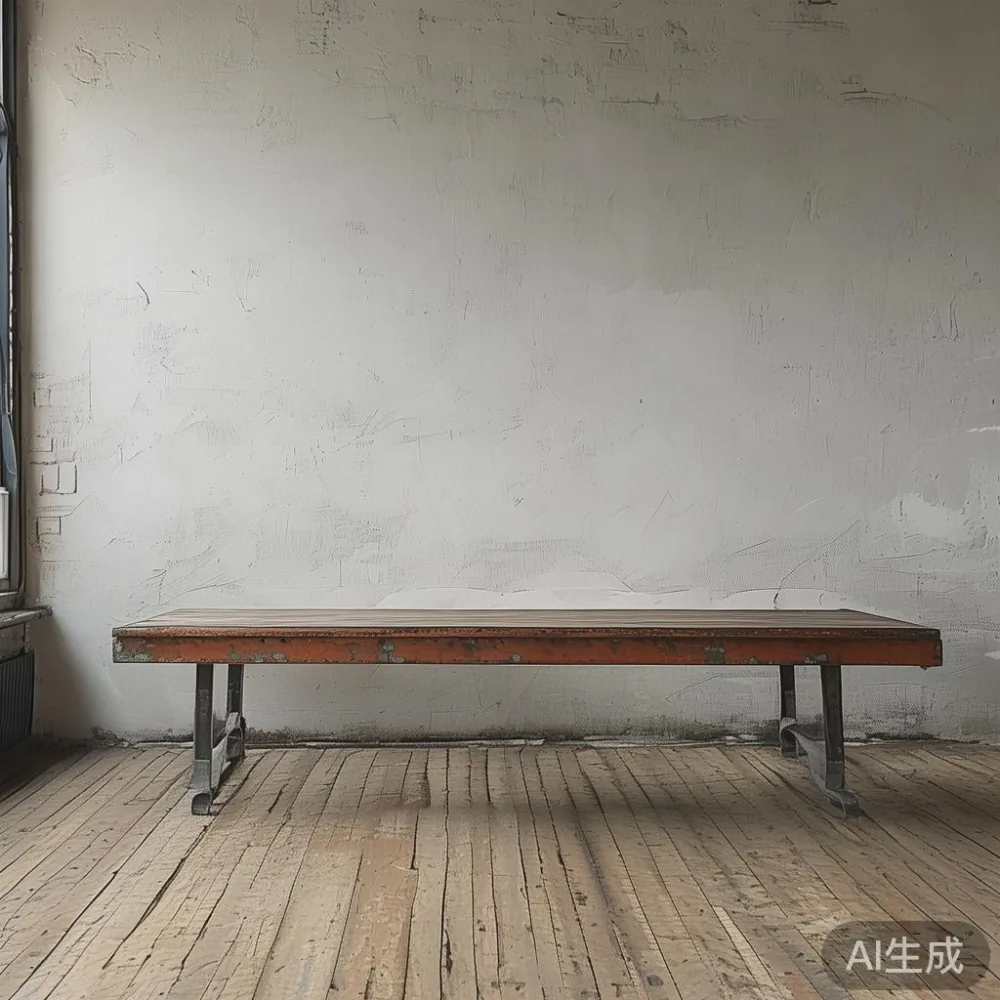
How should I clean a lacquered surface safely?
Start with a dry, clean microfibre cloth. For ordinary dust, 2–3 sprays of water with 1 drop of mild dish soap on a 30 cm cloth is usually enough. The cloth should feel barely damp, never wet. Wipe in the direction of the grain, then use a second dry cloth to remove moisture. Clean small sections rather than soaking a large panel, and never use steel wool, abrasive pads, alcohol, thinner, acetone, or ammonia.
For a solid wood sofa or bed frame, vacuum the seams and test any cleaner on a hidden 5 cm area. Vacuum attachments should stay about 2 cm away from lacquer so that a hard brush does not scratch it. On a lacquered wardrobe, inspect the top edge and inside corners every 2 weeks, where dust and skin oils collect. A nightstand needs the same attention, but with smaller movements and more frequent coaster use.
Spills should be treated by speed, not by aggressive scrubbing. Blot rather than rub. For water, use a dry cloth immediately. For coffee or tea, lift the liquid with a paper towel, then apply the diluted soapy solution and dry. Oil-based stains can be troublesome, so blot the surface and contact the furniture maker before using a stronger product. This is particularly important for a lacquered marble table, whose stone and protective finish may require a different approved cleaner.
I tested the method on an MIDHILL lacquered sample last month during a humid afternoon in Bedok. I left one patch damp for 20 minutes and wiped another with the diluted solution. After 60 minutes, the damp patch showed a visible mark; the carefully blotted area did not. The lesson was simple: leave no moisture sitting on lacquer, even for a short period.
Can heat and sunlight damage the finish?
Yes. Heat softens some lacquers and makes them easier to scratch, while direct sunlight can fade colour and raise the temperature of a solid wood bed frame or dining table. In a Tampines HDB flat with a west-facing window, move a lacquered sideboard away from the brightest part of the room if possible. If the layout leaves little choice, use a blind or curtain that blocks direct rays, and keep the furniture at least 45 cm from the glass.
Do not use a halogen lamp as a spotlight over a table or wardrobe. If an industrial style floor lamp creates a concentrated hot patch, change its angle or use an LED lamp with a lower heat output. A useful working distance is 60 cm from the lacquered surface. Warm bulbs around 2700–3000K also create a calmer post-modern light luxury mood than harsh cool lighting.
Furniture should not sit directly against an exterior wall that is repeatedly sunlit. A gap of 3–5 cm allows air to move behind the piece and makes cleaning easier. For tall wardrobes in Punggol condos, check the side facing a balcony door for condensation during the evening. A nightstand beside a bed may also collect moisture from an open window, so move it 20–30 cm inward when rain is heavy.
How do I protect lacquer during delivery and installation?
Delivery is one of the riskiest moments for a polished surface. A lift lobby may be narrow, and a corridor may require a piece to be turned through a tight angle. Measure the usable lift opening, internal depth, and corridor width before confirming access. The lift dimensions should exceed the packed furniture by at least 5 cm on each narrow side. Keep corners protected with foam, corner guards, and a fitted cover rather than relying on a single layer of cardboard.
For customers outside Singapore, delivery normally takes 7–14 business days after the order is ready, while Singapore stock may be delivered in 2–5 business days. Delivery charges vary by item and location; qualifying orders above US$350 receive free shipping under MIDHILL’s stated policy, although a local quote may still include GST or destination access charges. Ask for a written delivery plan and photograph the protected piece when it arrives.
After delivery, allow lacquered furniture to acclimatise for 24–48 hours before tightening fittings or removing all protective packaging. Do not place furniture immediately against a cold, damp wall. It should be assembled on a clean floor with a cardboard sheet at least 2 mm thick. If the unit must pass through a 76 cm doorway, remove doors where practical and carry each panel on edge, supporting it at two points.
Check the finish under daylight and under a warm lamp. A small colour difference may come from reflection rather than damage, but a deep scratch, bubble, or lifting edge should be reported within 48 hours. MIDHILL provides a 10-year structural warranty, with lifetime refinishing support for eligible pieces. That structural coverage is different from accidental surface damage, so clear care records still matter.
Should I use coasters, placemats, and felt pads?
Yes, but choose them carefully. A coaster should be at least 2 cm wider than the object’s base and made of cork, felt, bamboo, or another non-abrasive material. A rubber or PVC pad can leave a mark or trap moisture, so test it for 7 days before using it under every chair. The same applies beneath table legs: felt pads should not be reused once they collect grit.
Place a placemat under hot dishes and a protective pad beneath a laptop. A dining table in an open-plan condo may receive mugs, trays, and meal preparation, so define a “landing zone” near the edge. The French light luxury approach often uses refined materials and restrained detailing, but the practical principle remains the same: separate heat, liquid, and abrasion from the lacquer.
For bedroom furniture, felt pads beneath a wardrobe or nightstand help with movement and floor care. Avoid sliding a bed frame across the floor. Lift it with at least 2 people, or use furniture sliders rated for the frame’s weight. A large solid wood bed frame may weigh 70–120 kg, while a smaller metal-frame bed may weigh 35–60 kg. Check the label rather than guessing.
Shopping guides often discuss phrases such as top 10 American furniture or top 10 Post-modern furniture, yet product category does not replace climate care. A solid wood sofa, wardrobe, or dining table still needs a controlled environment. Likewise, questions such as how to style Japandi bed in bedroom, is Japanese sofa worth it, or European sofa vs Japandi sofa are design decisions; moisture protection remains relevant to all of them.
How often should lacquered furniture be maintained?
A light weekly wipe is usually sufficient for a low-use nightstand, while a dining table or wardrobe benefits from a 10-minute care session once a week. Inspect for spills daily in a busy kitchen and after children or visitors use the room. Every 3 months, check the finish near windows, doors, and air-conditioning vents. Clean the feet and felt pads at the same time.
Do not create a complicated routine. A dry microfibre cloth, a barely damp cleaning cloth, a coaster set, and an hygrometer are enough for most homes. The cost can remain below SGD 40 for a starter kit: approximately SGD 12–18 for a microfibre cloth, SGD 5–9 for a small hygrometer, and SGD 10–20 for a set of coasters and felt pads.
Some buyers research how to choose French provincial bed when planning a bedroom. That style may suit a bright condo, but a lacquered bed in a humid room should still have ventilation. If a Japandi-inspired room uses pale timber and low furniture, use a stable nightstand with protected corners. The restrained combination can reflect Japanese light luxury while fitting Singapore’s compact interiors.
What should I do if the lacquer looks hazy or scratched?
First, clean the area with the safe method and dry it fully. A hazy appearance can come from residue, humidity, or a smear left by a damp cloth. Wait 30 minutes after cleaning before judging the result. Do not apply wax, polish, oil, or silicone unless the furniture maker confirms that the exact lacquer can accept it. An unapproved product can make the repair worse and may interfere with a future refinishing service.
For a hairline scratch, photograph it under daylight with a coin or ruler for scale. If the mark is deeper than 1 mm, has lifted lacquer, or follows an edge, stop using that section as a work surface and contact MIDHILL. For minor wear on an eligible item, the lifetime refinishing policy offers a route for restoring the surface rather than automatically replacing the whole piece.
Replace felt pads every 6 months if they are compressed or dirty. Remove coasters during heavy condensation and wipe the exposed area dry. If a spill has travelled into a joint, do not flood the joint; call for advice and provide the finish name if known.
Which simple habits prevent the most damage?
Keep liquids in the centre of a table rather than at an edge. Use a tray for glasses and bottles. Open a window or run air-conditioning before moving a wardrobe away from a damp wall. Leave 5 cm of space behind furniture and 3 cm beneath floating units. Do not leave laundry, shopping bags, or damp towels against lacquered panels.
For a Singapore home, the most useful habit is to dry surfaces rather than simply clean them. The second is to control heat at the table. The third is to inspect delivery and daily-use points at regular intervals. These habits suit industrial style furniture because the look tolerates honest use, but the finish still deserves deliberate protection.
French provincial furniture can bring elegant curves, while post-modern light luxury often pairs clean shapes with tactile timber and stone. A marble table, solid wood bed frame, or industrial style dining table can fit that language without turning the room into a display set. Choose fewer pieces, keep them ventilated, and allow enough space around them for the climate to do its work.
When arranging a bedroom, someone may search how to style Japandi bed in bedroom and wonder how to choose French provincial bed. Before comparing silhouettes, measure the room and note the nearest window, wall, and air-conditioning vent. A 90 cm bed needs about 60 cm on each side for circulation in many HDB bedrooms, while a 120 cm bed may require more. A 45 cm wardrobe depth is often more practical than 60 cm, but the manufacturer’s dimensions should take priority. These figures make care planning easier because the furniture remains accessible for wiping and inspection.
Lacquered furniture does not need constant intervention in Singapore. It needs restraint: mild cleaning, quick spill response, controlled humidity, protected contact points, and thoughtful access planning. MIDHILL’s industrial style collection is made for long use, and its 10-year structural warranty and lifetime refinishing service support a longer ownership cycle. A 14-day return window allows time to check the piece in your own flat, while a 10-year view of structural care keeps the finish conversation in proportion.