Maintaining Lacquered Surfaces in Singapore’s Climate
Singapore’s heat, humidity, lift corridors, and tightly planned HDB flats make lacquer care more demanding than a simple wipe-down. A lacquered solid wood dining table may look calm and architectural in an industrial style home, yet its finish still has to survive ultraviolet light, salty air, kitchen vapour, and frequent hand contact. The same applies to lacquer-accented solid wood sofa frames, bed frames, wardrobes, nightstands, and marble table bases.
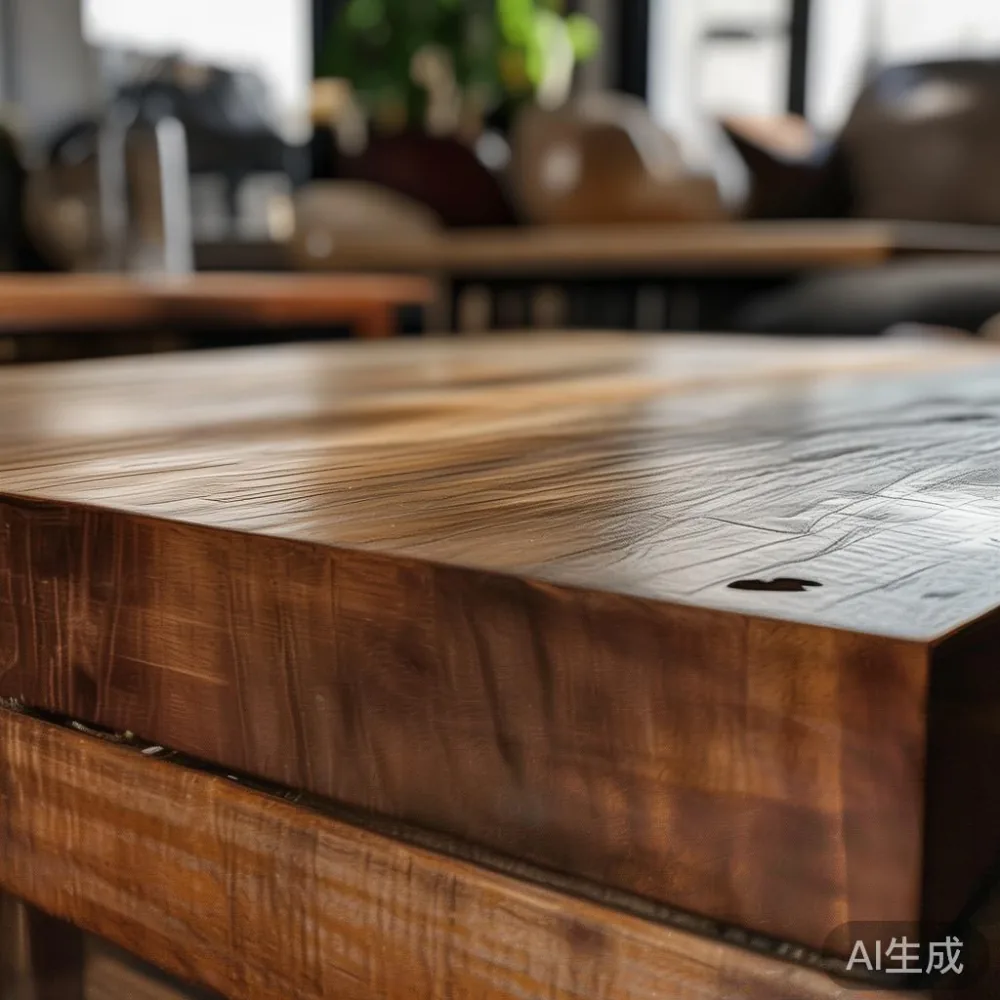
At MIDHILL, our approach is practical: quality materials, clear care guidance, and service that continues after delivery. The company has exported to more than 15 countries since 2008, carries a 10-year structural warranty, offers lifetime refinishing, and provides free shipping for orders over US$350. International freight terms are separate from local Singapore delivery, which is confirmed by quotation. Singapore buyers should see GST included before payment.
This guide focuses on one surface only: lacquer used on furniture in a tropical climate. It explains how to clean it, how quickly to act after a spill, and how to adjust habits in homes across Tampines, Bedok, and Punggol.

Why does lacquer behave differently in Singapore?
Lacquer is valued because it creates a controlled, often smooth finish over timber or another prepared substrate. It can improve colour consistency and make routine cleaning easier, but it does not make a surface immune to heat, moisture, or abrasion. Singapore’s annual relative humidity commonly ranges from roughly 70% to 90%, while afternoon temperatures may reach 31°C to 34°C.
Those conditions can produce three visible issues. Thermal movement may cause fine checking in the timber beneath the coating. Repeated humidity changes may affect sheen or clarity, especially on lighter finishes. More commonly, household chemicals cause the first mark: acidic drinks, oily fingerprints, cleaning alcohol, and aerosol products can dull or soften lacquer.
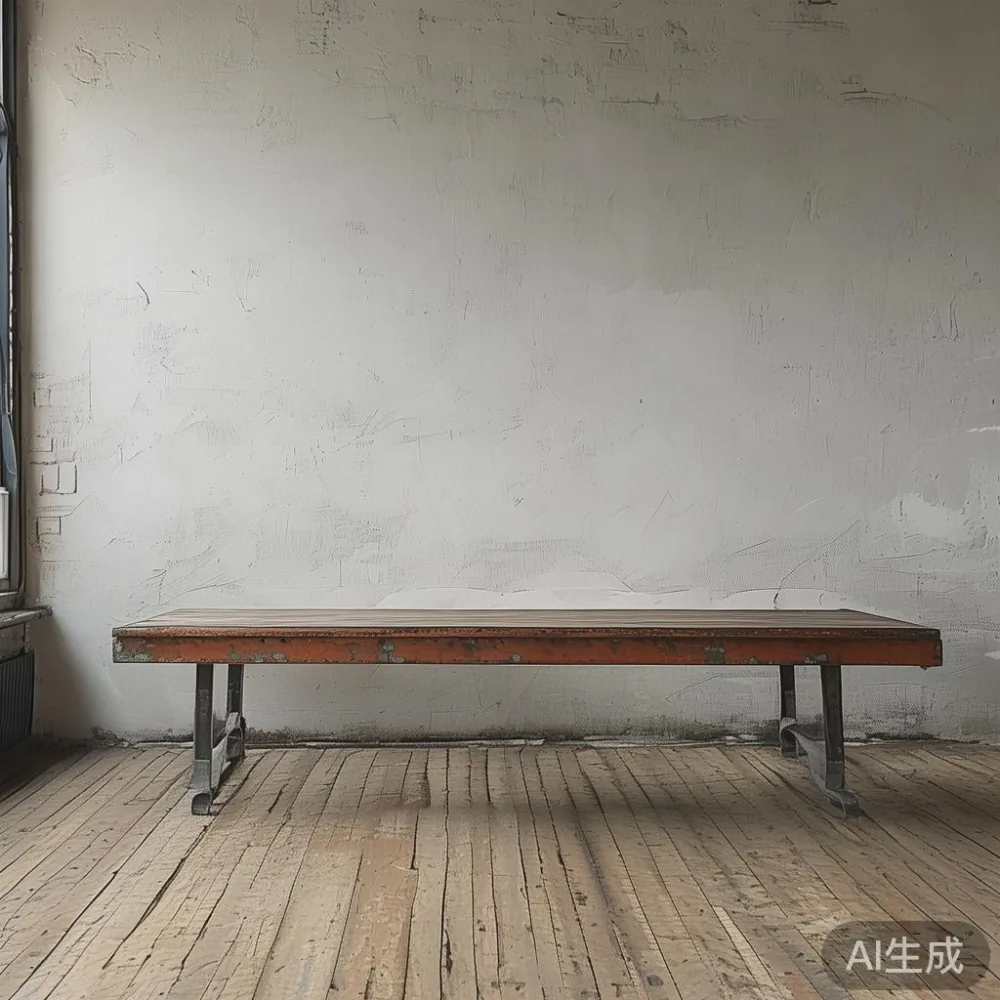
Light also matters. A dining table beside a west-facing HDB window can receive several hours of direct afternoon sun. UV exposure can fade the colour beneath a clear lacquer film. Curtains or UV-filtering film reduce the load without blocking ventilation, while coasters and centrepieces prevent concentrated heat from reaching the finish.
Keep at least 30 cm between a lacquered furniture edge and a window or halogen spotlight. Avoid placing a lacquered wardrobe directly against a hot bathroom wall or beside a laundry vent. For a marble table, use the same placement rules for its lacquered timber components; marble itself needs a different pH-neutral cleaner.
What cleaning kit should a Singapore household keep ready?
Prepare a small care kit rather than relying on products under the sink. A lint-free cotton cloth, a second damp cloth, a soft-bristled brush, and a mild pH-neutral detergent are usually enough. Add a digital hygrometer if you want an objective reading. Aim to keep the room between 40% and 65% relative humidity where possible, and consider it a reasonable indoor target rather than a guarantee.
For routine cleaning, dilute 5 mL of mild dish detergent in 500 mL of lukewarm water. The temperature should be around 25°C to 30°C, not hot. Wipe with the damp cloth, remove residue with the second cloth, and dry immediately with a clean cotton towel. A soft brush can dislodge dust from rebated profiles and narrow gaps.
Do not use ammonia, bleach, concentrated vinegar, abrasive pads, steel wool, or “furniture polish” containing silicone unless the lacquer manufacturer explicitly approves it. Avoid spraying cleaner directly onto furniture: overspray can enter joints and leave a cloudy ring. Distance matters, so spray the cloth 10 cm away from the surface.
Cleaning frequency depends on use. Wipe a dining table after each meal and a nightstand twice a week. A busy bed frame can be dusted every 7 days, while wardrobe fronts need attention every 2 to 4 weeks. In a corridor with heavy footfall, keep a 15 cm buffer around the piece and clean any airborne dust before it settles into edges.
How should I remove a spill from lacquered wood?
Act within 60 seconds when possible. Lift solids with a spoon, blot liquids with a clean white cloth, and do not rub. Then test the cleaner on a hidden 5 cm by 5 cm area, preferably beneath the rear of a bed frame or inside a wardrobe base.
Water marks usually respond to gentle blotting with a lightly damp cloth followed by thorough drying. Oily marks can be broken with a drop of mild detergent diluted in 250 mL of water. For sticky residue, use a plastic scraper held at a shallow angle, then clean the area with the diluted solution. A toothbrush with soft bristles can reach a tight profile without scratching.
Never try to lift lacquer with tape, razor blades, or metal tools. A sanding block around P800 may be suitable for a small, severely damaged area, but sanding through lacquer exposes timber and should be handled as a professional repair. This is particularly relevant for an industrial style dining table with exposed edges: the character comes from deliberate structure, not from accidental scars.
For a dining table, coasters should be at least 8 cm across and should not have rough cork edges. Place them under every cup, bowl, and hot serving dish. Use a heat-resistant trivet, allow it to cool, and never pour boiling water directly onto a lacquered surface.
How often should lacquer be refinished?
A well-protected lacquer finish may not need refinishing for 5 to 10 years, while heavy daily use may shorten that interval. Look for changes in sheen, persistent cloudiness, scratches that catch a fingernail, or small areas where the coating no longer feels smooth. A shallow scratch can sometimes be treated with a lacquer repair kit, but colour matching is difficult on aged timber.
MIDHILL’s lifetime refinishing policy makes aftercare part of the ownership relationship rather than a disposable purchase decision. That service should be discussed with the supplier before shipping, because finish approval, colour matching, and transport depend on the piece and its location. Keep the original lacquer specification and photographs of the furniture in a household file; dated images help a refinisher understand the original tone.
For clients comparing options, a useful reference is the best Nordic bed for 2026, especially when checking joinery, platform clearance, and finish longevity rather than appearance alone. In a compact Punggol bedroom, allow 5 cm behind the bed for cleaning and 10 cm to 15 cm on the main access side. In a Tampines HDB bedroom, the bed frame may need to pass through a common corridor of about 90 cm to 120 cm and a lift car measuring roughly 90 cm by 140 cm. Measure the actual route, including door turns and the bed’s longest rigid dimension.
Can lacquered furniture work in an HDB flat without looking too heavy?
Yes. Industrial style often combines substantial forms with visible joints, dark metal details, and restrained timber tones. In a small flat, use one substantial anchor rather than filling every wall with furniture. A solid wood sofa with a 78 cm to 85 cm width can suit a 250 cm living room, while a slim bed frame and one lacquered nightstand can keep the bedroom visually open.
Balance visual weight with proportion. A lacquered bed frame with a high headboard can sit against a plain wall, with a low nightstand opposite it. A dining table of 140 cm by 80 cm seats 4 to 6 people, yet it should retain 75 cm of circulation space around the main chairs. In a narrower dining zone, consider a 120 cm by 70 cm table with 4 seats and 60 cm to 70 cm between the table edge and a wall.
Those proportions also support a French light luxury approach: pale upholstery, warm timber, uncluttered surfaces, and one engineered focal point. American light luxury may use broader profiles and deeper comfort, while post-modern light luxury can pair lacquered planes with mixed materials. The finish should not dictate the room, but it should be protected from the room’s harsher conditions.
A wardrobe with lacquered fronts may dominate a corridor, so keep colour close to the walls and use handles that do not require excessive force. For a marble table, place the lacquered dining chairs away from the stone edges to prevent clothing or chair hardware from rubbing the coating. The best European light luxury wardrobe for 2026 for a Singapore home would consider ventilation, door swing, and tropical humidity alongside visual style.
What should I check before choosing lacquered furniture for delivery?
Ask for the lacquer type, sheen level, expected care products, repair scope, and warranty coverage in writing. Confirm whether lacquer covers the entire component or only selected faces. For a solid wood dining table, the underside, edge, and tabletop should all have defined moisture-movement provisions.
Check the delivery route before ordering. HDB lift dimensions vary by block, and condo loading bays or service lifts can be narrower than the lobby suggests. A 10 cm error during turning can damage both the furniture and the corridor wall. Record lift width, lift depth, lift height, door width, turning radius, and the longest furniture dimension. Allow 2 to 7 business days for Singapore delivery after production and payment, subject to stock and final scheduling.
Inspect the piece on arrival under neutral light. Look across the lacquer at an angle for scratches, bubbles, orange-peel texture, colour variation, and chips at edges. Photograph any issue within 24 hours. MIDHILL provides a 14-day returns window, so retain packaging where possible and avoid unapproved treatments that could affect the assessment.
Style research can be part of the same process. A search for for sale Minimalist furniture may reveal useful scale examples, while Vintage for guest room can help with a spare bed or compact lounge concept. For a sofa, follow a guide on how to choose Mid-century modern sofa by checking seat depth, frame construction, and recovery access. For dining, a Nordic for dining room plan may suit a 120 cm table in an open-plan kitchen, provided the lacquer is shielded from cooking spray.
Foshan furniture manufacturing is closely associated with export standards, but Singapore use still requires local acclimatisation. Let lacquered furniture acclimate for 24 to 72 hours in the final room, away from direct airflow, before tightening adjustable feet or removing protective packaging.
How do I care for different lacquered furniture pieces?
For a solid wood sofa with lacquered arms, vacuum with an upholstery attachment every 7 days and clean the coated wood monthly. Keep leather or fabric cleaners off the lacquer by covering the area with a clean sheet during treatment. Do not press hard on a joint while wiping, because concentrated force can mark the coating around the fastener.
For a bed frame, dust the headboard every 2 weeks and check the lower rails after rain seasons. Use a moisture meter if a piece sits near an exterior wall; readings around 8% to 12% are normal for stable indoor furniture, while repeated readings above 15% suggest a source of dampness worth addressing. Do not use a hair dryer to dry lacquer; warm air can soften the finish or lift its edge.
For a dining table, clean after meals, rotate table mats monthly, and replace felt coasters before their edges curl. Inspect the lacquer around hot dishes every 3 months. For a wardrobe, wipe the fronts every 2 to 4 weeks and leave the doors ajar for 30 minutes after a shower if it is near a bathroom. Nightstands should be cleared of wet towels and cosmetics, while a marble table should be kept separate from acidic cleaners and oily stains.
These routines preserve the surface without turning maintenance into a chore. In a hot, humid city, consistency matters more than intensity: gentle cleaning, controlled placement, and prompt spill response will keep an industrial style composition crisp for years.